

Simple kitchen fixes and smart habits that quiet the ache while you figure out what’s causing it.
Gum pain has a way of taking over your whole day. One tender spot along your gum line, and suddenly brushing stings, your morning coffee is a gamble, and even talking feels like a chore. Sometimes the culprit is nothing more than a heavy-handed brushing session. Other times it points to something that needs a professional’s eyes.
The good news is that most sore gums respond well to gentle care you can manage from home. Knowing what’s likely behind the ache helps you choose the right fix, and it tells you when a trip to the dentist is the smarter move.
Key Takeaways
– Gum pain is usually temporary and often shows up alongside toothache or mild swelling.
– Canker sores, gingivitis, hormonal shifts, tooth abscesses, and tobacco are common triggers.
– Watch for bad breath, bleeding, receding gums, or sores that won’t heal, since these can signal something deeper.
– A warm saltwater rinse, a hot or cold compress, turmeric or clove paste, and clove oil can all ease the soreness.
– Pain that lingers, spreads, or comes with a fever deserves a dentist’s attention rather than another home remedy.
What Sore Gums Feel Like
Gum pain describes tender gums that may also be swollen, red, or bleeding. Toothache tends to tag along, and the whole area can feel raw enough to make eating and speaking uncomfortable.
In plenty of cases it’s a passing, isolated thing that clears up on its own within a few days. When it arrives with other symptoms, though, your gums may be trying to tell you about a problem underneath. Signs worth paying attention to include bad breath, bleeding, a purplish or bright-red color along the gums, heightened sensitivity, painful mouth ulcers, receding gums, and visible swelling.
What’s Behind the Ache
A faulty brushing technique or dentures that don’t fit right can leave gums sore without much drama. Beyond those everyday causes, a handful of conditions turn up again and again.
Canker sores. These open ulcers look like red patches, sometimes with a white coating, and can pop up anywhere in the mouth, gums included. They’re rarely serious and usually heal without treatment.
Gingivitis. This common gum disease brings swelling and bleeding that grow more painful over time. Poor oral hygiene is the main driver. Left unchecked, gingivitis can progress to periodontitis, where the gums pull away from the teeth and infection sets in, which is very much a job for a professional.
Hormonal changes. Puberty, menstruation, pregnancy, menopause, and starting oral contraceptives can all swing ovarian hormones. That extra blood flow leaves gums swollen and tender, and raises the odds of gingivitis.
Tooth abscess. An infection at the root of a tooth can form a pocket of pus, and the resulting swelling reaches the gums. Abscesses generally need treatment, often a root canal.
Tobacco. Smoking or chewing tobacco regularly can cause mouth sores on the gums, and it puts users at a much higher risk of gum disease and oral cancer.
There’s one more cause worth naming plainly: a mouth sore that simply won’t heal can be a sign of oral cancer, which may show up as a painful or painless spot on the gums, tongue, cheeks, or tonsils. It’s more common in people over 55 who smoke and drink heavily. For perspective, the CDC has found that nearly half of adults over 30 have some form of gum disease, with about 9% dealing with severe cases. Most gum pain never gets anywhere near that territory, but the numbers are a fair reminder to take persistent symptoms seriously.
Six Remedies Worth Trying at Home
None of these will fix an infection, but they can take the edge off while things settle or while you wait for an appointment.
Warm Saltwater Rinse
 Save
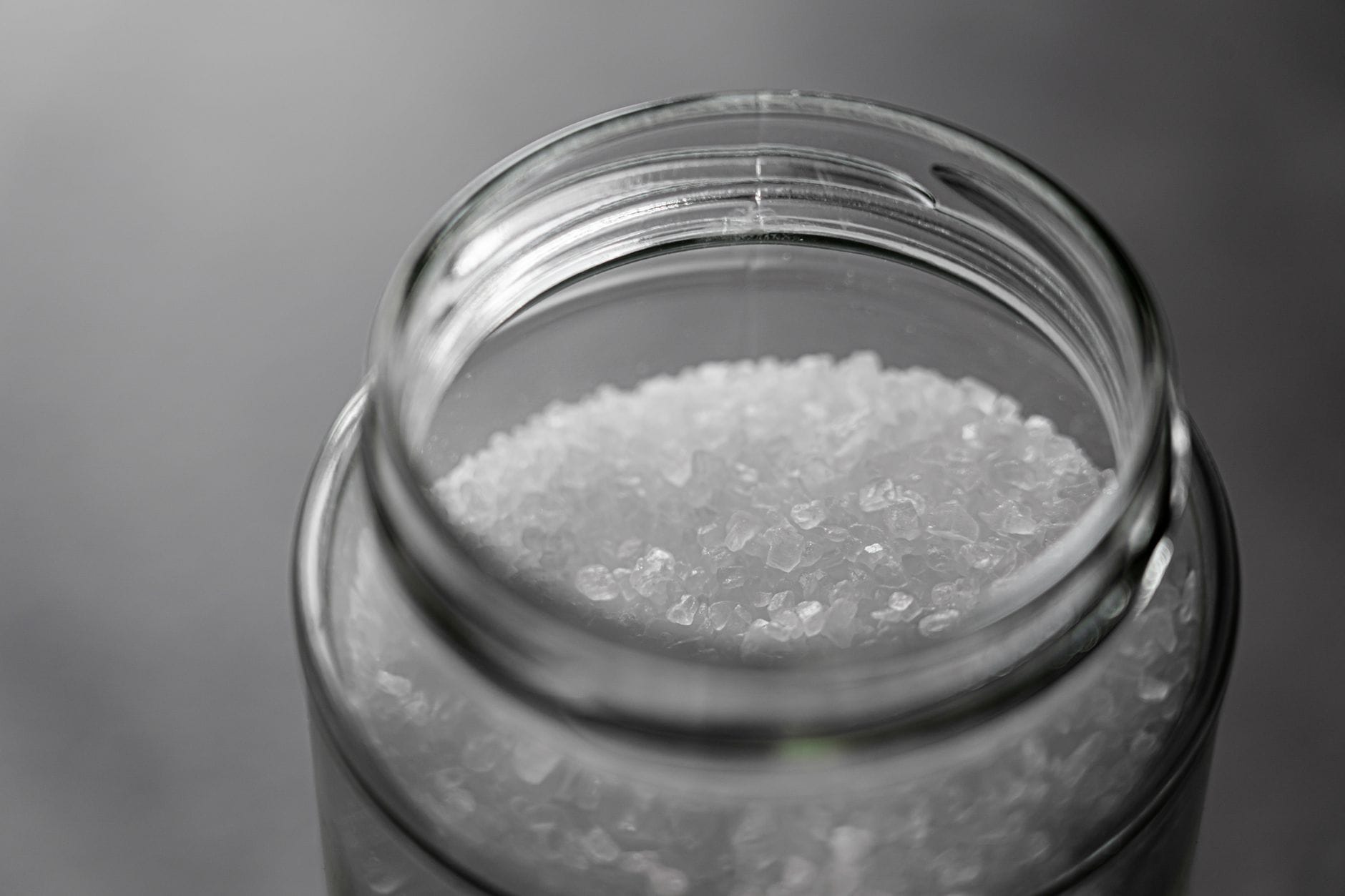
A warm salt rinse is one of the oldest tricks for a reason. Research suggests it may speed up healing of the tissue inside your mouth, and it’s gentle on inflamed gums. Warm a cup of water without boiling it, stir in a teaspoon of salt until it dissolves, then swish a mouthful around while it stays warm before spitting it out. Work through the rest of the glass and repeat twice a day until the pain and swelling ease.
Hot or Cold Compress
 Save
Temperature is a surprisingly effective tool. A cold compress numbs the area and calms inflammation, which is why dentists often recommend it after oral surgery. Wrap an ice pack in a clean cloth and hold it against your cheek over the sore spot, two or three times a day. Prefer warmth? Soak a clean cloth in warm (not hot) water, wring it out, and rest it along the gum line to relax the tissue.
Turmeric or Clove Paste
 Save
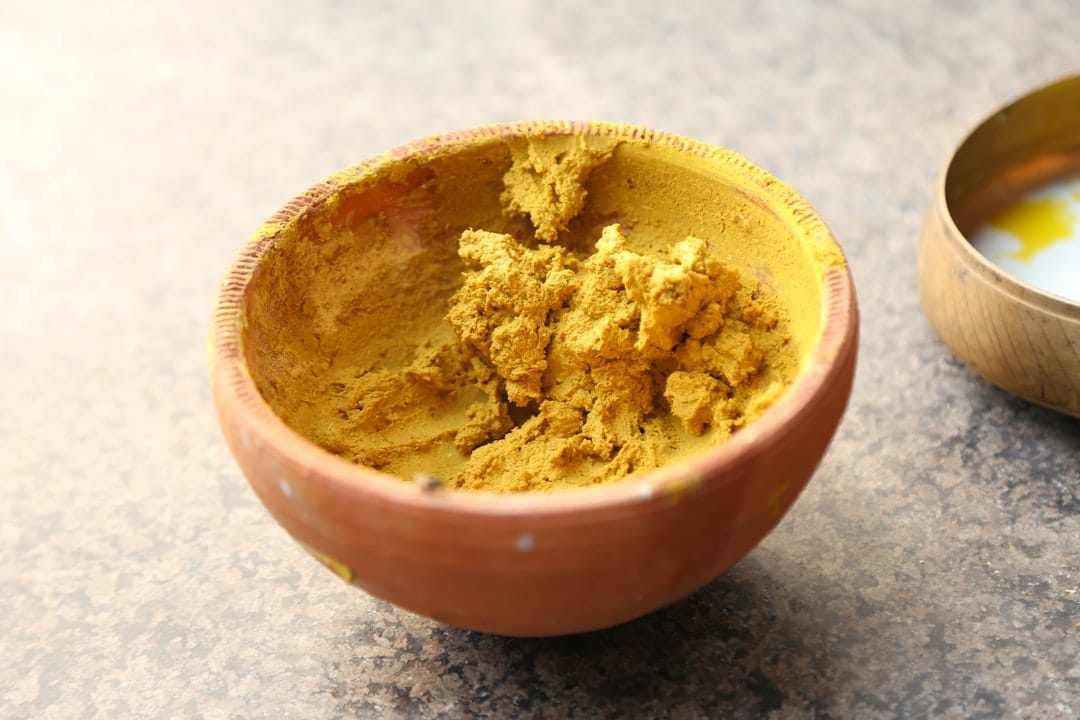
Both spices are probably already in your kitchen. Turmeric is a well-studied anti-inflammatory and antimicrobial with a solid track record in dental care, and clove is a potent antibacterial that’s been shown to help against gum disease. Mix a little powdered turmeric or clove with a few drops of warm water to make a paste, dab it onto the sore gums, leave it for about five minutes, then rinse with lukewarm water. Repeat whenever the ache flares.
Used Tea Bags
 Save
Green tea carries anti-inflammatory and antimicrobial compounds that support gum health. Steep a fresh bag in hot water for a few minutes (go ahead and drink the tea), then let the bag cool on a clean dish. Once it’s comfortable to the touch, press it directly against the tender gum for five minutes, up to twice a day.
Clove Oil
Clove oil deserves its own mention thanks to its numbing, anti-inflammatory punch. Dilute a few drops in a carrier oil like coconut or olive oil, soak a cotton ball, and hold it gently against the sore area for a few minutes before rinsing. Two or three times a day is plenty. The dilution matters, since undiluted clove oil can irritate delicate tissue.
Over-the-Counter Options
For fast relief, medicated oral gels such as Anbesol or Orajel numb the gums on contact. Painkillers and anti-inflammatories like ibuprofen, aspirin, or acetaminophen can help too. Just keep the use short-term, because leaning on these regularly comes with its own side effects.
When a Dentist Should Take Over
Home care has limits. Book an appointment if your gum pain drags on past a week or two, keeps getting worse, or comes with a fever, spreading swelling, pus, loose teeth, or a sore that refuses to heal. Bleeding that won’t stop and gums that are visibly receding are also reasons to get checked. These point toward infections or gum disease that remedies alone won’t resolve.
A Little Prevention Goes a Long Way
Most gum pain traces back to habits you can adjust. Brush gently twice a day with a soft-bristled brush, floss daily to clear the debris a brush misses, and rinse if a full clean isn’t possible after meals. Skipping tobacco protects your gums more than almost anything else, and regular dental cleanings catch trouble while it’s still small and painless.
Frequently Asked Questions
How long should gum pain last before I worry?
A sore spot from rough brushing or a minor irritation usually fades within a few days. If the pain hangs on beyond a week or two, keeps intensifying, or brings new symptoms like swelling or fever, treat that as your signal to see a dentist.
Can I use clove oil straight from the bottle?
It’s better not to. Undiluted clove oil is strong enough to irritate or even burn gum tissue. Always mix it with a carrier oil such as coconut or olive oil first, and apply it with a cotton ball for just a few minutes.
Does a saltwater rinse really do anything?
Yes, within reason. It won’t cure an infection, but warm saltwater can soothe inflammation and may help the soft tissue in your mouth heal a little faster. It’s an easy, low-risk option to lean on while more serious causes are ruled out.
The Bottom Line
Sore gums are common, usually harmless, and often eased with things you already have at home. A warm saltwater rinse, a compress, turmeric or clove paste, tea bags, or a dab of diluted clove oil can all bring relief while your gums recover. Pay attention to the company your pain keeps, though. Bleeding, swelling, a lingering sore, or pain that won’t quit are cues to let a dentist step in, since early treatment keeps a minor annoyance from turning into something bigger.
This article is for informational purposes only and is not a substitute for professional medical or dental advice. If your gum pain is severe, persistent, or accompanied by other symptoms, please consult a qualified dentist or healthcare provider.