
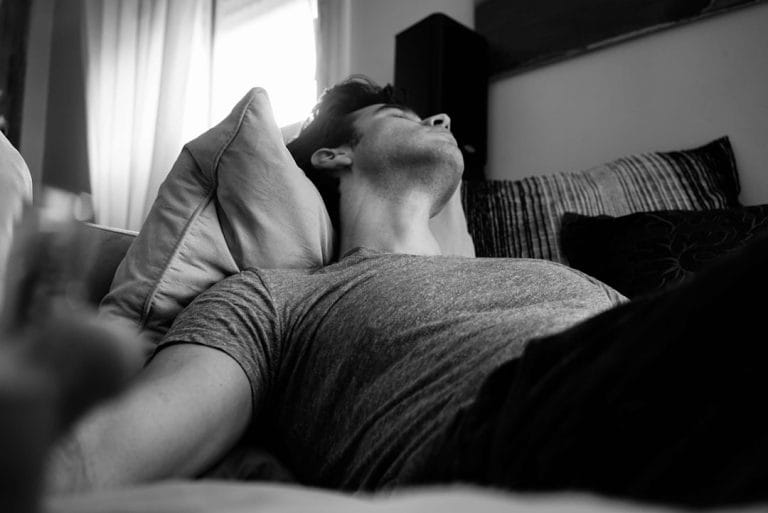
Small changes to how you sleep, breathe, and move can take real pressure off your nights.
One rough night of sleep is enough to leave you short-tempered and foggy the next morning. Now picture that happening night after night, month after month. That is roughly what life feels like for people with sleep apnea, a disorder in which breathing repeatedly stops and starts while you sleep. It is surprisingly common and, worryingly, still goes undiagnosed in a lot of people.
If you snore loudly, wake up gasping, or drag through your days no matter how long you were in bed, this is worth reading. None of the tips here replace a proper diagnosis, but many of them can genuinely soften the symptoms while you sort out the bigger picture.
Key Takeaways
– Sleep apnea repeatedly interrupts your breathing overnight, often with loud snoring and unrefreshing sleep.
– Obesity, a narrow throat, hypothyroidism, allergies, and smoking are common drivers of the obstructive type.
– Weight management, side-sleeping, yoga, and regular exercise can meaningfully reduce symptoms.
– Left untreated, it raises the risk of high blood pressure, heart disease, and daytime accidents.
– Persistent snoring, gasping, or heavy daytime sleepiness are reasons to see a doctor.
What Sleep Apnea Actually Is
During an apnea episode, your breathing pauses for a few seconds and then kicks back in, over and over through the night. Each stop-and-start jolts you out of deep sleep, even if you never fully wake, which is why mornings feel so rough. Beyond the hallmark snoring, common signs include:
Gasping or choking for air in your sleep
Visible pauses in breathing (usually noticed by a partner)
A dry mouth on waking
Morning headaches
Trouble staying asleep, then heavy daytime sleepiness
Poor focus and a shorter fuse than usual
There are two main forms. In obstructive sleep apnea, the throat muscles relax and collapse inward, physically blocking the airway. In central sleep apnea, the airway is open, but the brain fails to send the right signals to the muscles that control breathing. Some people have both, which doctors call complex sleep apnea. The obstructive type is by far the most common, so that is where most of these remedies aim.
What Puts You at Risk
Obstructive apnea comes down to a blocked upper airway. Air squeezing past that narrowed passage is what produces the snoring sound. Several things make a blockage more likely:
Carrying excess weight, and a wide neck circumference
A naturally narrow throat or a rounder head shape
Hypothyroidism or acromegaly (excess bone growth from a hormonal imbalance)
Allergies, nasal congestion, or a deviated septum
Smoking, along with alcohol or drug misuse
In one study of 4,659 people, a small fraction were formally diagnosed with sleep apnea, and among a large group of patients the researchers noted overlapping conditions like hypertension, reflux, and gastritis. Sleep apnea rarely travels alone.
Why You Shouldn’t Wait It Out
Repeated breathing pauses drop the oxygen level in your blood, and that strain adds up. Untreated apnea raises or worsens high blood pressure, which in turn pushes up the risk of heart disease and stroke. The broken sleep feeds daytime fatigue and food cravings, a combination linked to weight gain and type 2 diabetes. Being exhausted behind the wheel or around machinery is dangerous in its own right, and the disorder can deepen depression and dull cognitive function. That is a long list of reasons not to shrug it off.
Structural problems usually need medical or surgical fixing. Still, the lifestyle-focused remedies below can cut down snoring and improve sleep quality in a real way.
Home Remedies Worth Trying
Lose a Little Weight
 Save
For people who are overweight, extra fat around the throat and neck crowds the airway. Research suggests even a modest drop in weight can ease obstructive symptoms and, in some cases, reduce the need for CPAP or surgery. It is one of the more reliable snoring remedies going, though scientists want more data to pin down the details.
Change How You Lie Down
Sleeping flat on your back tends to make apnea worse, since gravity lets the tongue and soft tissue fall backward. Rolling onto your side often keeps the airway more open and lifts sleep quality. If you keep drifting onto your back, positional therapy, such as specially shaped pillows or gentle alarms, can retrain the habit over time.
Move Your Body
 Save
Regular exercise does more than trim your waistline. It reduces how often your breathing stops overnight, nudges oxygen levels up, and leaves you feeling more rested by day. A mix of cardio and strength work seems to give the best results. Yoga earns a special mention here: its focus on posture and controlled breathing can improve circulation and oxygen flow, which matters because low blood-oxygen levels and apnea are closely tied.
Calm Your Airway
 Save
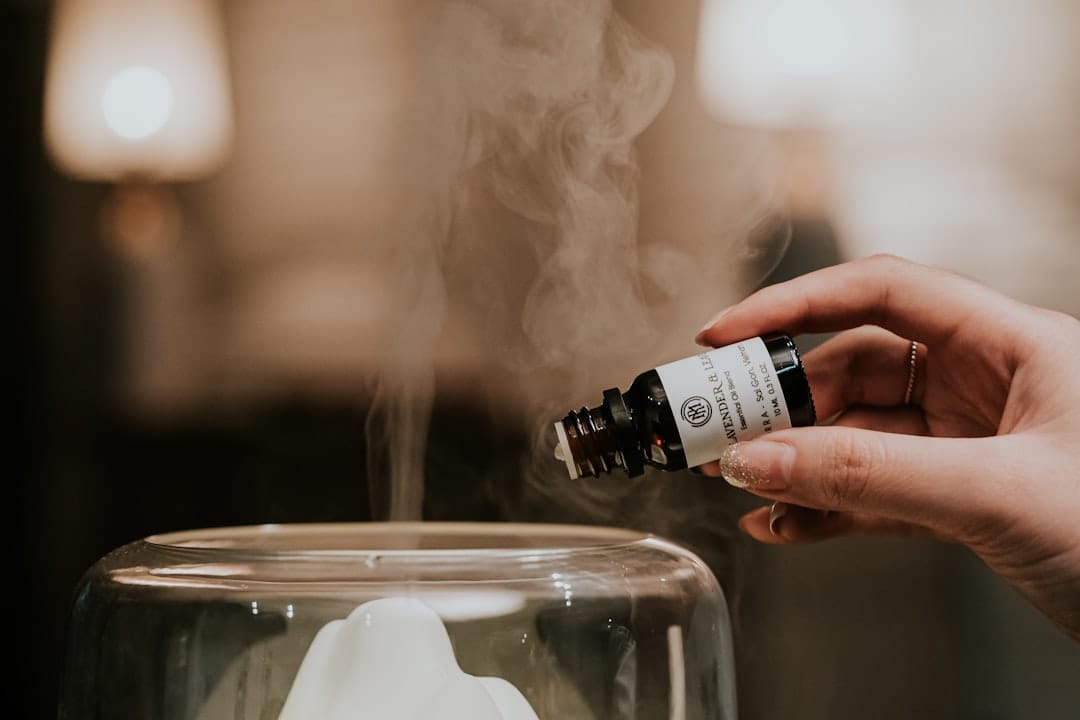
Dry, irritated air passages make everything worse. A humidifier can soothe a dry or sore throat, loosen congestion, and make breathing easier, though the evidence is still building. Aromatherapy is another gentle option. Peppermint and lavender essential oils have anti-inflammatory qualities, and small studies point to fewer sleep disturbances and less intense snoring. Add a few drops to your humidifier or run a diffuser before bed.
Strengthen Your Throat
Weak upper-airway muscles collapse more easily, so training them can help. A few simple tongue exercises, done for a few minutes several times a day, target exactly those muscles:
Curl your tongue repeatedly
Say the five vowels (a, e, i, o, u) out loud
Sing (yes, genuinely)
Cut the Alcohol and Cigarettes
 Save
Alcohol is a relaxant, and it can over-relax the very throat muscles that keep your airway open, on top of inflaming the airway. Skip the nightcap. Smoking irritates and inflames your airways while nicotine fragments your sleep, so quitting is one of the more impactful moves you can make.
When to Call a Doctor
Home remedies are a helpful layer, not a cure. If you notice loud, chronic snoring, gasping or choking at night, stubborn insomnia, or the kind of daytime sleepiness that has you nodding off at your desk, book an evaluation. A sleep study can confirm what is happening, and treatments like CPAP or an oral appliance may be needed alongside the changes above.
Frequently Asked Questions
Can sleep apnea go away on its own?
Mild cases tied to weight or lifestyle can improve a lot with the habits above. Apnea caused by structural issues, like a deviated septum or a naturally narrow throat, usually will not resolve without medical treatment.
Is snoring always a sign of sleep apnea?
No. Plenty of people snore without having apnea. The red flags are snoring paired with breathing pauses, gasping, and heavy daytime tiredness. If those show up together, get checked.
What can I use instead of a CPAP machine?
Depending on severity, doctors sometimes recommend oral appliances that reposition the jaw, positional therapy for back-sleepers, or weight loss. These work best for milder cases, so talk to a professional about what fits you.
The Bottom Line
Sleep apnea is more than an inconvenient snore. Those nightly breathing pauses quietly raise your risk for high blood pressure, heart trouble, and burned-out days. The upside is that many symptoms respond to changes you can start tonight: sleeping on your side, moving more, trimming excess weight, easing off alcohol and cigarettes, and keeping your airway moist and calm. Layer these in, pay attention to how you feel, and loop in a doctor if the loud snoring, gasping, or fatigue refuse to budge.
This article is for informational purposes only and is not a substitute for professional medical advice, diagnosis, or treatment. Always consult a qualified healthcare provider about any concerns regarding sleep apnea or your health.