

Slow digestion is a normal, if annoying, part of pregnancy. A few kitchen staples can help get things moving again.
Pregnancy asks a lot of your body, and your digestive system often pays the price. Hormonal shifts can slow the movement of food through your intestines, and changes in appetite and diet can compound the problem. For many expectant mothers, the result is constipation.
The encouraging part is that gentle, food-based remedies can bring relief for many women without medication. One word before you start: check with your doctor first, because a few popular remedies (psyllium, peppermint, and apple cider vinegar among them) are not recommended in regular doses during the first 20 weeks of pregnancy.
Key Takeaways
– Hormonal changes during pregnancy can slow digestion, which is why constipation is so common among expectant mothers.
– Fiber-rich fruits such as prunes, kiwis, and oranges may help increase stool frequency naturally.
– Flaxseeds, chia seeds, and psyllium husk act as gentle bulking agents, but only if you drink plenty of water with them.
– Some remedies carry caveats: grapes are best avoided in the last trimester, and vitamin C intake should stay below 6,000 mg a day.
– Talk to your doctor before trying any remedy, especially during the first 20 weeks.
Why Constipation Shows Up in Pregnancy
The hormonal changes that support a healthy pregnancy can also affect how quickly food moves through your digestive tract, and the foods you’re suddenly craving (or avoiding) play a role too. Sluggish digestion is a normal response to pregnancy rather than a sign that something is wrong, and it often responds well to small daily habits.
Fruit First: The Easiest Place to Start
 Save
SaveIf you change only one thing, make it fruit.
Prunes are the classic for a reason. They contain sorbitol, a compound with documented laxative properties, so a cup of prune juice or a handful of whole prunes may bring welcome relief. Kiwis combine high water content with plenty of fiber, a pairing that may keep the bowels moving smoothly; one a day is enough. Oranges are another solid choice, since dietary fiber may help increase stool frequency in people with constipation.
A few more options worth rotating in:
Apples contain pectin, a natural fiber that promotes bowel movements. Try blending a chopped apple with a cup of warm water for a fresh juice.
Unsweetened cranberry juice adds fiber in drinkable form.
Bananas deliver fiber along with other nutrients.
Grapes need a special mention. They are rich in fiber, but they also contain resveratrol, so eat them in moderation and skip them entirely in the last trimester.
Seeds and Psyllium: Small but Powerful
 Save
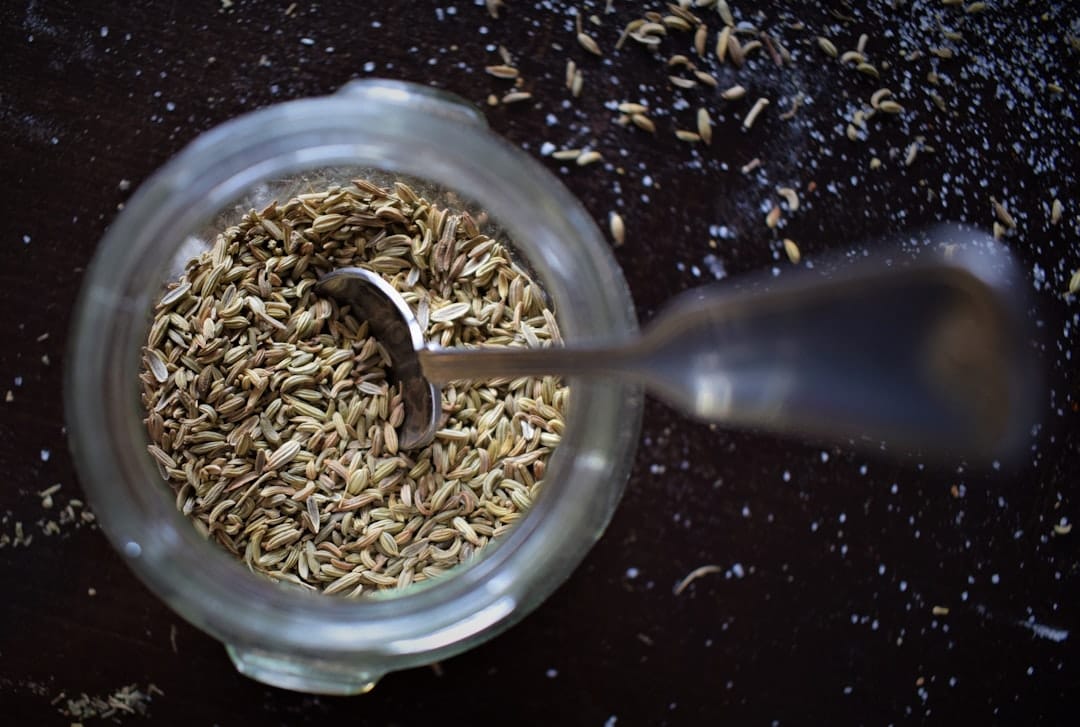
SaveSeeds are an easy fiber upgrade because they slip into food you already eat. Ground flaxseeds have shown laxative properties in research; start with half a tablespoon a day and build up gradually to two tablespoons. Chia seeds work similarly. Soak about a tablespoon and a half in water for 30 minutes, then stir them into juice or milk.
Ispaghula husk, better known as psyllium, is another rich source of dietary fiber. Mixed into a glass of cold water and drunk right away, it acts as a mild laxative that helps soften stool.
One rule applies to all of these: drink plenty of water. Psyllium in particular absorbs an impressive amount of liquid and expands as it does, so taking it without enough fluid can actually worsen constipation or even block the intestine. Pair every dose with at least one to two glasses of water, and remember that psyllium is not recommended as a regular habit before week 20.
What Helps in the Glass
The vitamin C in lemon acts as an antioxidant and encourages bile production, which may help move things along. Squeeze half a lemon into a glass of warm water, add honey if you like, and sip it once or twice a day. Don’t drink lemon juice straight, though; concentrated citrus can irritate the stomach lining and set off heartburn.
Green tea offers a gentler nudge, since its caffeine has mild laxative properties. Steep the leaves for five to ten minutes and enjoy a cup or two a day.
Apple cider vinegar appears on many remedy lists, usually a tablespoon stirred into warm water with honey. A caveat: the digestive benefits of its acetic acid are anecdotal, with no scientific evidence behind them, and it is another remedy to avoid in regular doses during early pregnancy.
Remedies Beyond Your Plate
 Save
SaveA cup of plain yogurt each day supplies probiotics that shift the balance of bacteria in your gut, which supports digestion overall.
An Epsom salt bath works differently. The magnesium sulfate in the salt has a laxative action, and soaking for 15 to 20 minutes a few times a week is relaxing besides. Because Epsom salt draws water into the intestines, keep your fluid intake up on bath days.
Gentle abdominal massage is another option. Aromatherapy massage using one or two drops of lemon or peppermint essential oil, diluted in a teaspoon of a carrier oil such as olive or almond, may help soften impacted stool. The peppermint caution for the first 20 weeks applies here as well.
Coconut oil contains medium-chain fatty acids that boost metabolism and may stimulate the bowels; a tablespoon drizzled over salad is the simplest way to take it. And while vitamin C itself has laxative activity, get it from citrus fruits rather than pills unless your doctor approves a supplement, since intake should not exceed 6,000 mg a day during pregnancy.
When to Check In With Your Doctor
 Save
SaveHome remedies often help, but not always. If your symptoms don’t improve with these changes, or if you are unsure whether a particular remedy suits your stage of pregnancy, call your provider. That conversation matters most in the first 20 weeks, when several of the options above are off the table.
Frequently Asked Questions
Is constipation normal during pregnancy?
Yes, very. Hormonal changes can slow digestion, and shifts in your diet can make it worse. It often shows up alongside other common complaints like morning sickness and abdominal pain, and it often improves with fiber, fluids, and small daily habits.
Can I take psyllium every day while I’m pregnant?
Regular doses are not recommended during the first 20 weeks, so ask your doctor first. After that, always mix it into cold water, drink it immediately, and follow it with one to two glasses of water so it doesn’t expand in your gut without enough fluid.
Which fruit should I try first?
Prunes are a classic choice because they contain sorbitol, a compound with laxative properties. Kiwis and oranges are good daily options thanks to their fiber and water content.
The Bottom Line
Constipation is one of pregnancy’s most common discomforts, and it often yields to simple changes: fiber-rich fruits like prunes and kiwi, seeds or psyllium taken with plenty of water, warm lemon water, and daily yogurt. A few remedies deserve caution, particularly in the first 20 weeks and the final trimester, so loop your doctor in before adding anything new. Relief is usually closer than it feels.
This article is for informational purposes only and is not a substitute for professional medical advice, diagnosis, or treatment. Always consult your doctor or a qualified healthcare provider before trying any home remedy during pregnancy.