

Nutrient-dense, filling, and free of the hidden sugars and additives in commercial powders — here’s how to blend your own.
If your protein shakes come from a tub with a long ingredient list, it might be time to switch things up. Homemade protein shakes give you the same workout fuel and muscle support without the artificial sweeteners and hidden sugars — and you get to control exactly what goes in. Whether your goal is building muscle, losing weight, or simply getting more protein, a blender and a few simple ingredients are all you need.
Here’s why protein matters, a handful of easy recipes, and the tips that make every shake taste great.
Why Protein Matters for Weight Loss
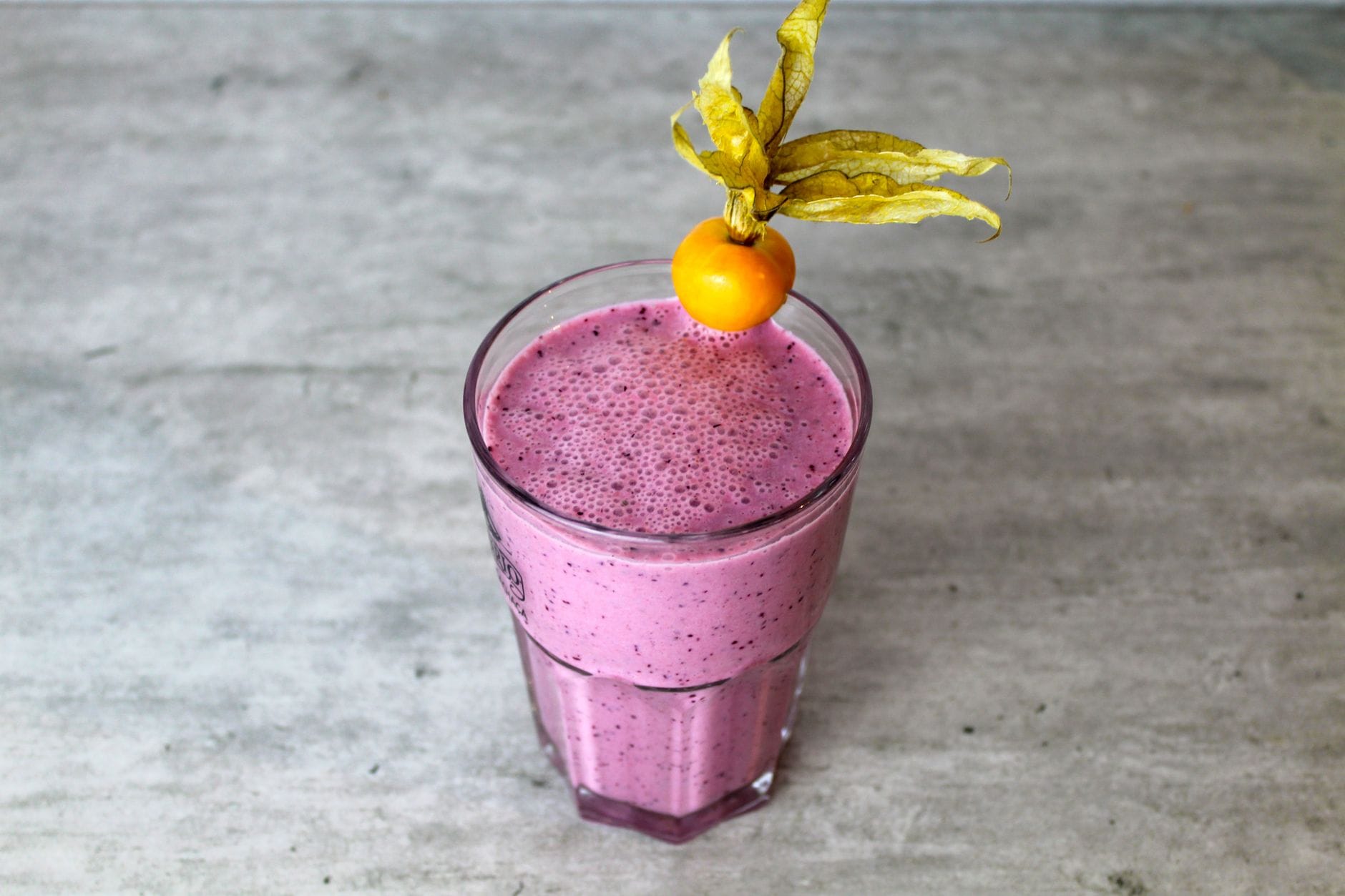 Save
SaveProtein does more than build muscle — it’s one of your most useful allies when you’re trying to lose weight:
It keeps you full. Protein is more satiating than carbs or fat, so it curbs hunger and helps you eat less overall (2).
It burns more energy to digest. Protein has a higher thermic effect, meaning your body uses more calories processing it (15).
It protects muscle. When you lose weight, protein helps preserve lean muscle mass instead of burning it for fuel (1).
It steadies blood sugar. Higher-protein diets have been linked to greater weight loss and slightly improved blood sugar control (16).
The catch: shakes should support a balanced diet, not dominate it.
Key Takeaways
– Homemade beats store-bought — no hidden sugars, no artificial additives, and full control over ingredients.
– Protein aids weight loss by boosting fullness, metabolism, and muscle retention (1), (2).
– Timing depends on your goal — pre/post-workout for muscle, morning for satiety (17), (18).
– They’re a supplement, not a meal — shakes rarely contain everything a full meal does.
Easy Homemade Protein Shake Recipes
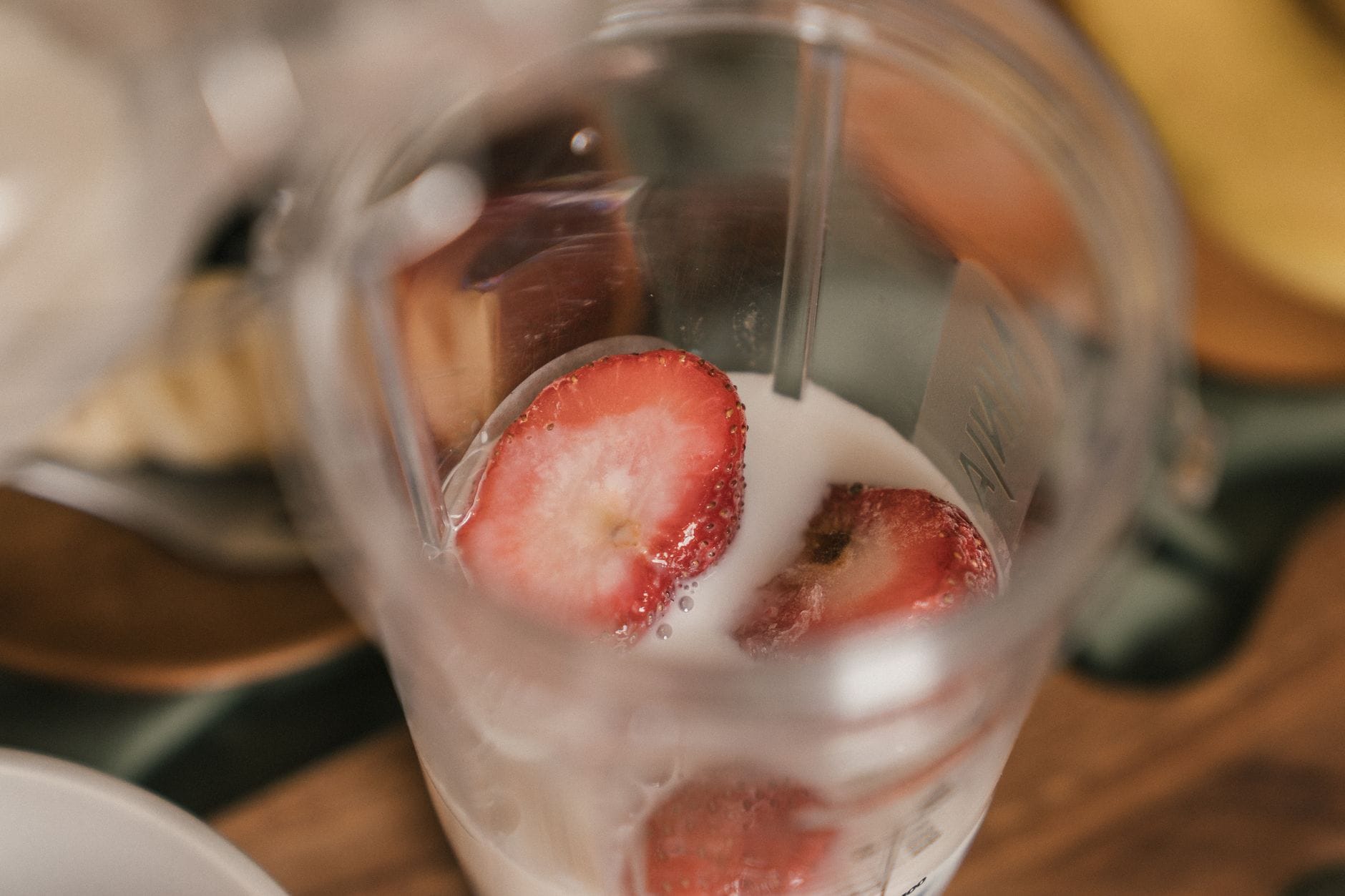 Save
SaveMost of these use dairy (milk and Greek yogurt) for protein; swap in soy, almond, or pea-based options if you’re dairy-free.
Peanut butter & banana — banana, 1 tbsp peanut butter, Greek yogurt, chia seeds, and milk. Creamy, filling, and high in protein.
Chocolate — banana, cocoa powder, almond butter, Greek yogurt, and milk; garnish with grated dark chocolate.
Green power — spinach, banana, half an avocado, Greek yogurt, peanut butter, and soy milk. Mild-tasting and great for weight loss.
Oatmeal & apple — rolled oats, chopped apple, Greek yogurt, milk, and cinnamon for a fiber-rich, breakfast-style shake.
Strawberry soy — strawberries, unsweetened soy milk, chia seeds, and vanilla — soy is one of the highest-quality plant proteins (4).
To make any of these: add everything to a blender, blend until smooth, and drink fresh.
Tips for a Better Shake
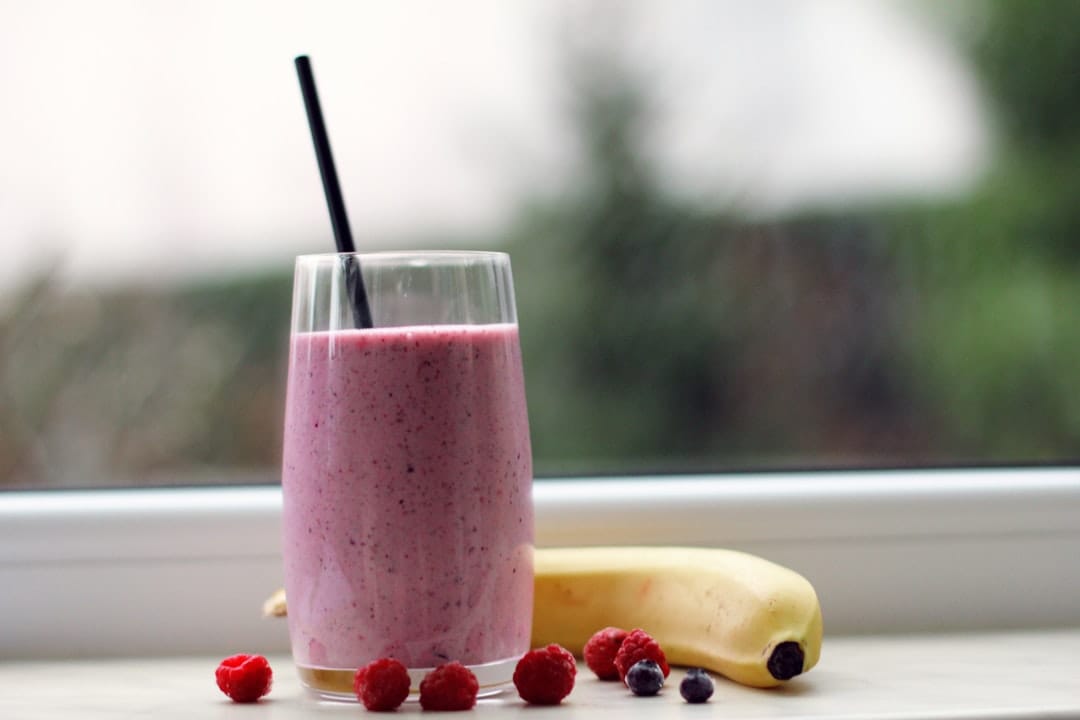 Save
SavePick the right protein — dairy, soy, hemp, or split-pea powder, depending on your diet.
Mind the sweeteners — if you’re cutting calories or managing diabetes, go easy on honey and maple syrup, or use stevia.
Adjust the liquid — full-fat milk for creamy and calorie-dense; water or low-fat milk for lighter.
Blend in stages — start at medium speed, then go high until completely smooth.
Taste and tweak — too thick? Add liquid. Too thin? Add frozen fruit, yogurt, or nut butter.
Can Shakes Replace Meals?
 Save
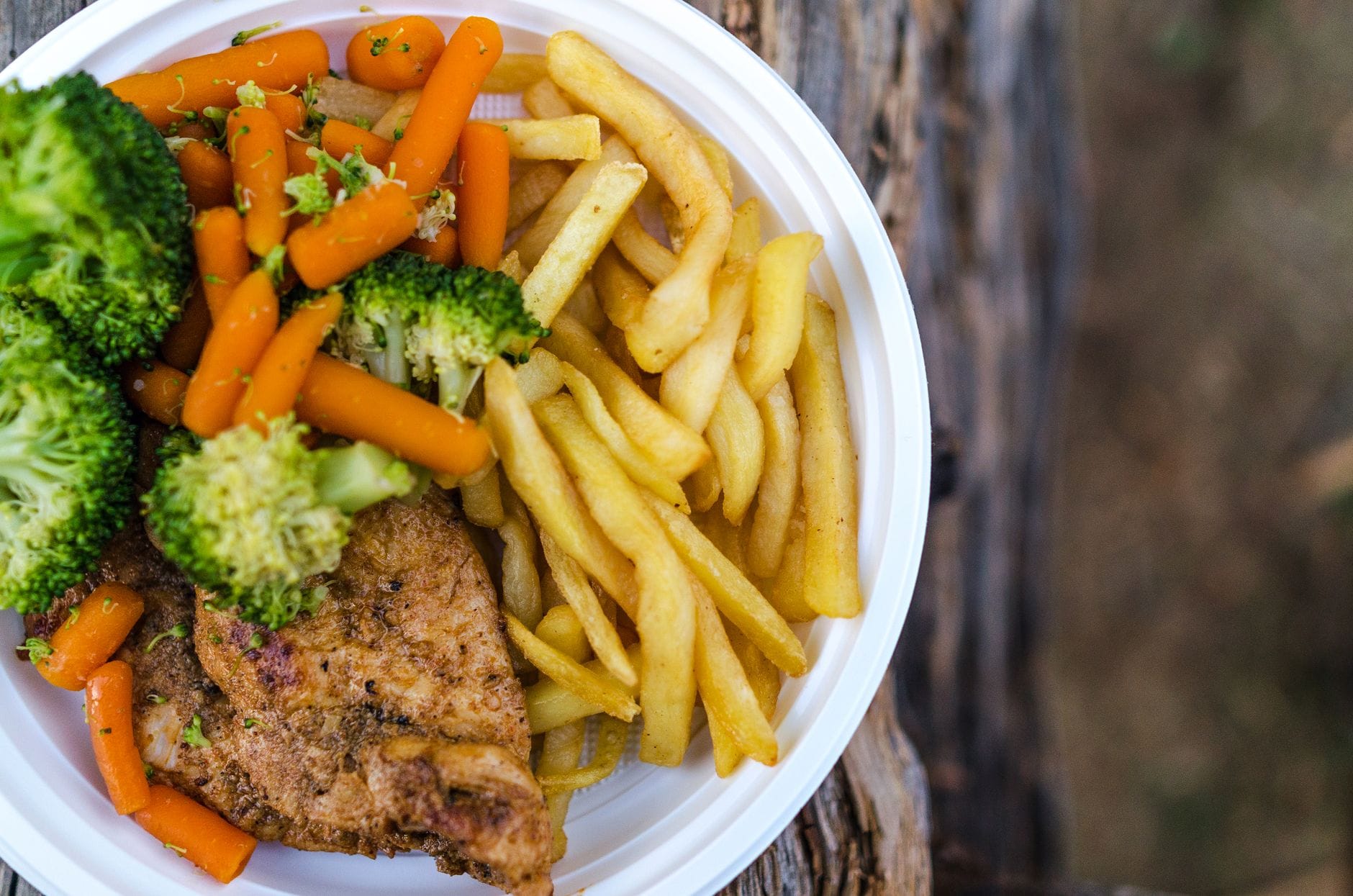
SaveGenerally, no. A balanced meal supplies carbohydrates, fats, vitamins, and minerals that a protein shake usually lacks. Shakes are best as a snack or a pre/post-workout drink. You can occasionally use a high-calorie, nutrient-complete shake as a stand-in meal, but only short-term and ideally with your doctor’s okay.
Frequently Asked Questions
When should I drink a protein shake?
For muscle, aim for around your workout; for weight loss, mornings can help since protein keeps you full (17), (18).
Can I drink protein shakes while fasting?
During intermittent fasting, a low-calorie shake within your eating window can help preserve muscle while you lose weight.
How much protein do I need?
Roughly 0.8–1.25 g per kilogram of body weight; one to two shakes a day, with the rest from whole foods, suits most people (21).
The Bottom Line
Homemade protein shakes are a cheaper, cleaner alternative to store-bought powders — you choose the protein source, control the sugar, and tailor the flavor to your goals. Lean on simple combinations like peanut butter-banana or apple-oatmeal, keep them part of a balanced diet rather than a replacement for it, and check with a doctor or dietitian for advice tailored to you.
This article is for general informational purposes only and isn’t a substitute for professional medical advice, diagnosis, or treatment. Consult a qualified healthcare provider or registered dietitian before making major dietary changes.