

Those burps that smell like rotten eggs usually start with something you ate, and small changes can make them stop.
A big meal often ends with a burp, and that little release feels good. It clears out trapped air and maybe some room for dessert. What feels less good is when the burp carries a sulfur smell, the kind that reminds people of rotten eggs. These are commonly called sulfur burps, and while they can be embarrassing in the moment, the cause is usually something ordinary.
Most of the time the culprit is on your plate or in your routine. Below you’ll find why the smell happens, how long it tends to stick around, and a handful of remedies you can try at home.
Key Takeaways
– Ordinary burps are mostly odorless because oxygen and carbon dioxide have no smell; the rotten-egg odor comes from sulfur compounds reacting with those gases.
– Sulfur-heavy foods like red meat, garlic, onions, and cruciferous vegetables are frequent triggers, along with dairy if you’re lactose intolerant.
– Habits matter too: eating fast, smoking, chewing gum, and drinking alcohol or soda can all feed the problem.
– Food-related sulfur burps often clear within a few hours to a day, while ones tied to a digestive condition can linger much longer.
– Herbal teas, plenty of water, manuka honey, baking soda, and apple cider vinegar are gentle remedies worth a try.
What Sulfur Burps Actually Are
Burping is your body’s way of letting out extra air that gets trapped in the digestive tract. That air leaves either through the mouth as a burp or the other end as gas. The air itself is usually odorless, because the two main gases involved, oxygen and carbon dioxide, don’t carry any smell.
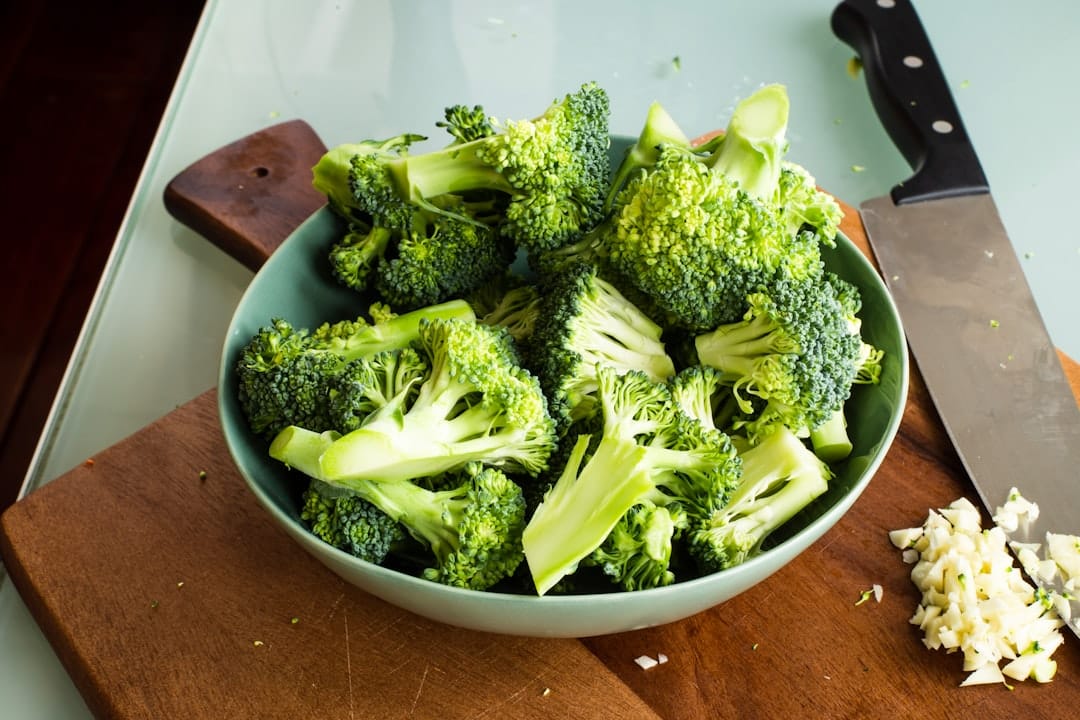
The odor shows up when those gases meet traces of sulfur left behind by certain foods. Processed items and dairy can leave sulfur compounds in the gut, and the reaction produces that unmistakable rotten-egg breath. Eating red meat or vegetables like asparagus, broccoli, and garlic makes it more likely.
For perspective on how common burping is in general, a survey of 2,000 U.S. adults found that 20% burped and wished they could stop. Among those, most treated it as a habit rather than a crisis, though roughly a third called it at least somewhat of a problem.
What’s Behind Sulfur Burps
There isn’t a single cause you can point to. Diet and lifestyle usually work together, and the fix depends on which factor is driving it for you.
Sulfur-Rich Foods
 Save
Some foods simply carry more sulfur, and your gut turns that into smelly gas. The usual suspects:
Cruciferous vegetables, garlic, and onions — naturally high in sulfur compounds.
Dairy — if you’re lactose intolerant, milk and cheese can upset digestion and set off sulfur burps.
Carbonated drinks — all that fizz adds gas to your stomach, which has to go somewhere.
None of these are unhealthy foods to avoid forever. It’s more about noticing which ones line up with your burps.
Everyday Habits
How you eat and what else you put in your body counts as much as the food itself.
Eating too fast is a big one. When you rush, you swallow air without realizing it, and that air gets trapped and has to escape. Slowing down helps more than people expect.
Smoking is another. Research links tobacco to acid reflux, and reflux brings on burping. Add the smell of cigarettes and those burps turn especially unpleasant.
Chewing gum can backfire, too. It might cover a bad odor for a minute, but ingredients like sorbitol can trick your body into releasing digestive chemicals, and that produces gas. Alcohol rounds out the list. Beer and other drinks, taken in excess, can trigger gastroesophageal reflux and the burping that comes with it.
How Long Will This Last?
If your sulfur burps come from a meal, anecdotal reports suggest they fade within a few hours up to about a day, roughly the time your body needs to process and clear the compounds behind the smell.
The picture changes if something deeper is going on. When an underlying digestive issue like irritable bowel syndrome is involved, sulfur burps can hang around for weeks or even months. That’s the sort of pattern worth mentioning to a doctor rather than treating at home.
Remedies Worth Trying
Most food-related sulfur burps respond to small changes. Here are ingredients and habits that can help.
Herbal Teas
 Save
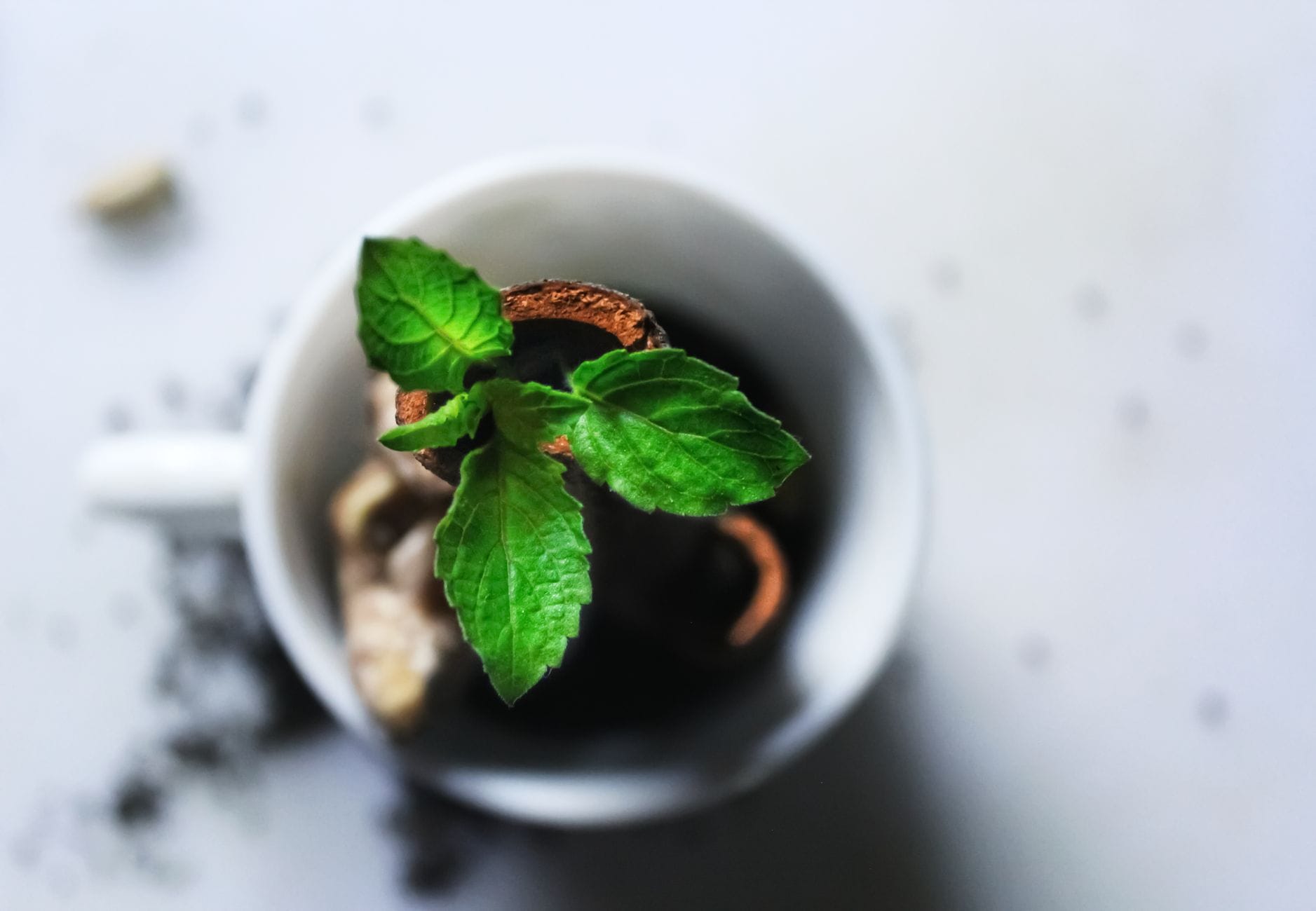
Green tea, peppermint tea, and chamomile tea are old standbys for gas and burping. They’re rich in antioxidants and generally easy on the stomach. Peppermint tea may calm digestive upset, green tea can ease heartburn and a sour stomach, and chamomile is known for soothing discomfort and gently supporting bowel movements. A warm cup after a heavy meal is a low-effort place to start.
Water, and Plenty of It
 Save
Staying hydrated does more than quench thirst. Water helps flush acid-producing bacteria from the intestines and keeps things moving, which adds up to a cleaner digestive tract and fewer sulfur burps. There’s a bonus trick here: drinking a glass about 30 minutes before eating may curb hunger and keep you from overeating, and smaller meals mean less trapped air.
Manuka Honey, Baking Soda, and Apple Cider Vinegar
 Save
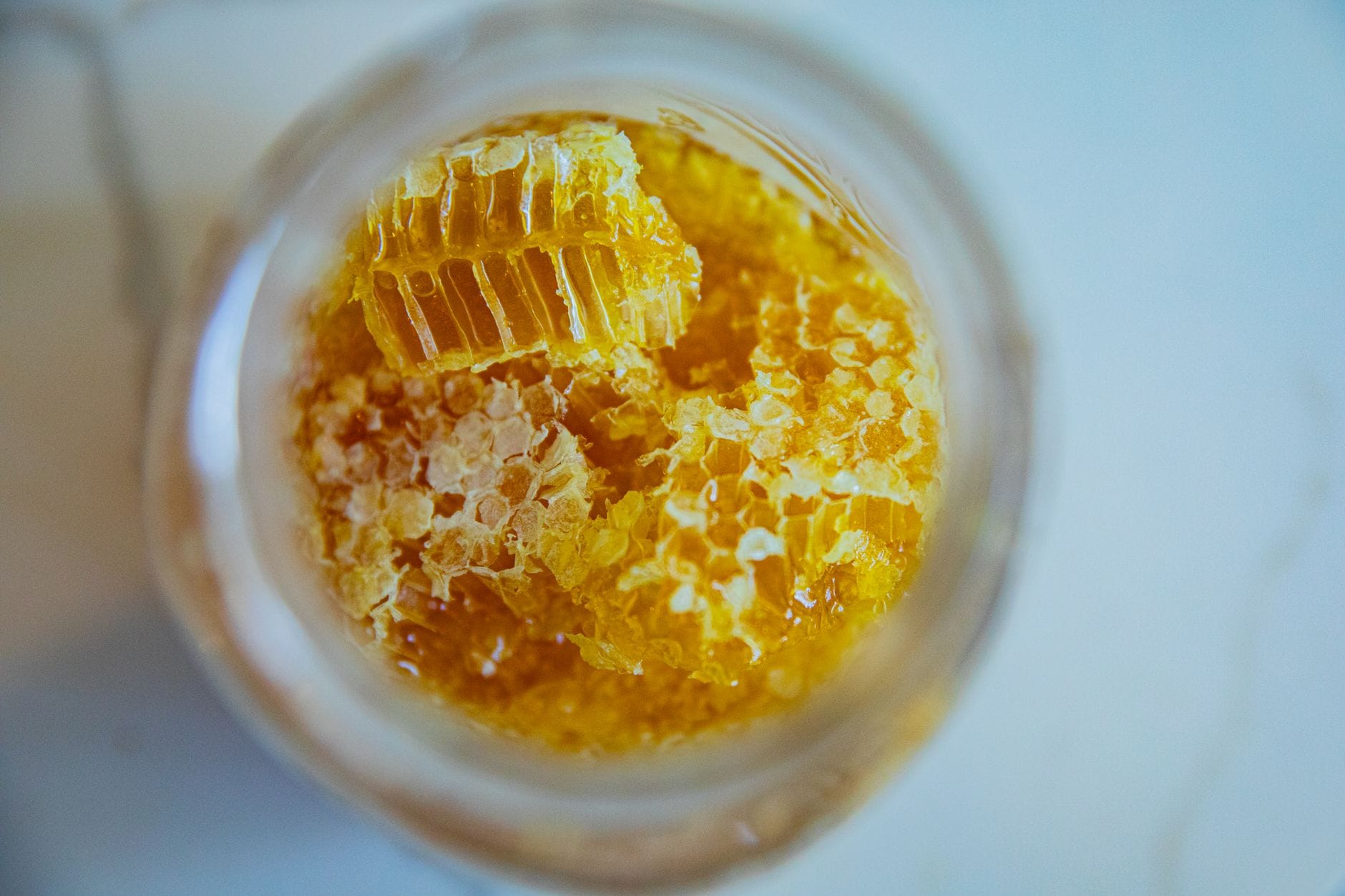
A spoonful of manuka honey has antimicrobial properties and is a traditional remedy for gut trouble; it may help knock back bacteria like E. coli and Salmonella that stir up digestion. Baking soda is another classic. A teaspoon dissolved in a glass of water can ease bloating, burping, and an acidic stomach. Apple cider vinegar rounds it out, since it appears to encourage the enzymes that improve digestion, which can mean smoother bowel movements and less distress overall.
Cut Back on the Usual Triggers
You can’t live on a perfect diet, but trimming a few things helps:
Fast food like burgers and pizza stresses the gut when eaten often, so scale back the frequency.
Sodas and carbonated drinks add gas directly, so they’re worth limiting.
Sugary foods can inflame the digestive tract and leave you bloated and gassy.
Processed foods such as canned meat and frozen sausages are loaded with preservatives that can worsen gut health.
A few habit tweaks go a long way too: eat slowly, skip the gum, and choose smaller portions spread through the day instead of one giant meal.
Frequently Asked Questions
Are sulfur burps ever a sign of something serious?
Usually they’re harmless and food-related. But if they last for weeks or won’t respond to diet changes, that can point to an underlying condition like IBS, and it’s worth seeing a doctor.
Which foods should I cut first to test the cause?
Start with the highest-sulfur options: red meat, garlic, onions, broccoli, and asparagus. If you’re lactose intolerant, pull back on dairy too. Removing one group at a time makes it easier to spot the trigger.
Does drinking water really make a difference?
It can. Water helps clear acid-producing bacteria from the gut and keeps digestion moving, both of which lower the odds of sulfur burps. A glass before meals may also stop you from overeating.
The Bottom Line
Sulfur burps are common, and the rotten-egg smell almost always traces back to food or a habit rather than anything alarming. Sulfur-rich meals, dairy, fast eating, smoking, gum, and alcohol are the frequent triggers, and simple remedies like herbal tea, water, manuka honey, baking soda, and apple cider vinegar often settle things down. Pay attention to which foods and habits line up with your burps, adjust from there, and check in with a doctor if the smell sticks around for weeks or comes with other symptoms.
This article is for general informational purposes only and is not a substitute for professional medical advice. If your symptoms are persistent, severe, or accompanied by other concerns, please consult a qualified healthcare provider.