
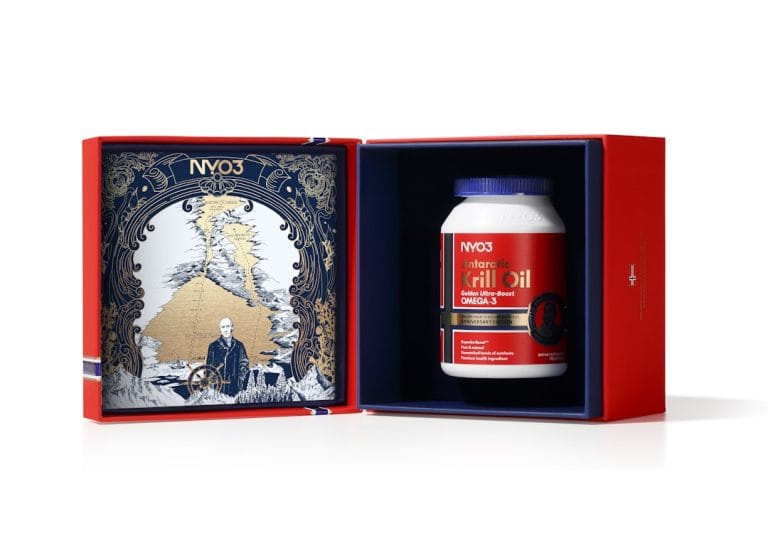
A tiny Antarctic crustacean is quietly muscling in on fish oil’s turf. Here’s why.
Krill are small, shrimp-like creatures that drift through cold ocean waters and feed whales and penguins. Squeeze them for their oil and you get something surprisingly potent: a rich dose of omega-3 fatty acids, plus a red pigment called astaxanthin that fish oil doesn’t carry. That combination is the reason krill oil keeps coming up as an alternative to the more familiar fish oil capsule.
Most people take it as a supplement, usually a small softgel. The research is still young, and several of its claims need more study before anyone can call them settled. Still, a handful of benefits have solid enough footing to be worth a closer look.
Key Takeaways
– Krill oil supplies omega-3 fatty acids along with astaxanthin, an antioxidant pigment with anti-inflammatory activity that fish oil lacks.
– It has been studied for heart health, joint pain, PMS, skin texture, and dry eye, though many findings are early.
– One trial found a 26% drop in triglycerides after 12 weeks, versus 15% on placebo.
– The omega-3s here come partly as phospholipids, which may absorb well when taken with a meal containing fat.
– Common side effects are mild and digestive: bloating, loose stools, nausea, and fishy burps.
First, What Exactly Is Krill Oil?
Krill belong to the Euphausia superba family, the Antarctic species that forms enormous swarms in colder seas. The oil pressed from them contains phosphatidylcholine, a phospholipid-bound fatty acid, alongside the same EPA and DHA omega-3s you’d find in fish oil. The phospholipid packaging is part of what makes krill oil different, and it may be one reason the body takes it up efficiently.
The Benefits Worth Knowing
Rather than march through a checklist, it helps to group these by what the evidence actually supports.
Calmer inflammation
Astaxanthin does two jobs at once. It keeps the oil from going rancid, and inside the body it appears to dial down the molecules that drive inflammation. In animal work, krill oil outperformed fish oil at reducing severe intestinal inflammation and pain, and it seemed to strengthen the gut’s protective barrier while helping cells survive. That anti-inflammatory streak runs underneath most of the other benefits on this list.
Heart and cholesterol support
 Save
SaveThis is where krill oil gets the most attention. Studies have reported lower total and LDL (“bad”) cholesterol, higher HDL (“good”) cholesterol, and reduced triglycerides at higher doses. Pooled data from two randomized trials in 520 people with elevated triglycerides found a 26% reduction after 12 weeks, compared with 15% for a cornstarch placebo. In some head-to-head comparisons, krill oil edged out fish oil for lowering glucose, triglycerides, and LDL, and one study pointed to a possible benefit for blood vessel function in people with type 2 diabetes.
A fair caveat: the broader cardiovascular payoff is still unproven and needs larger, longer trials. If you’re already leaning on omega-3s for heart reasons, it’s reasonable to think of krill oil the way you might weigh other fats in your kitchen, such as the everyday role of a good cooking oil like pomace olive oil in a balanced diet, rather than as a cure on its own.
Easier joints
 Save
SaveKrill oil’s anti-inflammatory effect seems to reach the joints, too. Research suggests it may protect cartilage and hold promise for osteoarthritis. In one human study, 2 grams a day for 30 days eased mild knee pain and stiffness in adults. Rats given krill oil showed lower arthritis scores and less paw swelling, which lines up with the human findings.
Gentler periods
For anyone who dreads that time of the month, the omega-3 load in krill oil may help. It has been linked to less painful cramping (dysmenorrhea) and milder emotional symptoms of PMS. Notably, one study found it more effective than omega-3 from fish oil for managing premenstrual symptoms.
Skin and eyes
Omega-3 phospholipids show up repeatedly in skin research, and astaxanthin’s antioxidant strength may help with hydration, elasticity, and overall skin texture. There’s early support for its role in preventing and treating certain skin conditions.
The eye connection is more specific. Taking krill oil for roughly three months appeared to ease dry eye symptoms like redness and an unstable tear film. The phospholipid form of omega-3 lowered tear osmolarity and improved tear stability in people with dry eye. If you’ve gone looking for gentler remedies before, you may have run into the mixed evidence around older approaches like castor oil for tired eyes; krill oil works from the inside instead.
A nudge for weight
The picture here is thin but interesting. Mice on a high-fat diet gained less weight when given krill oil over ten weeks, hinting at a metabolic effect. If weight is your goal, this overlaps with the wider conversation about how omega-3s may support fat loss, though human proof for krill specifically is limited.
How to Take It
 Save
SaveA capsule with water right after breakfast is the simplest routine. Eat a light breakfast? You can wait until lunch instead. The one thing worth getting right: pair it with a meal that has some dietary fat, since that improves absorption of the EPA and DHA. Some people split the daily dose across two meals to keep their stomach happy and cut down on acidity or discomfort.
How It Actually Works
The fats in krill oil behave much like those in fish oil. They can reduce swelling, lower cholesterol, and make blood platelets less sticky, which means they’re less prone to clot.
The triglyceride story runs through the liver. Long-chain omega-3s lower blood triglycerides in part by slowing how fast the liver churns out VLDL, the particle that carries much of that fat. Krill oil appears to reduce the supply of free fatty acids reaching the liver, partly by quieting the inflammation that releases them from fat tissue, while also nudging muscle, heart, and fat cells to take up and burn more fatty acid.
Side Effects to Watch
For most people, krill oil is well tolerated in moderate amounts. When problems show up, they tend to be digestive. Large doses can bring on stomach cramps, indigestion, nausea, or vomiting, and the oil’s flavor is behind those infamous fishy burps. It may also blunt appetite, sometimes through mild nausea that leaves you feeling full sooner.
Because it can thin the blood, anyone on blood thinners, scheduled for surgery, pregnant, or allergic to shellfish should talk to a clinician before starting.
Krill Oil vs Fish Oil
 Save
SaveBoth deliver EPA and DHA, so the overlap is real. The differences come down to two things. Krill oil carries astaxanthin, which fish oil doesn’t, and it packages some of its omega-3s as phospholipids rather than triglycerides. In several studies those distinctions translated into equal or better results on triglycerides, LDL, glucose, and PMS. Fish oil, on the other hand, has a far deeper research track record and usually costs less per gram of omega-3. Plenty of people, including some longtime supplement users, simply take both.
Frequently Asked Questions
Is krill oil better than fish oil?
Not universally. It has some edges, such as astaxanthin and possibly better absorption, and it matched or beat fish oil in certain studies. But fish oil is cheaper and far more studied. The right pick depends on your budget and goals.
When should I take krill oil?
With a meal that contains fat, most easily after breakfast. The fat helps your body absorb the omega-3s, and eating alongside it lowers the odds of an upset stomach.
Can I take krill oil if I’m allergic to shellfish?
No, not without medical clearance. Krill are crustaceans, so the oil may trigger a reaction. Check with your doctor first.
The Bottom Line
Krill oil is a compact source of omega-3s with an antioxidant bonus that fish oil can’t match. The evidence is most encouraging for triglycerides, joint comfort, PMS, and dry eye, while the bigger heart and weight claims still await stronger proof. If you tolerate it and take it with a fatty meal, it’s a reasonable addition to a well-rounded diet. Just don’t expect it to do the work that food, movement, and sleep are meant to do.
This article is for informational purposes only and is not a substitute for professional medical advice. Talk to a qualified healthcare provider before starting any supplement, especially if you are pregnant, taking blood thinners, allergic to shellfish, or managing a health condition.