
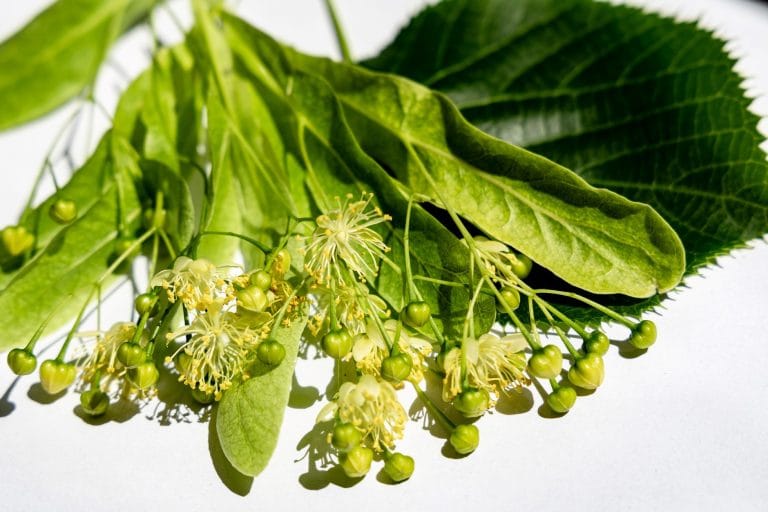
A caffeine-free herbal brew with a long history of quieting frayed nerves.
There’s something disarmingly simple about wrapping your hands around a warm mug at the end of a long day. If you want that ritual without the jolt of caffeine, linden tea is worth a look. It’s made by steeping the dried flowers, leaves, and bark of the linden tree, a relative of the lime tree, and people have turned to it for its gentle, calming reputation for centuries. Beyond the pleasant floral aroma, it carries a handful of plant compounds that researchers have started to study more closely.
None of this makes it a cure for anything. But as a soothing, zero-calorie drink with a few plausible perks, it earns its place on the shelf next to your chamomile.
Key Takeaways
– Linden comes from Tilia species, or lime trees, that grow across temperate parts of Europe, North America, and northern Asia.
– Its active compounds may promote relaxation and sleep, calm inflammation, and dull mild pain.
– It has also been used traditionally for coughs, colds, and mild digestive complaints.
– Regulators consider linden flowers generally safe in moderate amounts.
– It can cause drowsiness, may trigger pollen allergies, and should be kept away from infants because of a small botulism risk.
What Linden Tea Actually Is
Linden is an herb drawn from various species of Tilia, the lime tree, found in temperate regions across three continents. Folk healers have leaned on it for a long list of complaints. Flowers from two species in particular, Tilia cordata and Tilia platyphyllos, were traditionally used to steady the nerves and ease anxiety, irregular heartbeats, and stomach upset. You’ll still find linden tucked into plenty of cough and cold remedies today.
The good stuff lives in the flowers, bark, and leaves. That mix of active ingredients is what gives the tea its reputation, so it’s worth walking through what the evidence actually supports.
The Health Benefits Worth Knowing About
Calmer nerves and better sleep
This is linden’s headline act. Some of its active components appear to mimic GABA, a brain chemical that helps you settle and relax. Animal research has also pointed to sedative effects from linden extracts, which is part of why a cup shows up in so many bedtime routines. If you find winding down hard, a warm, sleepy-making drink an hour before bed is a low-risk thing to try.
A source of anti-inflammatory antioxidants
Chronic inflammation sits underneath a lot of long-term health problems, from diabetes to certain cancers. Linden flowers and buds contain quercetin, kaempferol, and tiliroside, antioxidants that help mop up the free radicals that drive inflammation. The catch: how much of these compounds ends up in your cup varies a lot depending on steep time and whether you use loose flowers or bags. The lab findings are promising, but that variability means it’s hard to promise a specific dose.
Mild pain relief
 Save
Quercetin and tiliroside may do double duty on pain and swelling. In one study, mice with swollen paws given tiliroside based on their body weight saw swelling drop by about 27% and pain by roughly 31%. Separately, women with rheumatoid arthritis who added quercetin to their diets reported meaningful improvement in pain and inflammation. Real people drinking real tea won’t get a measured supplement dose, so treat this as gentle support rather than a substitute for actual treatment.
Sweating, fluids, and blood pressure
Linden has a traditional reputation as a diaphoretic and diuretic, meaning it may encourage sweating and help the body shed excess fluid. In Germany, linden infusions are a common home remedy for colds in adults and children over four, an effect often credited to kaempferol, quercetin, and p-coumaric acid. There’s also early animal work suggesting tiliroside may help regulate the heart’s contractions and nudge systolic blood pressure down. The evidence here is thin, and linden is no replacement for prescribed heart or blood-pressure medication.
A settled stomach
 Save
Warm hydration on its own can help move food comfortably through the gut, and linden tea may ease that passage and quiet minor stomach discomfort. This one is more folk wisdom than proven fact, so keep expectations modest.
Brewing a Cup at Home
 Save
Making linden tea takes about ten minutes and no special equipment. A cup is rich in antioxidants and has essentially zero calories.
Add about 1 gram of loose linden tea to an infuser.
Boil roughly 150 ml of water.
Place the infuser in your cup and pour the freshly boiled water over it.
Let the flowers steep for 5 to 10 minutes, longer if you like a stronger, more aromatic cup.
Finish with a squeeze of lemon or a little honey if you want.
In summer, steep a few bags in warm water, let them cool, and leave them in the fridge overnight for an easy iced version. One blogger who grew up with it in Romania described linden as the closest thing she knew to the British idea of comfort tea, something you reach for in sickness and in health.
Keeping Your Linden Tea Fresh
 Save
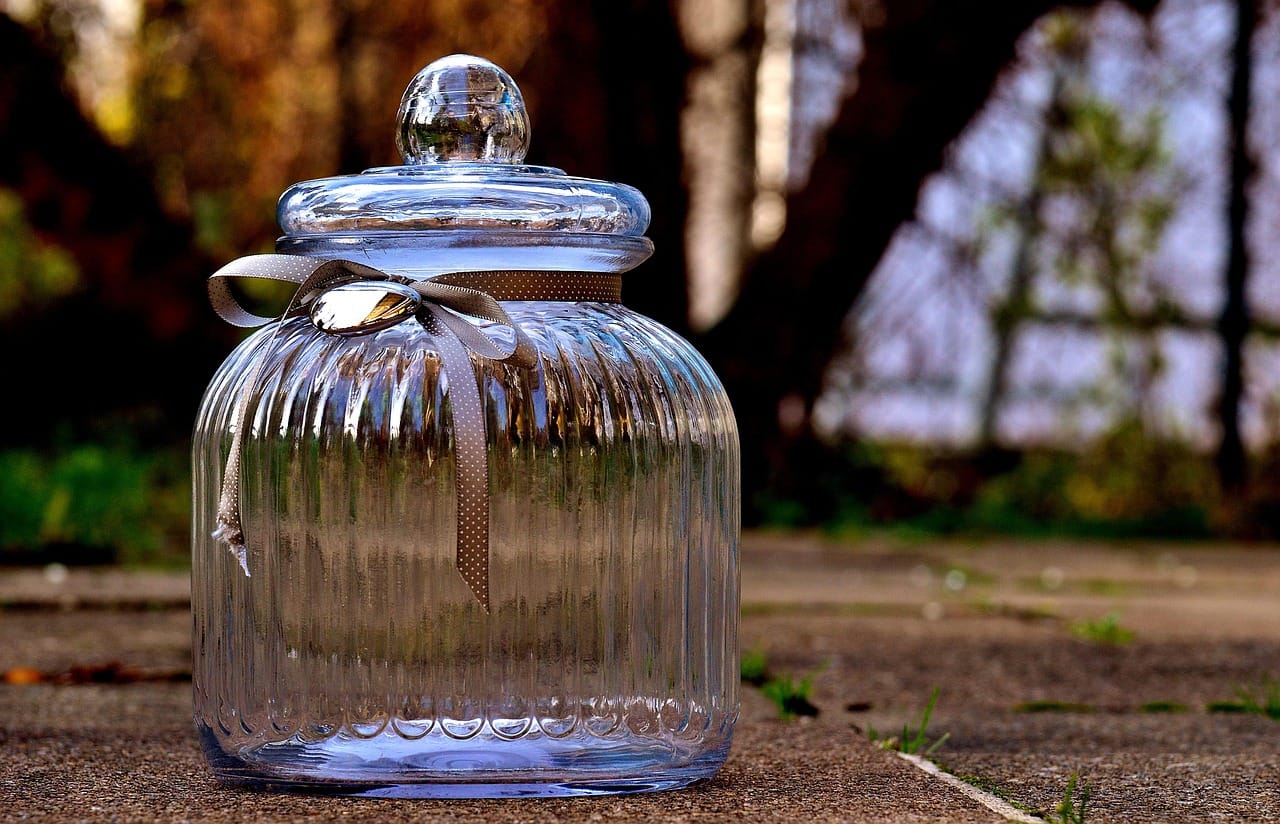
Loose flowers keep best in an airtight glass container stored somewhere cool and dark, away from sunlight, heat, and moisture. For tea bags, reseal the original packaging if you can, or move them into an airtight container or a zip-top bag in a dry spot. Give the tea an occasional check for mold or any off smell, and toss it if anything seems wrong.
Who Should Be Careful
Both the FDA and the European Medicines Agency treat linden flowers as generally recognized as safe in moderate amounts. That’s reassuring, but a few groups should still think twice.
Anyone on diuretics. Because linden may flush out salt and fluid, pairing it with diuretic medications or foods can push you toward dehydration.
Babies and infants. Linden can carry small amounts of Clostridium botulinum spores, which raise the risk of infant botulism, a rare but serious illness. Keep it away from the very young.
Pregnant and breastfeeding women, and children. Its safety in these groups hasn’t been established, so the cautious move is to skip it.
Anyone who needs to stay sharp. The same sedative quality that helps you sleep can leave you drowsy behind the wheel or at work.
People with pollen allergies. The pollen in linden flowers can set off allergic symptoms in sensitive drinkers.
Frequently Asked Questions
Does linden tea have caffeine?
No. It’s naturally caffeine-free, which is part of why it’s popular as an evening drink.
How much linden tea is safe to drink in a day?
There’s no official cap, and regulators consider moderate use safe. Because it can act as a mild diuretic and cause drowsiness, it’s sensible to keep to a cup or two and see how you feel rather than drinking it all day.
Can linden tea replace my blood pressure medication?
No. Any effect it has on blood pressure is early-stage and unproven in people. Keep taking prescribed medication and talk to your doctor before adding linden.
The Bottom Line
Linden tea is an easy, comforting habit with a genuinely long track record. The most consistent case is for relaxation and sleep, with softer support for calming inflammation, easing mild pain, and settling the stomach. Much of the research still leans on animal studies and variable brews, so read the benefits as gentle rather than guaranteed. Brew it well, store it right, and steer clear if you’re pregnant, nursing, allergic to pollen, or pouring a cup for a baby.
This article is for general information only and is not a substitute for professional medical advice. Talk with a qualified healthcare provider before using linden tea to treat any condition, especially if you are pregnant, breastfeeding, taking medication, or managing a health problem.