
A practical look at what a low cholesterol diet really involves, and why it matters more than most of us think.
High cholesterol is quiet. It causes no pain, no obvious symptoms, nothing you would notice in the mirror. Yet according to the CDC, roughly 86 million American adults have cholesterol above 200 mg/dl, a level considered high. Left unchecked, elevated LDL cholesterol contributes to plaque buildup in the arteries, which raises the risk of heart disease and stroke.
The encouraging part is that food is one of the strongest tools you have. A low cholesterol diet is less about deprivation and more about swaps: different fats, more fiber, fewer ultra-processed foods. Here is how it works and how to make it stick.
Key Takeaways
– Cholesterol is a waxy substance your body needs for cell membranes, hormone production, and digestion. It only becomes a problem in excess.
– It travels in two main forms: LDL (the “bad” kind linked to clogged arteries) and HDL (the “good” kind that helps clear excess cholesterol).
– High cholesterol can stem from diet, inactivity, genetics, obesity, smoking, alcohol, or conditions like diabetes and hypothyroidism.
– Cutting saturated and trans fats, refined carbs, and sugary drinks while adding soluble fiber and unsaturated fats can meaningfully lower LDL.
– This is a long-term eating pattern, not a quick fix, and it is not intended for growing children or pregnant and breastfeeding women.
What Cholesterol Actually Does
 Save
Cholesterol gets a bad reputation, but your body cannot function without it. This fatty, waxy substance sits in every cell and helps build cell membranes, produce hormones such as estrogen and testosterone, and support digestion.
Because fat cannot dissolve in blood, cholesterol travels inside carriers called lipoproteins. Low-density lipoprotein (LDL) delivers cholesterol to your tissues, and when there is too much of it, the excess can lodge in artery walls as plaque. That narrowing restricts blood flow and raises the risk of heart disease and stroke. High-density lipoprotein (HDL) does the opposite job, ferrying surplus cholesterol back for disposal, which is why healthy HDL levels are associated with lower heart disease risk.
The goal is not to eliminate cholesterol. It is balance.
Why Levels Creep Up
Since high cholesterol produces no symptoms, regular blood tests are the only reliable way to catch it. Several factors push levels upward, and most people have more than one at play.
Diet is the obvious one. Foods heavy in saturated and trans fats, think fried foods, processed snacks, and fatty red meat, can raise LDL. Some dietitians argue the picture is more nuanced, pointing to research suggesting saturated fat may have a more neutral effect and that sugar and refined carbohydrates deserve more of the blame. This part is less settled than the headlines suggest, but limiting both is a reasonable hedge.
Beyond food, a sedentary lifestyle, excess body weight, smoking, and heavy alcohol intake all nudge cholesterol in the wrong direction. Genetics matter too. If high cholesterol runs in your family, getting tested early makes management far easier. Certain conditions, including diabetes, hypothyroidism, and kidney disease, are also linked to unhealthy lipid levels.
Does Food Really Move the Needle?
 Save
Yes, and more than most people expect. What you eat directly influences both LDL and HDL. Diets rich in soluble fiber, unsaturated fats, and plant sterols tend to lower LDL, while oily fish like salmon and a regular handful of nuts can support HDL.
One surprise for many readers: dietary cholesterol itself, the kind in egg yolks, has a smaller effect on blood cholesterol than the saturated and trans fats that often accompany animal foods. Most cholesterol in the diet comes from animal products, but the fats and refined carbs around them appear to matter more than the cholesterol number on the label.
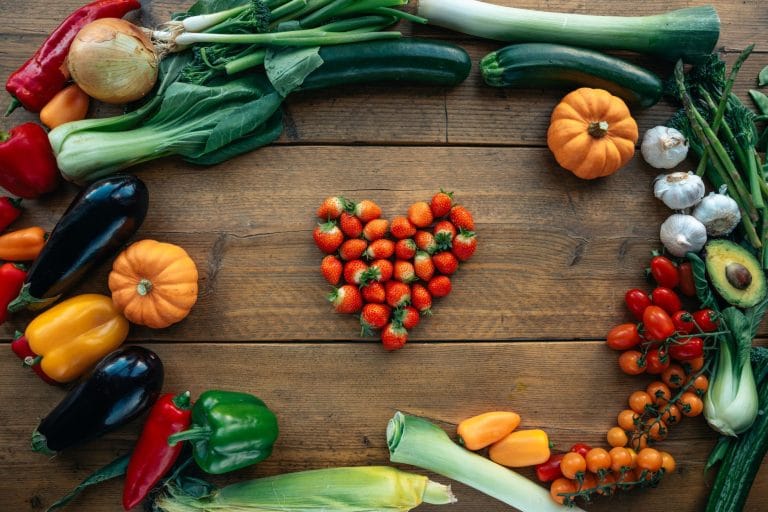
Among proven eating patterns, the Mediterranean diet stands out. It centers on fruits, vegetables, whole grains, nuts, seeds, and olive oil while limiting butter, red meat, and processed foods. The NHLBI’s Therapeutic Lifestyle Changes (TLC) plan follows similar logic.
Foods That Do the Heavy Lifting
 Save
You do not need exotic ingredients. Build most meals from this list and the numbers tend to follow:
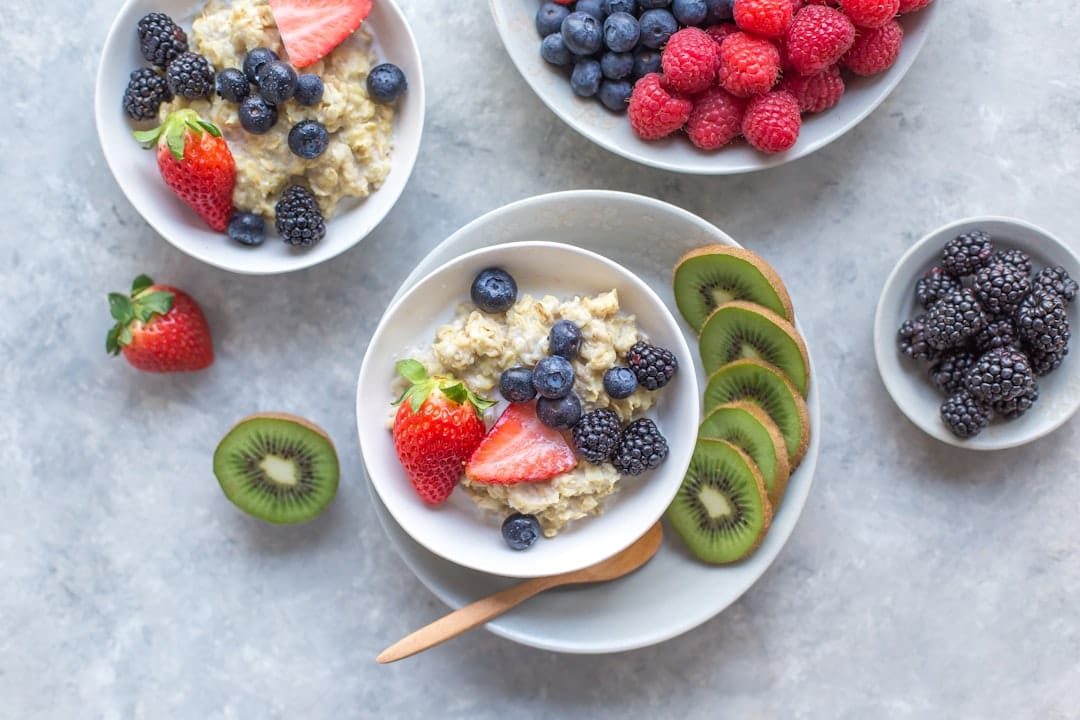
Oats, barley, beans, and lentils for soluble fiber
Fruits and vegetables, the more variety the better
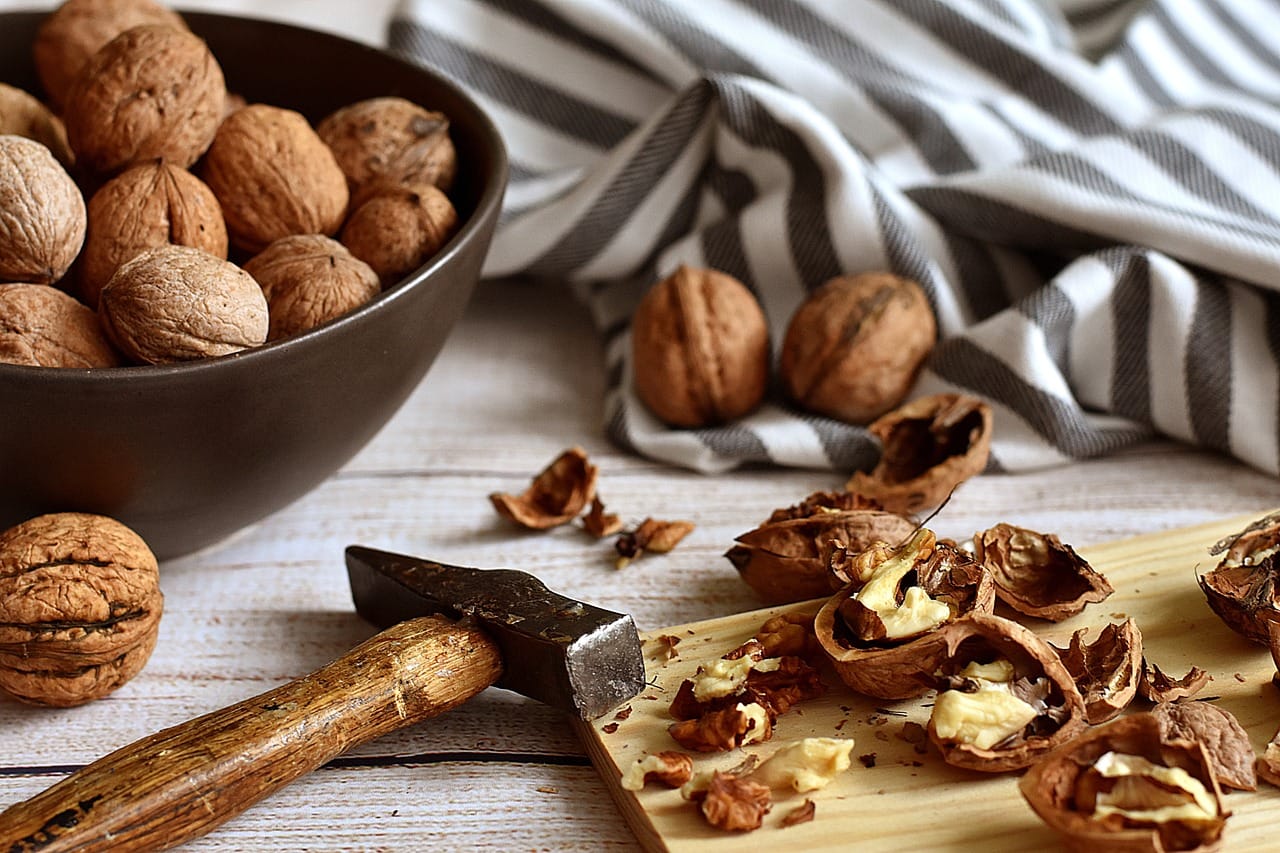
Nuts and seeds in small daily portions
Oily fish such as salmon a couple of times a week
Olive oil in place of butter
Plant-based proteins standing in for some red meat
On the other side of the ledger, cut back on fried foods, packaged baked goods, processed snacks, sugary drinks, and refined carbohydrates. Trans fats deserve special attention; check labels for “partially hydrogenated” oils and leave those products on the shelf.
Cooking Habits That Make It Easier
 Save
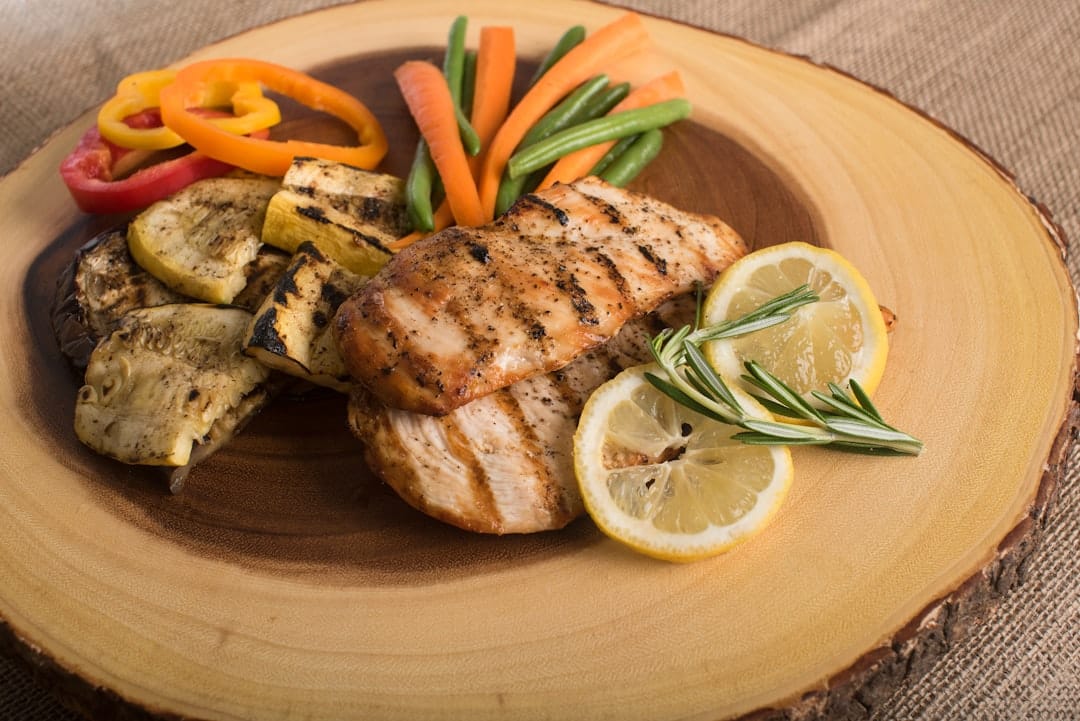
The method matters almost as much as the ingredients. Baking, grilling, steaming, and roasting all work without the added fat of deep frying. Trim visible fat from meat and remove poultry skin before cooking. Swap butter for olive oil in most recipes (you will rarely notice the difference), and try one or two fully plant-based dinners a week built around beans or lentils.
A word of caution: an overly strict version of this diet can risk nutritional gaps, so aim for variety rather than elimination. And people who do not have high cholesterol, growing children, and women who are pregnant or breastfeeding should not restrict this way without medical guidance. Since progress is invisible from the outside, keep up with regular check-ups so you and your doctor can see whether the changes are working.
Frequently Asked Questions
How quickly can diet lower cholesterol?
The timeline varies with genetics, starting levels, and how much you change. A follow-up blood test is the only way to know whether your changes are working.
Do I have to give up eggs?
Not necessarily. Dietary cholesterol has less impact on blood cholesterol than saturated and trans fats do. What surrounds the egg (bacon and buttered toast versus vegetables and whole grains) usually matters more.
Is this diet enough on its own?
For some people, yes. For others, especially those with a strong family history, diet works best alongside exercise, weight management, and sometimes medication. Your doctor can help you judge based on your numbers.
The Bottom Line
A low cholesterol diet is really just a heart-smart way of eating: more fiber, better fats, fewer processed foods, and cooking methods that skip the deep fryer. Because high cholesterol has no symptoms, pair these changes with regular blood tests so you can actually see your progress. Small, consistent swaps beat dramatic overhauls that do not last.
This article is for informational purposes only and is not a substitute for professional medical advice, diagnosis, or treatment. Always consult your physician or a qualified health provider before making changes to your diet, medication, or lifestyle.