
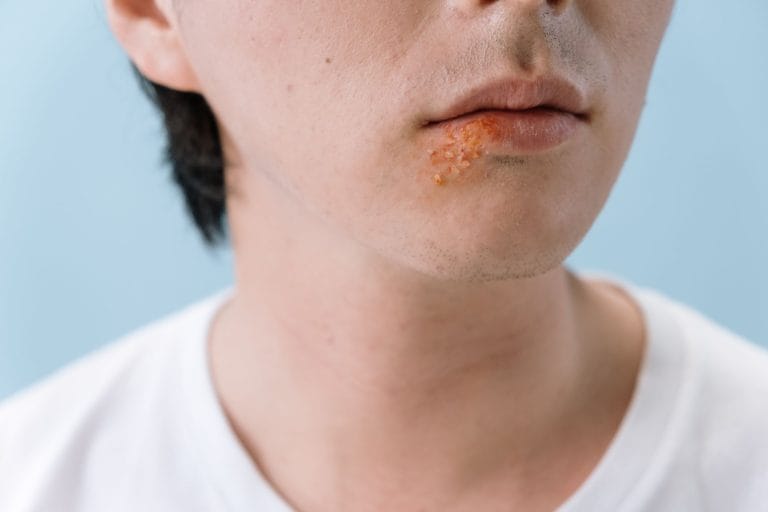
Gentle, pantry-friendly ways to ease the sting, itch, and swelling of a herpes flare.
Herpes is caused by the herpes simplex virus (HSV), and once it settles into the body, there is no known cure that erases it for good. What you can do is make outbreaks less miserable and, in some cases, shorter. When a flare of HSV-1 or HSV-2 arrives, a handful of simple, natural remedies may help calm the burning, itching, and tenderness that come with the sores.
Think of these as comfort measures, not replacements for medical care. Many of the ingredients below are probably already sitting in your kitchen or bathroom cabinet. Used thoughtfully alongside a doctor’s treatment plan and a few supportive lifestyle habits, they can make an outbreak easier to live through.
Key Takeaways
– Herpes produces painful, contagious sores that typically appear around the mouth or on the genitals.
– Ingredients such as tea tree oil, oregano oil, baking soda, and lemon balm carry antiviral properties that may ease symptom severity.
– Lysine supplements may slow the virus from replicating and shorten oral herpes flares, though they do not help genital herpes.
– A nourishing diet and good hydration support the immune system that ultimately keeps the virus in check.
– Natural remedies are best used to complement, not replace, a clinical treatment plan.
Understanding Herpes
The infection takes its name from the virus behind it, the herpes simplex virus. When HSV reaches the body, it slips into the deeper layers of the skin and can travel through the bloodstream, setting up an infection that lingers for life. Oral herpes shows up as sores on the lips, mouth, or face, while genital herpes causes sores in the genital and anal regions. Less commonly, sores can appear on other parts of the body too.
Herpes is far more widespread than many people realize. In a survey of 9,544 US adults, HSV-1 was found in about 47.8% of people and HSV-2 in 11.9%, with prevalence climbing steadily with age.
Home Remedies for Herpes
There is no cure, but antiviral medications, creams, and pills prescribed by doctors can blunt the intensity and frequency of outbreaks. The natural options below may offer added comfort.
Lysine and Lemon Balm
 Save
SaveLysine is an amino acid that appears to interfere with the virus’s ability to copy itself and infect healthy cells, which may reduce both the severity and healing time of oral herpes. A common approach is a 500 mg capsule three times daily until the flare clears, then a single daily capsule for a few months to discourage recurrence. Note that lysine does not help genital herpes.
Lemon balm is soothing on the skin and has demonstrated antiviral effects against the herpes virus. Dab a diluted tincture on the sore with a cotton ball two or three times a day, or sip lemon balm tea.
Tea Tree Oil
 Save
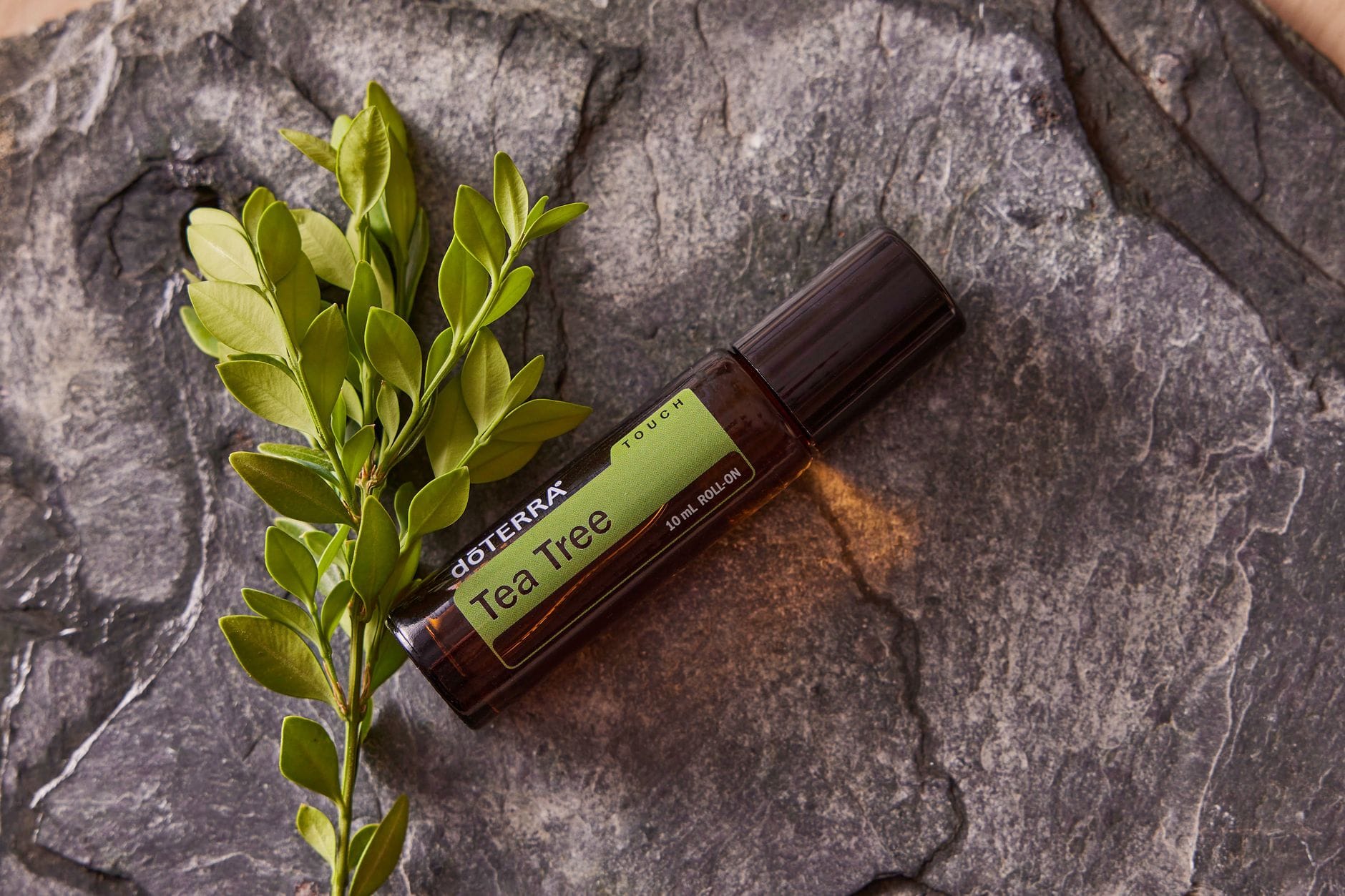
SaveTea tree oil has a long history in skin care and works as an antiviral agent that may help ease the discomfort of sores. Apply a small amount to the affected area with a cotton ball or dropper up to three times a day. Because it is potent and can irritate sensitive skin, always dilute it first with a carrier oil like coconut or olive oil, or with water.
Oregano Oil
The carvacrol in oregano oil drives its antiviral punch, and research suggests it can act even against herpes strains that have grown resistant to aciclovir. It also offers anti-inflammatory and pain-relieving benefits. Apply a drop or two with a cotton ball, let it air-dry, and repeat two to three times daily.
Aloe Vera Gel
 Save
SaveAloe vera contains dozens of active compounds that comfort the skin. Fresh gel scooped from a leaf, or a good organic store-bought version, can reduce inflammation, moisturize, provide antiseptic and antiviral action, and speed healing. Apply with clean fingers, let it dry, and repeat three times a day.
Drying and Soothing Soaks
Baking soda: A cotton ball dipped in a baking soda–water solution and dabbed on oozing sores may dry them and calm the skin, thanks to its mild antiseptic nature. Use fresh cotton each time. For genital herpes, a cup of baking soda in a warm bath for 10–15 minutes can help.
Epsom salt: A 15-minute soak in an Epsom salt bath eases itching and pain and helps dry sores because the salt draws out moisture. Avoid very hot water on sensitive areas, which can worsen inflammation.
Herbal and Kitchen Allies
 Save
SaveEchinacea: Sipped as a tea up to four cups a day, this herb has antiviral activity and may nudge the immune system into a stronger defense.
Olive oil: Warmed with a little lavender oil and beeswax into a salve, olive oil’s antimicrobial and antiviral properties can relieve pain and itching when dabbed on sores.
Everyday Support
Remedies work best when your immune system is strong. A balanced, nutrient-rich diet and plenty of water give your body a better footing to keep the virus dormant and recover from flares more quickly.
Frequently Asked Questions
How long do herpes sores usually last?
Outbreaks vary in length from person to person. Supportive remedies and antiviral treatment may help shorten a flare and ease discomfort.
Can these remedies cure herpes?
No. There is no cure for herpes. These approaches aim to soothe symptoms and support healing, ideally alongside a clinician’s plan.
Does lysine work for genital herpes?
Lysine may help with oral herpes by slowing viral replication, but it is not considered effective for genital herpes.
The Bottom Line
Herpes is a lifelong, manageable infection rather than a permanent emergency. While no home remedy eliminates the virus, options like lysine, tea tree oil, oregano oil, aloe vera, baking soda, and Epsom salt soaks may take the edge off outbreaks. Pair them with good nutrition, hydration, and your doctor’s guidance, and dilute potent oils before use to protect your skin.
This article is for informational purposes only and is not a substitute for professional medical advice, diagnosis, or treatment. Always consult a qualified healthcare provider about any medical condition or before starting a new remedy.