

A warm, practical guide to eating more plants — and why your body will thank you.
If you have ever wondered whether filling your plate with more fruits, grains, and greens could genuinely change how you feel, the research offers an encouraging answer. A plant-based diet builds meals around foods that grow from the earth — vegetables, fruits, whole grains, legumes, nuts, and seeds — while trimming back or leaving out animal products like meat, dairy, fish, and eggs.
People come to this way of eating for different reasons. Some want to lose weight or protect their heart, others care about the planet’s resources or the welfare of animals. Whatever draws you in, a well-planned plant-based diet is an accessible, long-term habit that rewards you with real, measurable health gains.
Key Takeaways
– A plant-based diet emphasizes whole, minimally processed plant foods and limits or excludes meat, dairy, fish, and eggs.
– It is linked to a healthier heart, sharper brain function, better blood sugar control, and a longer life.
– Its abundance of fiber, antioxidants, and anti-inflammatory compounds supports immunity, digestion, and cancer prevention.
– Going plant-based can be gradual — small swaps add up, and a stocked kitchen makes it sustainable.
– People with existing nutrient deficiencies should plan carefully, as a poorly balanced version may fall short on certain nutrients.
What Is a Plant-Based Diet?
At its heart, a plant-based diet is simply an eating pattern that puts plants first. Rather than counting on steak or cheese to anchor a meal, you lean on colorful produce, hearty grains, and protein-rich legumes.
Think of these foods as nature’s multivitamins. Each color on your plate signals a different mix of vitamins, minerals, fiber, and antioxidants. Because the approach favors natural, unprocessed foods over sugary, greasy, and heavily refined options, it tends to be naturally low in saturated fat and cholesterol — one reason it earns its reputation as heart-friendly and weight-friendly.
Health Benefits of a Whole-Food Plant-Based Diet
The evidence behind plant-based eating keeps growing. Here are nine benefits worth knowing.
Protects Your Heart
 Save
SaveThis may be the diet’s best-known perk. Research shows that eating this way can meaningfully lower key heart-disease risk factors, including high LDL (“bad”) cholesterol and elevated blood pressure (1). A study in the Journal of the American Heart Association found that people following a plant-based pattern had a reduced risk of developing heart disease — thanks to the absence of animal saturated fats and the presence of protective fiber, antioxidants, and healthy unsaturated fats (2).
Supports Brain Health
 Save
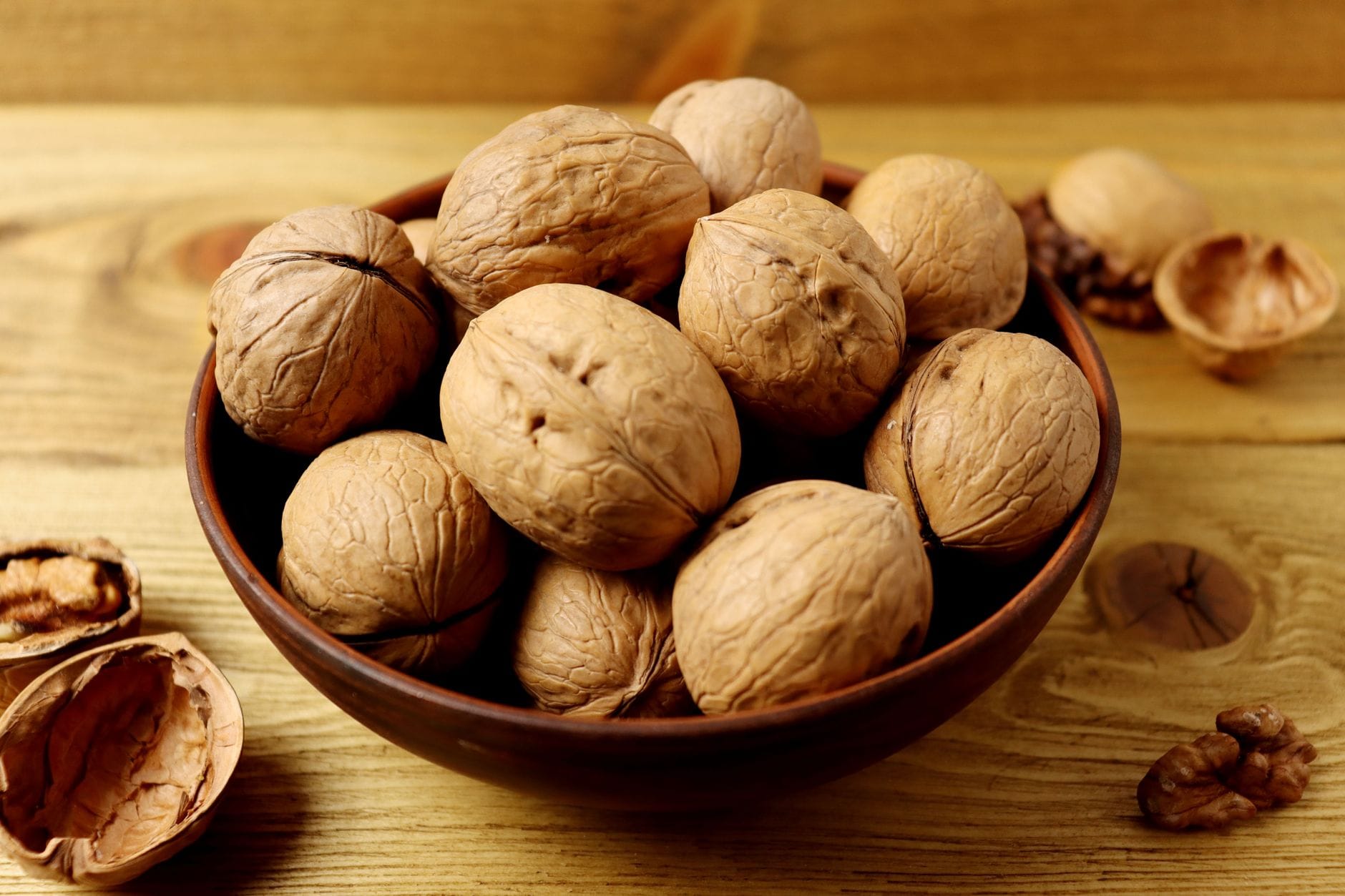
SaveYour brain benefits too. A 2017 study in Frontiers in Aging Neuroscience reported that people who ate plenty of plant foods performed better on cognitive tests and were less prone to age-related memory decline (3).
Helps Manage Type 2 Diabetes
Whole-food plant-based diets show real promise for preventing and managing type 2 diabetes (4). The generous fiber content improves insulin sensitivity and steadies blood sugar (5). Research in the Journal of Geriatric Cardiology found a lower diabetes risk among plant-based eaters (6). Cutting back on processed foods high in refined sugar and unhealthy fat only strengthens that effect.
May Lower Cancer Risk
A varied plant-based diet is associated with reduced risk of certain cancers (7). Rich in antioxidants and fiber, these foods appear protective against breast, prostate, and colon cancers (8) — partly because plant compounds counter cancer-promoting processes, and partly because the diet leaves out processed meats and high-fat animal products.
Fuels a Longer Life
Sticking with a whole-food plant-based pattern is linked to living longer. Studies show a lower risk of early death among people who eat this way (9). The diet’s combined effect on heart health, weight, chronic-disease prevention, and inflammation adds up to meaningful support for a longer, healthier life.
Strengthens Immunity and Calms Inflammation
Plant foods deliver vitamins, minerals, and phytonutrients that reinforce your body’s defenses against infection and illness (10). They also contain anti-inflammatory compounds like polyphenols and omega-3 fatty acids, which help lower inflammation markers tied to heart disease and diabetes (11). On top of that, being lower in dietary cholesterol, plant foods help improve your overall cholesterol profile (12).
Nurtures Gut Health
 Save
SaveFiber, prebiotics, and polyphenols in plant foods feed the beneficial bacteria in your gut (13). The payoff is smoother digestion, better nutrient absorption, and less digestive discomfort — small daily wins that support your whole-body health.
How to Start a Plant-Based Diet
 Save
SaveYou do not need to overhaul everything overnight. Try these steps:
Learn the basics. Understanding why plants matter keeps you motivated when cravings hit.
Pick your pace. Some people ease in by slowly reducing meat and dairy; others switch all at once. Choose what feels realistic for you.
Plan your meals. Sketch out a week of varied dishes built from fruits, vegetables, whole grains, legumes, nuts, and seeds, and experiment with new recipes.
Stock your kitchen. Keep staples like beans, lentils, quinoa, tofu, and fresh produce on hand.
Read labels. Hidden animal ingredients — gelatin, rennet, whey — lurk in some processed foods.
Find easy swaps. Tofu, tempeh, almond milk, and veggie burgers stand in beautifully for meat, dairy, and eggs.
Eat out smartly. Most restaurants now offer vegan and vegetarian choices — scan the menu before you go.
Frequently Asked Questions
Do I have to give up meat completely?
No. A plant-based diet is about emphasis, not perfection. Many people reduce animal products gradually and still enjoy the benefits of a plant-forward plate.
Will I get enough protein?
Yes — legumes, tofu, tempeh, nuts, seeds, and whole grains all supply protein. Eating a variety across the day helps you cover your needs comfortably.
Who should be cautious with this diet?
Anyone with existing nutrient deficiencies should plan carefully or check with a professional, since a poorly balanced plant-based diet can fall short on certain nutrients.
The Bottom Line
A plant-based diet plan is one of the most rewarding, well-researched ways to eat for your long-term health. By centering whole, colorful plant foods and easing back on animal products, you support your heart, brain, gut, blood sugar, and immune system all at once — while treading more lightly on the planet. Start small, stock your kitchen, and let each plant-rich meal build on the last.
This article is for informational purposes only and is not a substitute for professional medical advice. Consult a qualified healthcare provider or registered dietitian before making significant changes to your diet, especially if you have a health condition or nutrient deficiency.