
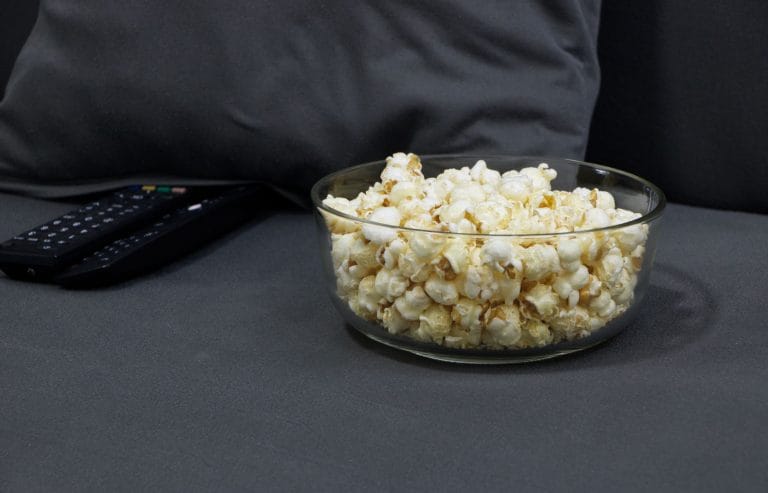
A movie-night favorite that happens to be a whole grain, with real perks and a few catches.
Popcorn has a reputation problem. Most people file it next to chips and candy, the stuff you eat while ignoring the fact that you’re eating it. But strip away the theater butter and the neon cheese powder, and what’s left is a puffed-up whole grain with a surprisingly respectable nutrient profile.
The catch is in the preparation. Air-popped and lightly seasoned, popcorn is one of the more sensible snacks you can reach for. Drenched in butter and salt, it becomes the junk food everyone assumes it already is. Here’s what the research actually says about the good, along with the downsides worth keeping in mind.
Key Takeaways
– Popcorn is a low-calorie whole grain, with roughly 31 calories in a one-cup (8 g) serving of the air-popped kind.
– Its fiber may ease constipation, support gut health, and help you feel full longer.
– Whole grains like popcorn are linked to lower heart-disease risk and a lower chance of inflammatory bowel disease.
– The plant polyphenols in popcorn survive popping and may help protect skin from oxidative damage.
– Butter, salt, and heavy oils cancel out much of the benefit, and butter-flavored microwave popcorn carries its own rare risks.
Popcorn Begins as a Whole Grain
 Save
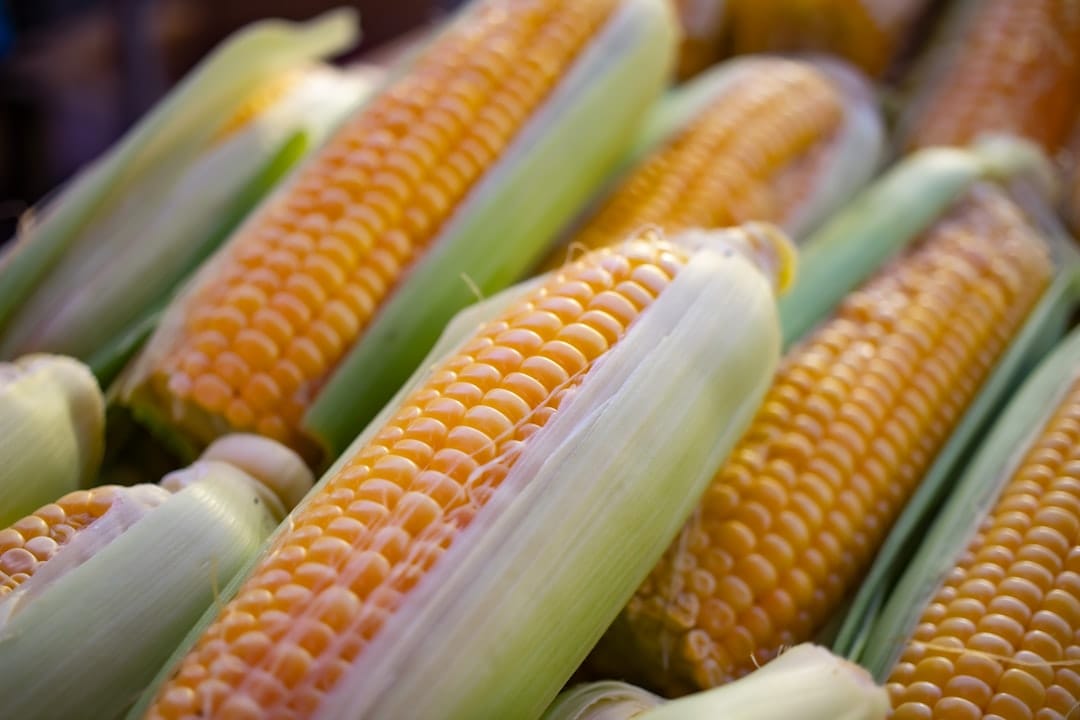
Popcorn is simply certain strains of corn (Zea mays) whose starchy kernels burst open when heated. Because you eat the whole kernel, you get the bran, germ, and endosperm together, which is what earns it the “whole grain” label that so many snack foods can only wish for.
The numbers hold up. Per 100 grams, popcorn delivers:
387 kcal of energy, with only 4.54 g of fat and 12.9 g of protein
14.5 g of fiber, a genuinely high amount for a snack
144 mg magnesium, 358 mg phosphorus, and 329 mg potassium
Useful iron (3.19 mg), zinc (3.08 mg), and a touch of vitamin B6
That mineral spread is one reason popcorn slots so easily into the broader habits of eating well rather than working against them. The important word, as always, is plain.
Why Popcorn Helps With Weight Management
 Save
If you’re watching your intake, popcorn has a quiet advantage: it fills you up. Studies rate it about 1.6 times more satiating than potato chips, which means a modest portion tends to quiet hunger better than a comparable handful of crisps. Combine that with those 31 calories per air-popped cup, and you have a snack that gives you volume and crunch without much of a caloric bill.
Seasoning is where people either help or hurt themselves. A little spice, herbs, or a scattering of nuts keeps things interesting and nutritious. A flood of butter does the opposite. Popcorn is one of several everyday foods that have been looked at in the context of appetite and fat loss, alongside options like omega-3 rich fish oil, and in each case the effect depends on the rest of your diet, not the single food.
Fiber, Digestion, and a Calmer Gut
The fiber that makes popcorn filling also does work further down. Adequate dietary fiber is a well-established way to prevent and relieve constipation in both children and adults, and research from the University of Miami found that corn fiber improved laxation and reduced abdominal discomfort.
There’s a bigger-picture signal too. In a survey of more than 33,000 people, those who regularly ate whole grains, milk, and popcorn were less likely to be diagnosed with inflammatory bowel disease, while heavy consumers of fries and junk food carried a noticeably higher risk. The direct evidence linking popcorn specifically to constipation relief is still thin, so treat this as a supporting role rather than a cure.
What It May Do for Your Heart
 Save
Whole-grain cereals like maize are associated with fewer coronary heart-disease risk factors. Part of the reason is the fiber, which can help lower LDL (“bad”) cholesterol, and part is what popcorn doesn’t contain: much saturated fat. Maize also supplies polyunsaturated oil, part of the same broad family of plant-based cooking oils you’ll find in pantry staples like peanut oil. None of this is a license to eat popcorn by the bucket, but as a swap for saltier, fattier snacks, it points in a helpful direction.
Antioxidants for Your Skin
 Save
Popcorn carries polyphenols, plant antioxidants that push back against oxidative stress. What’s notable is that popping doesn’t destroy them. When researchers measured phenolic content in raw versus popped kernels, the antioxidant levels held steady through the heat, so the snack in your bowl is still a decent polyphenol source.
Why care? Dietary polyphenols have been linked to protection against UV-induced skin photodamage and a lower risk of skin cancer. The evidence here is more about the compound class than about popcorn specifically, and more research is needed before anyone calls it a skincare food. Still, it’s a nice bonus riding along with the fiber.
A Small Mood Angle
Corn contains tryptophan, an amino acid the body uses to make serotonin, the neurotransmitter tied to feelings of well-being. A tryptophan-rich diet may influence brain serotonin levels, which hints that popcorn could play a bit part in mood. This one is less settled. The link between food and mood is tangled up with genetics and individual differences, so think of popcorn as a pleasant, tryptophan-carrying snack, not an antidepressant.
The Downsides Worth Knowing
Popcorn isn’t risk-free, and a few of its problems are worth naming plainly.
Digestive blockages. Whole kernels can occasionally form a phytobezoar, a hardened mass that may cause bowel obstruction, with symptoms ranging from cramping and reflux to nausea and vomiting. People with existing gastrointestinal disorders should be cautious.
“Popcorn lung.” Butter-flavored microwave popcorn can contain diacetyl, a compound linked to bronchiolitis obliterans, whose symptoms include shortness of breath and wheezing. It’s rare, and mostly tied to large inhaled exposures, but it’s a real reason to favor the air-popped version.
Corn allergy. If you react to corn, skip popcorn entirely. A swollen mouth or trouble breathing is a medical emergency.
Portion sense covers the rest. A standard serving is about one ounce, roughly three cups air-popped, and it’s easy to blow past that without noticing.
Frequently Asked Questions
Is air-popped popcorn really better than microwave popcorn?
Generally, yes. Air-popped popcorn skips the added oils and, importantly, the butter flavoring that can contain diacetyl. You control the salt and fat, which keeps the calorie count and the risks low.
Can people with diabetes eat popcorn?
Plain, air-popped popcorn is a whole grain with fiber and a modest calorie load, which makes it a reasonable occasional snack for many people. Portion size and skipping sugary or heavily buttered coatings matter most, so check with your own clinician about how it fits your plan.
How much popcorn is a sensible portion?
Aim for about one ounce, or roughly three cups of air-popped popcorn. Measuring it out once or twice makes it easy to eyeball later and helps you avoid turning a light snack into a heavy one.
The Bottom Line
Popcorn’s value comes down to how you make it. As a plain, air-popped whole grain, it’s high in fiber, low in calories, and carries minerals and polyphenols that support digestion, heart health, and possibly your skin. Load it with butter and salt, or reach for the diacetyl-flavored microwave bags, and you trade most of that away. Keep the portion honest, keep the toppings light, and popcorn earns its place as one of the smarter snacks in the pantry.
This article is for informational purposes only and is not a substitute for professional medical advice. Consult a qualified healthcare provider before making changes to your diet, especially if you have a food allergy, a digestive condition, or a chronic illness.