
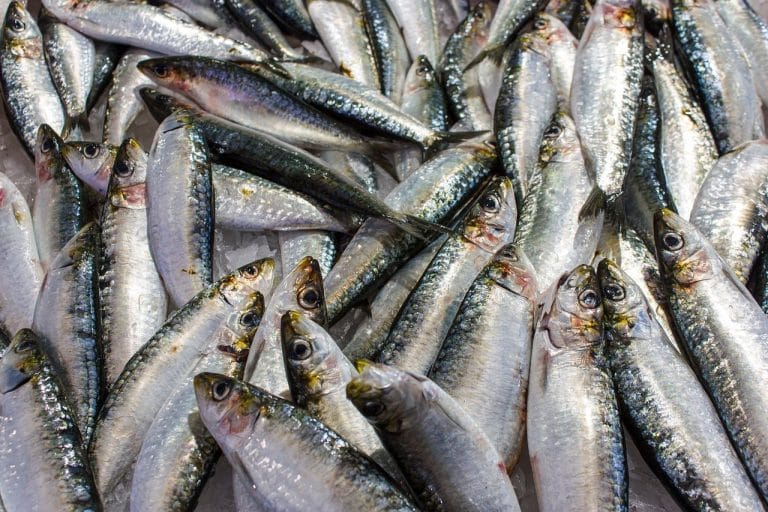
A cheap little fish that quietly delivers omega-3s, calcium, and vitamin D in one tin.
Sardines rarely get the spotlight. They sit on the bottom shelf, sealed in flat tins, costing a fraction of fresh salmon. Yet these small, soft-boned fish carry a surprising load of nutrition for the money, which is why a growing number of health-minded eaters have started paying attention.
You can eat them straight from the can, fold them into a salad, or pile them onto toast. They spoil fast when fresh, so most people meet them canned. That convenience is part of the appeal, and it hides just how much these fish bring to the table.
Key Takeaways
– Sardines deliver calcium, phosphorus, and vitamins D and A, with essentially no carbs or sugar.
– Eating fatty fish a couple of times a week has been linked to lower risk of dementia, heart disease, and type 2 diabetes.
– Their calcium and vitamin D content supports stronger bones and may help guard against osteoporosis.
– They are highly perishable, so skip eating them raw and lean on canned or well-cooked versions.
A Small Fish With a Big Résumé
Sardines belong to the Clupeidae family, the same broad group as herring. They are small and silver, and they have been part of the human diet for thousands of years, reportedly first found by the Romans along the coast. In the ocean, they feed sharks and seabirds. On land, people use them as bait and as food.
They are not a staple in most American kitchens, but they are eaten regularly across the United Kingdom, Spain, Portugal, and much of the Middle East. Fresh sardines were the norm once. Since they go off quickly, the tinned version has become the practical choice for most households.
What’s Packed Inside a Tin
 Save
SaveBy USDA figures, two sardines supply roughly 209 calories along with a solid spread of nutrients: vitamin A, vitamin D, calcium, and phosphorus. There are no carbohydrates and no sugar, which is unusual for something this satisfying. They also happen to be high in protein, so they keep hunger quiet for hours after a small serving.
That mineral profile is worth dwelling on. Sardines are a real source of the kind of trace nutrients most diets fall short on, in the same family as the underrated trace mineral manganese that quietly supports metabolism and bone formation. A tin is a compact, shelf-stable way to hit several of these at once.
What Sardines Might Do for You
Most of the interest in sardines comes down to one thing: they are a fatty fish, dense in omega-3 fatty acids. That single trait ripples out across the brain, heart, and skin.
A Sharper Aging Brain
The old advice that fish is “brain food” has some backing. Researchers looking at fatty fish and cognitive decline found that eating it roughly twice a week was associated with a 28% lower risk of dementia and a 41% lower risk of Alzheimer’s disease compared with leaner fish.
Context helps here. Alzheimer’s affects around 6.5 million Americans aged 65 and older, and reported deaths from it climbed more than 145% between 2000 and 2019 even as deaths from stroke and heart disease fell. That said, this is an association, not proof, and the science on sardines specifically is still thin.
A Steadier Heart
 Save
SaveA fish-forward diet has long been tied to lower cardiovascular risk. In one small study, 35 people with diabetes followed either a standard diabetes diet or one enriched with 100 grams of sardines several days a week over six months. The sardine group saw lower plasma insulin and a friendlier balance of gut bacteria.
That gut angle is intriguing, since the microbiome influences everything from inflammation to how well you absorb nutrients, a theme I’ve dug into with glutamine and gut lining health. Pairing sardines with other heart-friendly fats, the way you might reach for a good olive oil, rounds out the picture. The research is early, but the direction is encouraging.
Lower Diabetes Risk
Sardines may also help hold off type 2 diabetes. In a year-long study, 152 older adults with prediabetes ate sardines twice a week. Those who did showed a reduced risk of progressing to diabetes, along with lower triglycerides and higher HDL, the so-called good cholesterol. Their omega-3 and bile acid levels rose too. For anyone flagged as high risk, that is a meaningful signal.
Stronger Bones
 Save
SaveHere is where sardines quietly shine. USDA data pegs their calcium at about 91.7 mg, and those tiny edible bones are the reason. Calcium and vitamin D work together to build and maintain bone, and getting enough of both is central to preventing osteoporosis and rickets. The vitamin D also plays a hand in cholesterol and in calming muscle inflammation.
A Little Skin Protection
The evidence gets softer here, but it is interesting. A lab study compared oils from sardine, mackerel, and horse mackerel to test anti-inflammatory activity and skin absorption. Sardine oil came out ahead, with the highest concentration of omega-3s and the strongest anti-inflammatory effect. Whether that translates into real UV protection for your skin needs a lot more study, so hold this one loosely.
Working Sardines Into Meals
 Save
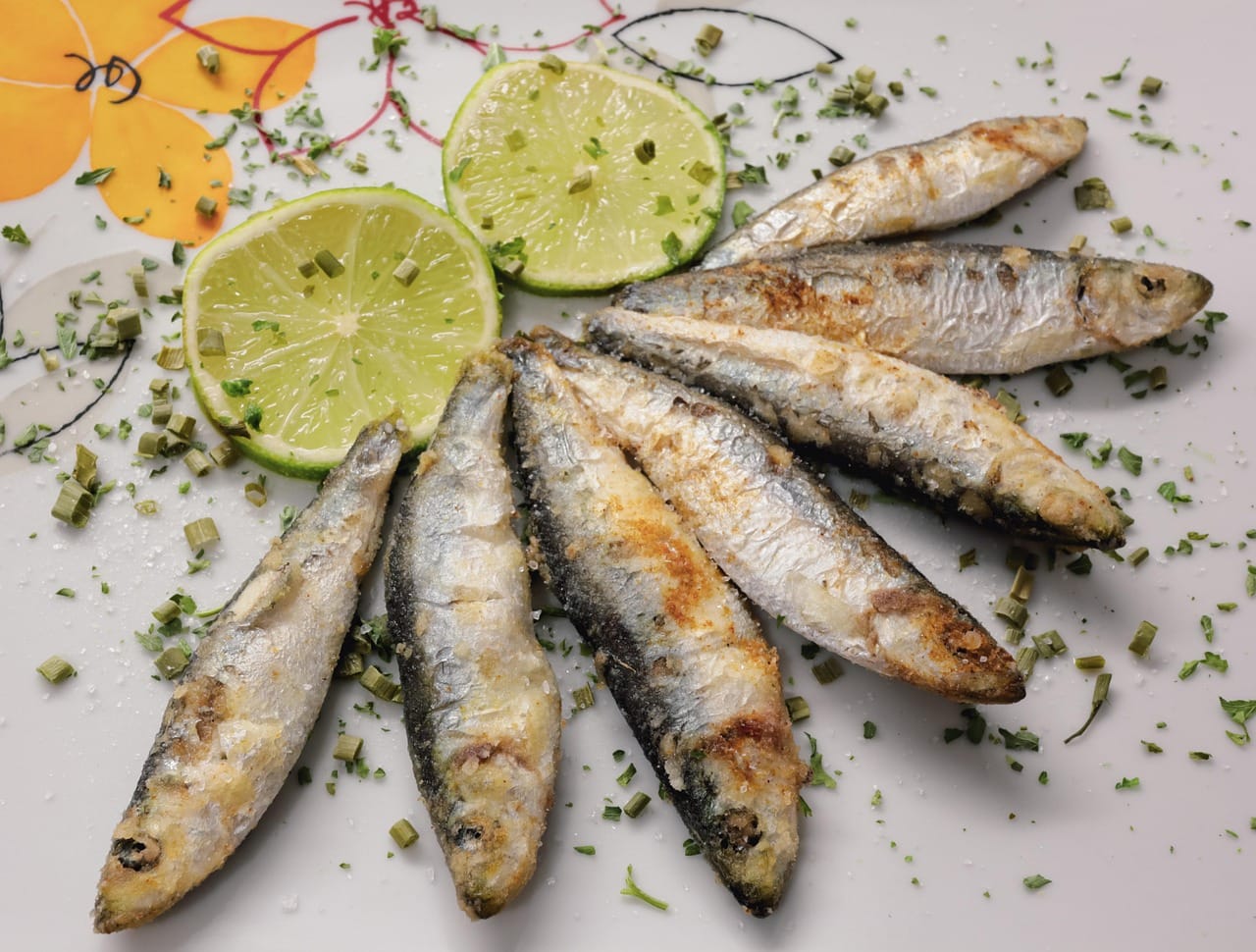
SaveYou can eat sardines straight from the can, and plenty of people do. Raw is the one thing to avoid, given how fast they spoil. For something light and filling, flake them over a green salad. If you want a snack alongside a cold drink, fried sardines do the job. And if you would rather keep the oil low, grill them in a pan or bake them with a little salt and a squeeze of lemon.
They are forgiving and versatile, adapting to tacos, pizza, sandwiches, or pasta without much fuss. A tin in the pantry is a fast route to a real meal on a night you did not plan for one.
A Few Cautions Before You Stock Up
Sardines are good for you, but nothing edible is completely risk-free. As pollution rises year after year and waterways are tainted with toxic metals, the fish living in them can pick up some of that contamination, which is one reason not to treat any fish as a daily free-for-all. Canned sardines also lean salty, so it is worth keeping an eye on your intake if you are watching sodium. As always, moderation beats a daily binge.
Frequently Asked Questions
Can you eat sardines raw?
It is best not to. Sardines are highly perishable and spoil fast, which raises the risk of foodborne illness. Stick to canned or properly cooked ones.
Are canned sardines as healthy as fresh?
Largely, yes. Canning preserves the omega-3s, calcium, and vitamin D well. The main trade-off is added sodium and oil, so check the label and rinse or drain if you want to cut back.
How often should I eat them?
Two servings of fatty fish a week lines up with most of the studies showing brain, heart, and diabetes benefits. That is a reasonable target for most healthy adults.
The Bottom Line
Sardines are one of the better deals in the grocery store: cheap, shelf-stable, and dense with omega-3s, calcium, phosphorus, and vitamins D and A. Research links regular fatty-fish eating to lower risk of dementia, heart disease, and type 2 diabetes, and the edible bones make them a standout for calcium. Just eat them cooked rather than raw, keep an eye on sodium, and treat them as one strong player in a varied diet rather than a cure-all.
This article is for informational purposes only and is not a substitute for professional medical advice. Talk to your doctor or a registered dietitian before making significant changes to your diet, especially if you have an existing health condition.