
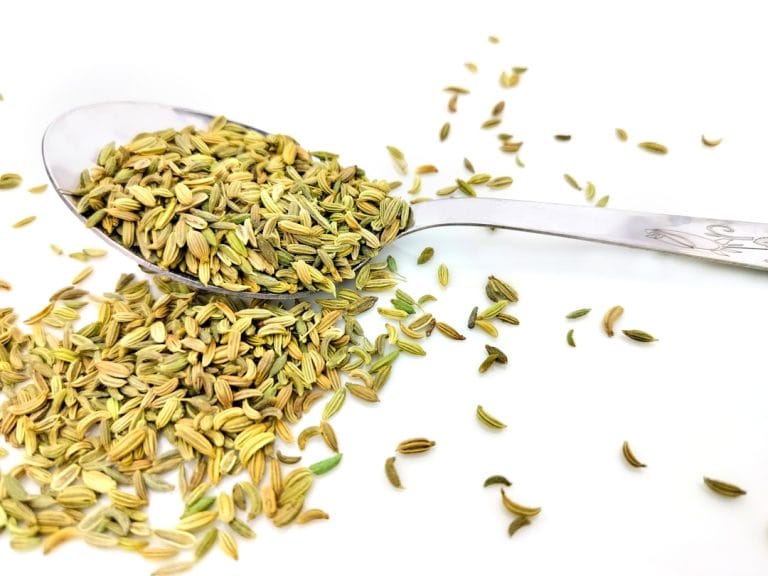
These tiny seeds punch far above their weight when it comes to a healthy, glowing complexion.
Flax seeds have earned their reputation as one of the most talked-about superfoods, but chasing a trend without understanding why is never a smart move. Before you sprinkle them over everything in your kitchen, it helps to know what these little seeds actually bring to the table.
Packed with lignans, dietary fiber, and omega-3 fatty acids, flax seeds support digestion, heart health, and hormonal balance. And here is the part beauty lovers will appreciate: many of those same nutrients quietly work in favor of your skin. Let’s look at what makes them special and how you can put them to use.
Key Takeaways
– The omega-3 fatty acids in flax seeds may help fade an uneven tone and unwanted tan while keeping skin moisturized.
– Their anti-inflammatory nature may calm redness and rashes and support clearer, acne-prone skin.
– Blending ground flax seeds with clay, egg, lemon, or honey creates simple face packs that nourish and rejuvenate.
– Eating flax as part of a balanced diet supports the skin from the inside out.
– A little goes a long way, and moderation matters to avoid digestive discomfort.
A Quick Word on the Seed Itself
Flax, known scientifically as Linum usitatissimum and called “Tisi” or “Alsi” in India, has a history stretching back to ancient Egypt and China. It was long cultivated for its strong natural fiber and used to enrich the diet of hardworking villagers.
You will usually find it in two colors, brown and golden, both offering nearly identical nutrition and fatty-acid profiles. The one exception is a golden variety called Linola, or Solin, which has a very different oil profile and is unusually low in omega-3s. For skin benefits, either the standard brown or golden seed works beautifully.
Nutritional Power in a Tiny Package
 Save
SaveMuch of what flax offers your skin starts with overall wellness. The lignans in flax are linked to cholesterol-lowering, heart-supportive effects, while ground seeds taken with plenty of water add fiber that keeps digestion regular and may help with weight management.
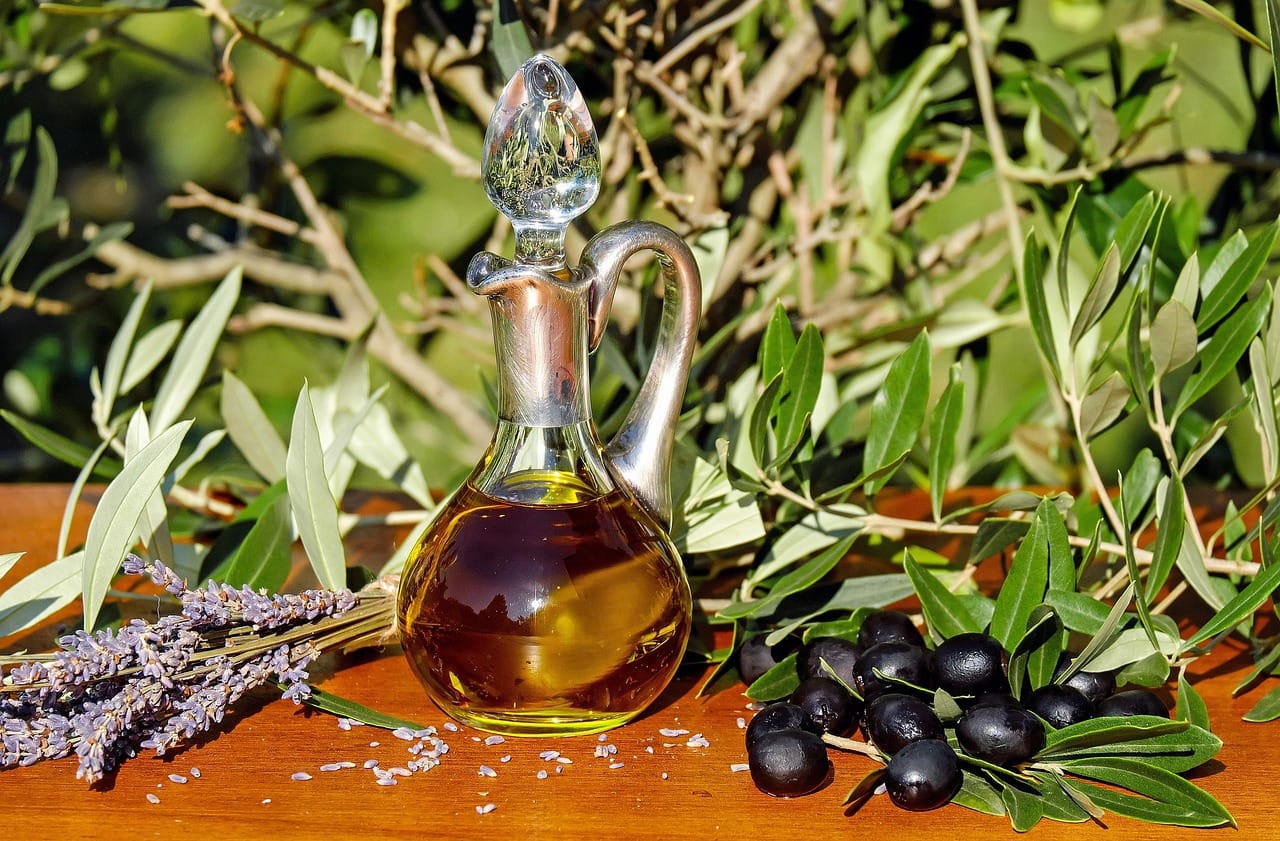
Flax also delivers alpha-linolenic acid, a plant-based omega-3 that helps ease the kind of inflammation tied to chronic conditions. Because healthy skin so often reflects a healthy body, feeding yourself well is the first step toward a better complexion. One tip worth remembering: heavily toasting or baking flax can diminish some of its goodness, so lightly ground raw or gently roasted seeds tend to be the better choice.
Flax Seeds for Skin: 5 Standout Benefits
A Natural, Radiant Glow
 Save
SaveA few spoonfuls of ground flaxseed hand you a generous dose of short-chain omega-3 fatty acids, the same family found in fish oil. If seafood rarely makes it onto your plate, flax becomes an affordable, accessible way to feed your skin the good fats it craves for radiance, without an expensive cosmetics haul. Flaxseed oil, applied topically, may also help soothe skin inflammation.
Smoothing Wrinkles and Fine Lines
 Save
SaveAntioxidants and phytochemicals are the kind of buzzwords you would expect from a pricey anti-aging cream, yet flax offers them at a fraction of the cost. Adding a spoonful of ground seeds to your routine may help you age a little more gracefully by supporting the skin against everyday damage.
Calming Rashes and Redness
Thanks to their rich omega-3 content and anti-inflammatory properties, flax seeds may help speed the skin’s natural healing. Applying a paste of ground flax with a little coconut or olive oil to an irritated patch can help ease redness, rashes, and general irritation over a few uses. Taking ground flax with water regularly can support that recovery from within.
Clearer, Less Acne-Prone Skin
Breakouts often trace back to excess sebum, the oil your skin produces for moisture. In balance it protects you, but in excess it traps dirt and triggers blemishes. Flax’s nutrients may help keep that oil production steadier. Working one to two tablespoons of milled, lightly roasted flax into your daily diet is an easy, natural place to start.
Rejuvenation and a More Even Tone
Flax doubles as a gentle exfoliant, helping lift away dull, dead skin when used topically and leaving a fresher surface behind. Its moisturizing omega-3s guard against dryness while helping to soften an uneven tone and shed unwanted tan, so skin looks brighter and more alive.
DIY Flaxseed Face Packs to Try
 Save
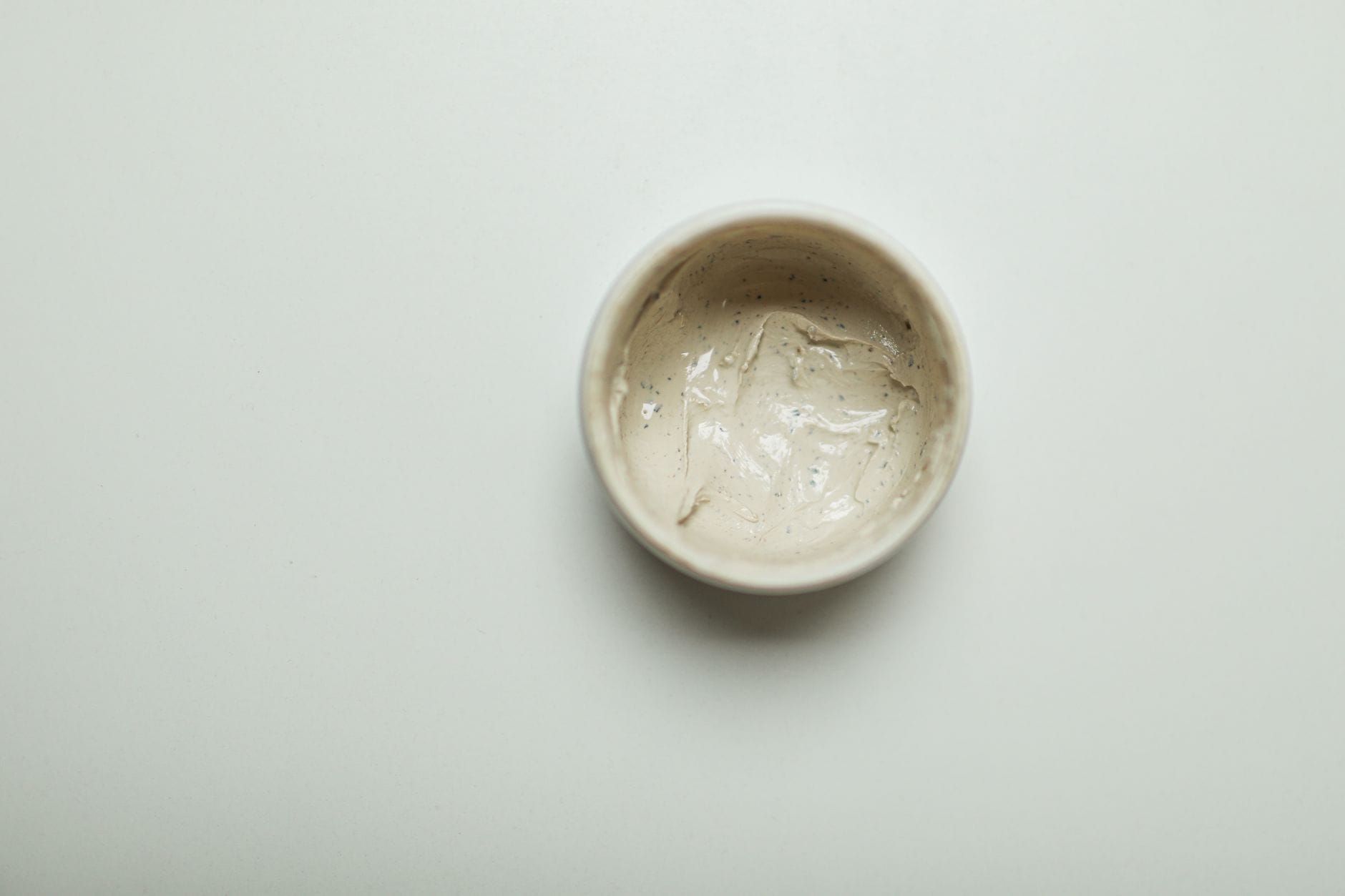
SaveBeyond eating them, flax seeds shine in homemade masks. Here are a few simple recipes.
Firming flax gel: Boil 1 tablespoon of flax seeds in about a third of a cup of water, stir, cover, and let it rest for three to four hours. Brush the gel over a clean face and neck, letting each of four layers dry before adding the next. Rinse with water and repeat weekly.
Radiance clay mask: Soak 1 tablespoon of flax seeds overnight, then stir in 1 teaspoon of blue clay and a few drops of rose water to form a paste. Leave it on clean skin for 15 to 20 minutes, then rinse. Use once a week.
Cleansing egg mask: Beat one egg into 1 tablespoon of flaxseed powder for a smooth paste. Apply for at least 15 minutes, rinse, and follow with moisturizer. Repeat twice a month.
Brightening lemon-honey pack: Combine ground flax seeds with a little lemon juice and honey for a refreshing mask aimed at blemish-prone skin.
A Few Words of Caution
Flax is gentle for most people, but more is not always better. Too much can cause bloating or digestive upset, so keep servings moderate and your fluid intake high. If you have sensitive skin, patch-test any mask first, and stop if you notice stinging or a reaction.
Frequently Asked Questions
How much flaxseed should I eat each day for my skin?
One to two tablespoons of ground, lightly roasted flax is a reasonable daily amount for most people. Grinding helps your body absorb the nutrients, and drinking plenty of water alongside keeps digestion comfortable.
Can I use flaxseed on my face every day?
Most flaxseed masks are best used weekly or a couple of times a month, as noted in each recipe. Overusing exfoliating or clay-based packs can leave skin dry or irritated, so give it time to rest between applications.
Brown or golden flax, which is better for skin?
Both brown and golden flax have nearly the same nutrition and fatty-acid content, so either works well. Just steer clear of the low-omega-3 Linola (Solin) variety if skin benefits are your goal.
The Bottom Line
Flax seeds are a small, budget-friendly addition with a big list of potential perks, from a natural glow and smoother texture to calmer, clearer skin. Enjoy them in your meals for whole-body benefits, and experiment with a simple face pack when you want a little extra care. As with anything, consistency and moderation are what turn these tiny seeds into a genuine part of your beauty routine.
This article is for informational purposes only and is not a substitute for professional medical advice. Consult a qualified healthcare provider before making changes to your diet or skincare routine, especially if you have allergies or a medical condition.