

Serums help from the outside, but the glow people notice usually starts on your plate.
You can layer on the fanciest cream and still feel like something is missing. That is because topical products work on the surface, while the deeper repair, hydration, and collagen support your skin depends on comes from what your body actually absorbs. Fruit happens to be one of the easiest ways to load up on the vitamins, minerals, and antioxidants your skin cells run on.
None of this is a magic fix. But a diet leaning on fresh produce instead of sugar and heavily processed food tends to show up on your face over time, and a handful of fruits earn their spot for skin in particular.
Key Takeaways
– Lemons and oranges are rich in vitamin C, an antioxidant that helps defend skin against photodamage, pigmentation, and free-radical stress.
– Papaya carries enzymes like papain plus antibacterial and antifungal properties, and has been studied for wound and ulcer healing.
– Avocado delivers healthy fats and antioxidants such as lutein and zeaxanthin that help skin hold its elasticity and resist UV damage.
– A diet short on fresh fruit and heavy on sugar can nudge your skin toward early aging, breakouts, and dryness.
– For the most benefit, eat these fruits regularly and, where it suits you, use them in simple face masks too.
How What You Eat Shows Up on Your Skin
Skin is an organ, and like the rest of you it reflects your habits. A plate dominated by sugar, refined carbs, and processed food gives your body little to work with, and the shortfall of nutrients like zinc, iron, copper, and vitamins A and D can leave skin looking tired, dry, or prone to acne and scarring.
Most of the nutrients that keep skin resilient are sitting right there in fruit. So rather than chasing a single miracle ingredient, the smarter move is variety across a few well-chosen ones.
Vitamin C and the Case for Lemons and Oranges
 Save
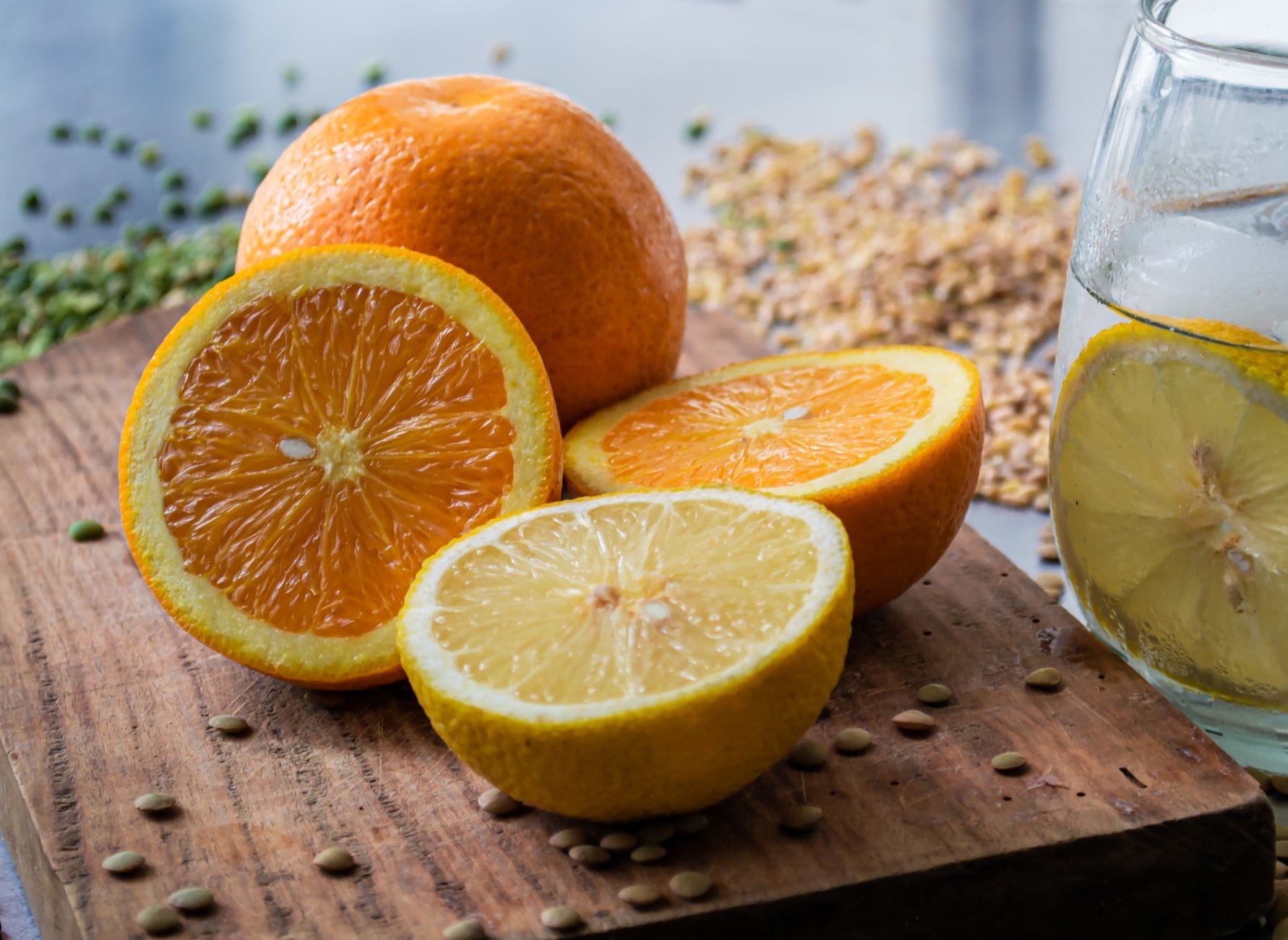
Lemons are often called a natural bleaching agent, and the reason is their vitamin C content. As a strong antioxidant, vitamin C helps flush impurities and shields skin from sun-related damage and hyperpigmentation, which makes lemon a common home remedy for dark spots, uneven tone, and acne scars.
One interesting wrinkle: ripeness changes the payoff. When researchers compared unripe, half-ripe, and ripe lemons using a DPPH free-radical test, the unripe fruit showed the highest antioxidant activity. Small detail, but it tells you the same fruit is not identical at every stage.
Oranges run on similar chemistry. Around 54 milligrams of vitamin C sit in 100 grams of orange, and that helps guard against oxidative and photodamage, calms inflammation, and supports collagen synthesis. If collagen is your goal, it is worth widening the net to other foods that feed collagen alongside your citrus.
A quick word of caution, because citrus gets overused. Lemon juice is acidic, and there are genuine downsides to leaning on lemon too hard, both when you drink a lot of it and when you apply it neat to your face.
In your diet: squeeze lemon over salads, or start the day with warm water, half a lemon, and a teaspoon of honey. Eat half an orange daily, or drink freshly pressed juice with the pulp unless ulcers or IBS make that uncomfortable.
On your skin: for oily, blemish-prone skin, mix lemon juice with rose water, leave it ten minutes, and rinse. For dry skin, blend it with a little coconut oil instead.
What Papaya Brings to the Table
 Save
Papaya is a quieter overachiever. It packs vitamins A, C, and several B vitamins along with folate, plus minerals like copper, potassium, and magnesium. What sets it apart are its enzymes, papain and chymopapain, which help fend off free-radical damage and bring antibacterial, antifungal, and antiviral properties to the table.
There is real research behind its skin uses. Papaya has been studied for helping heal wounds and chronic skin ulcers, and it has traditionally been used for warts, eczema, corns, and rough skin growths. Because it also eases constipation, and sluggish digestion is one of the underrated causes of dull skin, eating it does double duty.
To use it, eat a bowl at breakfast or as an afternoon snack, or blend it into a smoothie with lemon juice and a pinch of pink salt. For a mask, mash a small piece on its own, or combine it with lemon juice and a quarter teaspoon of turmeric for pigmented, scarred areas. Flaky skin responds well to mashed papaya with a little almond oil.
Avocado and Skin Elasticity
 Save
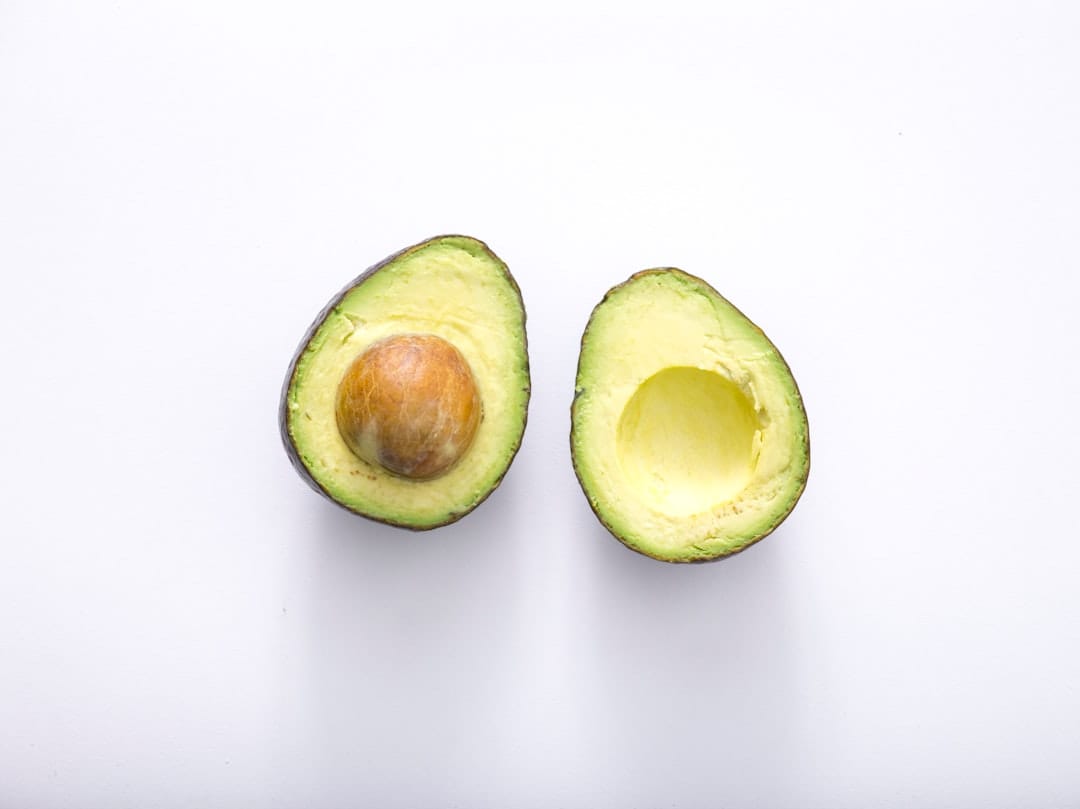
Avocado is the fatty one, and that is the point. Its healthy fats help skin stay supple, reduce inflammation, and speed wound healing, while its vitamin E, A, C, K, and B6 round out the profile. The antioxidants inside cut down oxidative stress, which in turn helps protect against DNA damage.
Two carotenoids, lutein and zeaxanthin, deserve a mention because they help shield skin from UV radiation, making avocado a friend to healthy aging. Fold it into salads, wraps, and breakfast bowls, or blend it with spinach into a smoothie. As a mask, mashed avocado on its own works for most people; oily skin can add rose water and a pinch of camphor.
Watermelon and Everyday Hydration
 Save
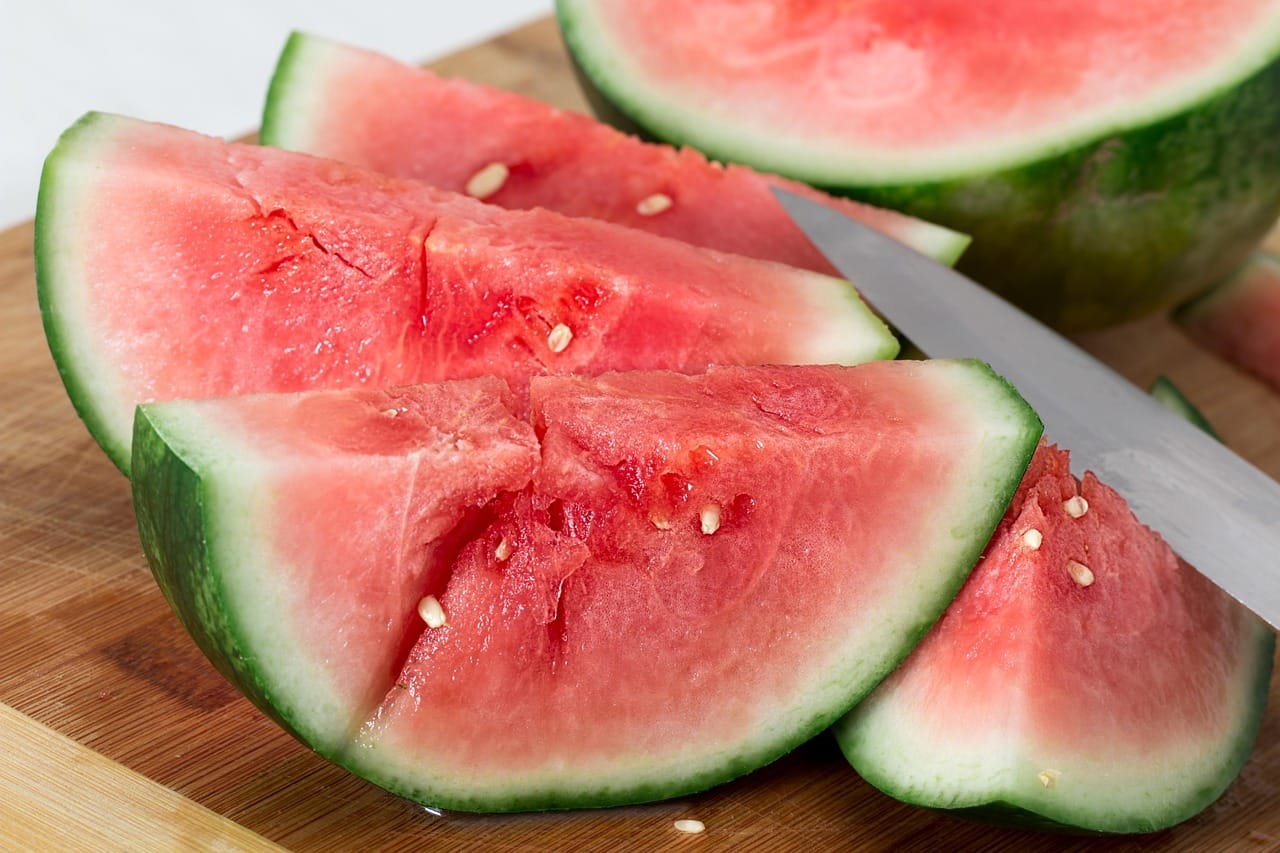
On a hot day, watermelon is basically hydration you can eat. It is red, sweet, watery, and refreshing, and its high water content makes it an effortless way to keep skin from drying out when the weather works against you.
Hydration is doing more than you think here, since plump, well-watered skin simply reads as healthier. Fruit is only one lever, though. Pairing it with vegetables such as carrots, which pull their own weight for skin, gives you a broader spread of the vitamins your complexion draws on.
How Much Fruit Is Enough?
More is not automatically better, and fruit still carries natural sugar. A few servings spread across the day, mixed rather than monotonous, covers the range of nutrients without overloading on any single one. If you also enjoy using fruit topically, patch-test first, keep masks to about ten minutes, and always rinse acidic ones like lemon thoroughly.
Frequently Asked Questions
How long before I see a difference in my skin?
Skin cell turnover takes weeks, so give any dietary change a month or two of consistency before judging it. Hydration effects, like fewer dry patches, can show up sooner.
Can I just apply fruit to my face instead of eating it?
You can do both, and the best results tend to come from combining diet with occasional masks. Eating fruit feeds skin from within, while masks act on the surface, so they complement rather than replace each other.
Is putting lemon directly on my skin safe?
Use it cautiously. Lemon is acidic and can irritate or increase sun sensitivity, so dilute it with rose water or oil, keep it brief, and rinse well before heading outdoors.
The Bottom Line
Glowing skin is less about one hero fruit and more about steady, varied nourishment. Vitamin C from lemons and oranges supports collagen and fights pigmentation, papaya’s enzymes help repair and protect, avocado keeps skin supple, and watermelon quietly handles hydration. Eat them regularly, use a few as gentle masks if you like, and pair them with an otherwise balanced diet. The results are gradual, but they last in a way a bottle never quite manages.
This article is for general informational purposes only and is not a substitute for professional medical advice. Consult a qualified healthcare provider or dermatologist before making significant changes to your diet or skincare routine, especially if you have a medical condition or sensitive skin.