

Great skin starts on your plate long before it shows up in the mirror.
You can layer on serums and masks all you like, but a tired diet will quietly undo the effort. Skin is a living organ, and it draws on the same vitamins, minerals, and antioxidants you eat every day to repair itself, hold onto moisture, and fend off the daily wear of sun and pollution. When those nutrients are missing, dryness, dullness, and breakouts tend to follow.
There’s real data behind this. In a study of 2,753 people, a diet built around fruit, especially citrus, along with pulses, nuts, and leafy greens was linked to about 3.2% fewer facial wrinkles, while a diet heavy in red meat and steak lined up with roughly 3.3% more. The connection showed up more clearly in women than men. Below are nine foods worth putting on rotation.
Key Takeaways
– Skin relies on dietary antioxidants, healthy fats, and vitamins to repair cells and slow visible aging.
– Turmeric, tomato, carrot, papaya, and avocado each bring nutrients tied to clearer, more hydrated skin.
– Leafy greens, nuts, seeds, neem, and black pepper round out a skin-friendly plate.
– Hydration underpins everything, so water and water-rich foods matter as much as any single ingredient.
– No food replaces sunscreen, gentle skincare, and steady habits.
Why Hydration Comes First
Before any single food, there’s water. Well-hydrated skin looks plumper and more elastic, and it creases less. When you drink enough and lean on water-rich foods like watermelon and cucumber, you help offset the dryness and flaking that make skin look older than it is. Staying hydrated also supports how your body clears waste, which tends to show up as a fresher, more even complexion.
Think of hydration as the base layer. The foods below add the nutrients that build on it.
The Antioxidant Crew
Much of what dulls and ages skin comes down to oxidative stress, the slow damage from unstable oxygen molecules. Antioxidant-rich foods mop those up before they wear on collagen and skin cells.
Turmeric
 Save
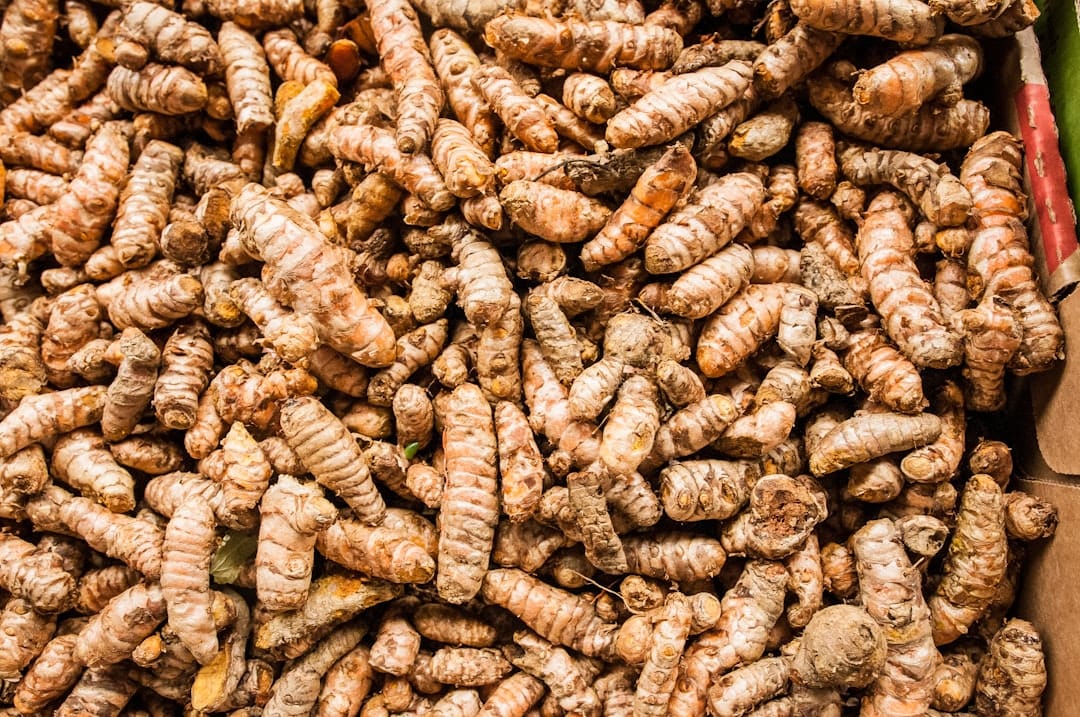
This golden root owes most of its reputation to curcumin, a compound with antimicrobial, anti-inflammatory, and antioxidant activity. Research suggests turmeric, eaten or applied to the skin, may help with concerns ranging from hyperpigmentation and infections to signs of aging. A small piece of peeled raw root in the morning is one traditional approach; a warm cup of turmeric-spiced milk before bed is a gentler one. Skip the dairy version if hormonal acne is an issue.
Tomato
Tomatoes are loaded with lycopene, the carotenoid behind their deep red color and a capable antioxidant. It neutralizes the free radicals tied to rashes, breakouts, and aging. In one investigation, researchers found that tomato paste helped shield skin against UV-induced redness and photodamage. Work tomatoes into curries, salads, and grilled vegetables, or drink the juice. One caution: patch test before using tomato on the face if your skin runs sensitive.
Carrot
Carrots deliver beta-carotene, another antioxidant carotenoid, which helps protect cells and DNA from damage. There is a catch worth knowing about, which is that eating a very large amount over time can tint the skin a faint orange, so moderation applies here. Stews, stir-fries, salads, and juice all count.
Fats and Fiber That Keep Skin Supple
Not every skin nutrient is an antioxidant. Some of the most useful ones are fats and fiber.
Avocado
 Save
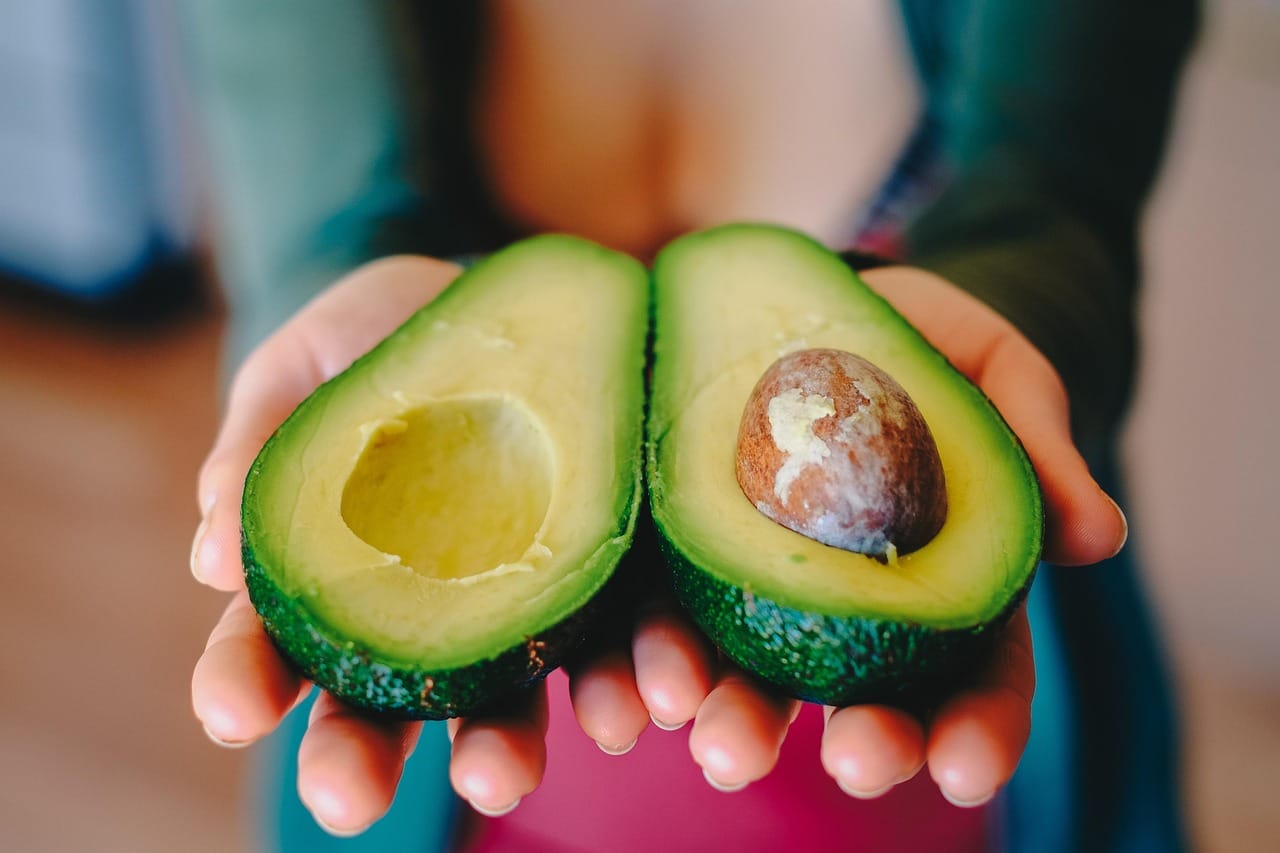
Avocados are unusually rich, packing vitamins A, C, E, K, and several B vitamins along with folate, potassium, magnesium, lutein, and a generous dose of monounsaturated fat. Those healthy fats are associated with healthy aging and with keeping skin soft, supple, and better defended against sun damage. Fold avocado into salads and smoothies, or use it in a mask.
Nuts And Seeds
Almonds, pistachios, sunflower seeds, chia, and flax bring polyunsaturated fats, protein, fiber, and a spread of vitamins and minerals. The PUFAs help calm inflammation, while the fiber feeds a healthier gut microbiome. Since gut function and skin health are linked, that combination can help hold acne, psoriasis, and eczema-type flare-ups at bay. Soak a mixed handful overnight and eat them plain, or scatter them over breakfast. If firmer, springier skin is the goal, it also helps to eat more collagen-supporting foods alongside them.
Greens, Leaves, and a Pinch of Spice
Leafy Greens
 Save
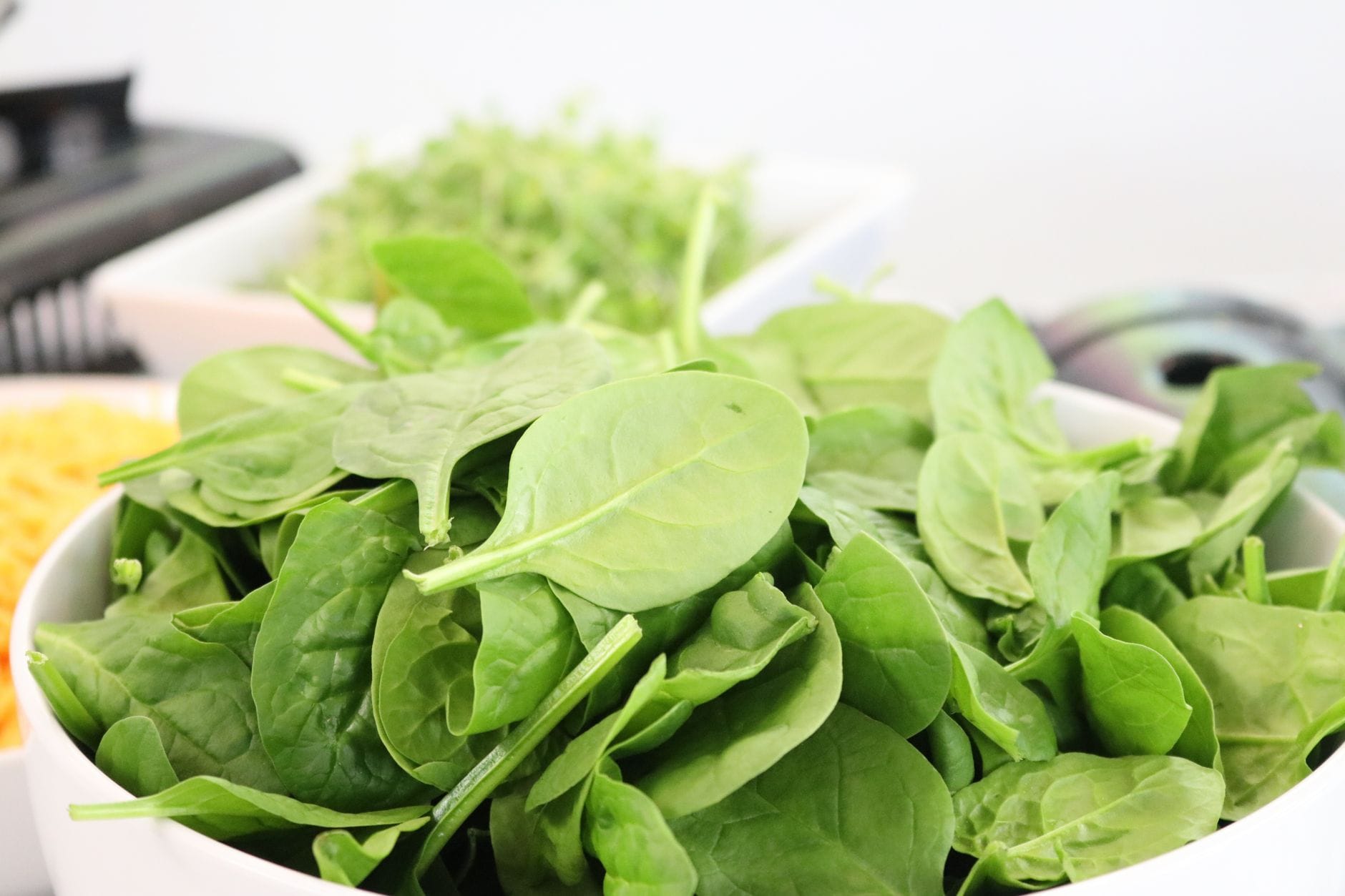
Spinach, kale, arugula, cabbage, lettuce, and beet or radish greens are quiet overachievers. Rich in vitamins A and E plus beta-carotene, they help scavenge free radicals that speed up wrinkling and, over the long term, contribute to skin cancer risk. Rotate several kinds through the week, raw or lightly blanched, so you catch the full range each one offers.
Papaya
 Save
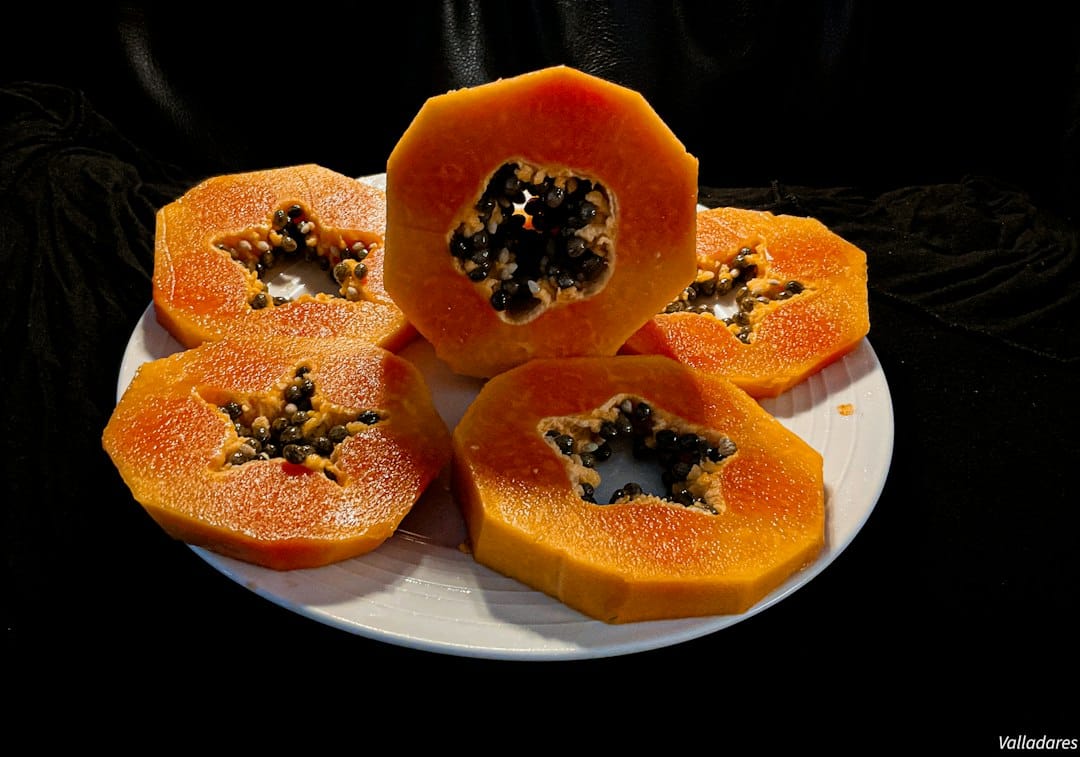
Sweet papaya carries the enzymes papain and chymopapain, vitamins A, C, and B, and fiber. It supports digestion and regular bowel movements, and better elimination means fewer of the toxins that can feed breakouts and pigmentation. Papaya has also shown antimicrobial activity, and in one setting it helped treat burns in children. Enjoy ripe papaya on its own or blended, or use the mashed flesh as an occasional mask.
Neem And Black Pepper
Two smaller players deserve a mention. Neem, long used in Ayurvedic practice, has anti-inflammatory, antimicrobial, and wound-healing properties, and neem extract has been studied for reducing acne. A tiny amount of the blended leaf, softened with honey to blunt the bitterness, is the traditional dose. Black pepper, meanwhile, is more than a seasoning: it offers antimicrobial, anti-inflammatory, and antioxidant effects and appears to help defend skin against UV damage. Both are easy to fold into cooking without much thought.
None of this replaces the basics. Daily sunscreen, gentle cleansing, and consistent moisturizing still do the heavy lifting, and a food-first approach simply gives your skin better raw materials to work with. If you’re also fighting active breakouts, pairing these foods with a few gentle at-home routines for clearer skin tends to work better than either alone.
Frequently Asked Questions
How long before diet changes show up on my skin?
Skin turns over roughly every month, so give new eating habits at least four to six weeks before judging results. Hydration improvements often show sooner.
Can I just take supplements instead?
Whole foods deliver nutrients alongside fiber and other compounds that work together, which isolated pills can’t fully match. Talk to a clinician before adding high-dose supplements, since some, like beta-carotene, can build up.
Are any of these foods risky for the skin?
Applying tomato juice can irritate sensitive skin, and eating very large amounts of carrots over time can temporarily tint the skin. Patch test topicals and keep portions reasonable.
The Bottom Line
Healthy skin is built from the inside as much as the outside. Antioxidant-rich produce like tomato, carrot, and leafy greens defends against daily damage, avocado and nuts supply the fats that keep skin supple, and papaya, turmeric, neem, and black pepper each add their own nutrients and calming properties. Anchor all of it with steady hydration, keep your portions sensible, and let good food quietly do its work over the weeks. It won’t happen overnight, but the payoff tends to be the kind that lasts.
This article is for general information only and is not a substitute for professional medical advice. Consult a qualified healthcare provider or dermatologist before making significant changes to your diet or skincare, especially if you have a medical condition or allergies.