
A creamy white bean that earns its keep in soups, salads, and just about everything else.
Cannellini beans don’t get the attention of trendier superfoods, but they’ve been feeding families across Central and Northern Italy for generations. They’re the large, ivory-colored beans you’ll find in a good minestrone or a slow-simmered stew. Mild, a little nutty, and pleasantly fluffy once cooked, they also happen to be cheap and genuinely good for you.
They belong to the same haricot (legume) family as kidney beans, which is why they’re sometimes called white kidney beans. Below is what these beans actually bring to the table, how to shop for the right ones, and a couple of simple ways to eat more of them.
Key Takeaways
– Cannellini beans are a solid, affordable source of plant protein and dietary fiber.
– Their fiber supports digestion and helps you feel full, which can make weight management easier.
– Bean eaters tend to have lower blood pressure and smaller waistlines than people who skip them.
– Early research points to possible cholesterol, blood sugar, and even anti-cancer effects, though the evidence is still thin.
– Some people get gas or bloating from beans, especially when they aren’t used to eating them.
A Quick Look at the Nutrition
 Save
SavePer the US Department of Agriculture, a 100-gram serving of cannellini beans delivers a useful mix of macro- and micronutrients: plant protein, complex carbohydrates, and a healthy dose of dietary fiber, along with essential minerals. That combination is what makes them so filling, and it’s why they anchor so many plant-forward meals.
If you’re building meals around vegetables, whole grains, and legumes, beans do a lot of quiet work. They’re one of the reasons a plant-based or vegan plate can hold together nutritionally, giving you protein without the saturated fat of many animal sources. For anyone leaning into whole-food protein, they pair nicely with other homemade staples like these blended protein drinks you can make in minutes.
What Cannellini Beans Actually Do for You
A balanced diet leans on a mix of fruits, vegetables, whole grains, legumes, and lean protein. Cannellini beans slot into the legume column, and the benefits stack up in a few directions.
Friendlier Digestion
The fiber in cannellini beans is the headliner here. It keeps things moving and supports regular bowel habits, which is the most obvious payoff. There’s a subtler one too: some of that fiber ferments in your gut into short-chain fatty acids, compounds tied to better metabolism and healthier intestinal tissue.
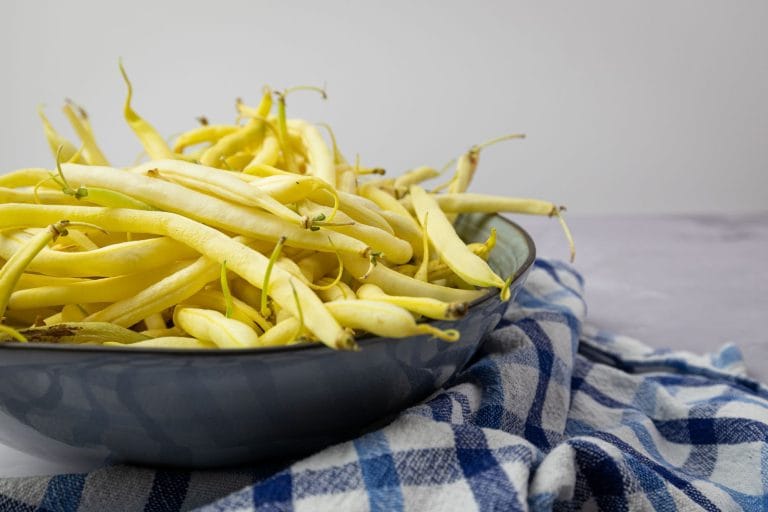
People clearly connect the dots on this. In a 2026 Food and Health survey of just over a thousand Americans, 35% said they ate beans specifically to support digestion or gut health. Beans, in general, sit alongside other high-fiber plants like tender green pods worth adding to your plate.
A Hand With Weight Management
Cannellini beans are low in calories but high in both fiber and protein, the two things most likely to keep hunger at bay between meals. That satiety factor makes them a smart building block if you’re watching your weight.
The population data backs this up. Bean eaters, on average, carry less body weight and have smaller waists than people who don’t eat beans, and they face a lower risk of expanding waistlines and obesity. In the same 2026 survey, 36% of people trying to lose or manage weight were already working beans, peas, or lentils into their routine. If you’re structuring a lower-calorie week, they slide easily into something like a modest daily calorie plan built around real meals.
Support for Your Heart
 Save
SaveHere the research gets interesting but not airtight. Bean consumers tend to show lower systolic blood pressure than non-consumers. A handful of studies suggest cannellini beans specifically may nudge down both systolic and diastolic readings, though the authors are the first to say more work is needed. There are also early hints that white kidney beans can help lower LDL cholesterol and blood glucose. Promising, not settled.
A Possible Role Against Cancer Cells
White kidney beans contain proteins called lectins, and lab research has found these can have an anti-proliferative effect on certain cancer cells, meaning they seem to slow those cells from multiplying and spreading. Lectin has also been shown to trigger apoptosis, or programmed cell death, in some studies. The catch is that this effect wasn’t consistent across every cancer cell type, and it’s early-stage science. Treat it as an intriguing footnote, not a reason to expect beans to do anything medicinal.
One more thing worth mentioning: choosing beans over animal protein is easier on the planet. Legumes need far fewer resources to grow, improve soil health, and cut the need for synthetic fertilizers and pesticides. A smaller carbon footprint comes with the territory.
Picking and Storing White Beans
 Save
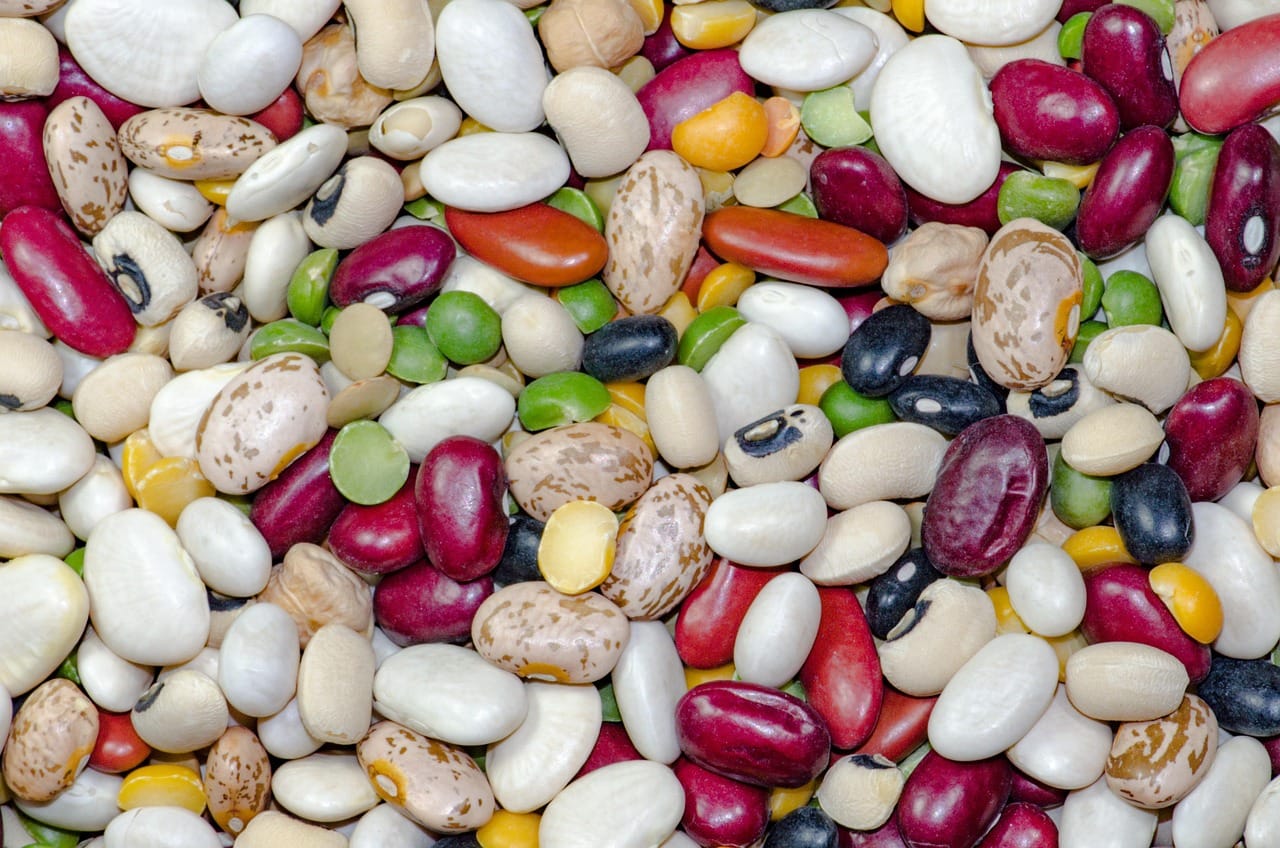
Save“White beans” is a frustratingly broad label. Cannellini, navy, Great Northern, and baby lima beans all wear it. The easy tell for cannellini is size: they’re the largest of the white beans, kidney-shaped, with an earthy, nutty flavor and a soft texture once cooked.
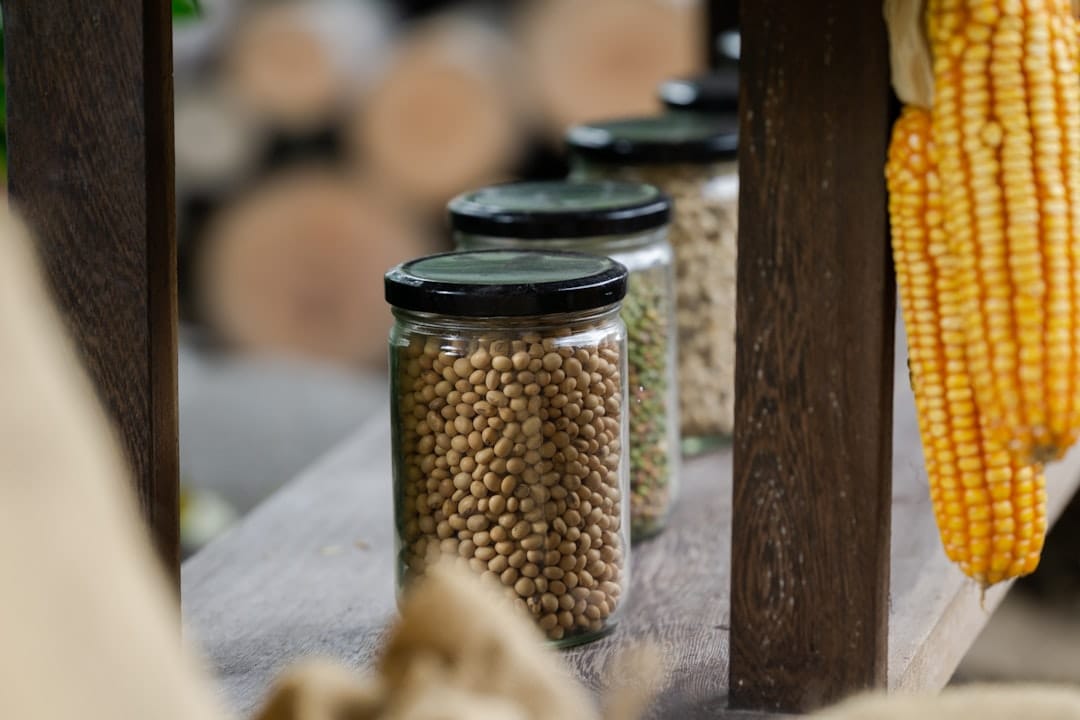
Storage is refreshingly low-effort. Keep dried cannellini beans in an airtight jar somewhere cool, dry, and out of the light. Under those conditions they stay good to cook for up to two years, which makes them one of the more forgiving things in a pantry.
Easy Ways to Cook With Them
 Save
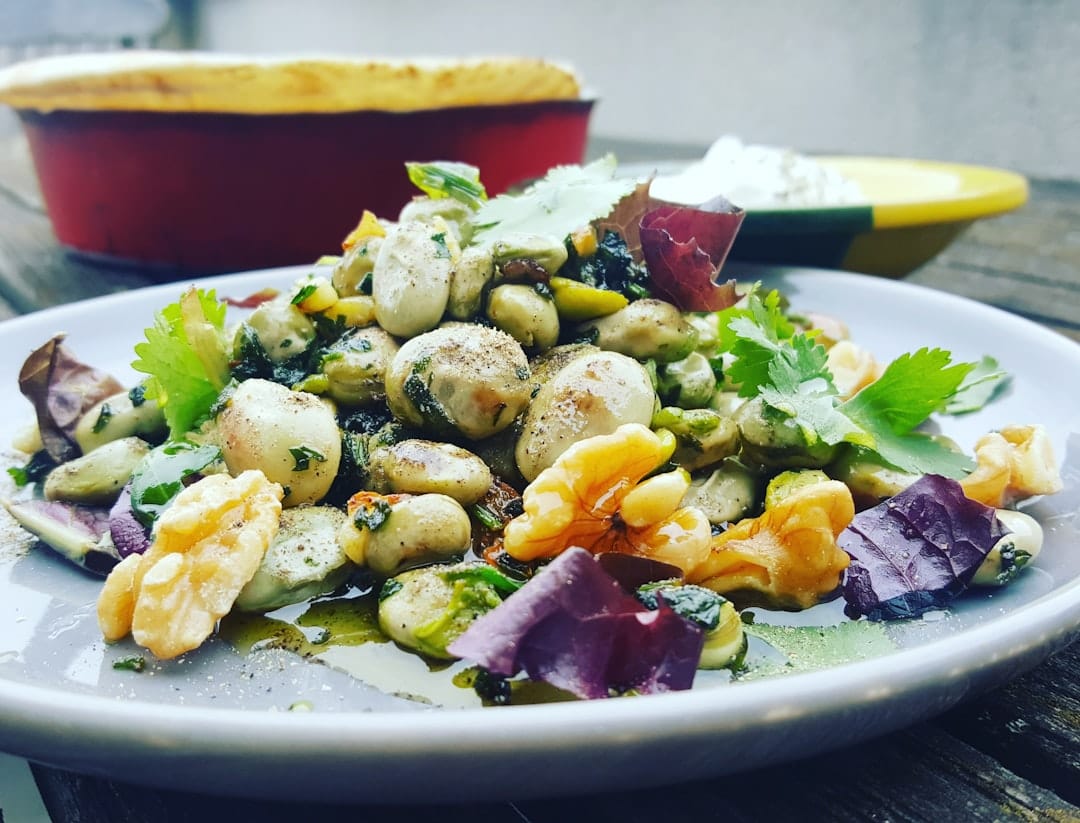
SaveBecause they’re rich in protein and fiber and so mild in flavor, cannellini beans go almost anywhere. Toss them into salads, blend them into dips, or fold them into soups and pastas. Two quick options to get you started:
A simple cannellini soup comes together in about 20 minutes. Sauté chopped onion, carrot, and celery in olive oil for five minutes, then stir in the beans, garlic, tomato paste, rosemary, salt, and pepper. Splash in a little white wine and let it cook off, add vegetable stock, a diced potato, and a couple of spinach leaves, and simmer until the potato is soft. Finish with a drizzle of olive oil and some crusty bread on the side.
For something faster, stir-fried beans take five minutes. Rinse and drain a can of cannellini beans, heat olive oil in a skillet, add the beans with a little Italian seasoning, and cook two minutes over medium heat, stirring now and then. Scatter fresh chives on top and serve.
Frequently Asked Questions
Are canned cannellini beans as healthy as dried?
Canned beans keep most of their fiber and protein and are hugely convenient. Rinse and drain them first to wash off some of the sodium from the canning liquid.
Why do beans make some people gassy?
Beans contain fermentable fibers and sugars that gut bacteria break down, which can produce gas and bloating. It’s most common in people who don’t eat beans often. Introducing them gradually usually helps your system adjust.
Can I eat cannellini beans on a plant-based diet?
Absolutely. They’re a well-priced source of plant protein and a staple in many European kitchens, which makes them a natural fit for vegetarian and vegan meals.
The Bottom Line
Cannellini beans are an easy win: inexpensive, shelf-stable, and packed with fiber and plant protein. They support digestion, help with fullness and weight goals, and show early promise for heart health and blood sugar. The anti-cancer research is genuinely preliminary, so keep expectations grounded there. For most people, the biggest hurdle is a little gas at first, which usually fades. Add them to a soup this week and see how they treat you.
This article is for general information only and isn’t a substitute for professional medical advice. Talk to a qualified healthcare provider before making significant changes to your diet, especially if you have an existing condition.