
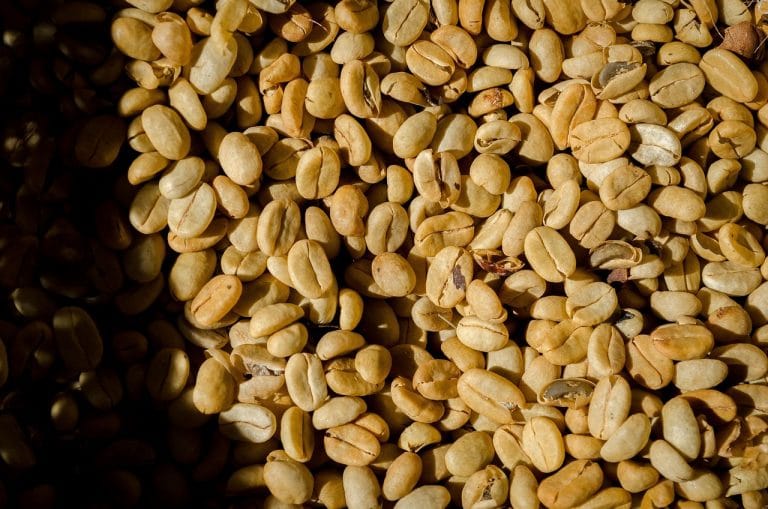
A humble, buttery legume that quietly delivers fiber, plant protein, and a long list of everyday benefits.
Lima beans have a soft, almost creamy texture and a mild flavor that plays nicely with just about anything on your plate. They’re cheap, easy to cook, and they slot neatly into a vegetarian or plant-forward way of eating. What makes them genuinely useful, though, is the combination of dietary fiber and high-quality protein packed into each little seed.
That pairing does a lot of heavy lifting. It’s the reason lima beans keep coming up in conversations about weight, cholesterol, digestion, and blood sugar. Here’s what the research actually supports, how to prepare them without fuss, and the few situations where you’d want to hold back.
Key Takeaways
– Lima beans are rich in dietary fiber and fat-free plant protein, which drives most of their health perks.
– They may help with weight control, digestion, heart health, and steadier blood sugar.
– Soaking and rinsing before cooking helps you get more out of them and cuts cooking time.
– A one-cup serving of raw beans brings roughly 11 grams of protein and nearly 8 grams of fiber.
– Eat too many too fast and you may hit some digestive discomfort, so ease in gradually.
What Exactly Are Lima Beans?
Lima beans (Phaseolus lunatus) go by a few other names, most often butter beans or sieva beans. They’re a legume grown for their edible seeds, which are oval and usually whitish or pale green with a distinctly buttery taste. Much of the world’s supply comes out of South America, though they turn up on plates everywhere.
You’ll find them in two broad sizes, small and large, and in both pole and bush types. Growers in the Southern United States tend to favor cultivars like Jackson Wonder, Henderson Bush, Sieva Pole, and Nemagreen. Farther north, where the climate is less forgiving, small-seeded bush varieties such as Thorogreen, Dixie Butterpea, and Thaxter do better. If you keep a garden, that adaptability is part of the appeal.
The Health Perks Worth Knowing
Lima beans belong to the same broad family as many pantry staples, and like their relatives, they earn their reputation through fiber and protein rather than any single miracle nutrient. If you already reach for the mild, tender pods of green beans, lima beans make a natural companion in the rotation.
Support for Weight Management
 Save
Fiber and protein both help you feel full, and lima beans deliver both while staying fat-free. Studies suggest they raise short-term satiety and can support weight loss during periods of energy restriction. Swap them in for calorie-dense foods and you may find portions easier to manage without feeling deprived.
There’s a bigger-picture angle too. A review in Obesity Reviews found that eating legumes is linked to a lower risk of obesity-related conditions, including metabolic syndrome, diabetes, and cardiovascular disease. The evidence pointing specifically at lima beans is thinner, so treat this as a promising piece of a larger pattern rather than a guarantee.
A Boost for Your Digestion
 Save
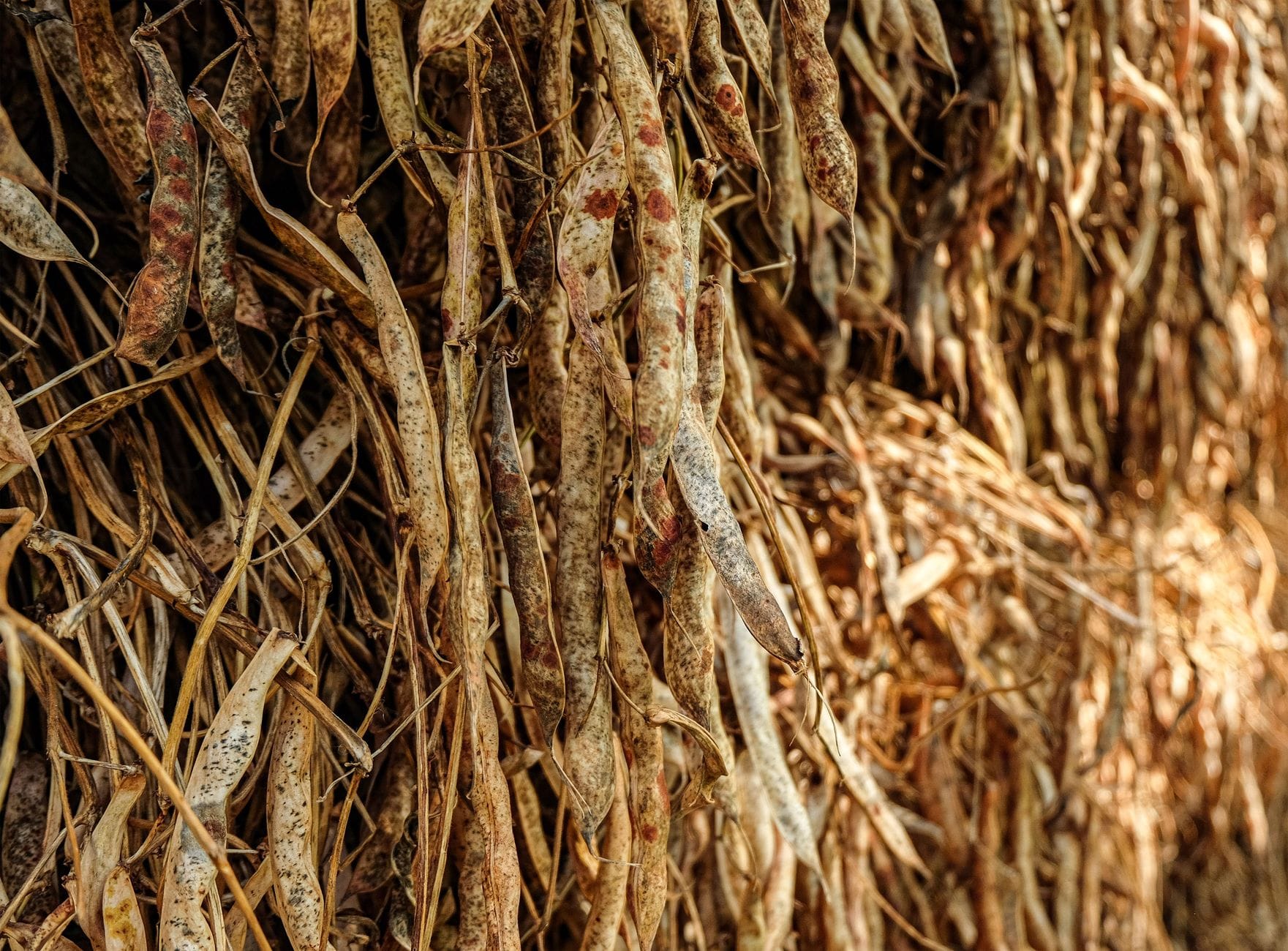
Dietary fiber is the star here. It bulks up stool, keeps things moving through the gut by stimulating peristalsis, and helps your body absorb nutrients along the way. Research also connects fiber intake with the growth of beneficial bacteria in the colon, which matters more for overall health than we used to think.
Practically speaking, the fiber in lima beans may lower the odds of constipation, diarrhea, acid reflux, ulcers, and hemorrhoids. A steady, regular gut is one of the quieter rewards of eating more beans.
Kinder to Your Heart
The same fiber that helps digestion also helps rein in blood cholesterol. On top of that, lima beans are a solid source of folate, which is tied to lower homocysteine levels. That’s worth caring about because elevated homocysteine is a known risk factor for coronary heart disease. For anyone building meals around cardiovascular health, they sit comfortably alongside other choices like the surprisingly good-for-you cannellini bean.
Steadier Blood Sugar
Because lima beans carry a low glycemic index and plenty of fiber, they release their energy slowly rather than spiking your blood sugar. Some studies show that legumes like these can help people with diabetes keep glucose levels more even. As with weight, the lima-bean-specific data is still developing, but the direction is encouraging.
What’s Inside a Cup
Here’s what one cup of raw lima beans (about 156 grams) provides:
Calories — 176
Protein — 10.7g
Carbohydrates — 31.5g
Fiber — 7.6g
Fat — 1.3g
Sugars — 2.3g
Sodium — 12.5mg
That’s a strong protein-to-calorie ratio for a plant food, and the fiber count is where a lot of the benefit lives.
Cooking and Prep Made Simple
 Save
You can buy lima beans frozen, dried, or canned, shelled or still in the pod. Fresh ones keep in the fridge for about a week, while dried shelled beans will hold for up to a year somewhere cool and dry. When shopping for dried beans, look for whole, uncracked seeds and skip anything discolored.
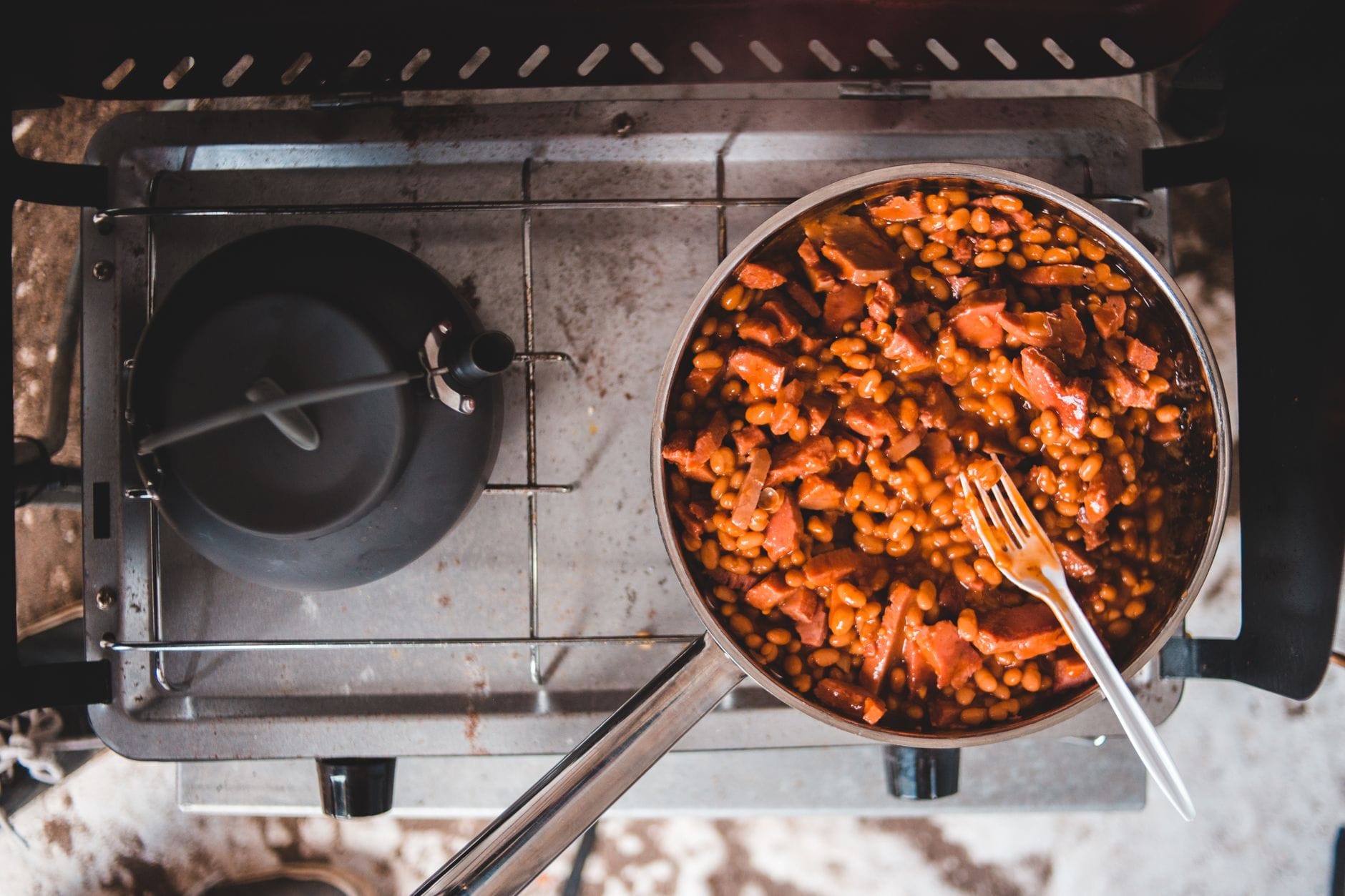
To cook them from dried, shell the pods, rinse the beans in a colander, then boil them in salted water until tender, which can take up to an hour. Soaking them overnight (or roughly eight hours) trims that cooking time and, as a bonus, rinsing after soaking helps you get more out of them. If you’d rather not babysit a pot, canned beans work in a pinch.
Their mellow, buttery flavor pairs well with fish, poultry, meat, or grains, and they slide easily into soups, stews, salads, casseroles, and dips. A few herbs and spices, basil, parsley, turmeric, add real depth. You can even blend cooked beans into a hummus-style spread for crackers and raw veggies. Anywhere a recipe calls for the mild creaminess of white beans, lima beans can usually step in without missing a beat.
Who Should Go Easy
 Save
For most people, lima beans are perfectly safe to eat regularly. The main caution is quantity. Go overboard and the very fiber that helps your gut can turn on you, leaving you bloated or gassy. Adding beans to your diet gradually gives your system time to adjust.
The firmer rule: if you have a legume allergy, avoid them entirely. And as with any big dietary shift, it’s sensible to loop in a doctor if you’re managing a chronic condition.
Frequently Asked Questions
Do I have to soak lima beans before cooking?
You don’t have to, but it helps. Soaking dried beans for around eight hours shortens the cooking time and makes them easier to prepare. Rinse them afterward before they go in the pot.
Are canned lima beans as good as dried?
They’re convenient and still nutritious. The main thing to watch is added sodium, so rinse canned beans before using them if you’re keeping salt in check.
Can lima beans help with weight loss?
They can support it. Their fiber and protein keep you fuller longer, and swapping them for higher-calorie foods may help with portion control, though they work best as part of an overall balanced diet.
The Bottom Line
Lima beans are an inexpensive, easy-to-cook legume that punches above its weight nutritionally. The fiber and protein inside them underpin benefits ranging from better digestion and heart support to steadier blood sugar and easier weight management. Prepare them with a soak and a rinse, add them freely to soups, salads, and mashes, and start with modest portions to keep your gut happy. For nearly everyone, they’re a smart, affordable addition to the plate.
This article is for informational purposes only and is not a substitute for professional medical advice. Consult a qualified healthcare provider before making significant changes to your diet, especially if you have a health condition or a food allergy.