
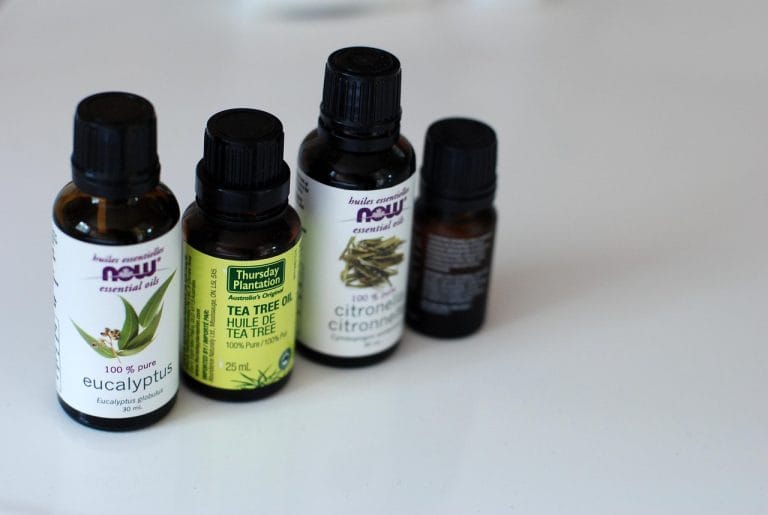
The same citrusy oil in your summer candles has a longer résumé than you’d guess.
Most people meet citronella oil on a patio, wafting out of a candle meant to keep mosquitoes at a distance. That’s a fair introduction, but it undersells the plant. Citronella oil is steam-distilled from the slim leaves of Cymbopogon nardus, a tall tropical grass that’s a close cousin of lemongrass and can shoot up to two meters on its reddish stems. The result is a thin, sweetly citrus-scented oil that turns up in soaps, sprays, and a surprising number of aromatherapy blends.
Beyond the fragrance, it carries a reputation for antimicrobial, anti-inflammatory, and mood-lifting effects. Here’s a grounded look at what it may do for your body, your skin, and your hair, plus how to actually use it without irritating yourself.
Key Takeaways
– Citronella is a citrus-scented essential oil from a lemongrass relative, best known as a natural insect repellent.
– It’s traditionally used for detox support, easing muscle and joint aches, and calming internal inflammation.
– In aromatherapy it may lift a low mood and take the edge off stress, though the evidence here is thin.
– On skin and hair it can help with acne-prone areas, tone, and greasy scalps.
– Always dilute it in a carrier oil and patch test first; pregnant or nursing people and kids should check with a clinician.
The Health Benefits Worth Knowing
 Save
Citronella has a broad folk résumé, and a handful of those uses line up with what its active compounds appear to do.
Fights certain fungi. It’s been studied against troublemakers like Aspergillus, Penicillium, and Trichoderma, and may help with gut issues linked to the Myrothecium fungus.
Supports detox. The oil is diaphoretic, meaning it encourages sweating, and it acts as a mild diuretic. Together those nudge the body to shed excess salt, fluid, and waste, which keeps the renal system ticking over.
Eases aches. Diluted and massaged in, it’s a traditional remedy for sore muscles and stiff joints, including conditions like osteoarthritis and rheumatoid arthritis.
Calms inflammation. Its anti-inflammatory action is often used to soothe irritation in the digestive tract.
Lifts the mood. Fans reach for it as a natural pick-me-up when energy and spirits are running low.
The detox and diuretic angle also earns it a spot in wellness routines aimed at reducing fluid retention and quieting the cramping that comes with it. If aromatic, plant-derived oils interest you, the warm, woody notes of sandalwood offer a gentler scent profile with its own long list of traditional uses.
Can It Really Help Your Skin?
 Save
Short answer: it can pull its weight, mostly through its antibacterial and antiseptic character. Because it discourages the microbes behind acne, boils, and small skin infections, citronella shows up in oil-control creams, blemish treatments, and even some sunscreens.
There’s a tidier-complexion argument too. By supporting the body’s own clearing systems, citronella is said to show up as clearer, more even skin over time. Applied topically and properly diluted, it’s also credited with refining tone and helping pores look tighter. And since it keeps biting insects away, it can spare you the itchy welts and allergic flare-ups that come with bites.
For a food-based route to the same goal of calmer, clearer skin, the vitamin C and antioxidants in guava leaf preparations are worth a look.
Citronella for Oily, Frizzy Hair
 Save
If your scalp turns greasy by midday, this is where citronella earns its keep. Its best-known hair trick is controlling excess oil, and it’s often used as a light spray to cut that slick feeling at the roots. It doesn’t stop at degreasing, though. It softens and soothes the scalp, and a few drops stirred into shampoo can add body to limp strands while helping detangle frizz.
The effect is subtle rather than dramatic. Think of it as a maintenance ingredient for oily hair days, not a one-wash transformation.
How to Use Citronella Oil
 Save
Citronella is potent, so it always goes on diluted. Two easy formats cover most needs.
As a massage oil
Add about 15 drops of citronella to one ounce of a carrier like coconut or jojoba oil, then work it into the sore or affected area. If your skin runs sensitive, drop that down to around 6 drops per ounce. This is the format for aches, and where you’d notice its warming effect most. A milder, kitchen-friendly carrier such as peanut oil works too if that’s what you have on hand.
As a cream or lotion
Stir roughly 10 drops into an ounce of unscented cream or lotion and blend well for everyday topical use. Sensitive skin does better with 2 to 6 drops per ounce. One home user, a vlogger who blends his own, sums up the appeal: it repels insects, doubles as an antifungal for problem spots like feet, and gives a small lift to a tired mood.
For scent alone, a few drops in bathwater leave a fresh, lemony finish that helps mask body odor.
A Few Safety Notes
Citronella is generally friendly, but treat it with respect. Patch test on a small area before you use it more widely, because skin irritation and allergic reactions do happen. Keep it well away from your eyes. Buy pure, unadulterated oil, since cheaper products sometimes hide questionable additives. Pregnant or nursing people, and anyone using it on small children, should clear it with a healthcare professional first. If you notice a bad reaction, stop and get advice rather than pushing through.
Frequently Asked Questions
Is citronella oil safe to put directly on skin?
Not undiluted. Blend it into a carrier oil, cream, or lotion first, and always patch test. Concentrated essential oils can sting, redden, or trigger allergies on bare skin.
Does citronella actually repel insects?
Yes, that’s one of its most established uses. Applied to skin in a diluted form, it helps ward off biting insects, which is why it’s a fixture in candles and repellent sprays.
Can I use citronella oil on my hair every day?
Occasional use is more sensible than daily. A few drops in shampoo or a light scalp spray helps manage oiliness and frizz; overdoing any essential oil can irritate the scalp.
The Bottom Line
Citronella oil is a versatile addition to a natural routine. It can help with detox and fluid balance, soothe achy muscles, discourage the microbes behind breakouts, tame a greasy scalp, and gently lift your mood through aromatherapy. Most of these uses lean on tradition and its antimicrobial, anti-inflammatory nature, and the calming benefits in particular are still lightly studied. Dilute it, patch test it, buy a clean product, and check with a professional if you’re pregnant, nursing, or treating a child, and you can fold this bright citrus oil into everyday self-care with confidence.
This article is for informational purposes only and is not a substitute for professional medical advice. Talk to a qualified healthcare provider before using essential oils, especially if you are pregnant, nursing, treating a child, or managing a health condition.
References
1. Benefits Of Citronella Oil: 18 Uses For Health, Skin And Hair — source article, Health & Wellness / Ingredients And Uses. (No external citation URLs were supplied with the source material.)