
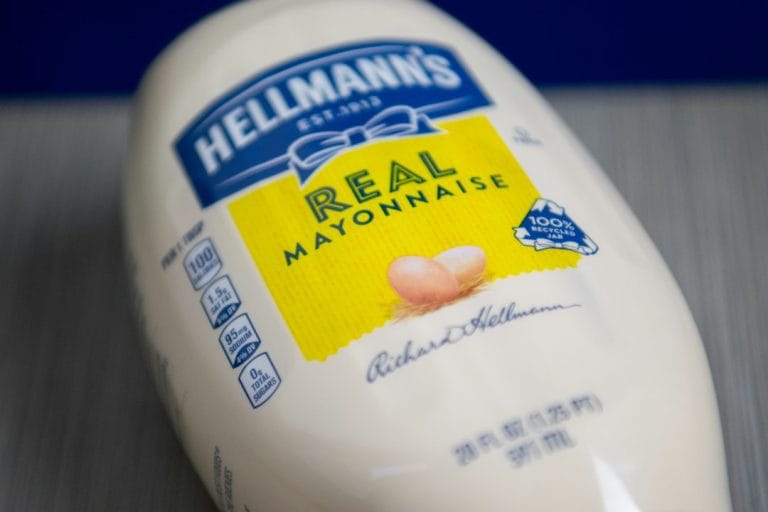
A kitchen-condiment trick parents keep passing around, and what the evidence actually says about it.
If you have ever found yourself picking through a child’s scalp at the kitchen table, you have probably heard the whisper: skip the drugstore shampoo and reach for the mayonnaise instead. It sounds absurd, and yet the tip refuses to die. Plenty of people swear a thick coat of full-fat mayo left on overnight sent their lice packing.
Here is the honest version. No controlled study has proven that mayonnaise kills head lice. What exists is anecdotal, the shared experience of parents who tried it and felt it helped. That does not make it magic, and it does not make it a substitute for real treatment. But the logic behind it is worth understanding before you decide whether to bother.
Key Takeaways
– Full-fat mayonnaise is a popular home remedy for head lice, though there is no scientific proof it works.
– The theory is suffocation: a heavy oily coat, left on for 12 hours or more, may smother live lice.
– It does not kill nits (eggs), which can survive and hatch, so reinfestation is common.
– People with egg allergies should avoid it, and it can turn rancid and unpleasant within hours.
– Treat it as a helper at best. Medicated products and a good comb-out do the heavy lifting.
Does Mayonnaise Actually Smother Lice?
Mayonnaise is mostly vegetable oil, blended with egg yolk and a splash of vinegar. That fat content is the whole point here. When you slather it on generously and seal it under a cap, the idea is that the oil clogs the breathing holes lice use, essentially drowning them in grease.
That mechanism is plausible for adult lice, which is why the remedy needs a long sit. A quick rinse does nothing. To have any shot at working, the coat has to stay on for at least 12 hours, ideally overnight. Even then, the effect is limited to bugs you can reach, and it does nothing to break the cycle of eggs waiting to hatch.
The Mayonnaise and Coconut Oil Method
 Save
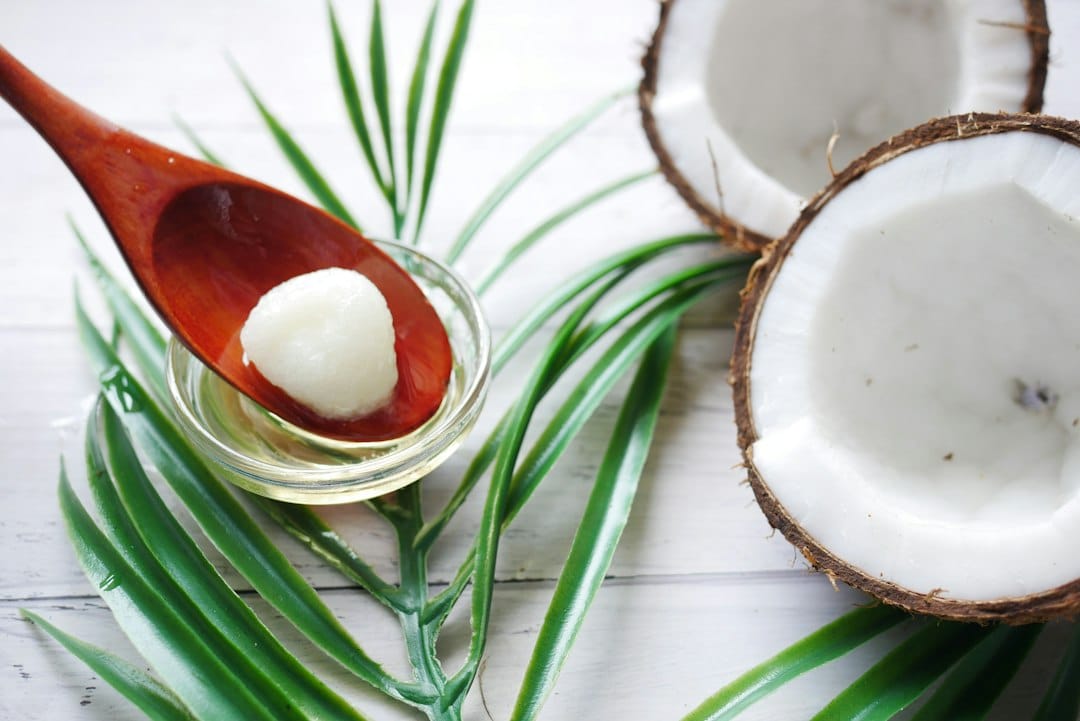
Adding a little coconut oil thins the mayo slightly and boosts the overall oil load, which is the part doing the smothering. This is the most common version people describe.
What you need: full-fat mayonnaise (enough to coat your hair length), a few drops of coconut oil, and a snug shower cap.
1. Stir the mayonnaise and coconut oil together in a bowl.
2. Work the mixture from the scalp all the way to the ends, coating every strand.
3. Cover with the shower cap and leave it on for a full 12 hours or overnight.
4. Shampoo it out the next day, ideally with a medicated lice shampoo.
5. Comb through to lift out the dead lice, then rinse again.
People who use this method usually repeat it about three times a week. It is a greasy, patient process, closer in spirit to a deep home treatment for thinning and shedding hair than a quick fix, so set your expectations accordingly.
Adding Vinegar and Tea Tree Oil
 Save
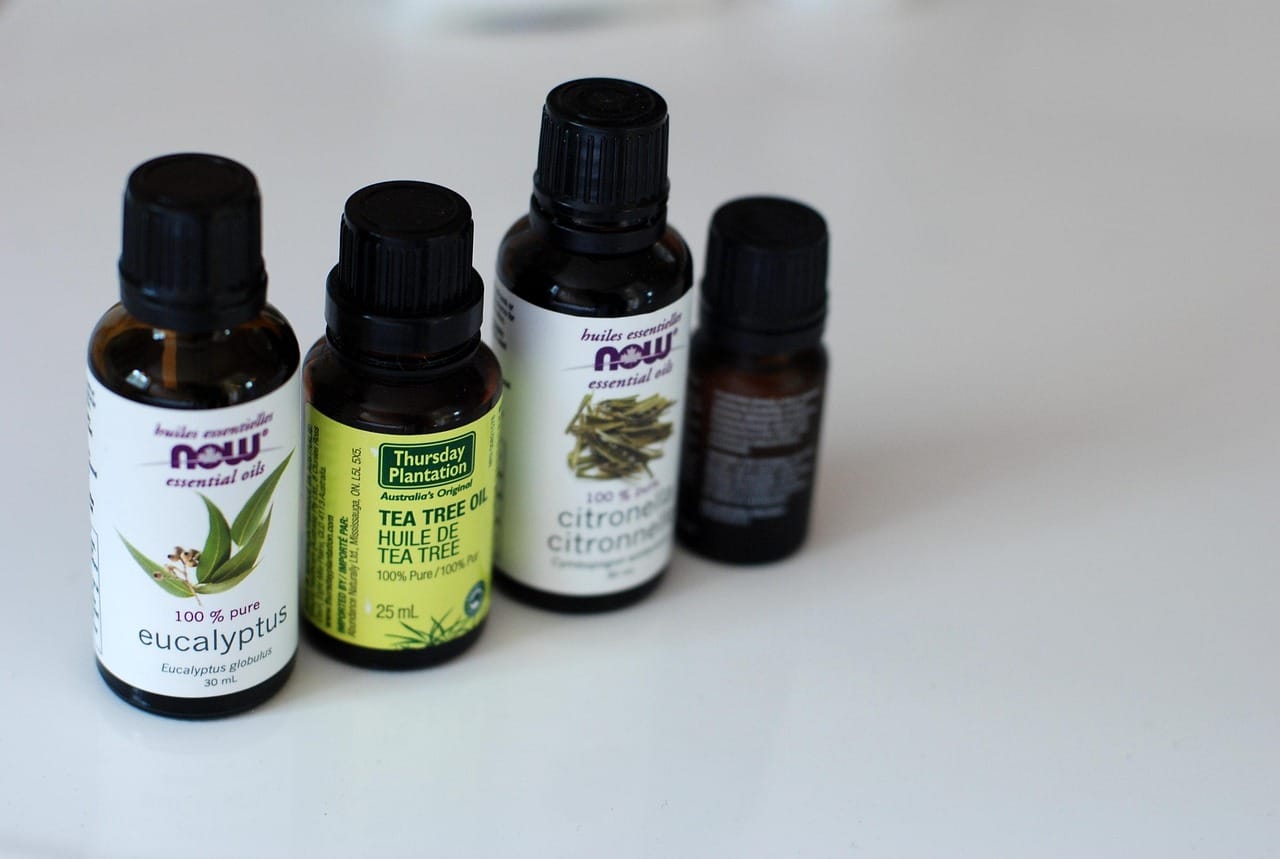
The second popular blend leans on tea tree oil, which some research suggests can be toxic to lice, though it struggles against the eggs. Vinegar earns its place for a different reason: it helps loosen the glue-like cement that fixes nits to the hair shaft, making them easier to comb away.
What you need: full-fat mayonnaise, 5 to 10 drops of tea tree oil, and about 1/8 teaspoon of vinegar.
Mix everything, apply from root to tip, and leave it on for around two hours rather than overnight. Shampoo, then comb the dead lice out of wet hair. Most people repeat this twice a week. One blogger described using a similar mix on her daughter, followed by an apple cider vinegar spray, and found no live lice after the first round and only a stray one on a later comb-through. Apple cider vinegar shows up a lot in these stories for the same nit-loosening reason.
Tea tree oil turns up in all sorts of home fixes, from calming an itchy insect bite you scratched raw to spot-treating skin, so a small bottle rarely goes to waste.
What About the Nits?
 Save
This is where mayonnaise, and honestly most home remedies, fall short. Nits are the eggs cemented near the scalp, and they can linger in hair for up to six months. Oil does not reliably kill them. If even a few survive and hatch, you are right back where you started within days.
That is why the comb matters as much as the goop. After any treatment, run a fine-toothed metal lice comb through damp, sectioned hair to physically drag out eggs and stragglers, cleaning the comb between passes. Skipping this step is the single most common reason a “cure” fails.
Staying Safe While You Try It
 Save
A few practical guardrails keep this from backfiring:
Use a tight-fitting shower cap, never plastic wrap or a bag over a child’s face.
Do not leave the overnight version on young children, who may tug strands loose and chew on them. Mayonnaise goes rancid in a few hours, and eating it can cause an upset stomach.
Always use full-fat mayo. Low-fat versions lack the oil to smother anything.
Skip it entirely if there is any egg allergy in the picture.
There are downsides worth naming. It smells sour as it warms up, and if your skin runs oily, the fat can trigger breakouts along the hairline, so the same care you’d give to keeping your complexion clear and calm applies here too.
When It’s Time to Reach for Something Stronger
Home remedies can lighten an infestation and buy you time, but they are not a guaranteed clearance, and they should not be your only plan. Severe or stubborn cases need medicated treatment, and products like benzyl alcohol lotion have clinical backing that mayonnaise simply does not. If a couple of careful rounds and a thorough comb-out have not cleared things, call your pediatrician or pharmacist rather than starting a fourth batch of condiment.
Frequently Asked Questions
Do you put mayo on wet or dry hair?
Dry hair works better. On dry strands the mayonnaise sits and coats more thickly, which improves its chances of smothering the lice.
Does mayonnaise or coconut oil kill lice better?
Both work the same way, by suffocation, and neither is scientifically proven. That is exactly why they are often combined rather than used alone.
What if the mayonnaise does not work?
Move on. You can try other anecdotal options like coconut oil infused with neem, or tea tree oil, but the reliable route is a medicated lice product paired with diligent combing.
The Bottom Line
Mayonnaise for head lice is a folk remedy, not a proven treatment. A heavy, well-sealed coat left on for hours may smother some live bugs, and a follow-up comb-out can clear the survivors. What it cannot do is kill the eggs, which is why reinfestation is so common. If you want to try it, use full-fat mayo, mind the egg-allergy and rancidity risks, and treat it as one step alongside a fine comb and, when needed, a medicated product.
This article is for general information only and is not a substitute for professional medical advice. Consult a healthcare provider or pharmacist before starting any treatment, especially for children or if allergies are a concern.