
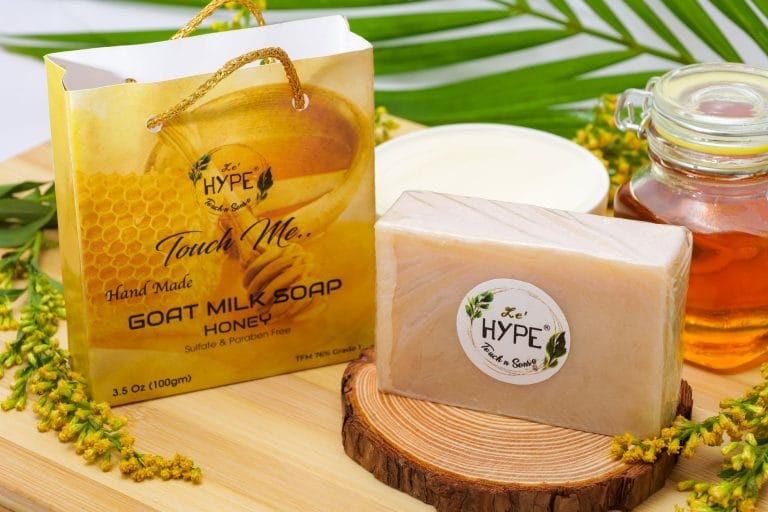
Creamy, mild, and rich in skin-loving fats and vitamins — here’s why goat milk soap has become a favorite for sensitive skin.
If commercial soaps leave your skin tight and dry, goat milk soap might be the gentler alternative you’ve been looking for. Unlike harsh detergent bars, it’s rich in fatty acids, vitamins, and naturally occurring lactic acid that clean without stripping your skin’s moisture. That combination is why it’s especially popular for dry, sensitive, or irritation-prone skin.
Here’s what makes goat milk soap special, plus a few things to keep in mind.
What Makes Goat Milk Soap Different
Goat milk is naturally rich in fatty acids, cholesterol, and triglycerides that mirror the lipids in your skin, plus vitamins A and C and minerals (3). It also contains lactic acid — a gentle alpha-hydroxy acid that helps slough off dead skin cells. Because goat milk soap is typically made with these intact (rather than stripped out as in many mass-produced bars), it cleanses while helping the skin hold onto moisture.
Key Takeaways
– Gentle but effective — cleans without stripping the skin’s natural oils.
– Naturally moisturizing — fatty acids and glycerin help skin stay soft and hydrated.
– Rich in nutrients — vitamins A and C support skin health (10).
– Mildly exfoliating — lactic acid helps remove dead skin cells.
Benefits for Your Skin
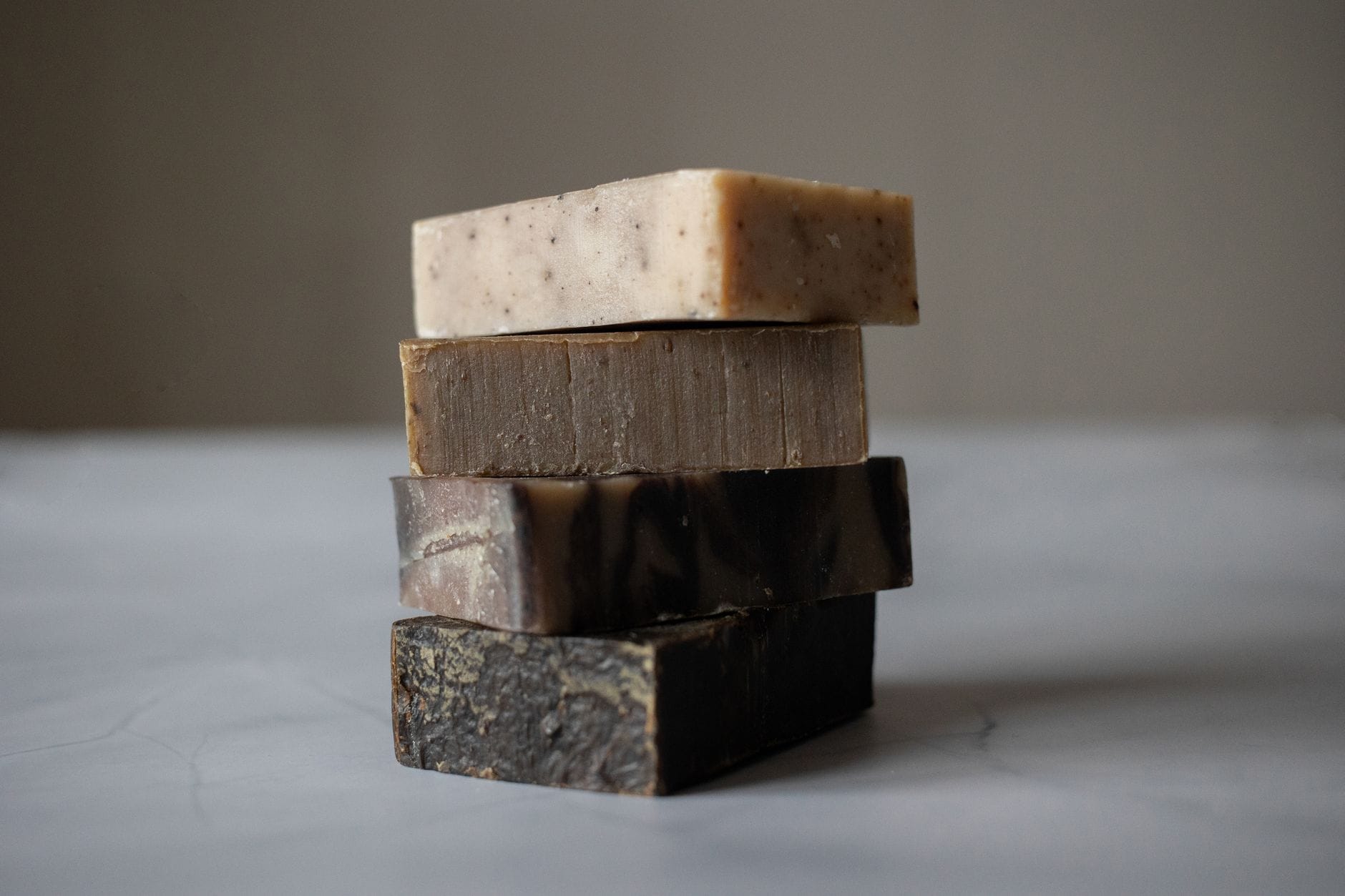
1. Cleanses gently yet deeply. It lifts away dirt and oil without the tight, stripped feeling harsh soaps leave behind.
2. Nourishes the skin. Its vitamins and minerals support overall skin health and a healthy glow.
3. Keeps skin soft and moisturized. Fatty acids and natural glycerin lock in hydration, making it ideal for dry skin.
4. May help slow visible aging. Antioxidant vitamins like A and C help defend against the free-radical damage behind premature aging (9), (10).
5. Can help keep skin clear. Its gentle, non-stripping cleansing suits acne-prone skin that reacts badly to harsh bars.
6. Soothes irritation and inflammation. Many people with sensitive or reactive skin find it calming.
7. Supports skin healing. Nutrients and gentle exfoliation can help skin repair and renew.
8. Helps maintain the skin’s pH balance. A milder formula is less likely to disrupt the skin’s natural acid mantle.
9. Encourages cell turnover. The lactic acid gently exfoliates, helping reveal fresher skin.
10. Provides nutrient-rich care overall — a simple way to treat your skin kindly every day.
Things to Keep in Mind
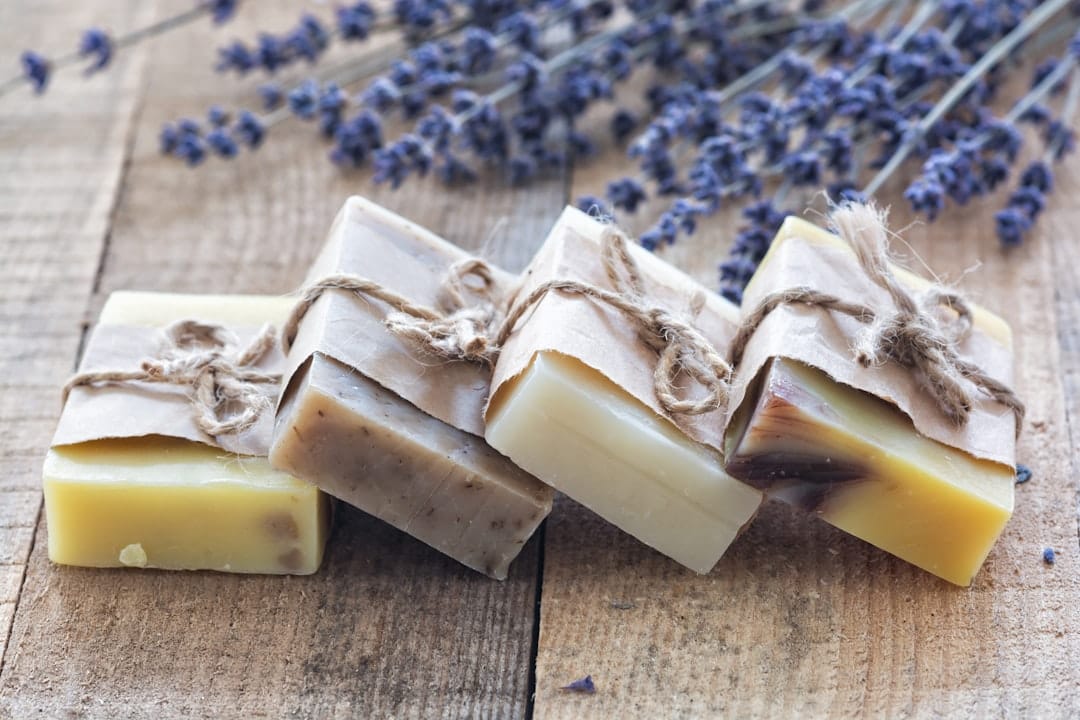
Goat milk soap is well tolerated by most people, but a few cautions apply:
Dairy or milk-protein allergies — if you’re allergic to goat milk, patch-test before regular use.
Quality varies — look for bars where goat milk is a primary ingredient, not a token addition.
Shelf life — because it contains real milk and oils, a natural bar can spoil eventually; store it dry between uses and use it within its recommended window.
Patch-test new bars, especially if your skin is reactive or you have eczema.
Frequently Asked Questions
Is goat milk soap good for sensitive skin?
Yes — its gentle, moisturizing formula is one of the main reasons people with sensitive or dry skin choose it.
Can goat milk soap be used on the face?
Generally yes, but patch-test first and choose a bar formulated for facial use if you have acne-prone skin.
Does goat milk soap expire?
Natural bars do have a shelf life because of their milk and oil content. Keep them dry and use within the maker’s recommended period.
The Bottom Line
Goat milk soap earns its reputation as a kinder cleanser: its fatty acids, vitamins, and lactic acid clean and gently exfoliate while helping skin stay soft and hydrated. It’s especially worth trying if harsh soaps leave your skin dry or irritated. Choose a quality bar where goat milk is a real ingredient, store it dry, and patch-test first if your skin is sensitive or you have a dairy allergy.
This article is for general informational purposes only and isn’t a substitute for professional medical or dermatological advice. Patch-test new products and consult a dermatologist if you have a skin condition or known allergies.