
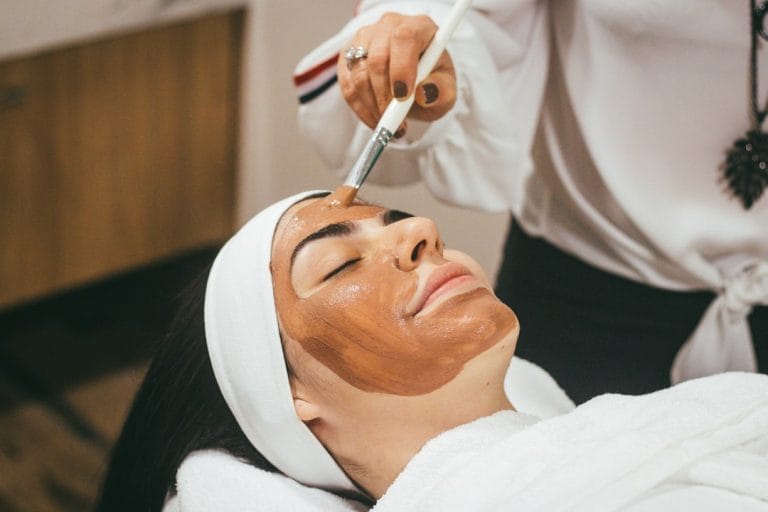
Simple, kitchen-friendly rituals to bring back your skin’s natural glow.
Clear, radiant skin rarely happens by accident. Dust, pollution, humidity, harsh weather, patchy sleep, a diet heavy on junk food, and everyday dehydration can all quietly dull your complexion and rob it of moisture. Makeup can mask the signs for a few hours, but it never makes skin healthy from within.
The good news is that a few consistent, gentle habits go a long way. Pair a balanced diet and active lifestyle with regular cleansing, toning, and moisturizing, and your skin has what it needs to look its best. If you’re still searching for extra help, the natural remedies below can support that glow using ingredients you likely already have at home.
Key Takeaways
– Clear skin is built on lifestyle first—good sleep, hydration, a balanced diet, and gentle daily care.
– Hydrating from the inside with detox water and green tea supports skin health while flushing your system.
– Ingredients like aloe vera, honey, oatmeal, and olive oil soothe, moisturize, and calm inflammation.
– Acidic remedies such as lemon can irritate sensitive skin—always patch test first.
– Consistency matters more than intensity; results build over weeks, not days.
Nourish Your Skin From the Inside
 Save
SaveWhat you sip shows up on your face. Staying well hydrated keeps skin supple and helps clear away the internal factors that trigger breakouts.
Detox Water
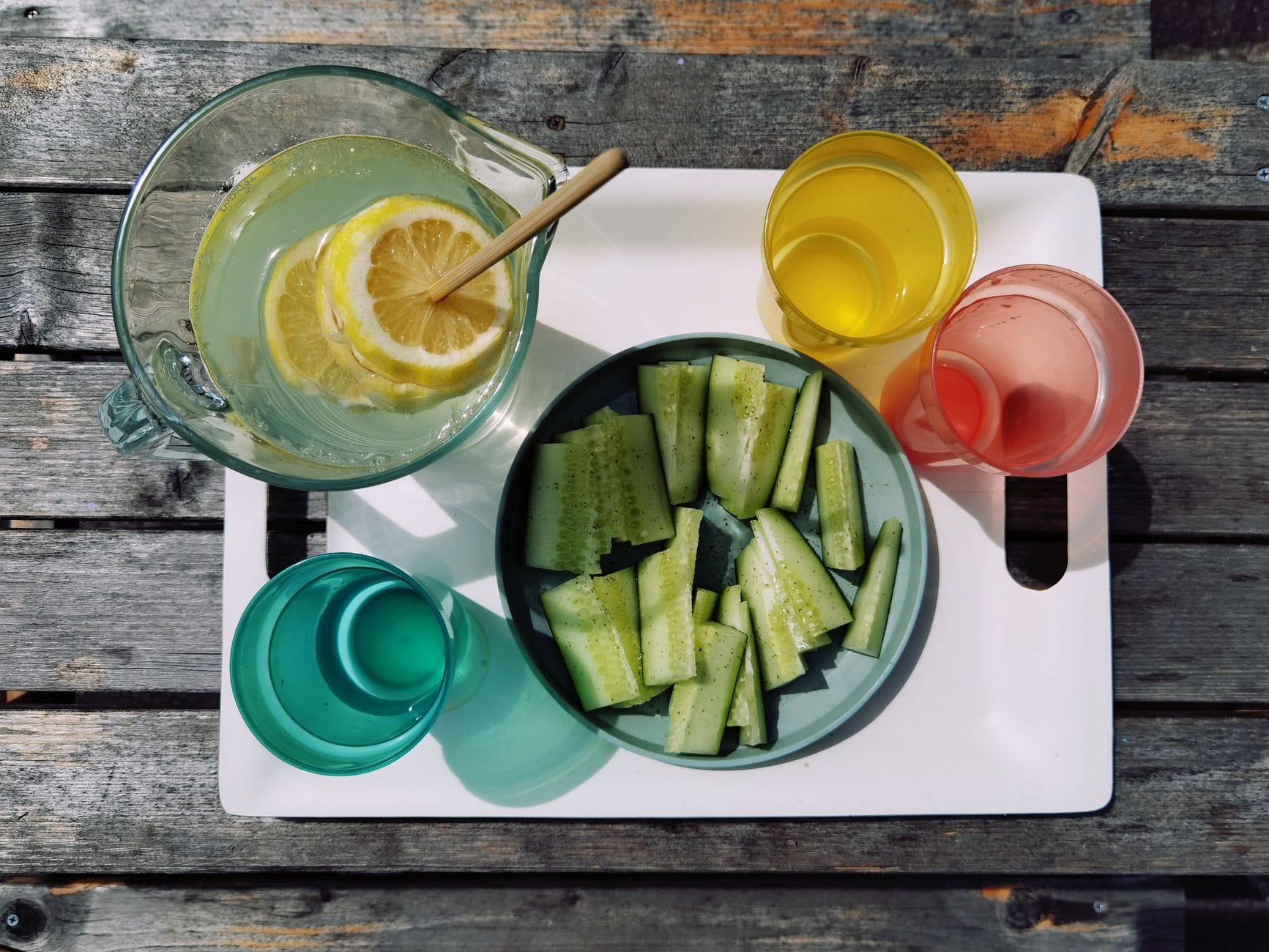
A refreshing infused water is one of the easiest ways to start. Cucumber has cooling, rejuvenating properties, lemon may help balance hormonal factors linked to spots and acne, and mint eases indigestion while calming internal irritation.
Slice one cucumber and one lemon into a pitcher, toss in a handful of mint leaves, and pour over about two liters of water. Refrigerate, then sip throughout the day. Enjoy it daily for lasting benefits.
Green Tea
 Save
SaveGreen tea is a favorite for a reason. It’s rich in antioxidants that help nourish, heal, and detoxify the body, and that inner care reflects on your skin. Steep a tea bag in hot water for a few minutes, then stir in a little honey and lemon juice to taste. Two to three warm cups a day is plenty. You can even reach for face washes, moisturizers, and facial packs formulated with green tea for the same skin-loving benefits.
A word of caution: don’t overdo it. More than about eight cups daily delivers too much caffeine and can cause headaches or a racing heart.
Soothing Masks and Oils
 Save
SaveTopical remedies work best when they calm, hydrate, and gently exfoliate rather than strip the skin.
Aloe Vera
 Save
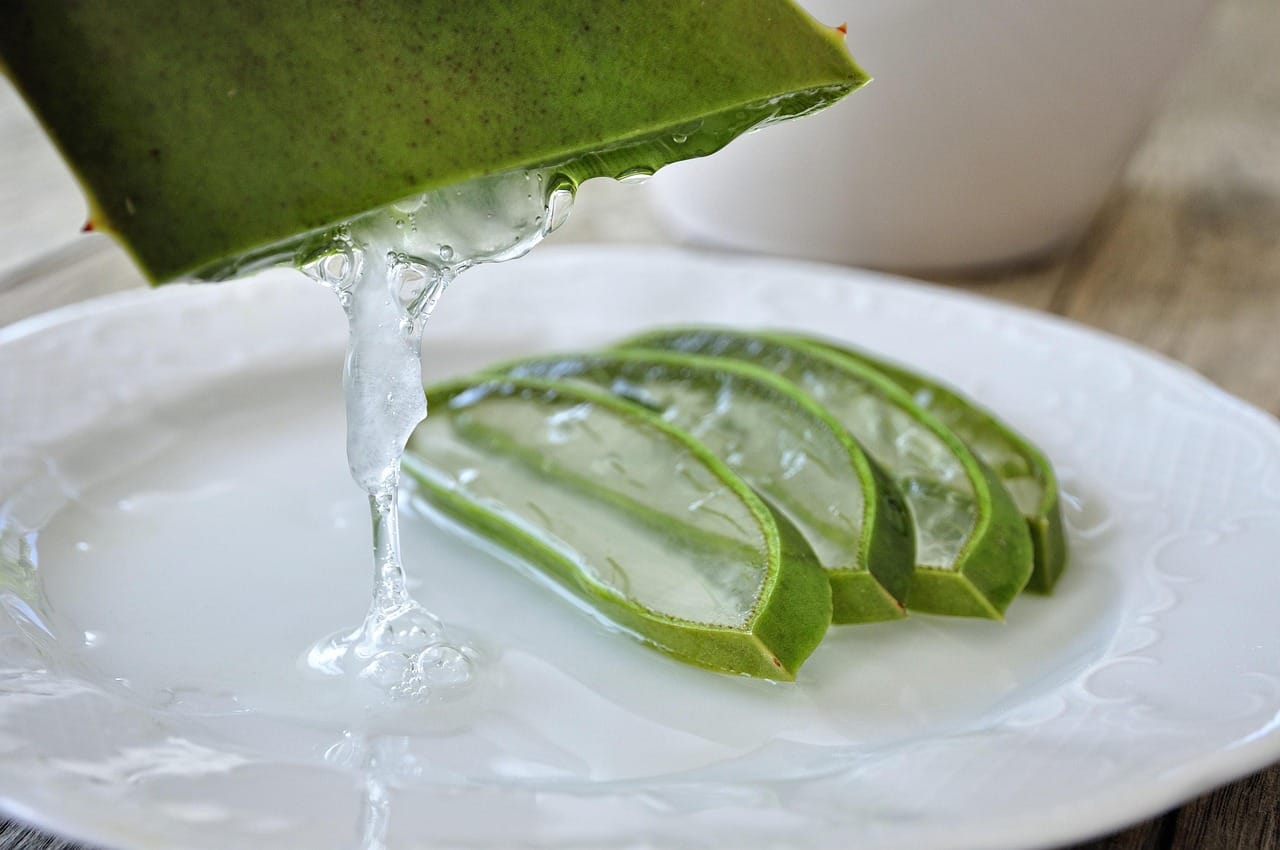
SaveAloe vera is a standout for irritated or dry skin. It’s antiseptic and anti-inflammatory, helps support collagen and elastin for better elasticity, and acts as a mild astringent that tightens pores. It’s also deeply moisturizing, easing dryness and flaking.
Slice open a fresh leaf, remove the thorny edges and green skin, and scoop out the clear gel. Rub it directly onto your face or blend it into a light pulp first. Because aloe doesn’t suit everyone, patch test before your first full application.
Honey
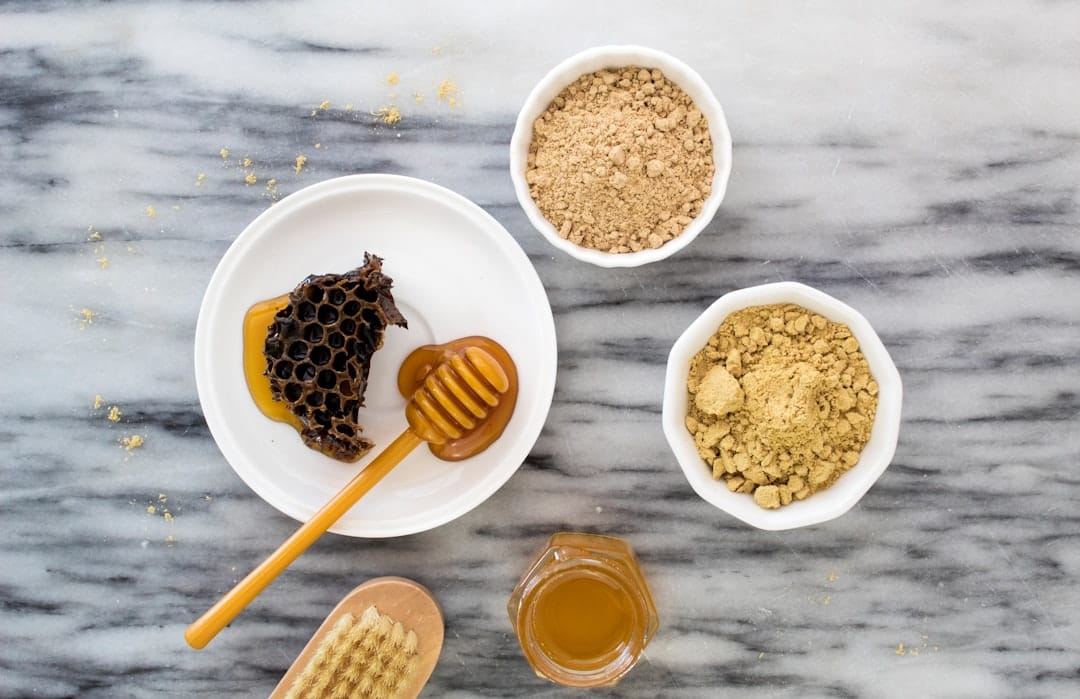
Raw honey is packed with skin-loving vitamins, minerals, and antioxidant flavonoids, plus emollient properties that soften and moisturize. Smooth a thin layer over a clean, dry face, leave it for about 15 minutes, then rinse with lukewarm water. It’s gentle enough for daily use.
Oatmeal
Oatmeal soothes and exfoliates at once, lifting away dead skin cells while moisturizing and calming inflammation. Mix two tablespoons of oatmeal with a teaspoon each of lemon juice and honey, adding a splash of water to form a thick paste. Apply to your face and neck, wait 15 minutes, and rinse with lukewarm water. Use it twice a week.
Olive Oil
Extra virgin olive oil offers vitamin E to hydrate and restore elasticity, along with phenolic compounds that ease inflammation and reduce oxidative damage. Massage a few drops into your skin in circular motions, let it sit briefly, then wipe away with a washcloth dipped in warm—not scalding—water. It makes a lovely nighttime ritual.
Coconut Oil
Virgin coconut oil moisturizes while its antimicrobial and antioxidant phytochemicals help keep skin clean and defend against free radicals. Warm a little, dot it over your skin, massage for a minute or two, then blot away the excess with a cotton pad. Skip this one if you’re acne-prone, as coconut oil can worsen breakouts.
Brightening and Toning Remedies
Lemon
Lemon juice is loaded with vitamin C, which supports skin brightening and may help fade blemishes. Rub half a lemon over your skin in circular motions for about five minutes, then rinse with cold water. Because it’s highly acidic, sensitive skin can react with redness or burning—always patch test on your inner elbow and wait 30 minutes before using it on your face.
Rose Water
Rose water is a classic toner with anti-inflammatory and antioxidant benefits, and it encourages collagen and elastin for firmer-looking skin. Chill it for 30 minutes, sweep it over a clean face and neck with a cotton ball, let it air dry, then moisturize as usual.
Frequently Asked Questions
How long does it take to see clearer skin with home remedies?
Natural remedies work gradually. With consistent use and healthy habits, most people notice improvements over several weeks rather than overnight.
Can I use these remedies if I have acne-prone skin?
Some, like aloe vera and green tea, tend to be gentle, but avoid comedogenic options such as coconut oil. When in doubt, patch test and introduce one remedy at a time.
Do I still need a skincare routine if I use these?
Yes. These remedies support—not replace—regular gentle cleansing, toning, and moisturizing, plus good sleep, hydration, and a balanced diet.
The Bottom Line
Clear, glowing skin comes from the inside out. Hydrating drinks like detox water and green tea, paired with calming topical treatments such as aloe vera, honey, oatmeal, and olive oil, can help restore radiance when used consistently. Be cautious with acidic ingredients, patch test anything new, and remember that steady daily care beats any quick fix.

This article is for informational purposes only and is not a substitute for professional medical advice. Consult a qualified healthcare provider or dermatologist before starting any new skincare regimen, especially if you have sensitive or acne-prone skin or a known condition.