

A kitchen staple with a glowing reputation, olive oil still has a few downsides worth knowing before you pour it on everything.
Olive oil has earned its place in both the pantry and the bathroom cabinet. It shows up in salad dressings, hair masks, baby massage routines, and half the wellness advice on the internet. Most of that praise is deserved.
Still, no ingredient is good for everyone in every amount. Used heavily on the skin or eaten with a free hand, olive oil can cause real problems, from clogged pores to medication interference. Knowing where the limits are lets you enjoy it without the surprises.
Key Takeaways
– Applied too generously, olive oil can clog pores and trigger acne, blackheads, or rashes, especially on oily skin.
– Research suggests it can weaken the skin barrier, making it a poor choice for very dry skin and for infant massage.
– It may lower blood sugar and blood pressure, and it can interact with medications such as blood thinners.
– At roughly 120 calories per tablespoon, regular overuse can contribute to weight gain.
– Large amounts may cause digestive trouble, including diarrhea and gallbladder complaints.
First, Know Your Olive Oils
 Save
Not all bottles are equal. Extra virgin olive oil is the highest grade, cold-pressed from pure olives. Virgin olive oil is also cold-pressed but slightly more acidic, with a milder flavor. Pure olive oil blends refined and virgin oils, losing some nutrition along the way, while light olive oil is a refined version often reserved for frying and baking.
Quality matters for the risks below, because refining changes the oil itself, not just the taste.
When Olive Oil Backfires on Your Skin
 Save
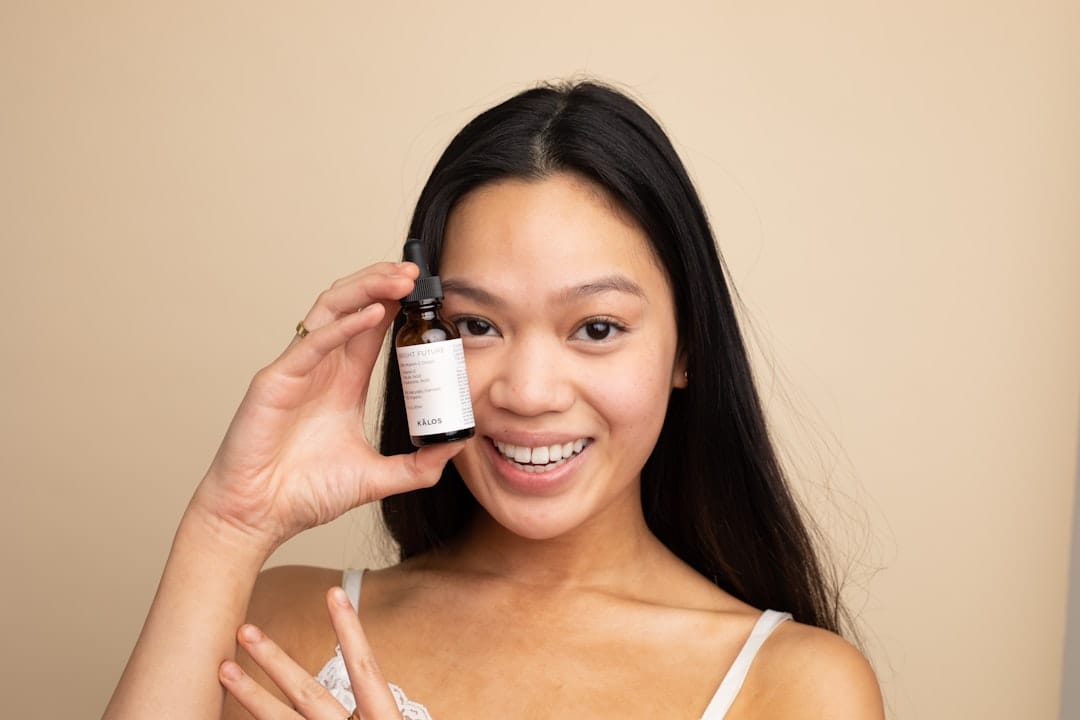
Olive oil is a heavy oil. It sits on the surface rather than sinking in quickly, and that film can seal dirt, dead skin, and your own sebum against your pores. The result, for some people, is acne and blackheads rather than a glow.
Clinical dietitian Jesse Feder of Memorial Regional Hospital South puts it simply: the vitamin E, antioxidants, and healthy fats in olive oil can protect and moisturize skin, but too much of it can clog pores and cause breakouts. A thin layer is the way to go.
If your skin is naturally oily, the math gets worse. Extra oil on top of uncontrolled sebum production can lead to irritation, redness, and rashes. For oily skin types, skipping olive oil altogether is the safer call. Everyone else can keep application modest, around twice a week.
It Is a Poor Match for Dry Skin and Baby Skin
This one surprises people, since olive oil is marketed as a moisturizer. The oleic acid it contains appears to interfere with the skin’s own moisturizing function when skin is already dry.
A randomized controlled trial in Pediatric Dermatology had 19 adults apply olive oil to one forearm and sunflower seed oil to the other for four to five weeks. Olive oil significantly reduced the integrity of the stratum corneum, the skin’s outer barrier, and caused mild redness, regardless of whether participants had a history of atopic dermatitis. Sunflower seed oil did the opposite: it preserved the barrier and improved hydration. The authors recommended against olive oil for treating dry skin and for infant massage.
Babies deserve extra caution anyway. Their skin is highly sensitive, and with a newborn you simply don’t know yet what they’re allergic to. Coconut oil is a gentler default. If you do use olive oil on a baby, stick to a good quality extra virgin.
Can You Actually Be Allergic to Olive Oil?
Yes, though it’s uncommon. Reactions can include contact dermatitis, eczema, and respiratory symptoms, most often after topical use. A case report in the Journal of the American Academy of Dermatology described a masseur who developed hand eczema from using olive oil in his work; patch testing came back positive, though an oral test did not. Prolonged skin exposure, as in massage work, seems to raise the risk of sensitization.
Food reactions happen too. Lifestyle blogger Glenda Chung Hinchey has written that even a tablespoon sends her running to the bathroom, and a friend of hers vomits after eating it. If you notice symptoms like these, see your physician rather than waiting it out.
The Fat and Calorie Math
Olive oil is mostly monounsaturated fat, which is the healthy kind, but each tablespoon still delivers about 120 calories and roughly 14% saturated fat. That calorie load is nearly three times what you’d get from a 4-ounce chicken breast. Poured freely every day, it can quietly drive weight gain, and heavy long-term intake has been linked to raised risks of atherosclerosis, obesity, and heart disease.
Refined and partially hydrogenated olive oils carry a separate concern. High heat and pressure alter the oil’s molecular structure, destroy its omega-3 fatty acids, and can affect cholesterol levels. Another reason to favor extra virgin and use it sparingly.
Blood Sugar, Blood Pressure, and Medication Interactions
 Save
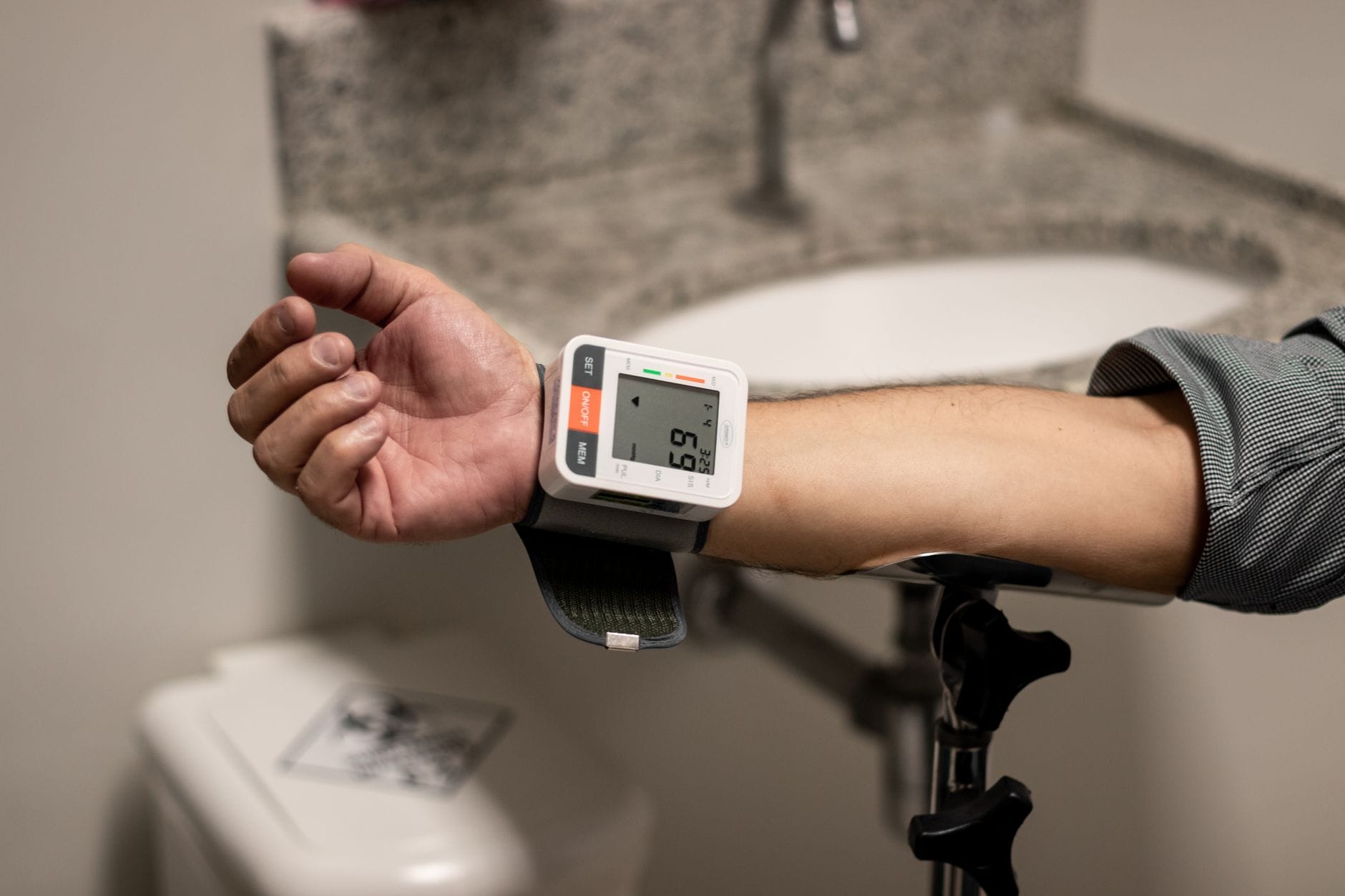
Olive oil may lower blood sugar, which is worth knowing if your levels are already managed with medication. It can also lower blood pressure. Over the long term, an excessive drop has been associated with fainting, and in severe cases with stroke or kidney failure.
It may also interfere with certain medications, blood thinners in particular, reducing how well they work. If you take either type of drug, mention your olive oil habits to your doctor. This part of the research is less settled than the skin findings, but the caution costs you nothing.
Digestive Side Effects
 Save
In large quantities, olive oil can loosen things up more than you’d like, causing diarrhea and abdominal discomfort. It has also been linked to gallbladder stones and blockages in susceptible people. Persistent stomach pain, nausea, or vomiting after consuming it is your cue to seek medical attention.
Frequently Asked Questions
Is olive oil safe to eat every day?
For most people, yes, in moderate amounts. The problems described here come mainly from overuse, allergies, or interactions with specific medications. A tablespoon or two in cooking is a different story from drizzling it over every meal.
Should I put olive oil on my face?
It depends on your skin. Oily and acne-prone skin should avoid it, and research suggests very dry or eczema-prone skin may do better with sunflower seed oil. If you use it, apply a thin layer no more than about twice a week.
Which type of olive oil is the best choice?
Extra virgin. It’s cold-pressed and unrefined, so it avoids the trans-fat concerns that come with heavily processed versions. It’s also the grade recommended if you insist on using olive oil on a baby’s skin.
The Bottom Line
Olive oil isn’t the villain, and it isn’t a cure-all either. Its risks cluster around three situations: heavy topical use on the wrong skin type, large daily amounts in the diet, and specific medical contexts like blood thinners or blood sugar medication. Keep portions sensible, patch test before slathering it on, and choose extra virgin when quality matters. Handled that way, it stays what it should be, a useful ingredient rather than an unexpected problem.
This article is for informational purposes only and is not a substitute for professional medical advice, diagnosis, or treatment. Always consult a qualified healthcare provider with questions about a medical condition or before changing your diet, medications, or skincare routine.
References
1. Occupational allergic contact dermatitis from olive oil in a masseur, case report, Journal of the American Academy of Dermatology.
2. Randomized controlled trial comparing the effects of olive oil and sunflower seed oil on the adult skin barrier, Pediatric Dermatology.