
A practical look at eating to calm chronic inflammation, without the fad-diet noise.
Chronic inflammation sits quietly behind a surprising number of health problems, from stiff joints to heart disease. You can’t feel it the way you feel a sprained ankle, which is part of what makes it so easy to ignore.
The good news is that food gives you real leverage here. An anti-inflammatory diet isn’t a single rigid plan so much as a way of eating built around whole foods, produce, and healthy fats, with processed foods pushed to the margins. Here’s what that looks like in practice, which version might suit you, and who should be cautious before starting.
Key Takeaways
– The core idea is simple: eat mostly whole foods, fruits, vegetables, and healthy fats, and cut back on processed items that aggravate inflammation.
– Several established diets fit under this umbrella, including Mediterranean, Paleo, vegan, and the autoimmune protocol.
– Research links anti-inflammatory eating to steadier blood sugar, better joint comfort, and a lower risk of certain cancers.
– Gut and skin health may improve too, thanks to fiber, antioxidants, and omega-3 fats.
– This is a long-term approach, and it isn’t right for everyone. People with kidney problems, existing nutrient deficiencies, or who are pregnant or breastfeeding should check with a doctor first.
What This Diet Is Really About
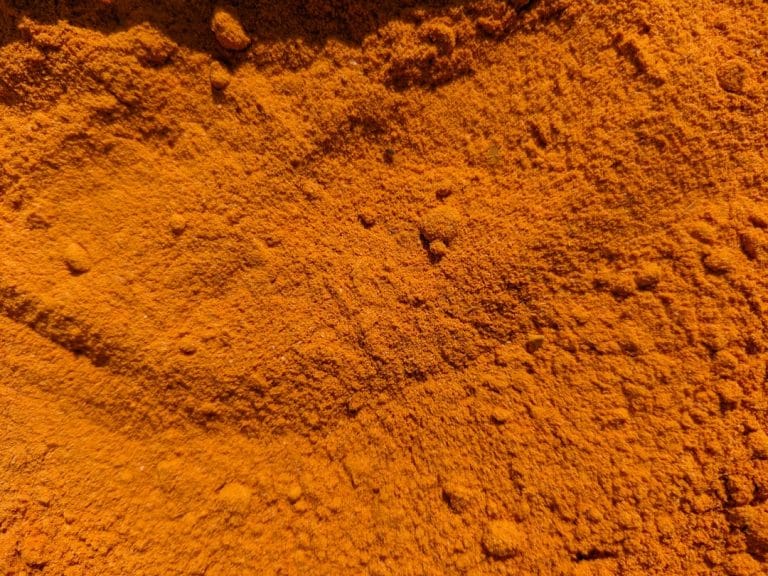
At its heart, an anti-inflammatory diet fills your plate with fruits, vegetables, whole grains, lean proteins like fish and chicken, and fats from sources such as olive oil and nuts. It leans on herbs and spices, turmeric especially, for both flavor and their own calming effects on inflammation.
Just as important is what it leaves out. Processed foods, sugary snacks, and trans fats are the usual suspects that stoke inflammation, so they get minimized. The goal is lowering your risk of inflammation-related conditions, including heart problems and autoimmune disorders, while supporting your health overall.
Which Version Fits Your Life?
The principle stays the same across every variation, but the details differ enough that it’s worth picking deliberately.
Mediterranean
 Save
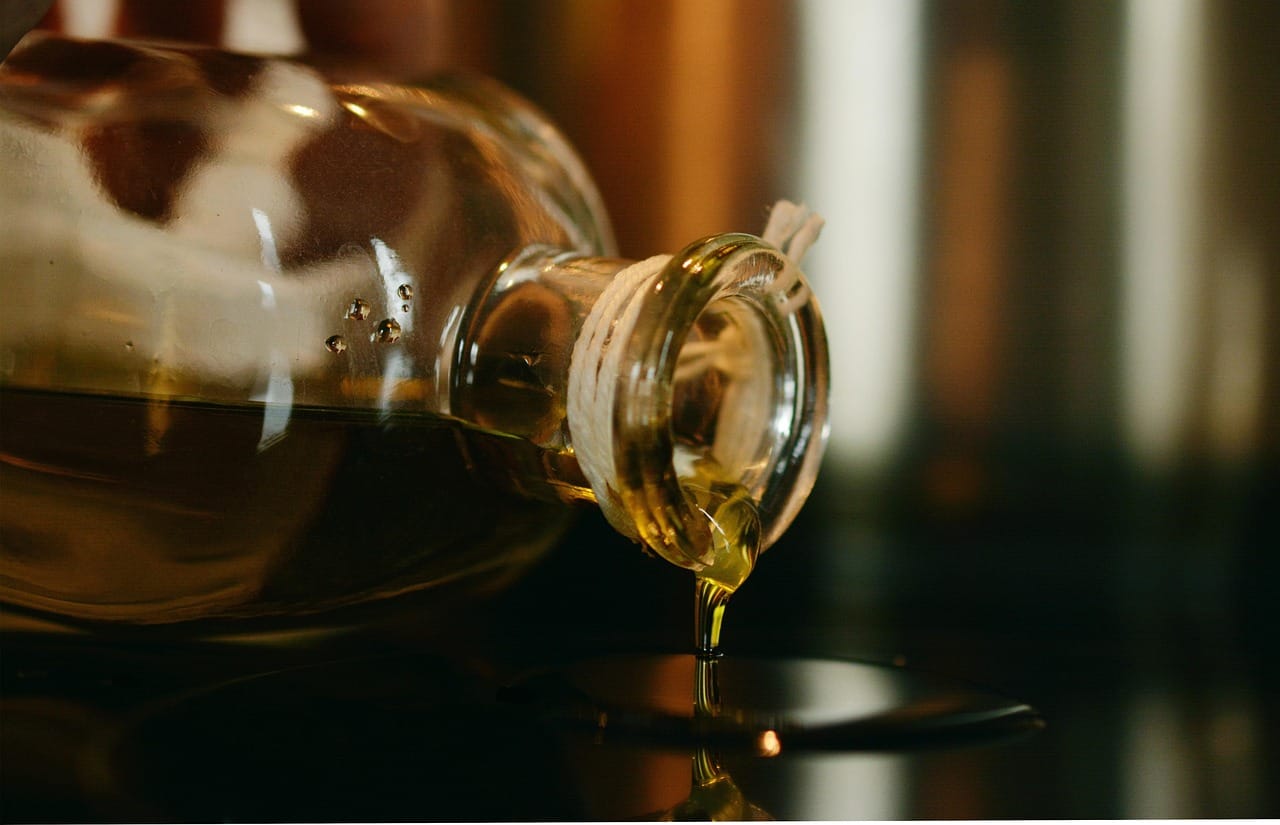
Inspired by the eating patterns of countries along the Mediterranean Sea, this version emphasizes fresh produce, whole grains, fish, poultry, olive oil, and nuts, while limiting red meat and processed foods. It may help reduce the risk of chronic disease and inflammation, and it adapts easily to different preferences, which makes it the most livable option for many people.
Paleo
Paleo centers on whole, unprocessed foods such as lean meats, seafood, fruits, vegetables, nuts, and seeds. It excludes grains, dairy, and packaged foods entirely, with the aim of easing inflammation.
Ketogenic
Keto flips the usual macronutrient balance toward high fat, moderate protein, and very few carbohydrates, pushing the body into ketosis. Some elements of it may have anti-inflammatory properties, though the diet wasn’t designed for that purpose. If lowering inflammation is your goal with keto, work with a registered dietitian on a plan tailored to you.
Vegan
 Save
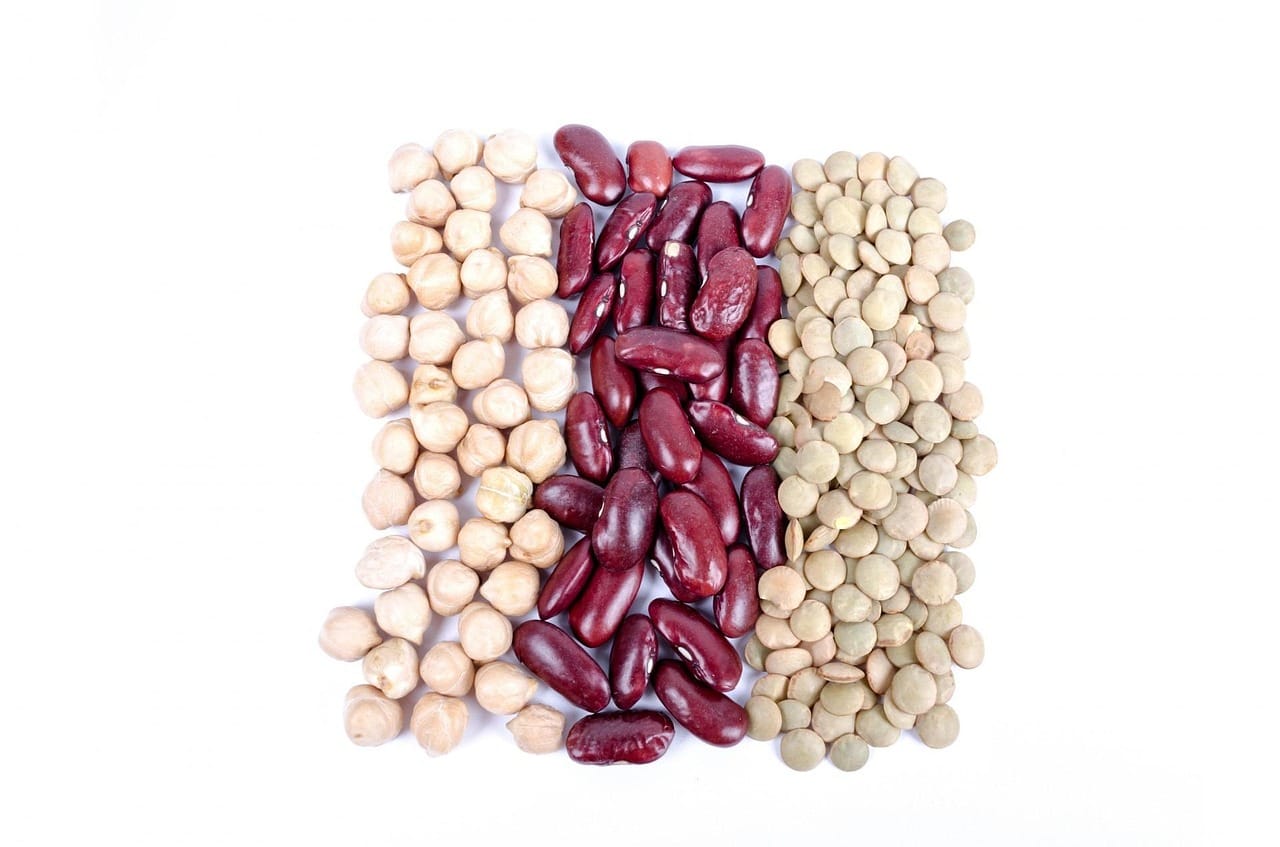
A plant-based approach draws on fruits, vegetables, legumes, and grains, skipping saturated animal fats and leaning heavily on plant antioxidants to help subdue inflammation.
Autoimmune Protocol (AIP)
AIP is an elimination plan built for people managing autoimmune conditions. It goes further than Paleo, cutting processed foods, alcohol, additives, refined sugars, coffee, tea, and certain oils to help calm the immune system.
What the Research Says
 Save
The benefits of eating this way stack up across several areas of health.
Blood sugar is one of the clearest. Whole grains and low-glycemic vegetables help keep your glycemic response steady rather than spiking after meals. Joint health is another: for people with conditions like arthritis, anti-inflammatory foods may ease pain and improve mobility.
A diet rich in vegetables, legumes, fruits, nuts, seeds, cereals, and olive oil may also lower the risk of certain cancers. There’s early evidence that anti-inflammatory foods, particularly nuts, support cognitive function, though this part is less settled and more research is needed.
Your skin may benefit as well. Acne is itself a chronic inflammatory condition, and fresh produce, grains, and healthy fats may help manage breakouts.
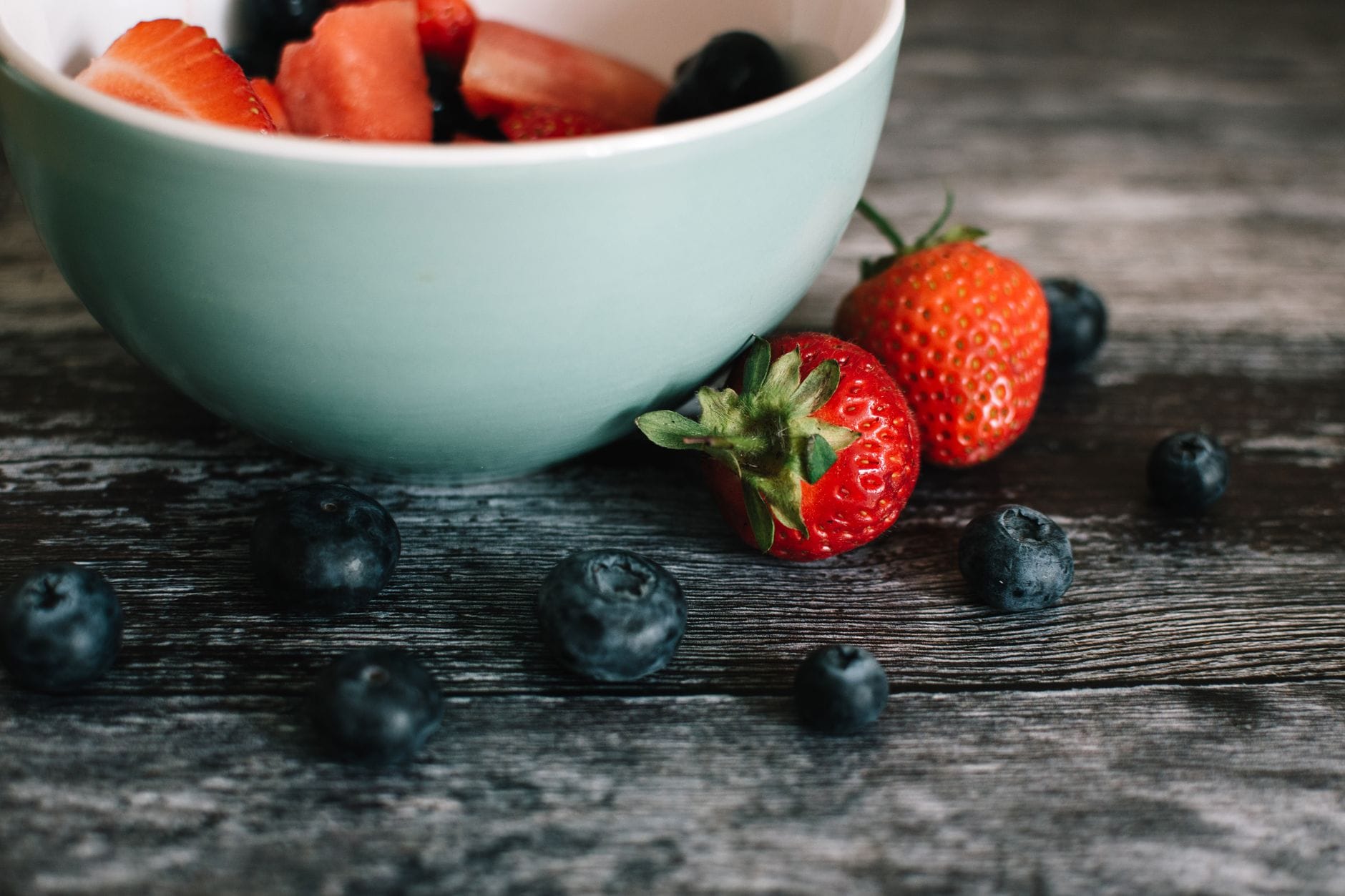
Then there’s the gut, where this diet arguably does its best work. High-fiber foods nurture a diverse microbiome, antioxidant-rich foods help prevent inflammation in the digestive tract, and ginger and turmeric offer direct anti-inflammatory effects that may help people with gastrointestinal issues. Walnuts and fatty fish add omega-3 fatty acids, which are known to reduce gut inflammation. Finally, antioxidant-rich foods like berries help counter oxidative stress by neutralizing free radicals.
What Goes on Your Plate
 Save
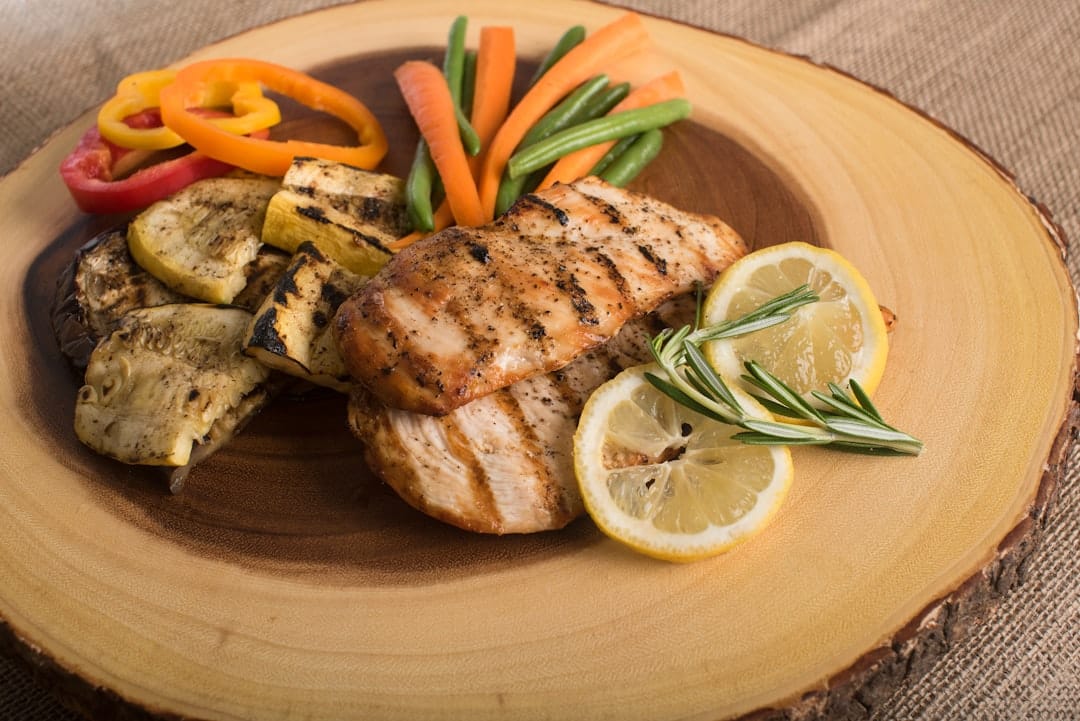
Keep the shopping list simple:
Colorful fruits and vegetables, especially berries
Whole grains
Fish, poultry, and legumes for protein
Olive oil, nuts, and seeds
Turmeric, ginger, and other herbs and spices
Skip or sharply limit processed foods, sugary snacks, refined sugar, and anything containing trans fats. You don’t need exotic ingredients, just a plate that looks more like a farmers market and less like a vending machine.
Who Should Think Twice
This diet has real drawbacks worth naming. The food variety can feel limited, especially on stricter versions like AIP, and that makes long-term adherence genuinely hard for some people. There’s also a risk of nutrient deficiencies if the plan isn’t well constructed.
People with kidney problems or existing nutritional deficiencies, along with women who are pregnant or breastfeeding, should talk to a doctor before starting. A dietitian can help you build a version that covers your nutritional bases.
Frequently Asked Questions
Is the anti-inflammatory diet the same as the autoimmune protocol?
No. AIP is one strict type of anti-inflammatory eating, designed specifically for people with autoimmune issues. It eliminates more foods than a general anti-inflammatory diet, including coffee, tea, alcohol, and additives.
How long am I supposed to follow it?
This is meant as a long-term way of eating rather than a short reset. That’s why choosing a version you can actually sustain, like the flexible Mediterranean style, matters more than choosing the strictest one.
Do I have to give up meat?
Not necessarily. Most versions include lean proteins like fish and chicken. The Mediterranean approach limits red meat, and only the vegan version cuts animal products entirely.
The Bottom Line
An anti-inflammatory diet is less a diet than a set of priorities: whole foods over processed ones, plants and healthy fats at the center, and sugar and trans fats pushed out. The research connects this pattern to steadier blood sugar, healthier joints, a calmer gut, and lower risk of some chronic diseases. Pick the version you can live with for years, not weeks, and loop in a doctor or dietitian if you have kidney issues, deficiencies, or are pregnant or breastfeeding.
This article is for informational purposes only and is not a substitute for professional medical advice, diagnosis, or treatment. Always consult a qualified healthcare provider before making changes to your diet, especially if you have an existing health condition.