
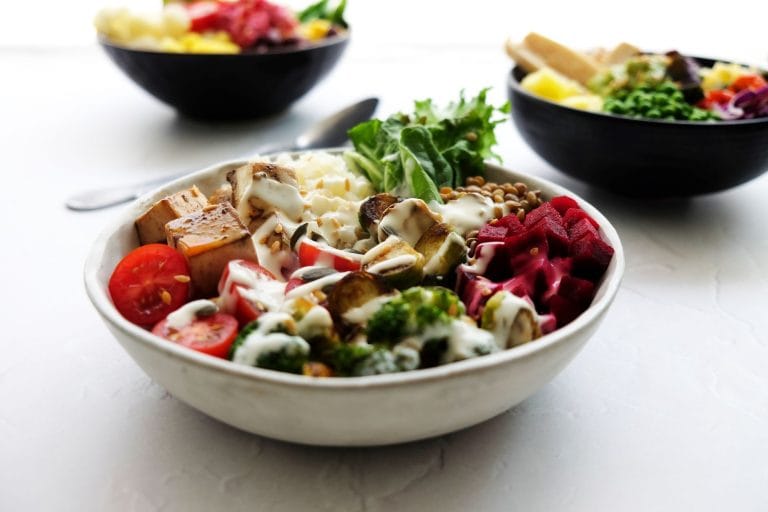
A plant-forward way of eating with real benefits, a few honest catches, and a lot of room to make it your own.
Vegan eating has moved from the fringes to fairly mainstream, and it’s easy to see the appeal. It leans entirely on plants, it skips the parts of food production tied to animal harm, and a growing pile of research links it to steadier hearts and easier weight management.
People arrive at it from different doors. Some come for animal welfare, some for the planet, some simply because their doctor mentioned cholesterol. Wherever you’re starting, the smart move is to understand how the diet actually behaves before you commit, because it changes more than your grocery list.
Key Takeaways
– A vegan diet is built on fruits, vegetables, grains, and legumes, and it removes every animal product, including dairy, eggs, and honey.
– It’s linked to better heart health, lower cholesterol, and a lower risk of type 2 diabetes.
– Done casually, it can leave gaps in vitamin B12, calcium, iron, and omega-3s.
– Fortified foods or supplements may be needed to close those gaps.
– The “junk food vegan” version exists, and it won’t do your health any favors.
So What Counts as Vegan?
Veganism is broader than a meal plan. It’s a stance against using animals for food, clothing, or cosmetics, which is why committed vegans also skip leather, fur, and products tested on animals. On the plate, that means no meat, fish, dairy, eggs, or gelatin, and no honey either.
Think of it as the strictest branch of vegetarianism. Everything an animal produces is off the table, and what’s left is a genuinely wide world of plants.
Not All Vegan Diets Look Alike
“Vegan” describes what you leave out, not how well you eat. Several styles have grown up under the label, and they’re not equal.
The whole-food version skips added sugar, white flour, and refined oils, leaning on produce, legumes, and whole grains. Raw-food vegans keep things below roughly 118°F, betting that gentle or no heat preserves more nutrients. There’s the Raw Till 4 approach, which stays raw during the day and allows a cooked plant meal at dinner, and it runs high in carbs, low in fat and protein. The 80/10/10 plan pushes calories heavily toward carbohydrates and trims fatty fruits like avocado, while the Starch Solution builds meals around cooked rice and potatoes.
And then there’s the junk-food vegan diet, which runs on mock meats, dairy-free desserts, and fries. It’s technically vegan, and it tends to be high in calories, sugar, and unhealthy fats while being low in nutritional value. If weight loss is your goal, that particular route works against you.
Vegan or Vegetarian, What’s the Difference?
Both camps eat plants, but vegetarians usually keep dairy, eggs, or both. That flexibility makes vegetarian eating easier to sustain and lowers the odds of certain shortfalls. Vegans, by cutting those foods too, take on a higher risk of running low on vitamin B12, vitamin D, and calcium (2).
Neither is inherently healthier. If cheese and eggs are non-negotiable for you, vegetarian is a perfectly good home. If you can let them go, veganism is within reach.
The Health Payoffs
 Save
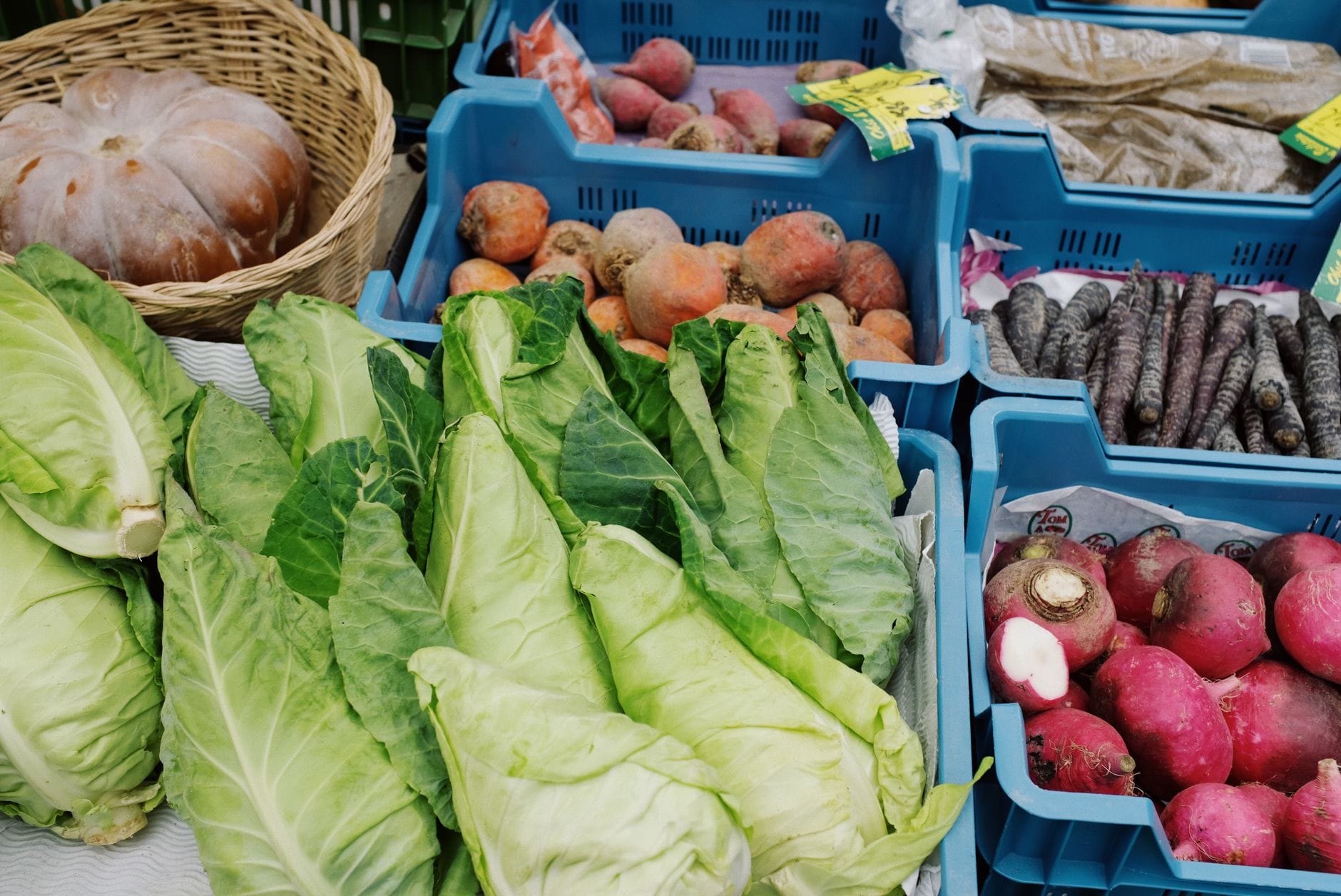
This is where the diet earns its reputation, though the evidence is stronger in some areas than others.
Steadier blood sugar
 Save
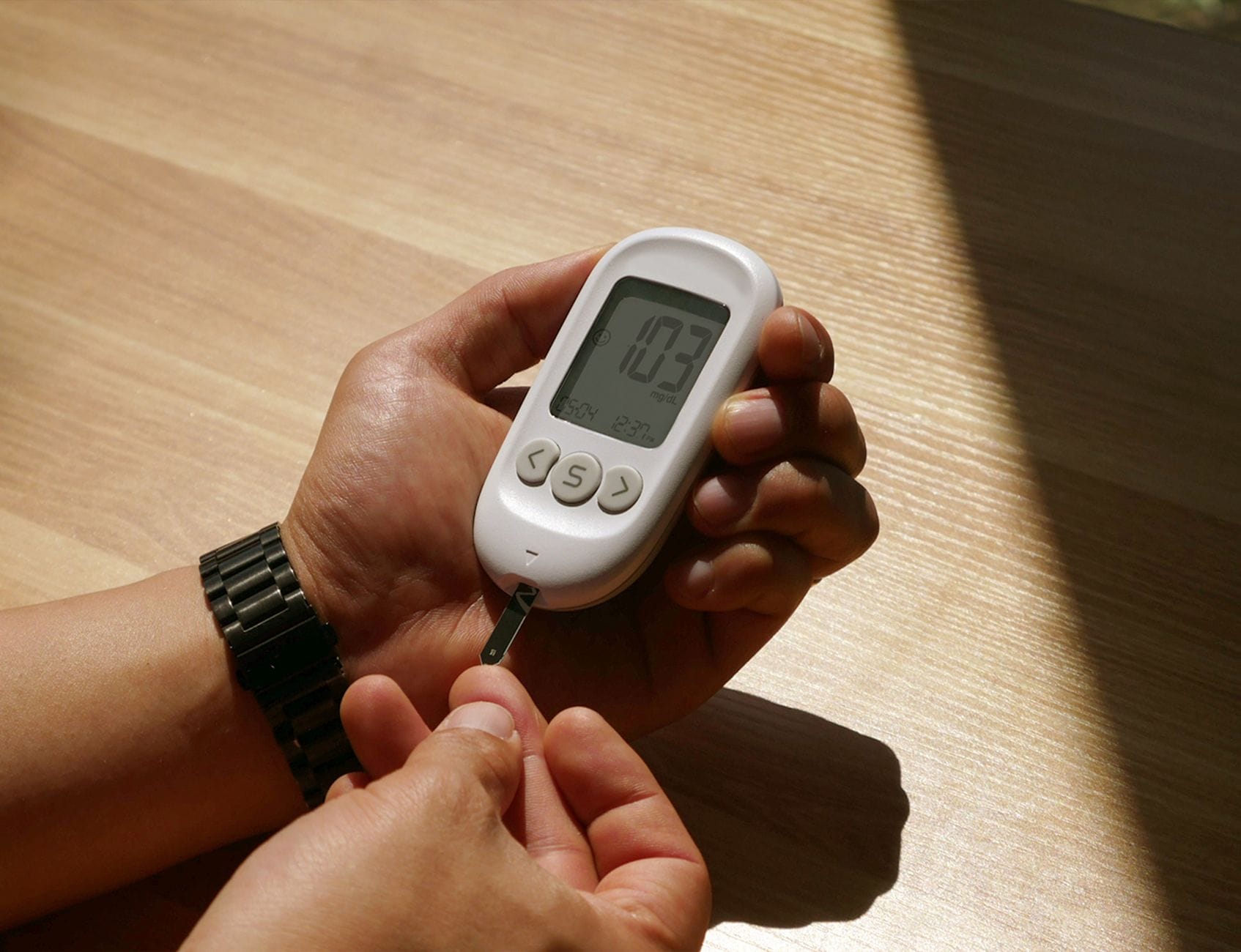
Building meals from whole grains, legumes, fruit, and vegetables, and dropping animal products, is associated with a lower risk of type 2 diabetes. In people who already have it, a low-fat plant-based pattern has shown improvements in blood glucose, body weight, and blood pressure (5).
A friendlier cholesterol number
 Save
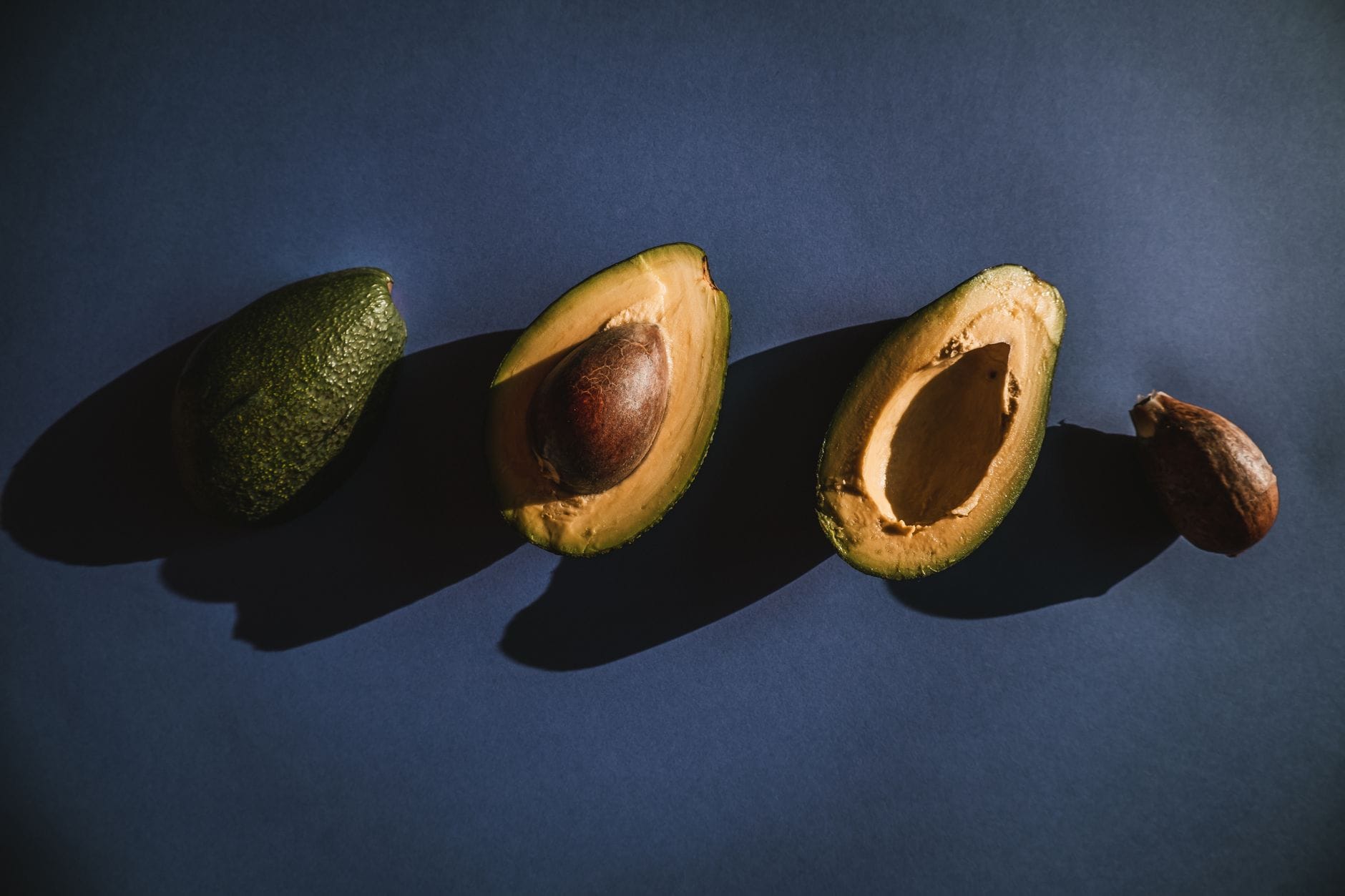
Compared with meat-heavy eating, plant-based diets tend to lower total and LDL (“bad”) cholesterol more effectively (1), which points toward a lower risk of ischemic heart disease (3). This part is less settled than it sounds, though. At least one line of research suggests vegans may sit at a slightly higher risk of ischemic heart disease than people who eat animal foods (4), so the picture isn’t fully resolved.
Cancer and weight
One study found plant-based eating may offer some protection against digestive-system cancers, including pancreatic cancer (6). A separate review looking at plant-based diets and cancer mortality was more cautious, calling the evidence limited (7). As for weight, the diet’s focus on nutrient-dense plant foods, plus stepping away from meat and dairy, tends to make weight loss more achievable for many people.
Nutrients You Have to Watch
 Save
Here’s the honest catch. A vegan plate can miss a handful of nutrients that come easily from animal foods, and ignoring that is how people get into trouble.
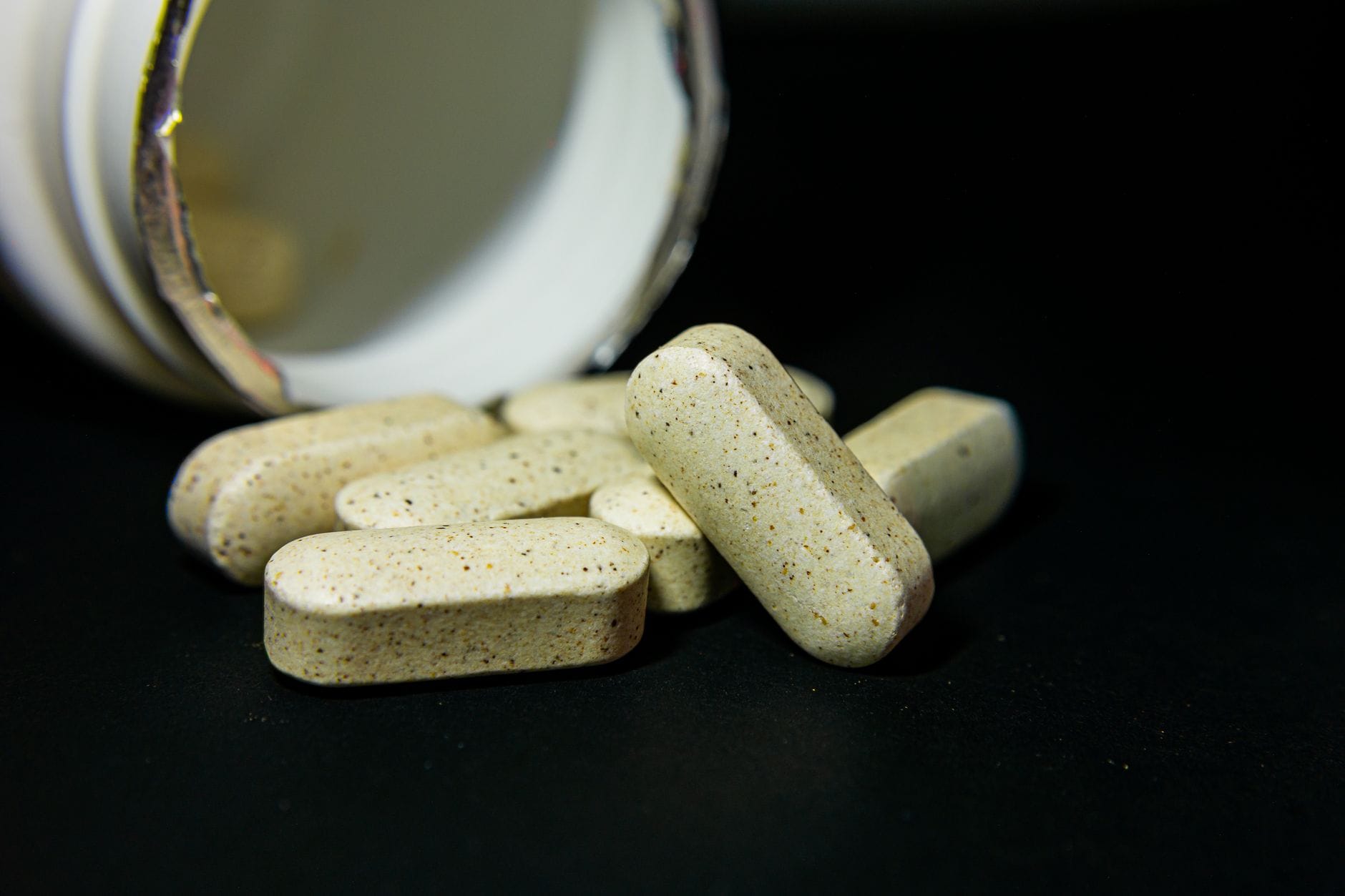
The usual suspects are vitamin B12, calcium, iron, and omega-3 fatty acids. If the diet isn’t thoughtfully planned, shortfalls in these are the likeliest outcome, and supplements or fortified foods may be necessary to cover them. Vitamin D belongs on the watch list too, since vegans sit at a higher risk of running low than vegetarians do. Building meals around a real variety of plants — fruits, vegetables, legumes, and whole grains — gives you the best base to work from.
None of this makes the diet unsafe. It just means “vegan” and “balanced” aren’t automatically the same word, and a bit of intention closes the gap.
Frequently Asked Questions
Is a vegan diet safe long-term?
For most people, yes, provided it’s planned. Long-term success usually comes down to covering B12, calcium, iron, and omega-3s through fortified foods or supplements, and eating a genuine variety of plants rather than living on processed vegan snacks.
Will I definitely lose weight going vegan?
Not automatically. Whole-food vegan eating tends to help with weight because it emphasizes nutrient-dense plant foods. Lean too hard on vegan junk food, which is high in calories, sugar, and unhealthy fats, and the scale can move the other way.
Do I have to take supplements?
Not necessarily, but B12 is the one most vegans need to cover through a supplement or fortified foods. Depending on your diet and bloodwork, your doctor might also suggest vitamin D, iron, or omega-3s.
The Bottom Line
A vegan diet can be a genuinely healthy, sustainable way to eat, with meaningful upsides for your heart, blood sugar, and weight. It rewards planning and punishes autopilot. Fill most of your plate with whole plants, mind the few nutrients that need attention, and treat B12 as non-negotiable. If you’re managing a health condition or taking medication, loop in a doctor or dietitian before you make the switch.
This article is for informational purposes only and is not a substitute for professional medical advice. Consult a qualified healthcare provider before making significant changes to your diet, especially if you have an existing health condition or nutritional deficiency.