
A practical, no-shame guide to fresher feet, using things you probably already own.
Feet carry you everywhere, yet they can also make you dread the moment you slip off your shoes. If that sounds familiar, you have plenty of company. In one national foot health assessment, roughly 16% of adults said they deal with foot odor. So this is common, fixable, and nothing to be embarrassed about.
The good news is that most of the fixes are cheap, gentle, and doable at home. Understanding why feet smell in the first place makes the remedies below click into place.
Key Takeaways
– The medical name for smelly feet is bromodosis, and while it can dent your confidence, it isn’t a serious health problem.
– Odor develops when trapped sweat feeds the bacteria that naturally live on your skin.
– Soaks made with Epsom salt, vinegar, tea, or baking soda help by drying the skin or curbing bacteria.
– Breathable socks, rotated shoes, and thoroughly dried feet prevent the problem from coming back.
What’s Actually Making Your Feet Smell?
Your feet are packed with sweat glands. That sweat isn’t the culprit on its own. The smell shows up when bacteria that already live on your skin break the moisture down and release waste products in the process. Three types tend to be involved: Brevibacterium, Propionibacteria, and Staphylococcus epidermidis.
Warmth, darkness, and dampness are exactly what those microbes want, which is why a closed shoe worn all day is such a reliable odor factory. Some people are simply more prone to it, including teenagers, people who are pregnant, anyone on their feet all day, people under a lot of stress, and those with a condition that increases sweating. Skipping regular foot washing doesn’t help either.
None of this means anything is wrong with you. Everyone sweats and everyone has bacteria on their skin. The job is just to tip the balance back by cutting excess moisture and keeping bacteria in check.
Foot Soaks Worth Trying
A basin of warm water and one everyday ingredient does most of the heavy lifting here. Skip any of these soaks if you have cuts, cracks, or open sores, since the acids and salts can sting broken skin.
Epsom Salt Soak
 Save
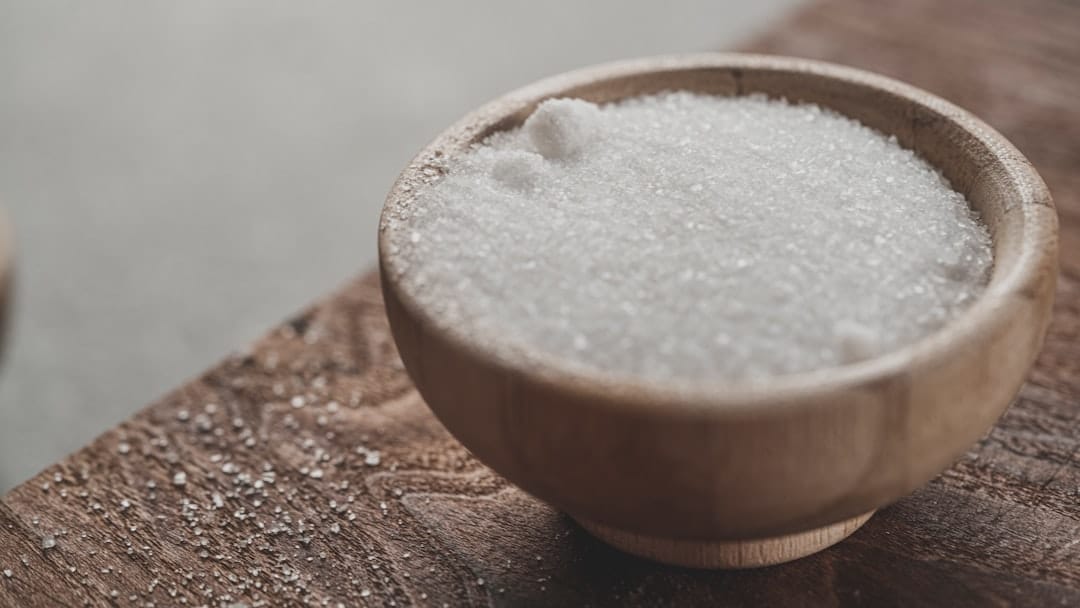
Epsom salt, chemically magnesium sulfate, has a drying effect that pulls excess moisture from the skin. Since bacteria struggle in a drier environment, that alone helps.
Stir a cup of Epsom salt into a large bowl of warm water until it dissolves, then soak for about 20 minutes. Once or twice a week is plenty. Don’t overdo it, especially if your skin cracks easily.
Vinegar Soak
The acetic acid in white or apple cider vinegar has antimicrobial properties, which is why a vinegar bath can knock back odor-causing bacteria.
Mix one part vinegar to two parts water, add it to a warm basin, and soak for 20 minutes. Once a week works well. The smell of the vinegar fades as your feet dry.
Tea Soak
Tea is rich in tannic acid, a natural astringent that tightens pores, discourages bacteria, and can reduce how much your feet sweat.
Steep three or four tea bags in boiling water for five to ten minutes, discard the bags, then pour the brew into about two cups of cool water. Soak for 30 minutes a day for a week and see how your feet respond.
Baking Soda Rinse
When the pH on your skin drifts, bacteria can multiply more freely. A baking soda soak nudges that balance back toward neutral.
Dissolve a tablespoon of baking soda in roughly two pints of water and soak for 15 minutes, two or three times a week.
Witch Hazel
Witch hazel is another astringent with antibacterial qualities, so it can help hold odor-forming bacteria at bay. Add half a cup to a tub of warm water and soak for 15 to 20 minutes, or simply wipe your feet down with it at the end of the day. It can be drying, so follow up with a foot cream or moisturizer. Think of this as a handy quick fix rather than a permanent answer.
When the Problem Is Your Shoes, Not Your Feet
 Save
You can scrub your feet spotless and still catch a whiff, because the bacteria are living in your footwear. Give your shoes a spray of disinfectant along the soles and insoles, then let them dry overnight before wearing them again.
A dusting of cornstarch or antiperspirant powder inside your shoes soaks up leftover dampness between wears. There are also over-the-counter antiperspirants made specifically for feet if sweating is your main issue.
Fast Fixes for Days You’re in a Hurry
 Save
Short on time? A regular body deodorant spray can mask and reduce odor in a pinch, though it treats the symptom rather than the cause, so don’t lean on it long term. Keeping a spare pair of socks with you is another small habit that pays off. The moment your socks feel damp, dry your feet and switch to the fresh pair. That single swap can carry you through a long day on your feet.
Habits That Keep the Odor From Returning
Getting rid of the smell is one thing. Keeping it gone is about denying bacteria the moisture and warmth they crave.
Choose the Right Socks
 Save
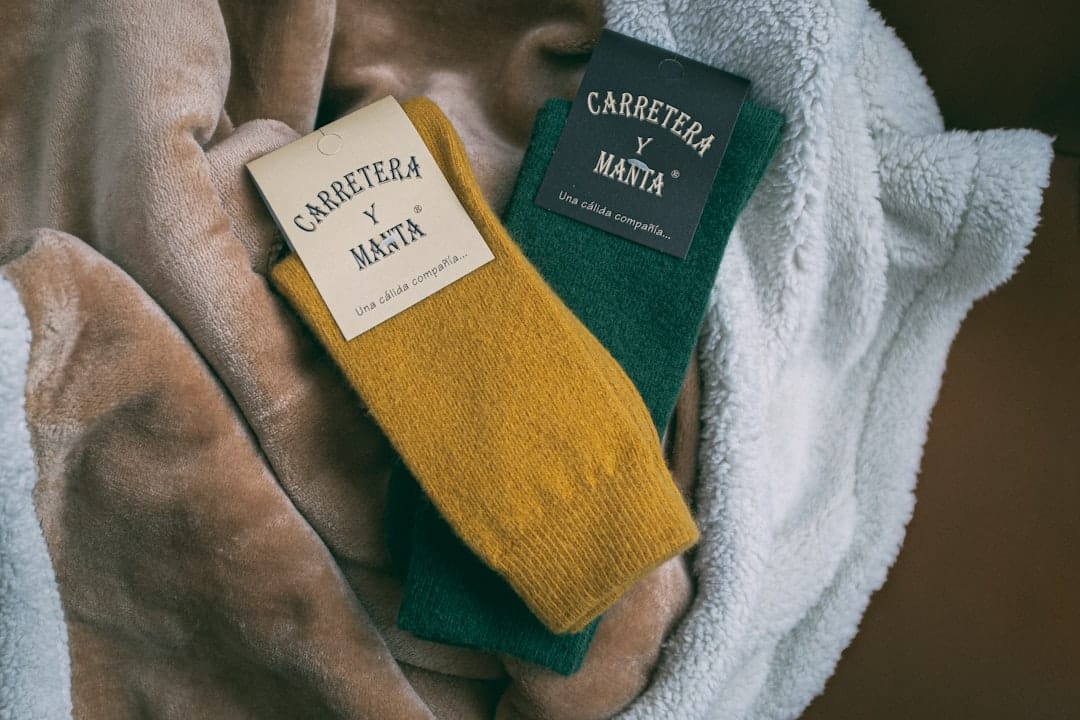
Socks help by absorbing sweat before it pools in your shoes, but only the right material does that. Reach for cotton or moisture-wicking natural fabrics. Nylon and other synthetics trap dampness against your skin and make things worse.
Rotate Your Shoes and Let Them Breathe
Wear open-toed shoes when you reasonably can, especially in warm weather. For closed shoes, keep at least two pairs in rotation so each one has a day to fully dry out. Leather and cotton breathe far better than synthetic uppers. Airing shoes in the sun helps too.
Wash, Dry, and Fit Carefully
Clean your feet daily with a washcloth, paying attention to the spaces between your toes where moisture and grime collect. Keep toenails trimmed and clean, and pat everything dry before your socks go on. Finally, make sure your shoes actually fit. Tight footwear traps sweat and invites bacteria, so give your feet a little room.
Frequently Asked Questions
Does Listerine get rid of smelly feet?
It can help. Listerine is antibacterial, so soaking or wiping with it kills bacteria on the skin, cuts down on odor, and is even used against fungal issues like athlete’s foot. Dilute it in water, and stop if your skin feels irritated.
Can hydrogen peroxide help with foot odor?
Diluted hydrogen peroxide is sometimes used as a foot soak because it targets bacteria. Keep the concentration low, avoid broken skin, and treat it as an occasional option rather than a daily routine.
Are smelly feet a sign of something serious?
Usually not. Bromodosis is a nuisance, not a disease. If odor is sudden, severe, or comes with pain, itching, discoloration, or peeling skin, check with a clinician, since that can point to an infection worth treating.
The Bottom Line
Smelly feet trace back to a simple pair of causes, sweat and the bacteria that feed on it, which is exactly why home care works so well. Regular soaks with Epsom salt, vinegar, tea, or baking soda cut the moisture and thin out the bacteria, while cornstarch and foot antiperspirants keep shoes dry. Pair those with breathable socks, rotated footwear, and a habit of drying your feet properly, and fresh feet stop being a fluke and start being your normal.
This article is for general information only and isn’t a substitute for professional medical advice. If your symptoms persist or worsen, please consult a qualified healthcare provider.