

A soft, fresh cheese that holds its shape, feeds your bones, and slips into almost any meal.
If you cook Indian food, you already know paneer. It’s the mild white cheese that turns up in creamy spinach gravies, on smoky grilled skewers, and crumbled into a quick scramble. What makes it worth a closer look is nutrition, not just flavor. For anyone eating vegetarian, paneer is one of the more reliable ways to land a solid dose of protein and calcium in a single ingredient.
It’s also refreshingly simple. Paneer doesn’t need rennet, live cultures, or weeks of aging. Milk, a splash of acid, and about an hour is all it takes. Here’s what it offers, and how to fit it into your week.
Key Takeaways
– Paneer is a fresh, unaged cheese made by curdling milk with an acid such as lemon juice or vinegar.
– A 100-gram serving of whole-milk paneer delivers roughly 21 grams of protein and 714 mg of calcium.
– The calcium and vitamin A support bones, teeth, and immune function.
– It can be eaten raw or cooked, and because it doesn’t melt, it works well in stir-fries and grills.
– People with a cow’s milk allergy or those watching saturated fat should be cautious.
What Paneer Actually Is
Paneer is a fresh white cheese made by coagulating curdled milk, usually from cow or buffalo. It’s often called Indian cottage cheese, though the texture is firmer and springier. Buffalo-milk paneer carries a faint greenish tinge; cow’s-milk paneer looks a little more yellow. The flavor is mild, milky, and gently acidic.
One quirk sets it apart from most cheeses: it won’t melt when you heat it. Curdling changes the milk proteins and locks them together tightly, so the cheese keeps its shape in a hot pan. That’s exactly why it survives on a grill or in a bubbling curry without dissolving.
The method itself is old. Historians trace it to Persian and Afghan travelers who brought a heat-and-acid cheesemaking technique to the Indian subcontinent, where nomadic tribes of South West Asia had developed something similar.
What’s Inside a Serving
 Save
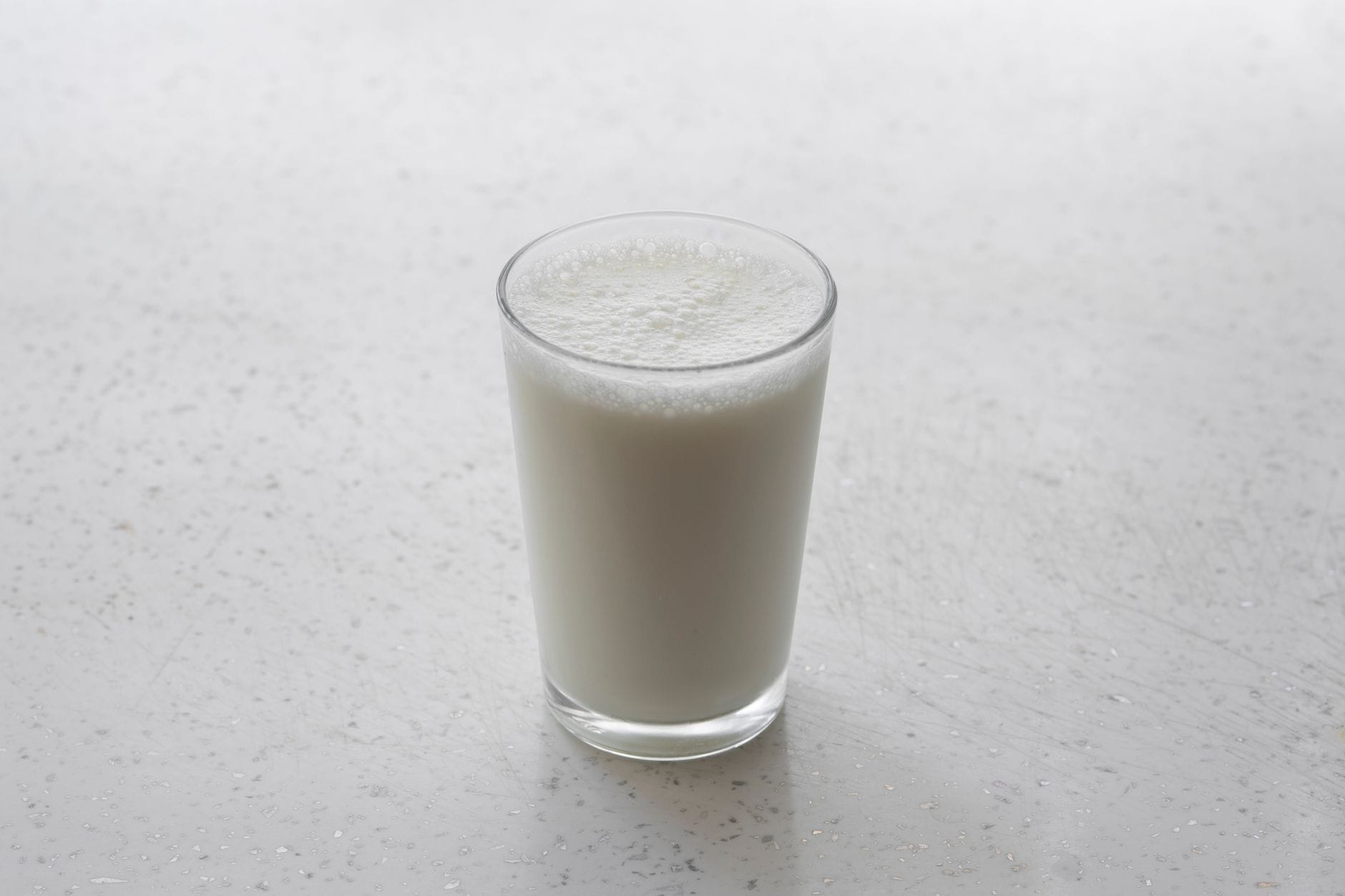
Paneer keeps most of what milk offers, though a little soluble whey protein, lactose, and some minerals wash away with the drained liquid. Per 100 grams of whole-milk paneer:
Calories — 321 kcal
Protein — 21.43 g
Fat — 25 g, of which about 16 g is saturated
Carbohydrate — 3.57 g (nearly all of it sugars)
Calcium — 714 mg
Vitamin A — 714 IU
Cholesterol — 89 mg
Sodium — just 18 mg
The standout numbers are protein and calcium. That combination is what makes paneer a genuinely useful ingredient rather than just a tasty one, especially if meat isn’t on your plate.
Why It’s Good for You
Bones and teeth
Calcium does the heavy lifting here. Paneer is loaded with it, and steady calcium intake helps keep bones dense and teeth strong. Regular servings can support bone maintenance and guard against tooth decay.
Immune support
Paneer supplies vitamin A, an antioxidant tied to immune function. Vitamin A helps regulate the body’s antibody responses and may offer some protection against influenza and respiratory tract infections. It’s not a substitute for the usual defenses, but it’s a helpful contribution from an everyday food.
During pregnancy
 Save
Low dietary calcium is linked to pregnancy complications and can affect the developing baby. Because paneer is calcium-rich, it’s one food that can help meet the higher requirement. Adequate calcium is associated with a lower risk of preeclampsia and premature birth, and with better bone health for both mother and infant. Supplements are an option too, but food counts.
Beyond these, the protein and nutrients in paneer have been connected to a range of possible benefits, including better digestion, fewer muscle cramps, stronger hair, weight management, and a lower risk of certain cancers and gallstones. Many of these links are modest, so treat paneer as one good building block in a balanced diet rather than a cure for anything.
Making Paneer at Home
 Save
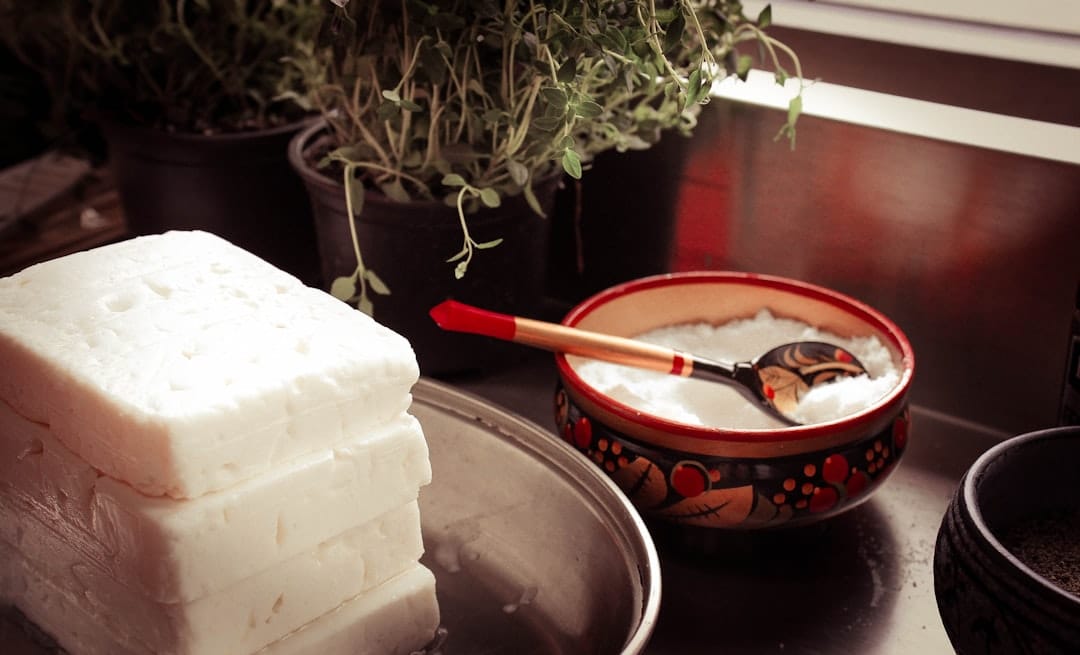
Store-bought paneer can turn out hard and rubbery. Homemade tends to be creamier and softer, and it’s cheaper. You’ll need about 500 mL of full-fat, non-homogenized milk, a tablespoon of vinegar or citric acid (or half a lemon), and a piece of cheesecloth.
1. Bring the milk to a boil, then turn off the heat and let it rest for five to ten minutes.
2. Stir in your acid and keep stirring for about a minute until the milk curdles and the whey separates.
3. Line a colander with cheesecloth and pour in the curds to drain.
4. Rinse with cold water to wash off the sour taste.
5. Gather the cloth, knot it, and squeeze out the excess liquid.
6. Hang it for at least 30 minutes, or press it flat under a heavy object for the same time to firm it up.
Skip skimmed or low-fat milk. Without enough fat, the paneer won’t set properly.
Easy Ways to Cook With Paneer
 Save
Paneer is forgiving and endlessly adaptable. A few classics to start with:
Paneer bhurji — crumbled paneer scrambled with onion, tomato, and warm spices. Fast, and best when the paneer is added at the very end so it stays soft.
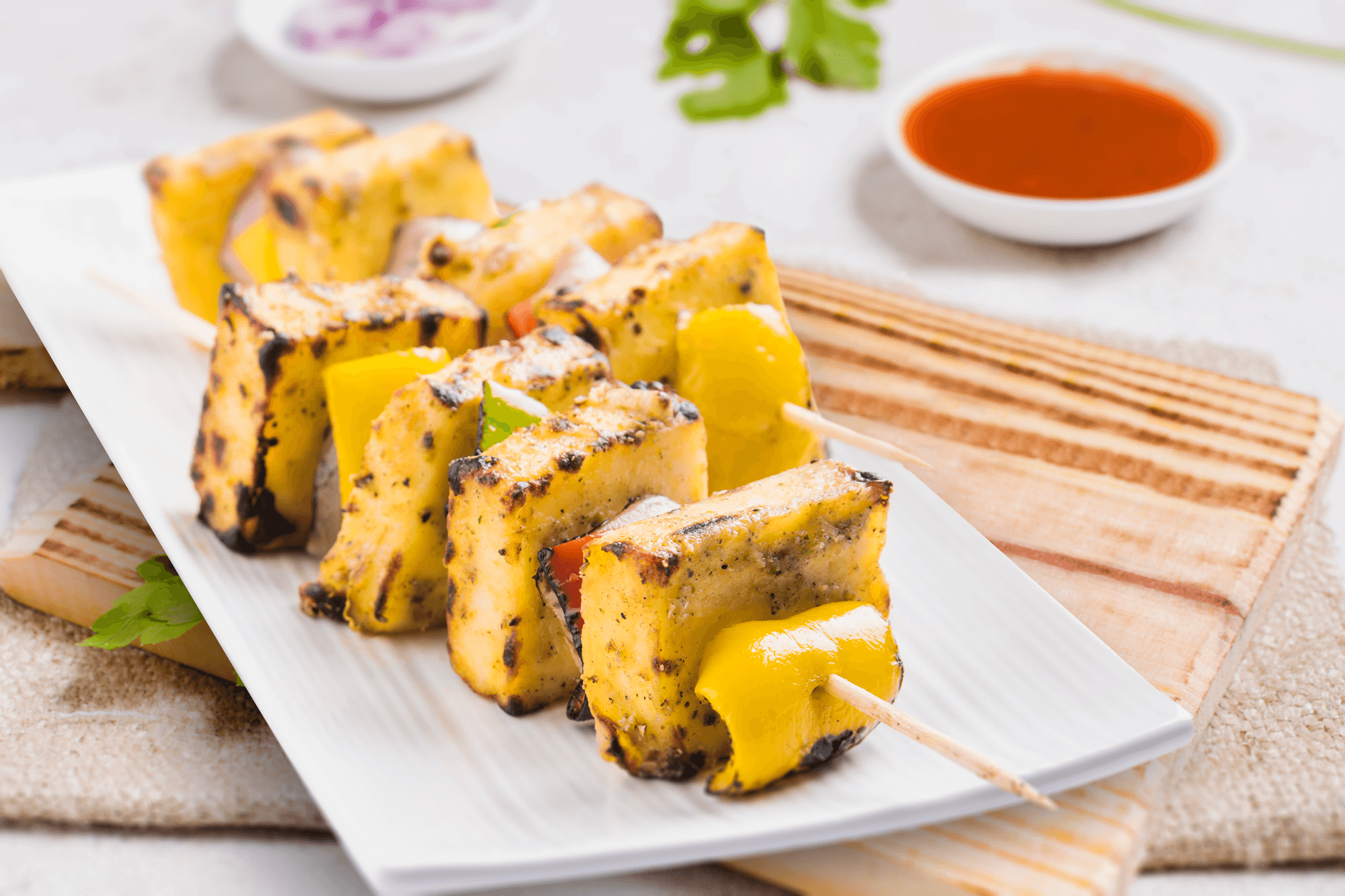
Paneer tikka — cubes marinated in spiced yogurt with peppers and onion, then grilled or baked until charred at the edges.
Palak paneer — pan-fried cubes folded into a smooth, blanched spinach gravy.
Because it holds together, you can also cube it raw into salads or slice it straight from the block for a quick, high-protein snack.
When to Go Easy on It
Paneer isn’t for everyone. It’s made from cow’s or buffalo milk, so anyone with a cow’s milk protein allergy should avoid it. It’s also fairly high in saturated fat and cholesterol, which means portion size matters if you’re managing heart health or watching your fat intake. As with most rich foods, moderation keeps it on the right side of helpful.
Frequently Asked Questions
Can I eat paneer raw?
Yes. Fresh paneer is safe and pleasant eaten raw, cubed into salads or seasoned as a snack. Just make sure it’s fresh and has been stored cold.
Is paneer good for weight loss?
It can fit a weight-loss plan well. The protein is filling and helps preserve muscle, which supports appetite control. Keep an eye on portions, though, since it’s also calorie-dense from the fat.
Does paneer contain lactose?
Some, but less than milk. A share of the lactose drains off with the whey during curdling. People who are very sensitive may still react, so listen to your body.
The Bottom Line
Paneer earns its place as more than a comfort food. A single serving brings meaningful protein and a big hit of calcium, along with vitamin A, and it flexes across raw and cooked dishes without falling apart. For vegetarians in particular, it’s a dependable way to cover nutrients that can otherwise be hard to reach. The catch is the saturated fat, so enjoy it in sensible amounts, and steer clear entirely if dairy doesn’t agree with you.
This article is for general information only and isn’t a substitute for professional medical advice. Talk to a qualified healthcare provider before making significant changes to your diet, especially if you’re pregnant, have a food allergy, or are managing a health condition.