
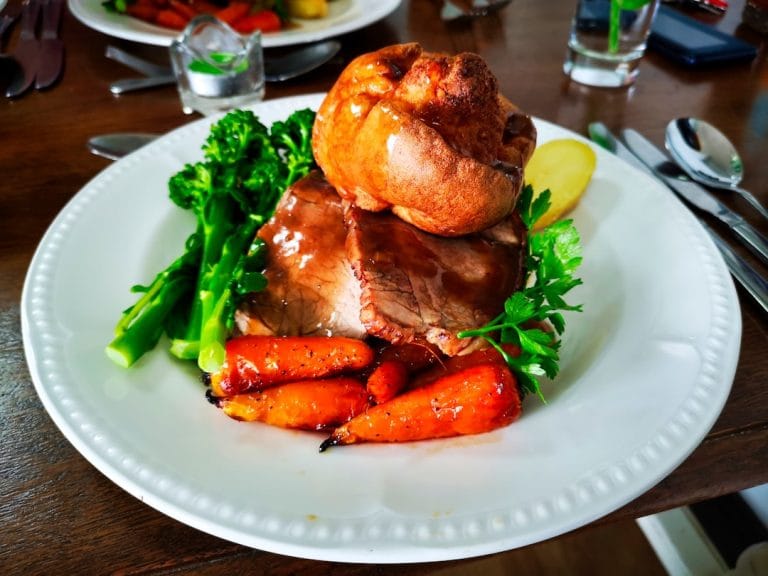
A closer look at what a modest, well-cooked serving of pork brings to your plate.
Pork gets its rosy color from myoglobin, a heme protein tucked inside the muscle of domestic pigs. That same red meat carries a dense mix of protein, minerals, and B vitamins, which is why a sensible serving can do more for you than simply taste good. You’ll find it fresh at the butcher or preserved as ham, bacon, and sausage, though the fresh and lean versions are where most of the nutritional payoff lives.
This isn’t a case for eating pork three times a day. It’s a look at what a modest portion, roughly 50 to 70 grams, actually offers, who might want to be cautious, and how to handle it so a good meal doesn’t turn into a food-safety problem.
Key Takeaways
– Pork often carries less fat and fewer calories than beef, while still delivering high-quality protein, iron, and minerals.
– Its amino acids and carnosine content may support muscle maintenance and performance, especially as you age.
– With no carbs or sugar, lean pork fits low-carb and weight-loss eating patterns.
– Heme iron and zinc make it useful for preventing anemia and supporting immune defenses.
– Some cuts run high in sodium and saturated fat, and raw or charred pork carries real risks worth managing.
What’s Actually in Pork
A 3.5-ounce (100 g) serving of cooked ground pork, per USDA data, is built around protein and iron. The iron here is heme iron, the kind your gut absorbs far more readily than the non-heme iron in plants.
Pork also brings selenium, phosphorus, and thiamine to the table. In fact, pork cuts are richer in thiamine than either beef or lamb, and cooked pork holds onto about 15% more of it than other red meats. Add a meaningful dose of B6 and B12, both central to blood cell formation and brain function, and you have a nutrient profile that punches above its reputation.
How Pork Supports Your Muscles
 Save
SaveThe protein in pork is complete, meaning it supplies the essential amino acids your body uses as raw material for building and repairing muscle. That matters more with each passing decade. After about age 50, many people start losing muscle mass in a process called sarcopenia, and pairing high-quality protein with an active routine may help slow or even push back against that decline.
There’s a performance angle too. Pork is a good source of carnosine, a compound built from beta-alanine that helps buffer fatigue during exertion. More carnosine in your muscles can translate to better endurance and physical fitness.
Energy, Blood, and a Steadier Mood
Pork is loaded with B vitamins: thiamin, niacin, riboflavin, B12, and B6. Their main job is turning the food you eat into usable energy, and they also help your body produce DNA, hormones, and red blood cells. Your brain and nervous system depend on them daily.
Shortfalls in these vitamins have been linked to anxiety, depression, and other mental health struggles. B12 in particular appears to play a role in guarding against depression. If you’re chasing steadier daytime energy through diet, pork’s B-complex load fits neatly alongside other everyday foods that help keep energy up without weighing you down.
Iron for anemia
 Save
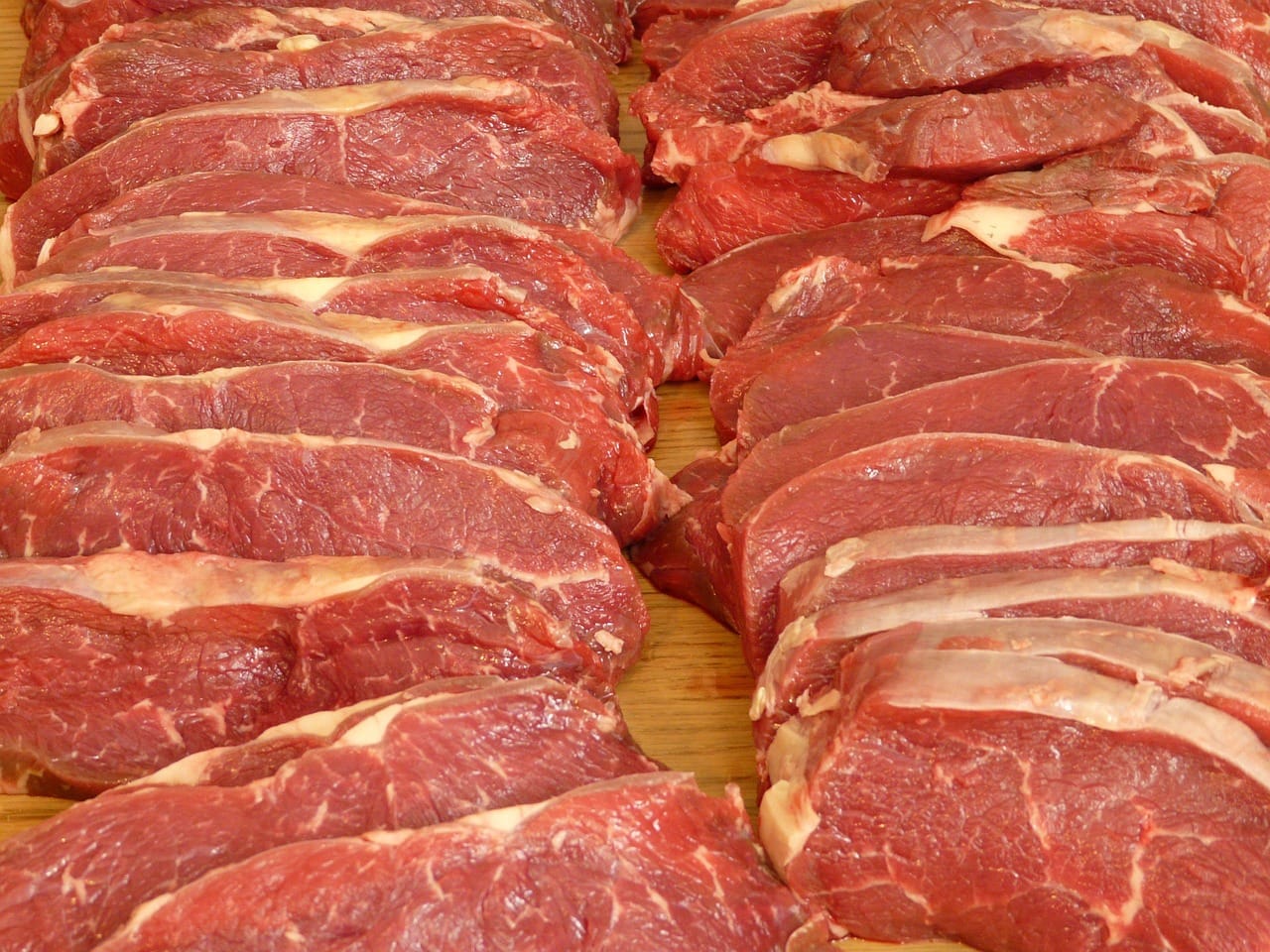
SaveBecause pork is rich in heme iron, it’s a practical food for keeping iron levels healthy. Iron-deficiency anemia is common, and the more absorbable form of iron in red meat gives pork an edge over plant sources when you’re trying to rebuild stores.
Zinc for immunity
Broiled center loin chops are a standout for zinc, supplying about 1.9 mg per 3-ounce serving, or 17% of the Daily Value. Zinc keeps the cells of your innate immune system, like neutrophils and natural killer cells, growing and working properly. A deficiency stalls the development of T and B lymphocytes and hampers antibody production. Zinc also acts as an antioxidant and helps stabilize cell membranes. If you like tracking the smaller nutrients that quietly run the show, it’s the same reason trace minerals deserve attention in a balanced diet.
Can Pork Fit a Weight-Loss Plan?
 Save
SaveIt can, and the reason is simple: lean pork has plenty of protein and no sugar or carbohydrate. That makes it a comfortable fit for low-carb and ketogenic approaches. Beyond the macros, regular intake of lean pork has shown promising results for fat reduction. Protein is filling, which tends to blunt the urge to snack. For a fuller comparison of what actually moves the needle on the scale, these nutrition tips that hold up for weight loss apply whether or not meat is on your plate.
The Downsides Worth Weighing
No food is all upside, and pork has a few genuine caveats.
Sodium and saturated fat. Curing and processing add salt and preservatives, so ham, bacon, and sausage can be heavy on both. Choosing minimally processed, lean cuts with the visible fat trimmed keeps this in check.
Cancer risk. Grilling or barbecuing at high heat can form heterocyclic amines, which are carcinogenic. Cured products containing nitrates and nitrites have also been tied to cancer risk.
Antibiotic resistance. Pork can carry antibiotic-resistant bacteria that travel through the food chain, raising the odds of infections that are harder to treat.
Parasites. Raw or undercooked pork may harbor parasites. Pork tapeworm (Taenia solium) can cause cysticercosis, which affects the nervous system, while Trichinella roundworms cause trichinosis and Yersinia bacteria cause yersiniosis.
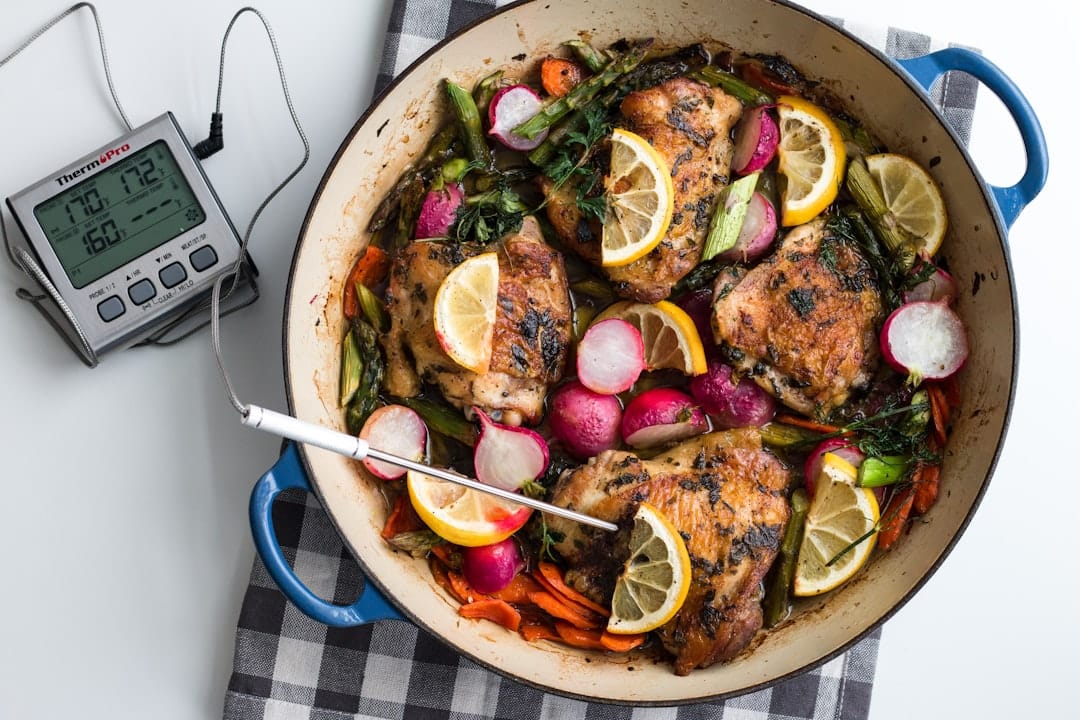
The fix for the last one is straightforward. Wash your hands before and after handling raw pork, and cook it to about 163°F (71°C) to kill anything that might be present.
Handling Pork Safely
 Save
SaveGood storage protects both flavor and nutrition. Keep raw pork sealed in clean containers on the bottom shelf of the fridge so juices can’t drip onto other foods. Follow the storage dates on the package label, and never eat meat past them. Keeping raw and cooked items separate, and cleaning surfaces well, closes most of the gaps where contamination sneaks in.
Frequently Asked Questions
How much pork can I eat in a day?
A moderate serving of about 50 to 70 grams of lean pork is a reasonable daily amount for most people. Leaning on fresh, minimally processed cuts rather than cured products keeps the sodium and saturated fat down.
Is pork safe during pregnancy?
Pregnant people should avoid raw or undercooked pork entirely, since parasites and bacteria pose a higher risk in pregnancy. Thoroughly cooked pork that has reached a safe internal temperature is generally fine, but check with your own clinician.
Who should be cautious with pork?
Most people can enjoy it, but those with high blood pressure should be careful, particularly with salty, processed varieties like bacon and sausage that add significant sodium.
The Bottom Line
Eaten in moderation and cooked well, lean pork earns its place as a source of complete protein, absorbable heme iron, zinc, and a full spread of B vitamins. Those nutrients back muscle maintenance, energy production, blood health, and immune function. The trade-offs are real, from sodium in processed cuts to the cancer and infection risks tied to charring or undercooking. Choose lean cuts, cook to temperature, store carefully, and keep portions sensible, and pork can be a nourishing part of a balanced diet.
This article is for informational purposes only and is not a substitute for professional medical advice. Consult a qualified healthcare provider before making significant changes to your diet, especially if you are pregnant, managing a health condition, or taking medication.