
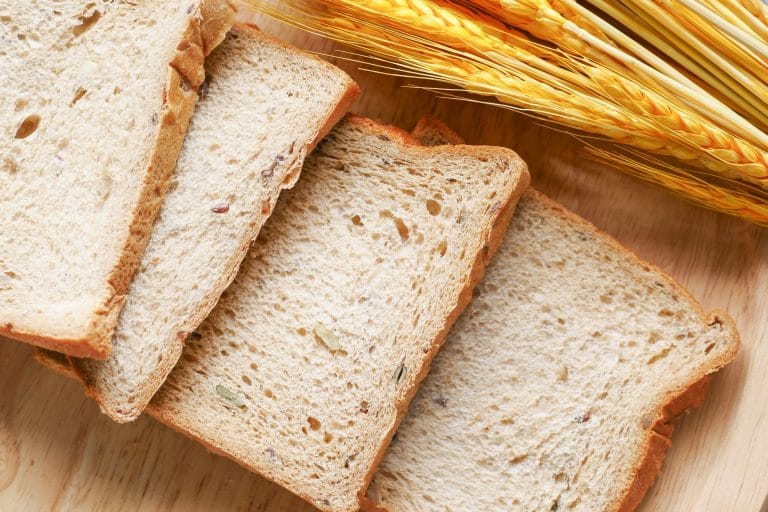
A flourless loaf made from sprouted grains and legumes, and why that changes what it does in your body.
Most bread on the shelf starts with refined flour, even when the label says “wheat” or “multigrain.” Ezekiel bread takes a different route. It’s built from organic whole grains and legumes that are soaked and sprouted before they’re ever mixed into dough, and that single step reshapes its nutrition in ways that matter for blood sugar, digestion, and mineral absorption.
The result is a dense, sturdy loaf with real chew. It holds up under a heavy sandwich and toasts beautifully, and it carries a nutritional punch that plain white bread can’t match.
Key Takeaways
– Ezekiel bread is a flourless bread made from organic, sprouted whole grains and legumes, with no added sugar or preservatives.
– Its high fiber content may support type 2 diabetes management and ease constipation.
– Sprouting lowers phytic acid, freeing up minerals like iron, zinc, and calcium for absorption.
– It works in almost any recipe that calls for whole-wheat bread, from French toast to avocado toast.
– It is not gluten-free; anyone allergic to wheat or soy should skip it.
What Makes Ezekiel Bread Different
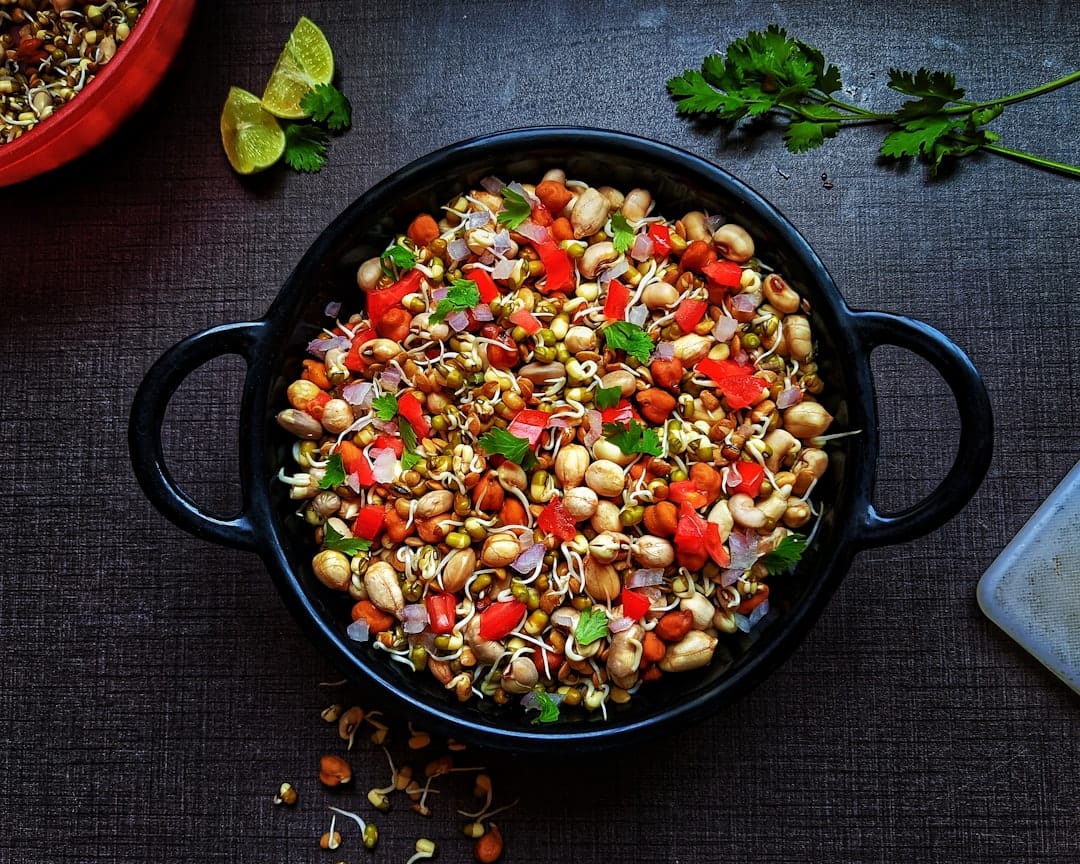
The ingredient list reads short and clean: sprouted wheat, millet, spelt, malted barley, sprouted soybeans and lentils, a little wheat gluten, fresh yeast, and sea salt. No cane sugar, no dough conditioners, no preservatives. Everything is whole and, in most versions, non-GMO.
Sprouting is the part that sets it apart. Letting the grains and legumes germinate before baking kicks off enzymatic activity inside the seed and improves its overall nutrient composition. Compared with a standard whole-wheat loaf, the finished bread is denser and heavier, which is exactly why it makes such a reliable base for toast and sandwiches.
Ezekiel Bread Nutrition Facts
 Save
SaveAccording to USDA data, one 38-gram slice of Ezekiel 4:9 bread delivers roughly:
Calories: 90
Protein: 4 g
Carbohydrates: 16 g
Fiber: 6 g
Sugars: 0 g
Fat: 0.5 g
Sodium: 105 mg
Calcium: 20 mg
Six grams of fiber in a single slice is genuinely high for bread, and the zero on the sugar line is the number worth pausing on. You get filling, whole-food carbohydrates without the quick sugar hit that so many packaged loaves sneak in.
The Sprouting Payoff
Beyond the baseline benefits of whole grains and legumes, sprouting is where Ezekiel bread earns its reputation. Here’s what that pre-bake germination actually does.
Frees Up Minerals
Raw grains and legumes carry phytic acid, an anti-nutrient that latches onto minerals like iron, zinc, calcium, and magnesium and blocks your body from absorbing them. Sprouting breaks those bonds, so more of the minerals in the loaf are available to you rather than passing through unused.
Steadier Blood Sugar
Whole grains carry a lower glycemic index, and research links them to both the prevention and management of type 2 diabetes. One small study in overweight and obese men found that sprouted-grain bread had a more favorable effect on blood glucose than either sourdough or ordinary whole-grain bread. That’s a promising signal, though sourdough and standard whole-grain loaves have their own merits, so it’s worth comparing before you commit.
Easier Digestion
Because sprouting has already begun breaking the grain down, your gut has less work to do. Add the fiber from barley, wheat, millet, spelt, lentils, and soybeans, and you have a loaf that helps keep things moving and can ease constipation. If you’re building a fiber-forward routine, it slots in alongside the kind of whole foods a thoughtful plant-based eating plan is built around.
A Solid Plant Protein Source
 Save
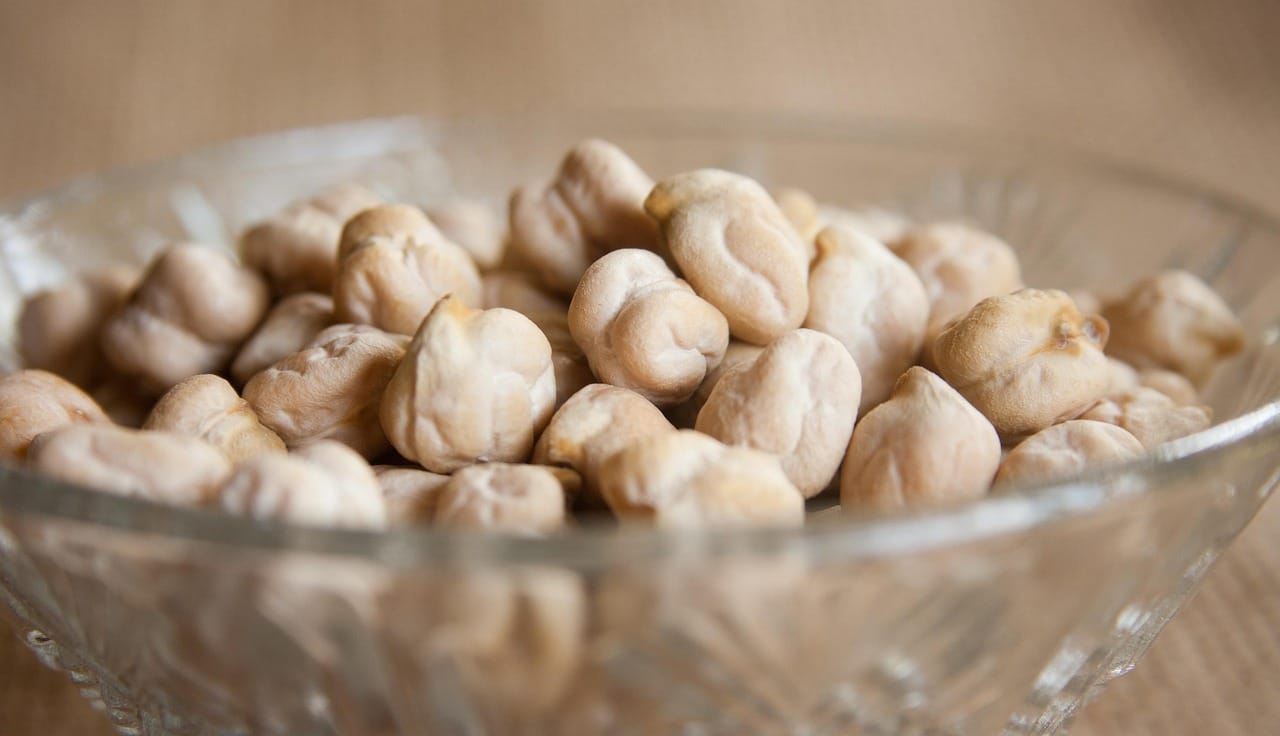
SaveWith no milk, eggs, or other animal ingredients, Ezekiel bread fits vegan and vegetarian eating without any asterisks. The grain-plus-legume combination gives it a fuller amino acid profile than grain alone, which is part of why it’s a handy protein contributor for anyone leaning on plant foods to lose weight without feeling deprived. Four grams a slice won’t cover your daily needs on its own, but it stacks up nicely across a day, especially next to something like a blender full of plant-based protein after a workout.
Does It Help Your Heart?
Possibly. A large cohort study on whole-grain intake and coronary heart disease found an inverse relationship: people eating more whole grains, including dark breads, had a meaningfully lower risk. The effect varied by food and appeared to level off past a certain intake, so this isn’t a “more is always better” situation. Still, since Ezekiel bread is squarely a whole-grain food, folding it into an already balanced diet is a reasonable heart-friendly move.
Easy Ways to Work It Into Your Week
 Save
SaveYou can drop Ezekiel bread into anything a whole-wheat loaf would handle. A few no-fuss ideas:
Cubed and toasted into croutons for soups and salads
A classic peanut butter and jelly sandwich
Mashed avocado with a squeeze of lemon and chili flakes
French toast for a slower weekend morning
An open-faced kimchi and scrambled egg toast finished with spring onion
Twice a week is a sensible cadence for most people who want the benefits without making it the only bread they eat.
What Does It Taste Like?
 Save
SaveExpect something nuttier, earthier, and heartier than white bread, with a firm crumb rather than a soft, airy one. The density that makes it feel substantial also means it toasts up with a satisfying crunch, which is why so many people prefer it warm.
Frequently Asked Questions
Is Ezekiel bread gluten-free?
No. It contains sprouted wheat, barley, spelt, and added wheat gluten, so it is not safe for people with celiac disease or a wheat allergy.
How often should I eat it?
Around twice a week works well for most people who want the fiber and mineral benefits while keeping their bread choices varied.
Can vegans eat Ezekiel bread?
Yes. It’s made entirely from grains and legumes with no dairy or eggs, which makes it a good fit for vegan and vegetarian diets, provided you’re not allergic to wheat or soy.
The Bottom Line
Ezekiel bread is one of the more thoughtful loaves you can buy: flourless, sugar-free, and made from sprouted whole grains and legumes that give you fiber, plant protein, and better mineral availability than refined bread. The evidence points to steadier blood sugar, smoother digestion, and possible heart benefits tied to its whole-grain base. It isn’t for everyone, since it contains gluten and soy, but if those aren’t a concern, swapping it in a couple of times a week is an easy upgrade.
This article is for informational purposes only and is not a substitute for professional medical advice. Consult a qualified healthcare provider before making changes to your diet, especially if you have a food allergy, diabetes, or another health condition.