

An honest look at what the chewy, colorful drink does for your body and where it works against you.
Boba milk tea, also called bubble tea, has quietly become a fixture far beyond the streets of Singapore, Bangkok, and Seoul where it grew into a cultural staple. It is that sweet, milky drink with little tapioca pearls resting at the bottom, sipped through a fat straw. The flavors seem endless, the texture is genuinely fun, and it feels like a treat. So the reasonable question is whether any of that fun comes with real nutritional payback.
The short answer: there are a couple of small perks, but boba is mostly a dessert in a cup. Understanding what is actually inside it makes it much easier to enjoy without kidding yourself about what you are drinking.
Key Takeaways
– A 16oz serving of boba milk tea runs about 240 calories and packs roughly 40 grams of sugar, most of it added.
– The genuine upsides are modest: some antioxidants from the tea base and a decent dose of calcium from the milk.
– Chewing tapioca pearls may add calcium to your saliva and has been linked to lower C-reactive protein, a marker of inflammation.
– People who are lactose intolerant or allergic to soy, nuts, sulfites, or latex should be cautious.
– Treat it as an occasional indulgence, not a daily habit, and it stays harmless.
What’s Actually in a Cup of Boba
 Save
SaveStrip away the flavors and toppings, and boba tea is four ingredients: chewy tapioca pearls, milk, brewed tea, and a sweetener syrup. The pearls are made from cassava, a starchy root grown widely in Thailand and Nigeria, which means the pearls themselves are gluten-free, dairy-free, and vegan by nature.
The numbers tell the real story. According to USDA data, a single 16oz (500ml) serving contains roughly:
Calories: 240
Total fat: 3g
Total carbs: 56g
Sugar: 40g
Dietary fiber: 0g
Sodium: 38.4mg
Calcium: 250mg
No fiber, no vitamin C, no iron worth mentioning. The calcium is the one bright spot, and even that comes entirely from the added milk. In other words, you could get the calcium without the sugar avalanche if you wanted to.
Where Boba Can Do Some Good
There are a few honest benefits here, as long as you keep your expectations grounded.
Antioxidants From the Tea
 Save
SaveBecause tea is a core ingredient, you do pick up some of its antioxidative polyphenols. How much depends on the base you choose, whether that is black tea, green tea, or matcha. These compounds may lend a small lift to immunity and energy. The catch is that the effect is faint and easily buried under all that sugar. If antioxidants are what you are after, a plain brewed cup of your favorite tea delivers far more per sip. For a green option with a bit of research behind its slimming reputation, a straightforward cup of green tea sipped for weight loss does the job better than a sweetened boba version ever will.
Calcium From the Milk
 Save
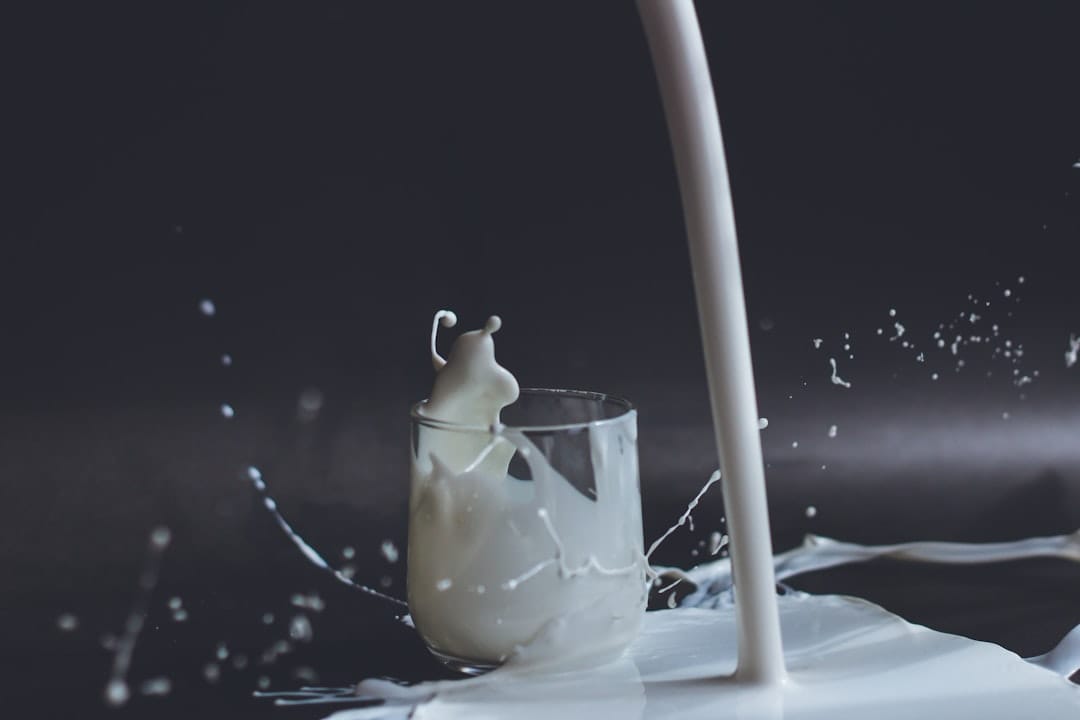
SaveCalcium does more than build bone. It helps blood vessels relax, drives muscle contraction, and supports nerve function, and a shortfall over time can set the stage for osteoporosis. Milk is one of the most reliable dietary sources, and one serving of boba tea supplies about 250mg, close to a quarter of the daily recommended amount. Paired with an otherwise balanced diet, that is a meaningful contribution. A warm, spiced option like turmeric milk taken for its skin and health perks offers a similar calcium hit with a lot less sugar.
A Small Boost for Saliva
This one is a curiosity worth mentioning. Chewing the tapioca pearls has been shown to add calcium to your saliva, and it may also nudge down levels of C-reactive protein, a marker your body produces when there is inflammation. It is a minor effect, but it is real and specific to the act of chewing those pearls.
The Sugar Problem
Here is where the drink earns its reputation. Boba is essentially empty calories built around sugar, delivering very little in the way of protein, fiber, or micronutrients to balance it out. That 40 grams of sugar in a single cup already meets or exceeds the daily added-sugar ceiling health authorities recommend, and many flavored or fruit-syrup versions push well past it.
The sweetness sneaks in from several directions at once: the sweetener base, the fruit syrups, the flavorings, and even the pearls themselves, which are usually soaked in a sugary solution before they land in your cup. Drink one occasionally and it is a non-issue. Make it a regular ritual and the sugar load starts to matter for weight, blood sugar, and long-term metabolic health.
Who Should Be Careful
Most people can enjoy boba, but a few should hold back or read the ingredients closely:
Lactose intolerance: the milk base can cause trouble, though soy or almond milk versions may work.
Soy or nut allergies: common in the non-dairy milk options, so ask what was used.
Starch sensitivity: tapioca allergy is rare, but some people react poorly to that much starch.
Sulfite intolerance: some tapioca flours contain added sulfites and preservatives.
Latex allergy: there is a documented cross-reactivity between latex and cassava.
Preparation hygiene matters too. Cassava that is inadequately soaked, cooked, or fermented can cause digestive upset, which is worth keeping in mind at less reputable shops.
Making a Lighter Version at Home
 Save
SaveBuying boba from a cafe means handing over control of everything that goes into the cup. Making it yourself will not turn it into health food, but it can cut the sugar and calories dramatically. A few simple swaps go a long way:
Use skimmed milk and a strong brew of a tea you actually like.
Sweeten with a small dash of honey instead of artificial fruit syrups.
Skip the cream and the extra flavor top-ups.
The pearls come dried in bags and need soaking, boiling, and draining before they turn soft and slippery. The popping variety is different: those arrive as tiny liquid-filled sacs that burst with fruit juice when you bite them. DIY kits exist for both if you want a shortcut. And if the whole appeal for you is a comforting, caffeine-light warm drink rather than the pearls specifically, a gentle brew like buckwheat tea backed by some real science scratches a similar itch without the sugar.
Frequently Asked Questions
Is boba milk tea vegan?
The pearls are, since cassava is plant-based. The drink as a whole depends on the milk. Versions made with soy or almond milk can fit a vegan diet, so always confirm what the shop uses.
How often can I drink boba milk tea?
Think of it as a dessert. Occasional enjoyment is fine, but daily servings stack up the sugar and calories fast, which can work against your health over time.
Do the tapioca pearls have any nutritional value?
Not much on their own. They are mostly starch with a little natural sweetness. Their one quirky perk is that chewing them may add calcium to your saliva and lower an inflammation marker.
The Bottom Line
Boba milk tea is a treat, and it is fine to enjoy it as one. The calcium from the milk is genuinely useful and the tea contributes a whisper of antioxidants, but neither offsets the 40 grams of sugar riding along. If you love it, keep it occasional, or brew a lighter homemade cup so you decide how sweet it gets. Enjoyed with clear eyes, boba stays a small pleasure rather than a daily liability.
This article is for informational purposes only and is not a substitute for professional medical advice. Consult a qualified healthcare provider before making changes to your diet, especially if you have allergies, diabetes, or other health conditions.