

A quiet little seed oil with a long folk history and a growing pile of research behind it.
Evening primrose oil comes from the seeds of Oenothera biennis, a North American wildflower whose yellow blooms open at dusk and close by day. People in 17th-century Europe leaned on it so heavily that it earned the nickname “king’s cure-all.” Modern interest is more measured, but the reasons are real: the oil is loaded with antioxidants and omega-6 fatty acids, chiefly gamma-linolenic acid (GLA), the compound most of its benefits trace back to.
You can rub it on your skin or swallow it as a capsule. Below is what the evidence actually supports, where it’s still thin, and how to use the oil without running into trouble.
Key Takeaways
– The oil is pressed from evening primrose seeds and is rich in gamma-linolenic acid, an anti-inflammatory omega-6 fatty acid.
– It may help calm acne and atopic dermatitis, ease PMS and menopausal symptoms, and reduce rheumatoid arthritis discomfort.
– Some benefits (heart, bones, nerve pain, hair) rest on animal studies or small trials and need more human research.
– Too much can trigger headaches or an upset stomach, so moderate doses are wise.
– It should be avoided during pregnancy, and a patch test is smart before applying it to skin.
What Evening Primrose Oil Is
 Save
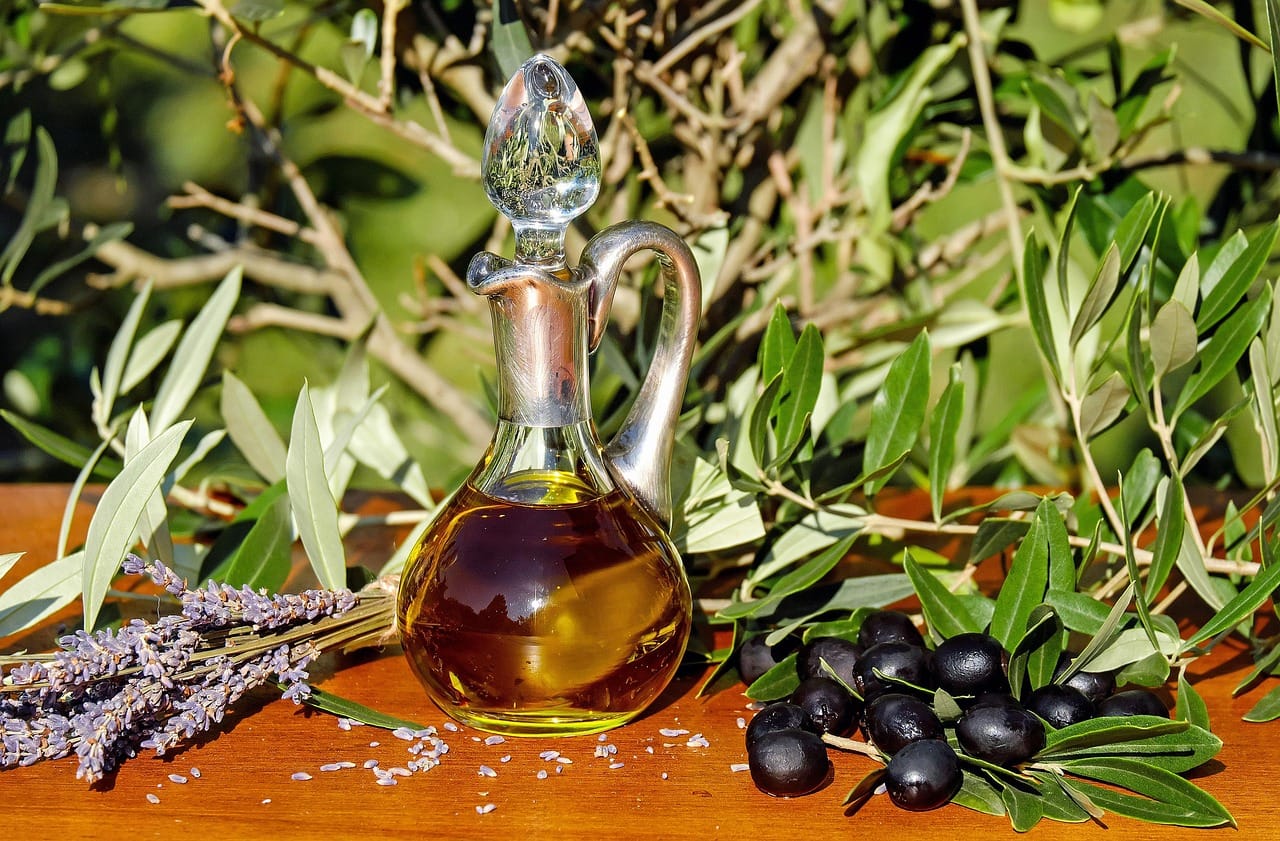
SaveEvery part of the evening primrose plant is edible. The leaves have long been used for stomach complaints, sore throats, and hemorrhoids, while the seeds hold the prized oil. That oil is roughly 72% linoleic acid and 10% gamma-linolenic acid, a fatty-acid profile that sets it apart from most kitchen oils.
GLA is what does the heavy lifting. Your body converts it into compounds that dial down inflammation, which is why the same oil keeps showing up in research on skin flare-ups, joint pain, and hormonal symptoms. If you like the idea of a plant oil that pulls double duty inside and out, it sits in the same broad family as a familiar cooking oil with its own range of benefits for the heart, skin, and hair.
Clearer Skin and Fewer Breakouts
 Save
SaveThis is the use evening primrose oil is best known for. GLA helps skin hold on to moisture by reducing water loss through the surface, and it supports the skin barrier while tempering inflammation. One line of research suggests that a mix of omega-3, omega-6, and gamma-linolenic acid has strong potential to quiet inflammatory skin conditions, including acne, psoriasis, and atopic dermatitis.
There’s a nice practical footnote here too: the oil was found to help with xerotic cheilitis, the chapped, cracking lips that people on oral isotretinoin often deal with while treating acne. Larger studies would firm this up, but it’s a reasonable option to keep in mind.
What about eczema?
Oral evening primrose oil has been studied for atopic dermatitis, the red, itchy patches that flare on arms and behind the knees, and a review in Annals of Dermatology backs a possible benefit. Results across trials are mixed, though, so treat this as promising rather than proven.
Hormonal Support Through PMS and Menopause
 Save
SaveIf your cycle brings a rough stretch each month, GLA may help. Evening primrose oil has been linked to relief from the irritability, low mood, and breast tenderness of premenstrual syndrome, and pairing it with vitamin E and vitamin B6 appears to add to that effect.
The menopausal side is interesting. In one study, two 500 mg capsules taken twice daily for six weeks reduced the intensity of hot flashes. A separate review in the Journal of Menopausal Medicine reported that 1000 mg capsules taken twice a day may cut the frequency and severity of night sweats. And for cyclic breast pain, a six-month combination of 3000 mg evening primrose oil with 1200 IU of vitamin E showed promise.
Beyond Skin: Heart, Nerves, and Bones
Here the picture gets more preliminary, so read it with that in mind.
Heart. Omega-6 fatty acids are associated with lower cardiovascular risk, and in animal work the oil reduced blockages in blood vessels and improved cardiac recovery in rats with high cholesterol. Human data is still missing.
Nerve pain. Diabetic nerve damage may respond to GLA. Around 360 mg a day has been studied for preventing and treating diabetic polyneuropathy, and a shortage of linolenic acid can itself cause numbness, weakness, and blurred vision.
Bones. Diets rich in polyunsaturated fats may lower osteoporosis risk in postmenopausal women on hormone therapy. Evening primrose oil is high in those fats, and a blend of primrose oil, calcium, and the omega-3s found in fish oil has been tied to better bone density and slower bone loss.
None of these are settled. They’re worth knowing about, not worth abandoning your treatment plan over.
Easing Rheumatoid Arthritis
Rheumatoid arthritis is an autoimmune disease that inflames the joints, and this is one of the better-supported uses. Research from Australian Catholic University found that GLA from evening primrose oil may relieve RA symptoms, and taking 540 mg of GLA daily through the diet for six months improved the condition in one study. The oil’s anti-inflammatory action is the likely mechanism.
Can It Do Anything for Your Hair
 Save
SaveMaybe. Evening primrose contains arachidonic acid, an omega-6 fat shown to encourage hair growth by helping follicles multiply and survive. Used consistently, it’s thought to support fuller, more resilient hair over time. The catch is that this rests on limited research, so keep expectations grounded.
The oil has also been reported to reduce fatigue and improve quality of life in people with multiple sclerosis, and anecdotally to soothe rosacea. Its vitamin E content may lend a hand to immune function and wound healing. All of that still needs more study.
How to Use It Safely
You can take evening primrose oil as an oral capsule or apply it to your skin. If you’re going topical and your skin runs sensitive, dilute it first with a carrier such as jojoba oil, the same buffering approach you’d use with a concentrated botanical like fragrant sandalwood oil. It also blends nicely into face packs and creams alongside other oils or herbs.
Two habits matter most. First, do a patch test before your first full application, since redness and irritation are possible. Second, keep doses moderate. Overdoing it can bring on headaches and gastrointestinal upset, and anyone who reacts that way should stop. Evening primrose oil is best avoided during pregnancy, and if you take medications or have a health condition, check with your doctor before starting.
Frequently Asked Questions
How long before I notice results?
It depends on the goal. Menopausal symptom studies ran around six weeks, joint and breast-pain trials ran about six months, and one person taking capsules for cystic acne described clear improvement after roughly four months. Give it steady, patient use rather than expecting an overnight change.
Can I use it every day?
Yes, in moderation, either topically or as a supplement. Problems tend to show up with excessive amounts, mainly headaches and stomach upset, so stick to sensible doses.
Who should avoid it?
Anyone allergic to it, and anyone who develops digestive issues or headaches after using it. It’s also not recommended during pregnancy. When in doubt, talk to a healthcare provider first.
The Bottom Line
Evening primrose oil isn’t a cure-all, whatever its old nickname promised, but it’s a genuinely useful seed oil. The strongest evidence sits around skin conditions, PMS and menopausal symptoms, and rheumatoid arthritis, all pointing back to its gamma-linolenic acid. The heart, bone, nerve, and hair claims are more preliminary and lean on animal or small human studies. Used in moderate doses, with a patch test for topical use and a pass during pregnancy, it’s a low-risk addition worth trying if any of these concerns are yours.
This article is for informational purposes only and is not a substitute for professional medical advice. Talk to a qualified healthcare provider before starting any new supplement, especially if you are pregnant, nursing, taking medication, or managing a health condition.