
A trace mineral you barely think about, quietly doing a lot of heavy lifting.
Copper rarely makes the headlines the way iron or calcium do, yet your body leans on it every single day. You only need it in tiny amounts, but those amounts help you make energy, build red blood cells, keep your nerves firing, and fend off infection. The good news is that copper turns up in a wide spread of foods, from shellfish and organ meat to seeds, beans, and leafy greens, so meeting your needs rarely calls for anything exotic.
Here are eleven of the richest sources, along with how they stack up and what to eat alongside them so your body can actually use what you take in.
Key Takeaways
– Copper is an essential trace mineral that supports brain function, immunity, energy production, and red blood cell formation.
– Some of the strongest sources are oysters, organ meat, seeds and nuts, shiitake mushrooms, and spirulina.
– Plant eaters can lean on beans, quinoa, buckwheat, potatoes, and dark leafy greens.
– Too little copper is linked to anemia, weakened immunity, and poorer blood clotting.
– Balance matters: large amounts of zinc or vitamin C can interfere with how much copper you absorb.
Why This Little Mineral Punches Above Its Weight
Your brain holds the highest concentration of copper of any organ, and imbalances there can throw off how it works. Shortfalls during early growth may leave the brain and nervous system underdeveloped, and low copper status has been tied to a higher risk of Alzheimer’s disease.
Copper also feeds your energy supply. It plays a part in producing ATP, the molecule cells use as fuel, and it helps guard against the kind of anemia that leaves you dragging. On the immune front, copper and zinc work as a pair. When either runs low, your body makes fewer of the immune cells, like macrophages and neutrophils, that hunt down bacterial invaders.
Shellfish Deliver the Most Copper by Far
 Save
If you want the biggest bang for your bite, look to the sea.
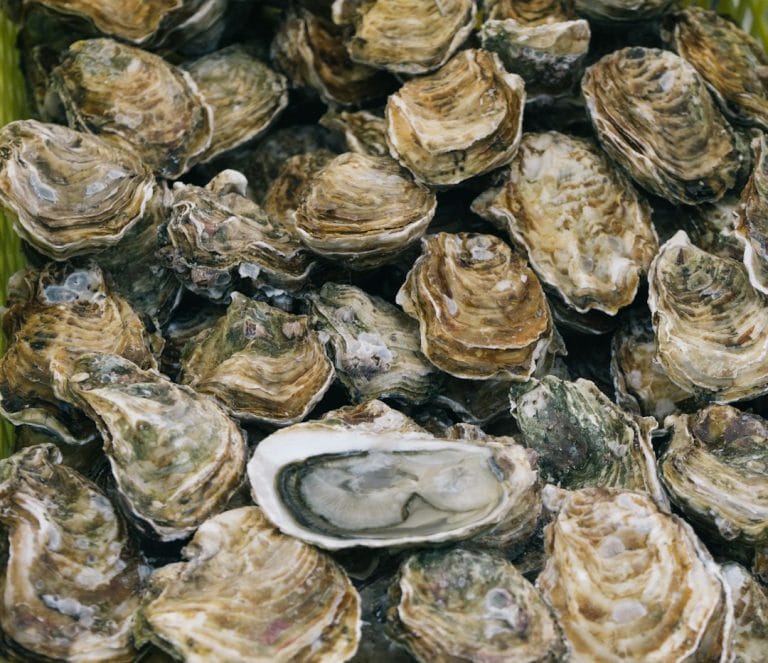
Oysters sit at the top. Cooked Eastern oysters are exceptionally rich, packing around 4,800 micrograms of copper per 100-gram serving, alongside heart-friendly omega-3 fats that may lower type 2 diabetes risk. One caution: skip them raw, since raw oysters can cause infections.
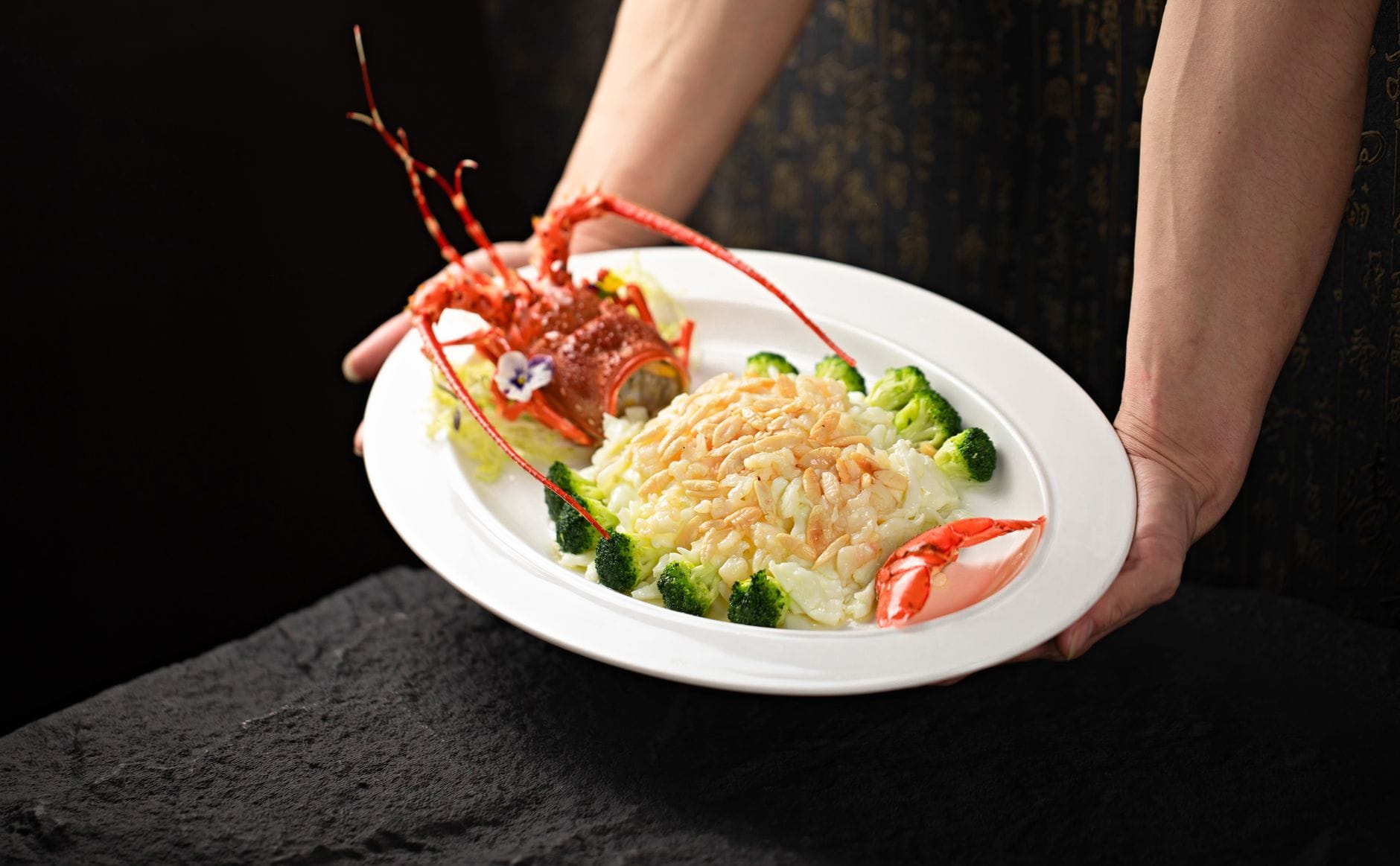
Lobster is the pricier option but a genuinely good source, offering about 2.8 mg of copper per 145-gram serving. You also get protein, vitamin B12, zinc, and selenium. It’s low in saturated fat, though high in cholesterol, so treat it as an occasional plate rather than a staple.
Organ Meat, Mushrooms, and Spirulina
Beef liver is one of the most concentrated copper sources on the planet, with roughly 10.1 mg in a single slice, plus folate, iron, vitamin A, and B12. Calf and chicken livers deliver similar perks. Organ meat isn’t to everyone’s taste, but even small servings go a long way.
For plant-based options with serious numbers, two stand out:
Shiitake mushrooms bring about 5.16 mg per 100 grams, along with rich flavor and a long history in traditional medicine.
Spirulina, the blue-green algae often stirred into smoothies, is nutrient-dense and low in calories. It’s concentrated enough that astronauts have used it as a supplement.
Seeds, Nuts, and Dark Chocolate
 Save
This is where snacking and copper overlap nicely. Sesame seeds are worth a spot in your pantry, carrying roughly 5.9 mg of copper per cup along with fiber, protein, and healthy fats. Almonds contribute about 1.6 mg per cup when dry-roasted without salt, and cashews add around 0.6 mg per ounce. Cashews are flexible too, whether eaten raw, tossed into cooked dishes, or soaked overnight for dairy-free spreads and dips.
Nuts do double duty here, since copper also supports skin health and turns up in other foods that keep skin, joints, and bones resilient.
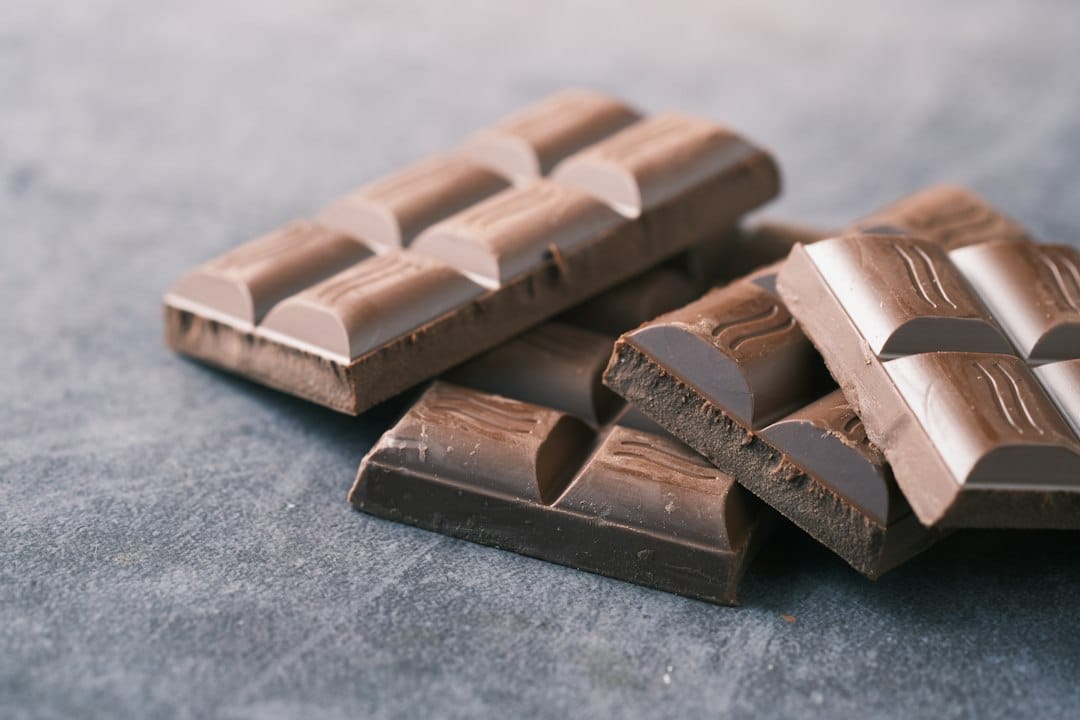
Dark chocolate earns its place as well. It’s loaded with antioxidants and fiber, and it has been linked to better heart health and lower cholesterol. The copper contribution per bar is modest, and because dark chocolate is calorie-dense, moderation is the honest advice.
Plant Foods That Add Up
You don’t need meat or seafood on the plate to reach your copper goals. A varied plant-based diet gets you there comfortably.
Beans, Quinoa, and Buckwheat
 Save
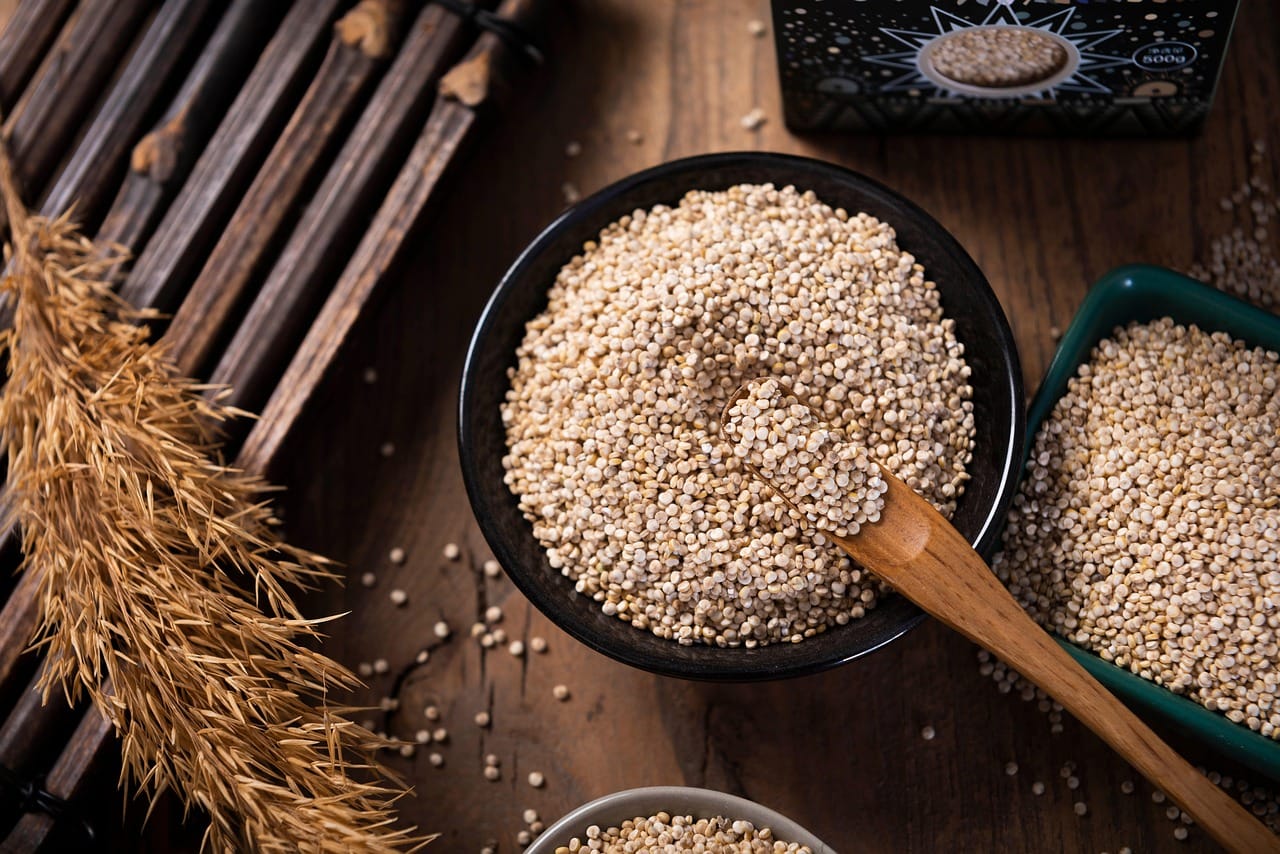
Legumes and whole grains quietly stack up. Chickpeas offer about 0.57 mg per cup, and boiled soybeans add roughly 0.2 mg. Quinoa, a satisfying rice swap, gives you around 0.4 mg per cooked cup, while buckwheat is the standout at about 1.87 mg per cup. Tofu and avocado chip in smaller amounts too. Because many of these are also fiber powerhouses, they slot neatly into a menu built around everyday high-fiber food groups.
Leafy Greens and Potatoes
 Save
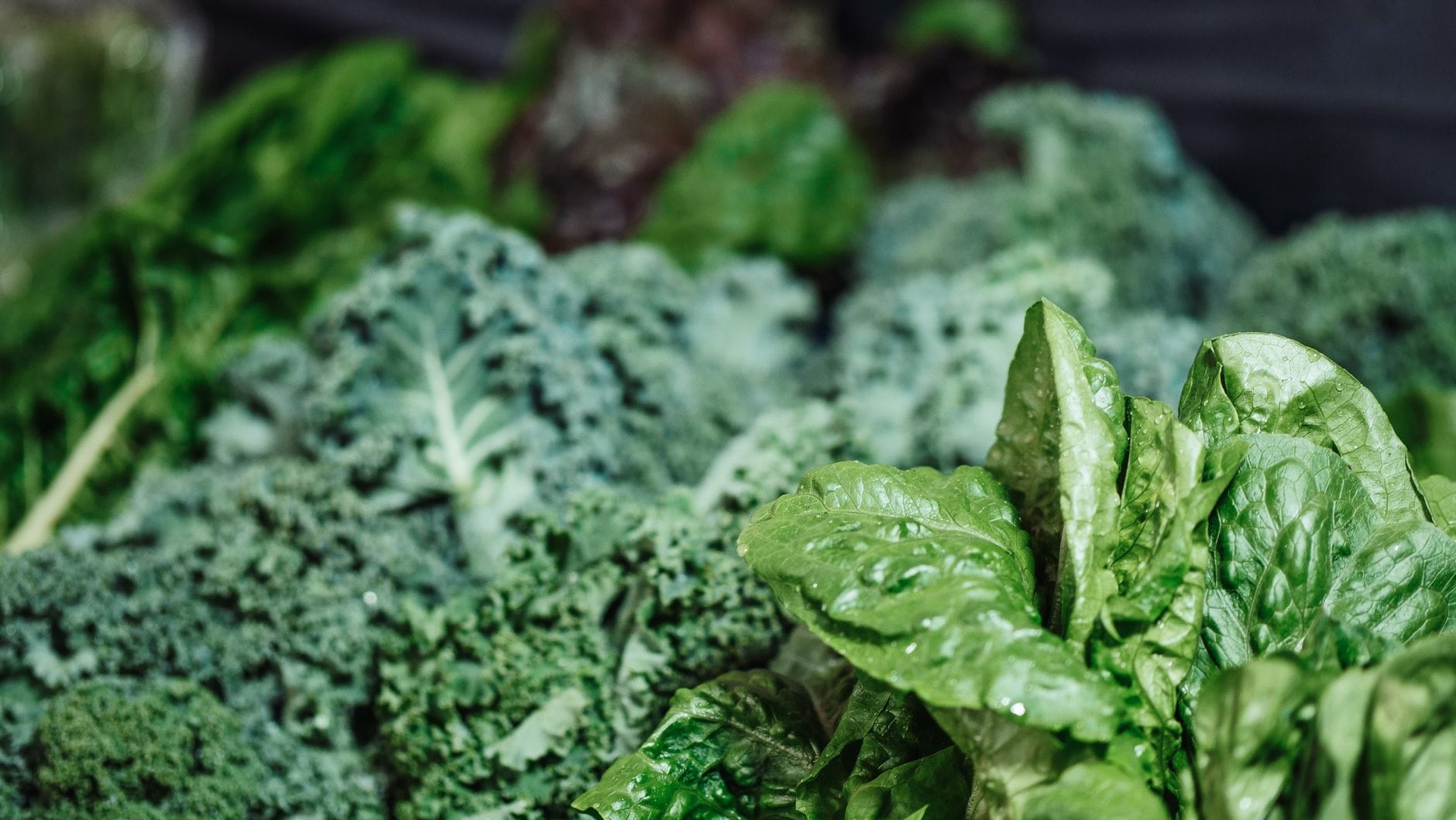
Dark greens like kale, Swiss chard, and spinach each contribute a little copper, and spinach throws in fiber, folate, vitamin K, zinc, and iron for good measure. Potatoes hold about 0.34 mg each, with most of it in the skin, so cook them unpeeled when you can. Sweet potatoes add a smaller share.
What to Eat Alongside Copper
Getting copper into your diet is only half the story. A few nutrients change how much your body keeps.
Vitamin C is a double-edged one. In large doses it can cut how much copper your intestines absorb, though it may help the liver take it up. Pairing copper foods with modest amounts of citrus, cauliflower, or potatoes usually strikes a sensible balance.
Zinc is the other one to watch. It’s essential in its own right, but too much of it blocks copper absorption, so keep both in reasonable proportion by rotating legumes, seafood, seeds, and nuts. Healthy fats, meanwhile, are a helpful companion. They improve the uptake of fat-soluble vitamins and other nutrients, so eggs, cheese, oily fish, and avocado all belong on the same plate.
How Much Copper Do You Actually Need?
Copper is a trace mineral, which means the body needs only small daily amounts rather than large servings. Most people who eat a reasonably varied diet, mixing a few of the foods above through the week, comfortably cover their needs without tracking milligrams. The bigger risk for the average eater is imbalance with zinc, not falling short, though those with certain absorption issues may need to pay closer attention.
Frequently Asked Questions
Can you get too much copper from food alone?
Copper toxicity from ordinary food is uncommon. Getting your copper from a varied whole-foods diet, rather than high-dose supplements, keeps you in a safe range.
Do vegetarians struggle to get enough copper?
Not usually. Beans, quinoa, buckwheat, seeds, nuts, mushrooms, and dark greens all supply copper, so a well-rounded plant-based diet meets the need without much effort.
What are the signs of copper deficiency?
Shortfalls have been linked to anemia, weakened immunity, reduced blood clotting, inflammation, and, over the long term, effects on cardiovascular and nervous system health. Persistent symptoms are worth discussing with a clinician.
The Bottom Line
Copper is one of those quiet nutrients that keeps a lot of systems running, from your brain and immune defenses to the energy in every cell. You don’t need much, and you don’t need to hunt for it. Oysters and liver top the charts, but seeds, beans, quinoa, mushrooms, dark chocolate, and leafy greens make it easy for almost any eating style to keep up. Rotate a few of these through your week, keep an eye on the copper-to-zinc balance, and this under-the-radar mineral will mostly take care of itself.
This article is for educational purposes only and is not a substitute for professional medical advice. Talk to a qualified healthcare provider before making significant changes to your diet or supplement routine, especially if you have an existing health condition.