
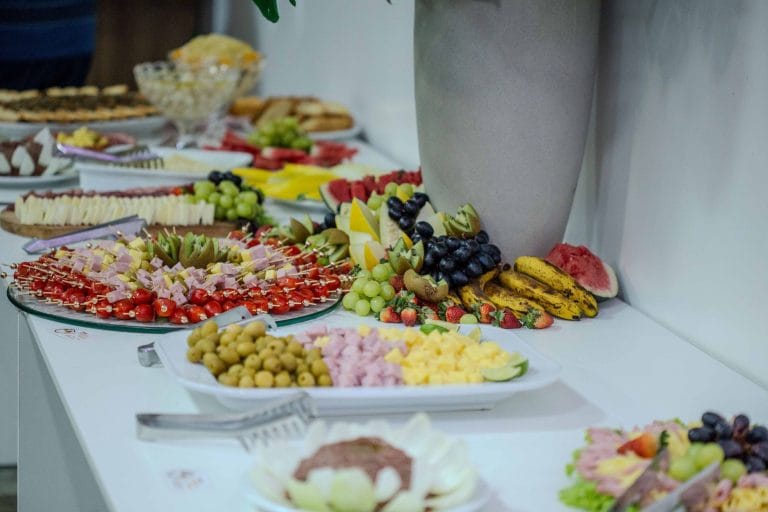
Whole foods that keep the sweetness gentle while loading your plate with fiber, water, and antioxidants.
Fruits and vegetables belong in almost every healthy eating plan, yet the natural sugar in some of them gives pause to anyone watching their blood glucose. Every fruit and vegetable carries some sugar, but the amount varies a lot from one to the next. That gap is exactly why low-sugar picks matter for people with diabetes, anyone counting carbs, or those simply trying to eat lighter.
The good news is that plenty of produce delivers vitamins, minerals, fiber, and water without a heavy sugar hit. Below are fifteen of the best low-sugar fruits and vegetables, along with simple ways to fold them into your day.
Key Takeaways
– Apples, watermelon, oranges, avocado, blackberries, and grapefruit are lower-sugar fruits you can enjoy without piling on carbs.
– Berries, especially blackberries and strawberries, sit at the bottom of the sugar scale while staying high in fiber.
– Cantaloupe is a favorite low-carb melon, good sliced on its own or tossed into a fresh salad.
– Cucumber, cabbage, broccoli, and asparagus are among the most reliable low-sugar vegetables for everyday meals.
– Low-sugar produce tends to be lower in calories, high in water, and rich in fiber that steadies digestion and blood sugar.
Is the Sugar in Fruit Actually a Problem?
For most people, no. Fruit brings a package of vitamins, minerals, and fiber that far outweighs its natural sugar. The picture changes if you live with diabetes or you are tracking carbohydrates closely, because those natural sugars still nudge blood glucose upward.
The trick is remembering that fruits are not interchangeable. A cup of blackberries and a large banana are worlds apart on the sugar scale. Reaching for the lower-sugar end of the spectrum lets you keep fruit in your diet without the sharp glucose swings. If you are curious how different types of produce interact with your body’s chemistry, our guide to fruits that lean toward the alkaline side is a useful companion read.
Berries Lead the Low-Sugar Pack
 Save
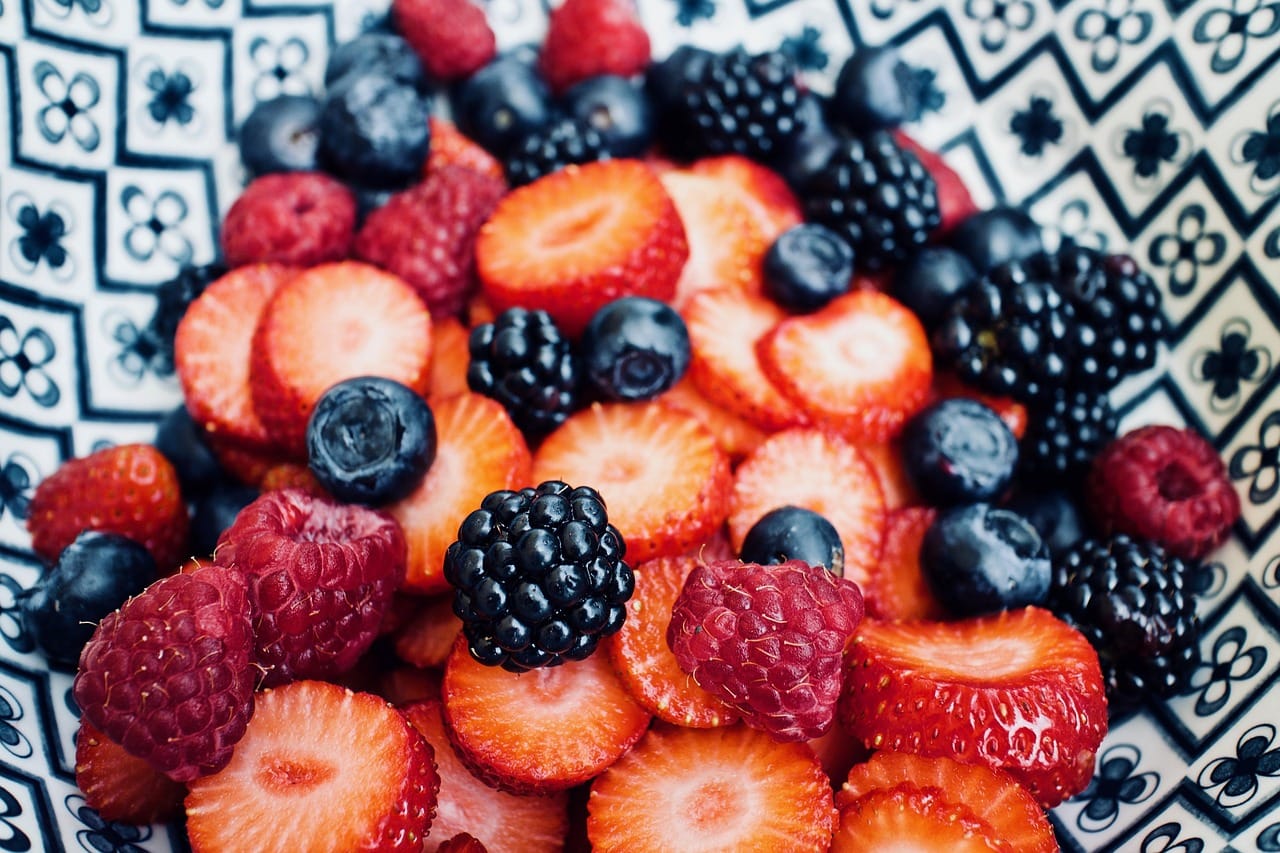
Berries are the quiet heroes here. A cup of whole strawberries (144 g) carries only about 7 g of sugar alongside 3 g of fiber, plus a generous dose of vitamin C and minerals like potassium, calcium, and magnesium. They work in smoothies, on oatmeal, or scattered over pancakes.
Blackberries go even lower. A 100 g serving has roughly 5 g of sugar, 5 g of fiber, and 10 g of total carbs, making them the least sugary berry of the bunch. Research has linked blackberries to better fat oxidation and improved insulin sensitivity in overweight men, along with an anti-diabetic effect. Eat them by the handful or stir them into a bowl of oats.
Melons, Citrus, and the Watermelon Question
 Save
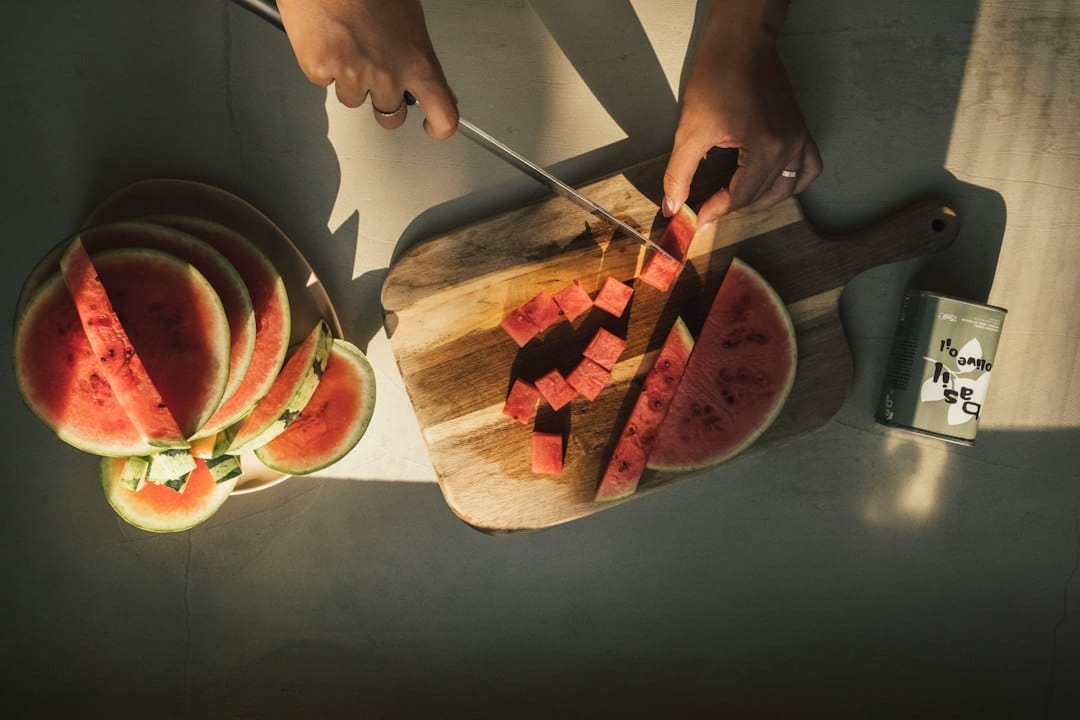
Watermelon is mostly water. A single cup (154 g) holds about 141 g of water and just under 10 g of sugar, plus vitamin A, vitamin C, lycopene, and folate. It improves satiety and has been tied to lower BMI and blood pressure. One caveat: watermelon has a high glycemic index, though its glycemic load stays low thanks to modest carbs. If you have diabetes, keep portions small.
Cantaloupe is another melon that fits a low-carb plate, with around 8 g of sugar and 1 g of fiber per 100 g. It shines diced with a little fresh mint, and there is more to it than the sweetness suggests, as our deep dive into what cantaloupe does for skin, hair, and health explains.
On the citrus side, a large orange (184 g) has about 17 g of sugar but also 160 g of water and a healthy pour of vitamin C, beta carotene, and potassium. Grapefruit runs leaner still, near 7 g of sugar per 100 g, which makes it a bright, thirst-quenching start to the morning.
Avocado, the Fruit That Skips the Sugar
 Save
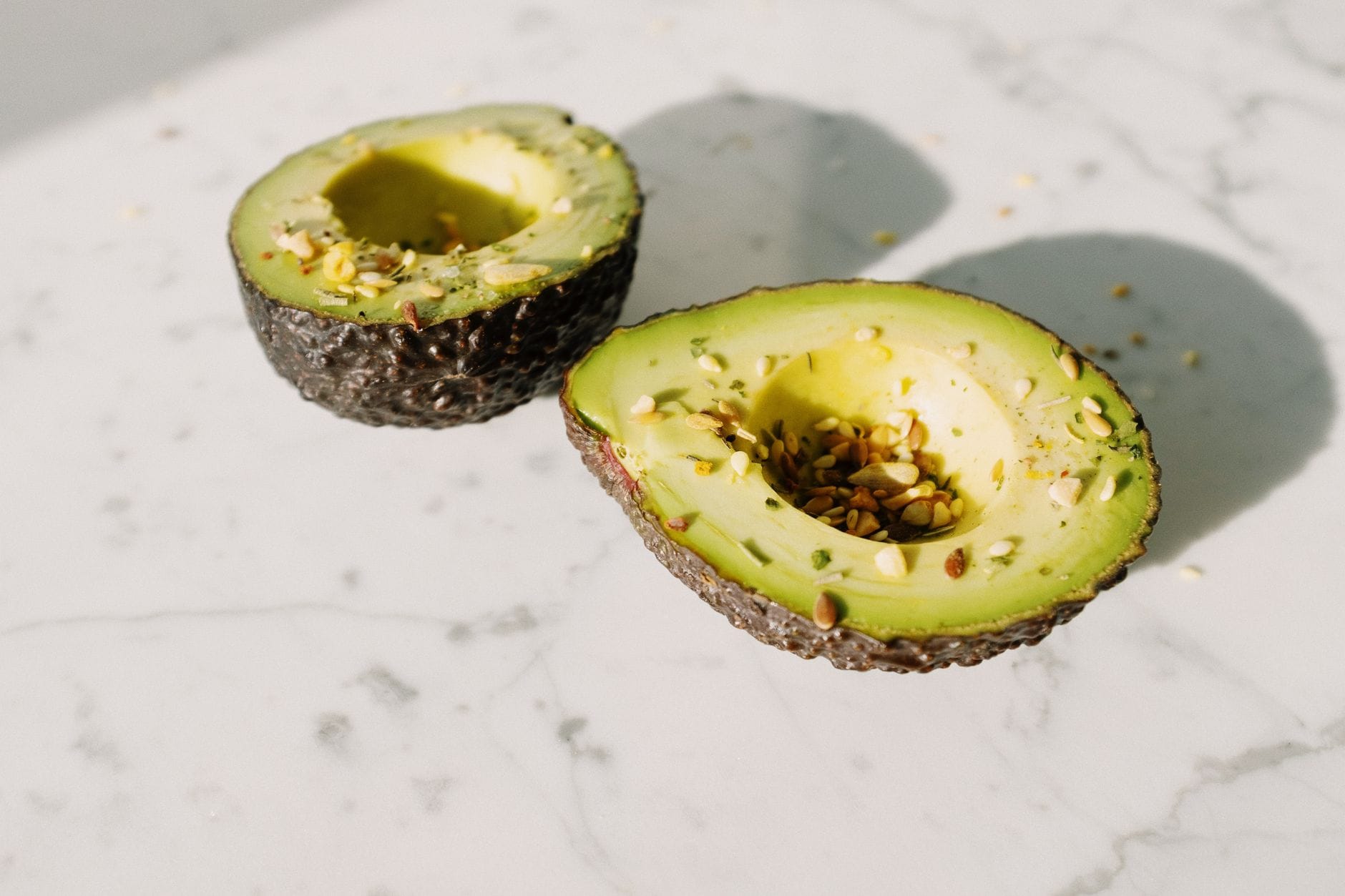
Avocado barely registers on the sugar scale. Per 100 g it contains a negligible 0.66 g of sugar, roughly 6.7 g of fiber, and about 8.5 g of carbohydrates, along with vitamins C, E, and A and trace copper and folate. Nutritionists sometimes call it a complete food because of its healthy fat and antioxidant content. Blend it into a smoothie, spread it on toast, or fold it through a salad for a rich, buttery bite that costs you almost nothing in sugar. Apples round out this group too, and at roughly 19 g of sugar with 5 g of fiber per medium fruit, they still earn a place thanks to phytochemicals that support bone, lung, and gut health.
These fruits share a low glycemic index, so they digest slowly and release glucose gradually rather than in a spike. Over time that gentler curve supports better insulin sensitivity, which is central to managing diabetes. If you are building meals around this principle, our roundup of easy low-carb meal ideas pairs naturally with a low-sugar fruit bowl.
Why Bother With Low-Sugar Fruit?
Beyond blood sugar, there are a few practical wins:
They usually run lower in calories, which helps with weight management.
Their high water content keeps you hydrated.
The fiber helps you feel full longer, supports digestion, and benefits heart health.
The vitamins, minerals, and antioxidants may lower the risk of chronic conditions like hypertension.
Vegetables Worth Keeping Within Reach
 Save
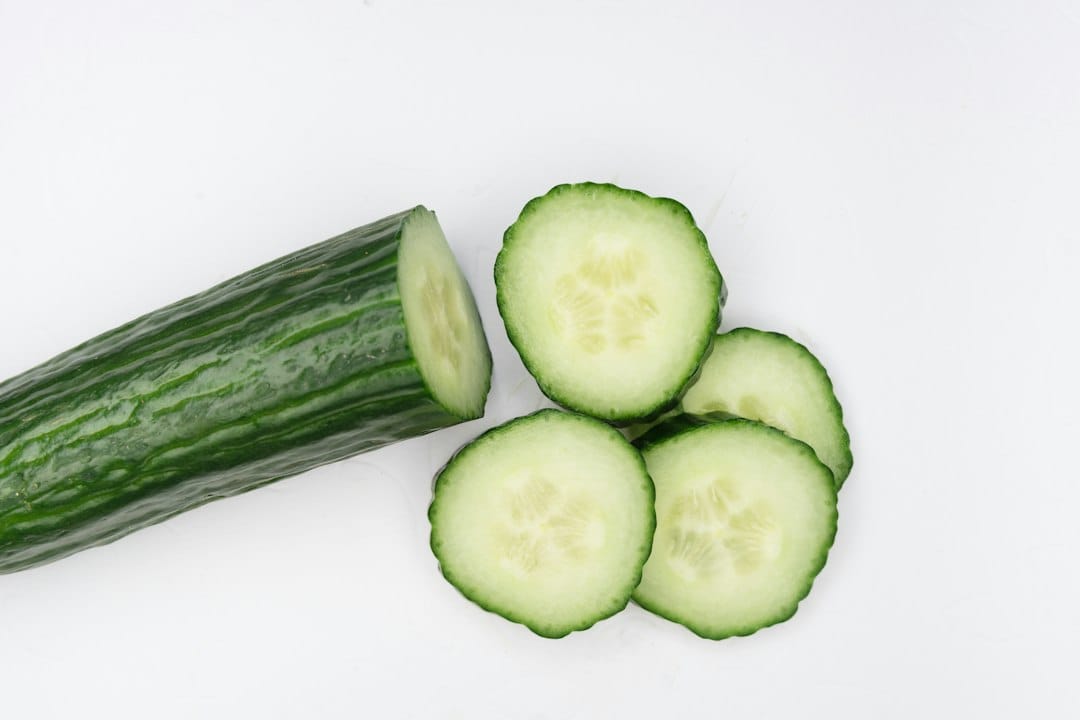
Vegetables tend to be even lower in sugar than fruit, and cucumber is a standout. A 100 g serving has only about 2 g of sugar and a striking 95 g of water, which makes it perfect for salads or a crunchy afternoon snack. Cabbage, broccoli, and asparagus follow the same pattern: minimal sugar, plenty of fiber, and a long list of nutrients. Keeping a few of these washed and ready turns a low-sugar meal into a five-minute job rather than a chore.
Frequently Asked Questions
Can people with diabetes eat fruit at all?
Yes. Lower-sugar options like berries, grapefruit, and avocado fit most diabetes-friendly plans when eaten in sensible portions. Higher-sugar fruits like watermelon are best kept small. Check with your own clinician about amounts.
Which fruit has the least sugar overall?
Among common choices, avocado is remarkably low at under 1 g of sugar per 100 g, and blackberries lead the berries at around 5 g.
Does cooking or juicing change the sugar?
Whole fruit keeps its fiber, which slows sugar absorption. Juicing strips much of that fiber, so a glass of juice tends to hit your bloodstream faster than the whole fruit does.
The Bottom Line
You do not have to give up fruits and vegetables to keep sugar and carbs in check. Berries, avocado, grapefruit, cantaloupe, and water-rich vegetables like cucumber let you enjoy real, whole produce while keeping the glucose curve gentle. Lean on the lower-sugar end of the shelf, watch your portions with the sweeter picks, and let the fiber and water do their quiet work.
This article is for general information only and is not a substitute for professional medical advice. Talk to a qualified healthcare provider before making changes to your diet, especially if you have diabetes or another health condition.