
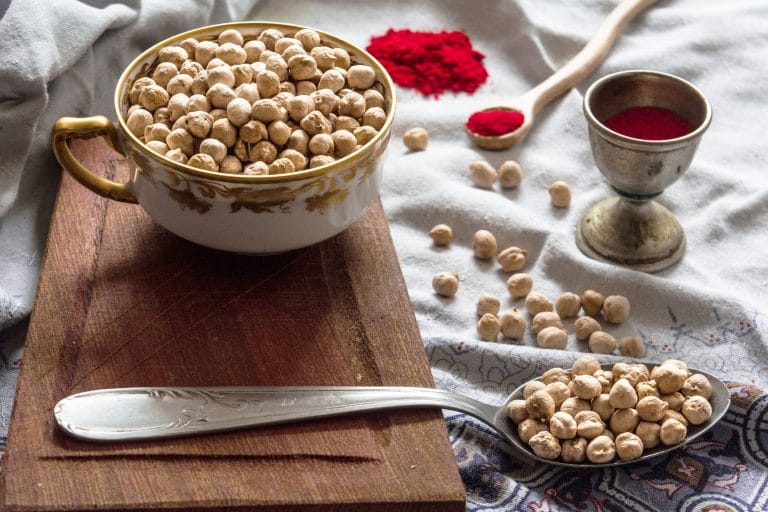
Two names, one nutty little legume, and a surprising amount of good it can do for you.
If you have ever pulled up a recipe that lists garbanzo beans while your pantry can only offer a can labeled chickpeas, you have probably wondered whether you need to make another grocery run. You don’t. The two words point to the exact same seed, and the only real story here is where each name came from. What matters more is what this humble bean brings to your plate.
Chickpeas turn up in hummus, curries, crunchy snacks, and grain bowls for good reason. They are filling, cheap, plant based, and backed by a decent stack of research. Below is the naming answer, the health picture, and a couple of easy ways to work more of them into your week.
Key Takeaways
– Garbanzo beans and chickpeas are identical. The difference is purely linguistic, not botanical.
– They are a strong plant-based source of protein and fiber, plus a range of vitamins and minerals.
– Studies link regular chickpea intake to steadier blood sugar, better appetite control, and a healthier gut.
– The fiber may also nudge LDL cholesterol down, which is good news for your heart.
– They are endlessly flexible: hummus, stews, salads, curries, and roasted snacks all work.
Are They Really the Same Bean?
Yes, completely. Chickpeas and garbanzo beans are the edible seeds of a plant in the Fabaceae (legume) family, and both names describe Cicer arietinum. That Latin species name is where the English word “chickpea” traces back to. “Garbanzo,” meanwhile, comes into English through Spanish, rooted in a Basque word that roughly means dry seed.
So the label you see is mostly a matter of regional habit and marketing. American recipes and Spanish-influenced kitchens lean toward garbanzo, while chickpea is common elsewhere. Buy either. They cook the same and taste the same.
What Chickpeas Do for Your Body
 Save
SaveNutritionally, these legumes punch above their weight, and protein is the headline. If you are trying to hit your macros without leaning on meat, chickpeas are one of the easiest swaps to make. Much of what follows flows from that protein plus a generous dose of fiber.
Staying full and managing weight
Chickpeas are nutrient dense but relatively low in calories, and they sit low on the glycemic scale. The combination of protein and fiber slows digestion and keeps hunger quiet for longer. One study on chickpeas and appetite found that the quality of their starch and fiber improved fullness, which can make it easier to eat less overall. Broader reviews of weight management echo the pattern: higher protein paired with low-glycemic foods tends to support people’s body-weight goals. If you are building meals around plants, chickpeas fit naturally into a plant-forward approach to shedding weight.
Steadier blood sugar
Because chickpeas rank low on the glycemic index, they raise blood sugar slowly rather than in a spike. Their fiber slows how quickly carbohydrates are absorbed during a meal, and the protein plays a supporting role in glucose regulation. The effect can be striking. In one study on dried beans, the rise in blood glucose was about 45 percent lower in people who ate beans compared with those who did not. Diets that favor low-glycemic foods are a recognized tool in blood sugar and diabetes management.
A friendlier gut
All that fiber feeds the bacteria living in your intestines. In a controlled trial, people eating a chickpea-fortified diet showed more beneficial bacteria and fewer of the less desirable kind. The researchers concluded that chickpeas can shift the gut microbe balance in a favorable direction, which is a quiet but meaningful win for digestion and overall health.
Heart health
 Save
SaveThe fiber in chickpeas may help lower LDL cholesterol, the type tied to a higher risk of heart attack when it climbs too high. Beyond that, people who eat beans regularly tend to take in more fiber, potassium, and magnesium, a trio associated with lower blood pressure. Small, consistent habits like a few servings of legumes a week add up here.
A possible role in cancer prevention
This part is less settled, so hold it loosely. Chickpeas contain saponins, plant compounds studied for their ability to slow tumor growth, and they may help your body produce more butyrate, a fatty acid linked to reduced colon inflammation. An animal study found that regular chickpea consumption curbed the growth of colon cancer. It is promising, but human trials are still needed before anyone can call it proven.
Easy Ways to Eat More Chickpeas
 Save
SaveThe best thing about chickpeas is how little effort they ask of you. A drained can is dinner-ready. Keep a few tins on the shelf and you always have a fast source of protein.
Blend them into hummus with garlic, lemon, and a good pour of olive oil.
Toss boiled or canned chickpeas through stir-fried greens for a quick meal.
Simmer them into a spiced vegetarian curry.
Drop a handful into soups to make them heartier.
Roast them until crisp for a snack with real crunch.
Fold them into salads, sandwiches, or taco fillings.
The oil you reach for matters too, and hummus is a good excuse to use a budget-friendly olive oil worth keeping around. Chickpeas also pair beautifully with other legumes, so if you enjoy them you will probably like the nutrition case for green beans as a side.
A Simple Chickpea Stew Worth Keeping
 Save
SaveHummus is the obvious classic, but a chickpea stew is the recipe I come back to most. It is vegan, gluten free, and comes together from pantry staples in well under an hour.
Warm a tablespoon of oil in a large saucepan over medium-high heat. Cook two chopped onions until soft and translucent, then stir in three cloves of minced garlic for about thirty seconds. Add a chopped bell pepper (optional), a large chopped tomato or half a cup of puree, a drained can of chickpeas, two teaspoons of Italian seasoning, and salt and pepper. Stir for five minutes.
Pour in two cups of water or vegetable broth, cover, and bring it to a boil. Drop the heat to a simmer and cook for around thirty minutes, until it thickens. For a richer texture, mash some of the chickpeas against the side of the pan with a fork. Taste, adjust the seasoning, scatter chopped parsley over the top, and serve.
Frequently Asked Questions
Is there any nutritional difference between garbanzo beans and chickpeas?
No. They are the same legume, so the protein, fiber, and mineral content are identical. Any difference you notice comes from how they were grown, canned, or seasoned, not from the name.
Are canned chickpeas as healthy as dried ones?
Largely yes. Canned chickpeas are convenient and keep most of their nutrition. Rinsing them under water before use lowers the sodium, and it is worth checking the label if you are watching your salt intake.
Can I eat chickpeas every day?
For most people, a daily serving is fine and even beneficial thanks to the fiber and protein. If you are not used to much fiber, increase your portions gradually and drink plenty of water to avoid bloating.
The Bottom Line
The garbanzo versus chickpea question has a tidy answer: they are one and the same, separated only by language. What is genuinely worth your attention is how much this little bean delivers. It supports fullness and weight goals, keeps blood sugar on a gentler curve, feeds a healthier gut, and lends a hand to your heart, all while staying affordable and easy to cook. Whether you roast a batch for snacking or simmer a pot of stew, chickpeas earn their place in a regular rotation.
This article is for general information only and is not a substitute for professional medical advice. Talk to your doctor or a registered dietitian before making significant changes to your diet, especially if you manage diabetes, heart conditions, or other health concerns.