
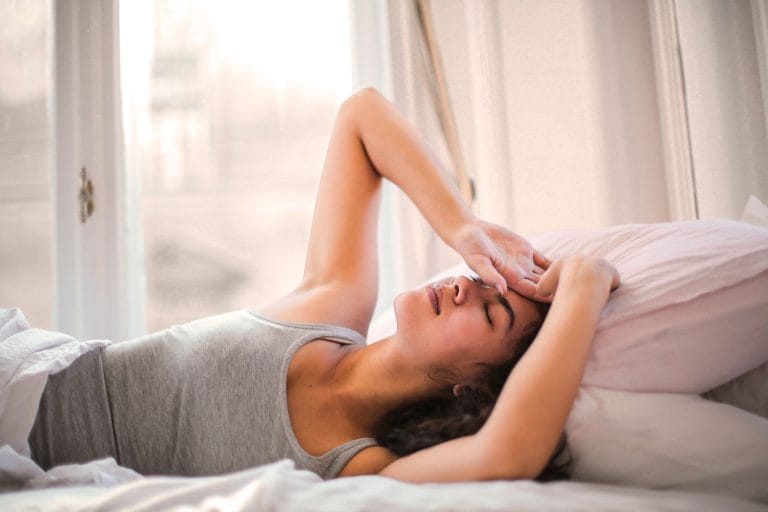
Why your head pounds the morning after, and the small habits that shorten the misery.
The good mood from a big night out tends to evaporate fast once you wake up with your skull throbbing. Almost everyone knows a person who swears by one miracle cure or another, yet the fix that rescues your friend might do nothing for you. What follows is a grounded look at why the headache shows up in the first place, plus the remedies that have actually held up to a bit of scrutiny.
A hangover headache is that pulsing, tender ache that arrives alongside a fresh sensitivity to light and sound after heavy drinking. It’s one of the most familiar hangover symptoms, and it usually kicks in a few hours after your last drink, once your blood alcohol level begins sliding back down.
Key Takeaways
– The headache tends to start as blood alcohol falls and peaks right around the moment it hits zero.
– Widened blood vessels, shifts in serotonin and histamine, and a mild withdrawal state all seem to play a part.
– Most hangover headaches ease up within roughly 24 hours of your last drink.
– Sipping water and eating between drinks, along with keeping the total amount modest, is your best shot at avoiding one.
What Actually Causes That Pounding Head
Alcohol interacts with the body in a surprising number of ways, and researchers still can’t point to a single, tidy explanation for the headache. A handful of mechanisms, though, keep coming up.
Widened blood vessels
Ethanol, a byproduct of how your body breaks down alcohol, causes blood vessels to dilate. That vasodilation is thought to be one of the leading drivers behind the ache you feel during a hangover.
A chemical tug-of-war
Alcohol nudges several hormones and neurotransmitters out of their usual range. It raises histamine and serotonin, and it interferes with prostaglandin inhibitors. Prostaglandins help regulate electrolyte balance and vascular tone, among other jobs, and disruptions there have been tied to hangover symptoms. Red wine drinkers may notice this more sharply, since red wine seems to carry still-unidentified compounds that push plasma serotonin and histamine higher, and both can trigger headaches in sensitive people.
The withdrawal dip
Headache appears on the checklists doctors use to gauge withdrawal in people who are alcohol-dependent. That overlap has led to a reasonable theory: the drop in blood alcohol produces a brief, mild withdrawal-like state, and the headache is one of its calling cards.
On top of all that, alcohol messes with urine output, the gut, sleep, and blood sugar. Not every one of these has been studied directly as a headache cause, but dehydration, an upset stomach, low blood sugar, poor sleep, and stray compounds like methanol can each make the whole experience worse.
The Symptoms That Travel Together
The headache rarely shows up alone. Light sensitivity is a common companion, and you may also deal with several of these at once:
dizziness and shakiness
nausea, sometimes with diarrhea
fatigue and a racing heartbeat
sweating
low mood, anxiety, or a short fuse
You won’t necessarily get all of them, and their number and intensity vary a lot from one person and one night to the next.
How Long Before It Fades
Hangovers generally run their course within about 24 hours of your final drink, and you should feel meaningfully better once that window closes. How long yours drags on depends on how much you drank, what you drank, your genes, your liver, and your general health. Time really is the most reliable cure. Everything else just makes the wait more bearable.
Remedies That Genuinely Help
Reach for water first
 Save
SaveDrinking pulls a lot of fluid out of you, and the resulting dehydration feeds the headache and several other symptoms. One promising study found that plain water can dull a headache and take the edge off its intensity. The research isn’t airtight, but rehydrating carries no downside. Water, juice, an electrolyte drink, or any warm or cold fluid all count. A hydrating green option like what a glass of celery juice offers your body can be a pleasant way to get fluids in when plain water feels dull. Interestingly, in a US survey of 1,000 adults, drinking plenty of water and sleeping tied as the most trusted fixes, each named by 58 percent.
Eat something bland
 Save
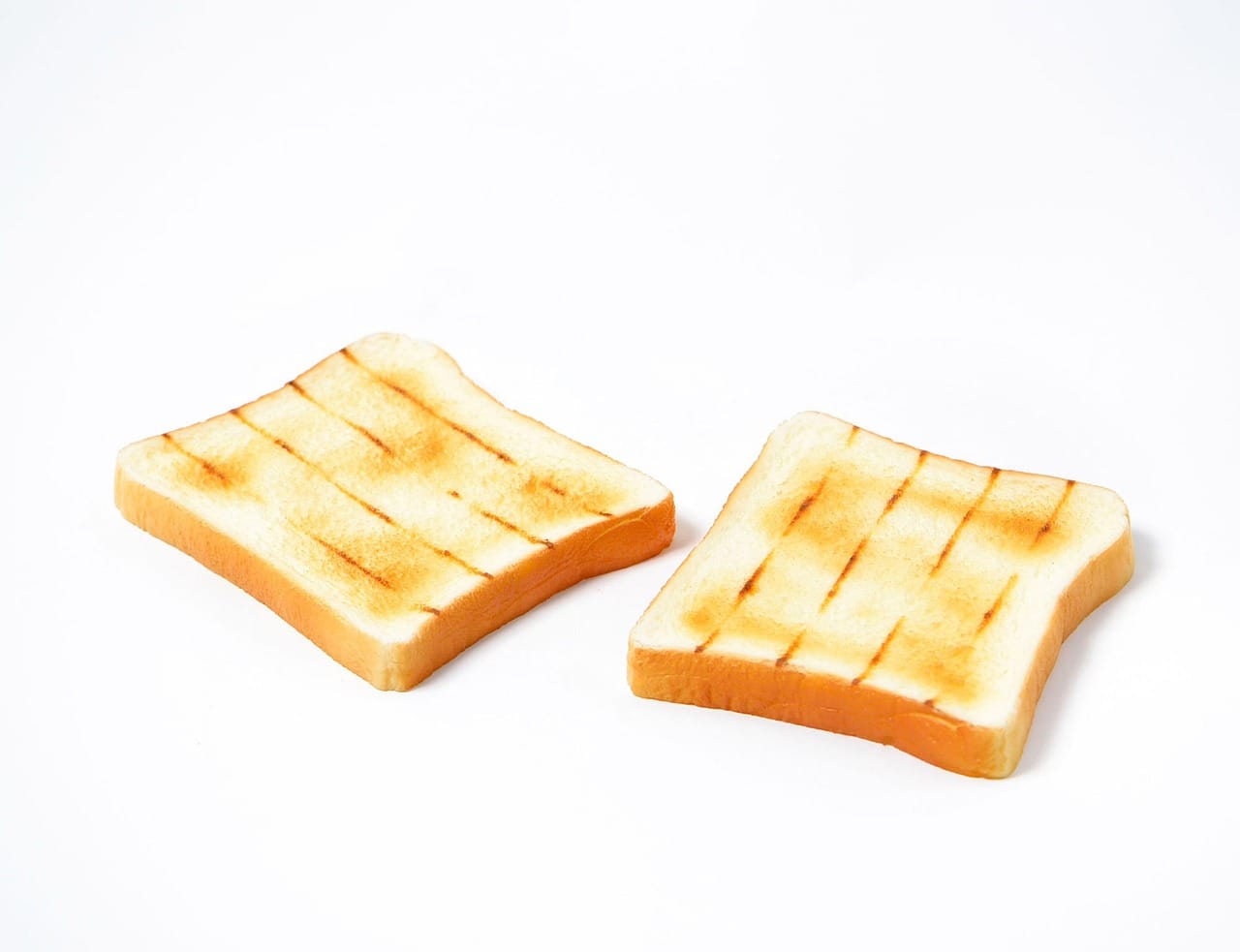
SaveSince nausea often tags along, skip anything ambitious. Bland carbohydrates such as bread, pasta, and fruit help restore blood glucose and replace nutrients your body is short on. A solid breakfast can bring your energy back for the day ahead. One odd note worth remembering: cereal may actually prolong things by dampening the enzyme alcohol dehydrogenase, which helps you metabolize alcohol, whereas plain wheat-based foods don’t have that effect.
Consider vitamin B6
 Save
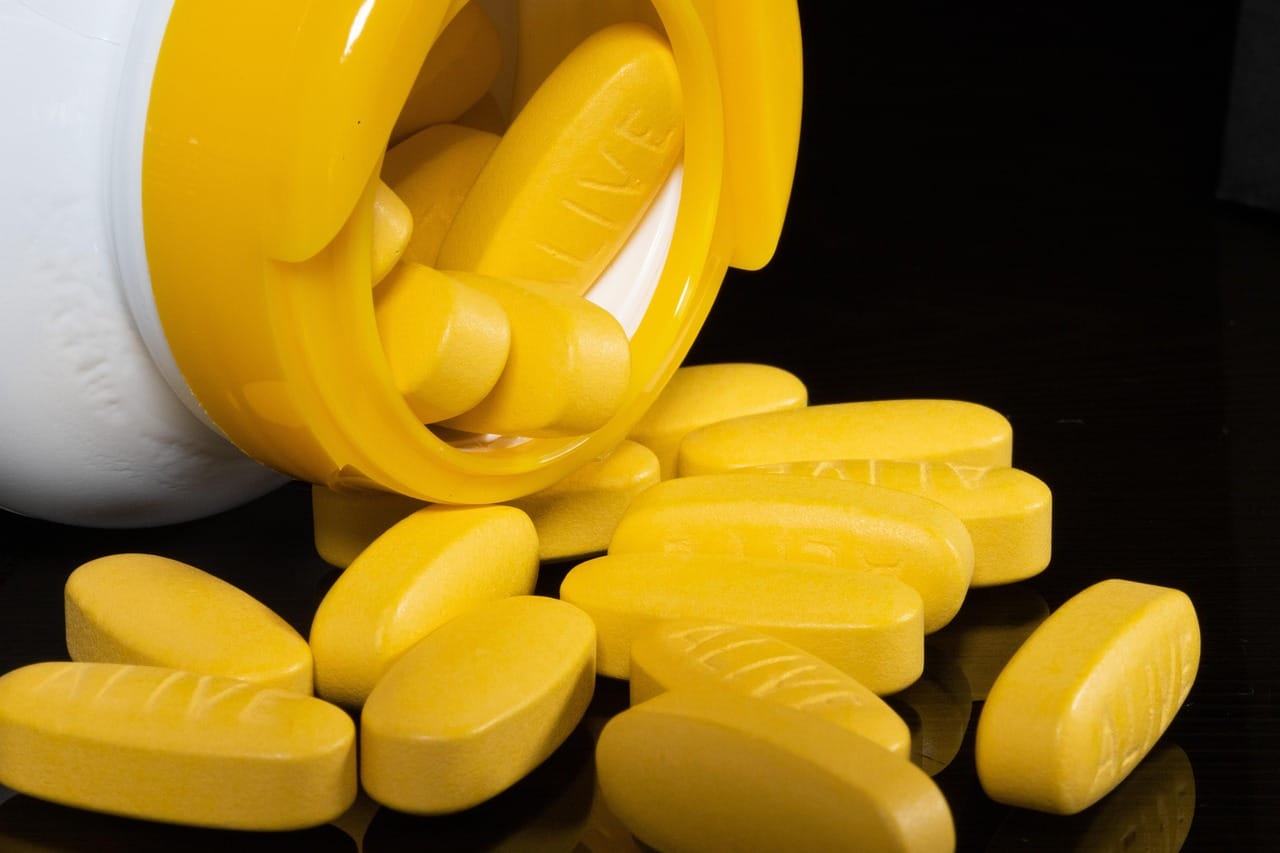
SaveAlcohol drives down your B6 levels, and some research suggests topping them back up can soften a few hangover symptoms. You can lean on B6-rich foods like sunflower seeds, chicken, pork, and peanuts, or reach for a supplement.
Painkillers, with a caveat
An over-the-counter NSAID such as aspirin, ibuprofen, or naproxen is the fastest route to relief, and these have been studied for easing hangover headache and muscle pain. The catch is that NSAIDs irritate the stomach, so if you’re already nauseated or your upper abdomen hurts, they can pile onto alcohol’s gut effects rather than help.
The Best Things to Sip
 Save
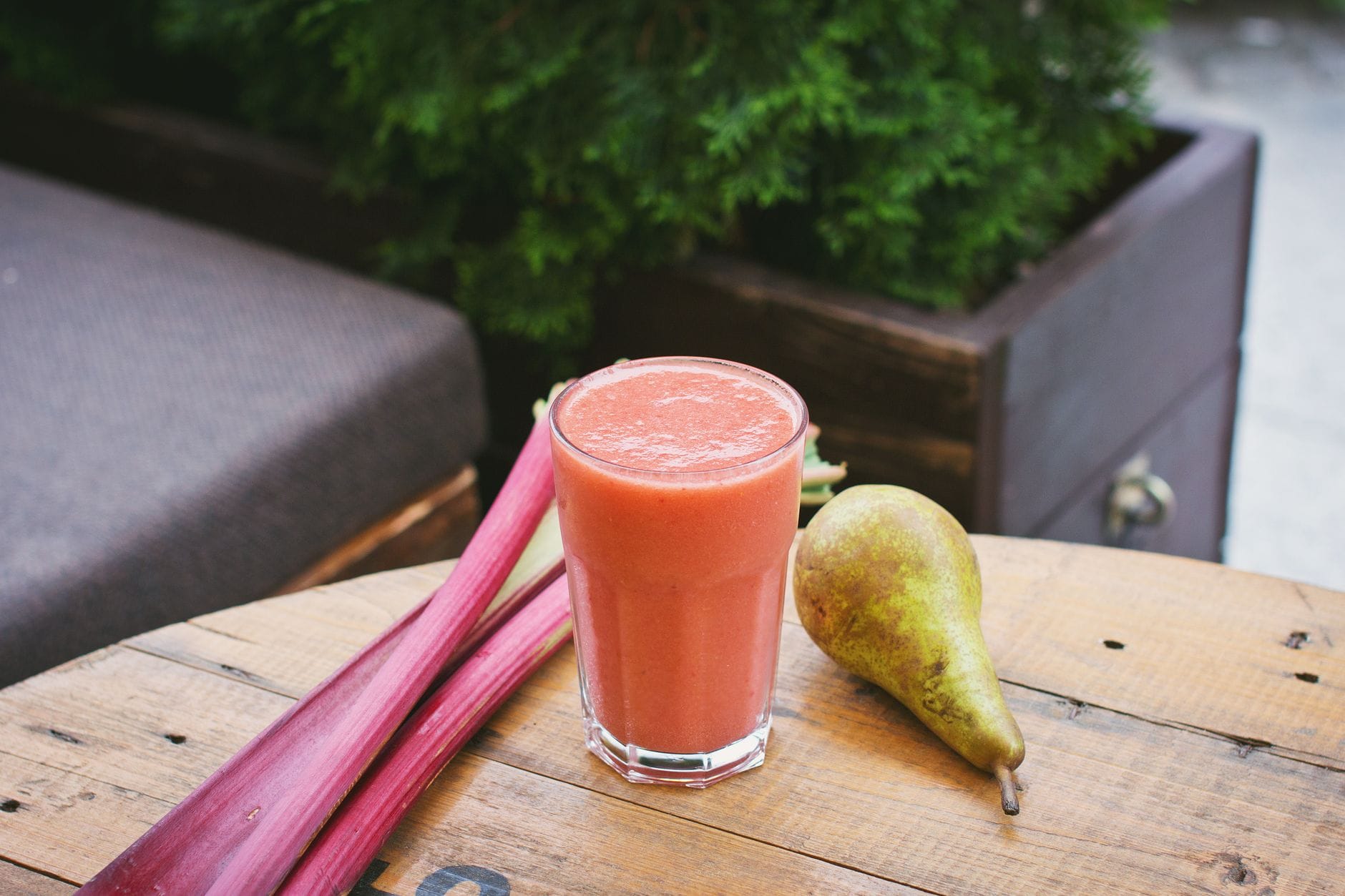
SaveBeyond plain water, some people feel better after a drink built around fruits and vegetables, which deliver fluids alongside sugars and nutrients your body is craving. A warm, soothing option many reach for is the golden turmeric-milk drink and what it does for you, which doubles as comfort when your stomach is fragile. If you want something lighter to nurse through the afternoon, a gentle cup of green tea and how it’s best enjoyed keeps you hydrated without much fuss. The goal isn’t a magic potion. It’s steady fluids and a little nourishment.
Heading Off the Headache Before It Starts
Prevention beats any cure here. The single most effective move is simply drinking less. Beyond that, alternate each alcoholic drink with a glass of water so you don’t fall behind on fluids, and never drink on an empty stomach. Eating before and during the night slows things down and cushions the blow. None of this is glamorous, but it’s what consistently works.
When a Hangover Isn’t Just a Hangover
Most hangover headaches sort themselves out on their own. Get checked, though, if symptoms are unusually severe, don’t budge after 24 hours, or come with confusion or repeated vomiting that leaves you unable to keep fluids down. Those signal something more serious than a rough morning.
Frequently Asked Questions
Does the color of alcohol matter?
It can. Red wine in particular seems to raise serotonin and histamine through compounds researchers haven’t fully pinned down, which may explain why some people get worse headaches from it than from lighter drinks.
Is coffee a good idea?
Coffee is a personal call. It can provide fluids and a bit of alertness, but caffeine is also a mild diuretic, so pair it with water rather than treating it as your main source of hydration.
Can I just sleep it off?
Rest genuinely helps, and survey data show sleep is among the most trusted remedies. Since alcohol disrupts sleep quality, letting your body catch up is one of the kindest things you can do for it.
The Bottom Line
A hangover headache comes from several overlapping effects of alcohol: dilated blood vessels, scrambled neurotransmitters, a touch of withdrawal, and knock-on issues like dehydration and low blood sugar. It usually clears within a day. While you wait, hydrate, eat something plain, top up your B6, and use an NSAID cautiously if your stomach can handle it. The surest strategy of all is the least exciting one, which is drinking less, eating first, and keeping water in the rotation all night.
This article is for general informational purposes only and is not a substitute for professional medical advice. Consult a qualified healthcare provider about your specific circumstances, especially before starting any supplement or if symptoms are severe or persistent.