

A calm, practical guide to soothing an irritated chest and getting your breathing back on track.
Bronchitis has a way of taking over your day. The cough lingers, your chest feels heavy, and every deep breath reminds you that something is off. It happens when the bronchi, the airways that carry air between your lungs and your nose and mouth, become inflamed and swollen. Most cases clear on their own, but that stretch of coughing and congestion can feel long.
The good news is that a handful of simple, kitchen-and-cupboard remedies can take the edge off while your body does the healing. None of these replace medical care, but they can make the recovery window more bearable.
Key Takeaways
– Bronchitis usually starts with a virus, though bacteria, inhaled irritants, and existing lung conditions can also trigger it.
– Telltale signs include a stubborn cough, wheezing, mucus, chest heaviness, and a mild fever with chills.
– Acute bronchitis often runs its course in 10 to 14 days, while a dry cough can hang on for three to four weeks after.
– Humidifiers, steam with essential oils, warm fluids, honey, ginger, turmeric, and garlic may all ease symptoms.
– See a doctor if symptoms drag on, worsen, or come with a high fever or breathing trouble.
What Sets Bronchitis Apart
At first, bronchitis can masquerade as a bad cold. You might get a runny nose, a headache, or a scratchy throat, the same opening act as the flu. The difference shows up in the chest.
The symptoms that point toward bronchitis include:
a cough that won’t quit
difficulty breathing
wheezing that whistles when you exhale
mucus you keep having to clear
a heavy or tight feeling in the chest
a low-grade fever with chills
Roughly 85 to 95 percent of acute bronchitis cases in adults trace back to the same viruses behind colds and flu. Bacteria are a rarer cause, and long-term exposure to smoke, smog, or chemical fumes can inflame the airways enough to trigger the chronic form. People with asthma or an existing upper respiratory infection are more prone to it, and it tends to circulate in winter, often on the heels of a cold. If a fever and cough keep climbing rather than easing, it’s worth knowing the signs that a chest infection has escalated into something like pneumonia and needs closer attention.
The Everyday Remedies That Help
Home care for bronchitis is about comfort and support, thinning mucus, calming the cough, and keeping the airways moist so your body can recover.
A Humidifier and Steam
 Save
SaveDry air makes an irritated airway feel worse. Adding moisture back can loosen mucus and calm some of the inflammation, which is why a cool-mist humidifier or vaporizer earns its place on a bedside table. Follow the manufacturer’s cleaning instructions closely, since a poorly maintained unit can spread the very things you’re trying to avoid.
Steam works on the same principle. Inhaling warm vapor from a bowl of hot water, a towel draped over your head, can bring quick, if temporary, relief.
Essential Oils Worth Inhaling
A few essential oils have been studied for respiratory relief, including eucalyptus, thyme, myrtle, orange, and Nigella sativa (black seed). Their antimicrobial and anti-inflammatory qualities may help settle both acute and chronic bronchitis symptoms.
The simplest approach is to breathe them in. Take a few deep sniffs straight from the bottle, add a couple of drops to a bowl of hot water and inhale the steam, or run a diffuser near your bed overnight.
Honey for a Nagging Cough
 Save
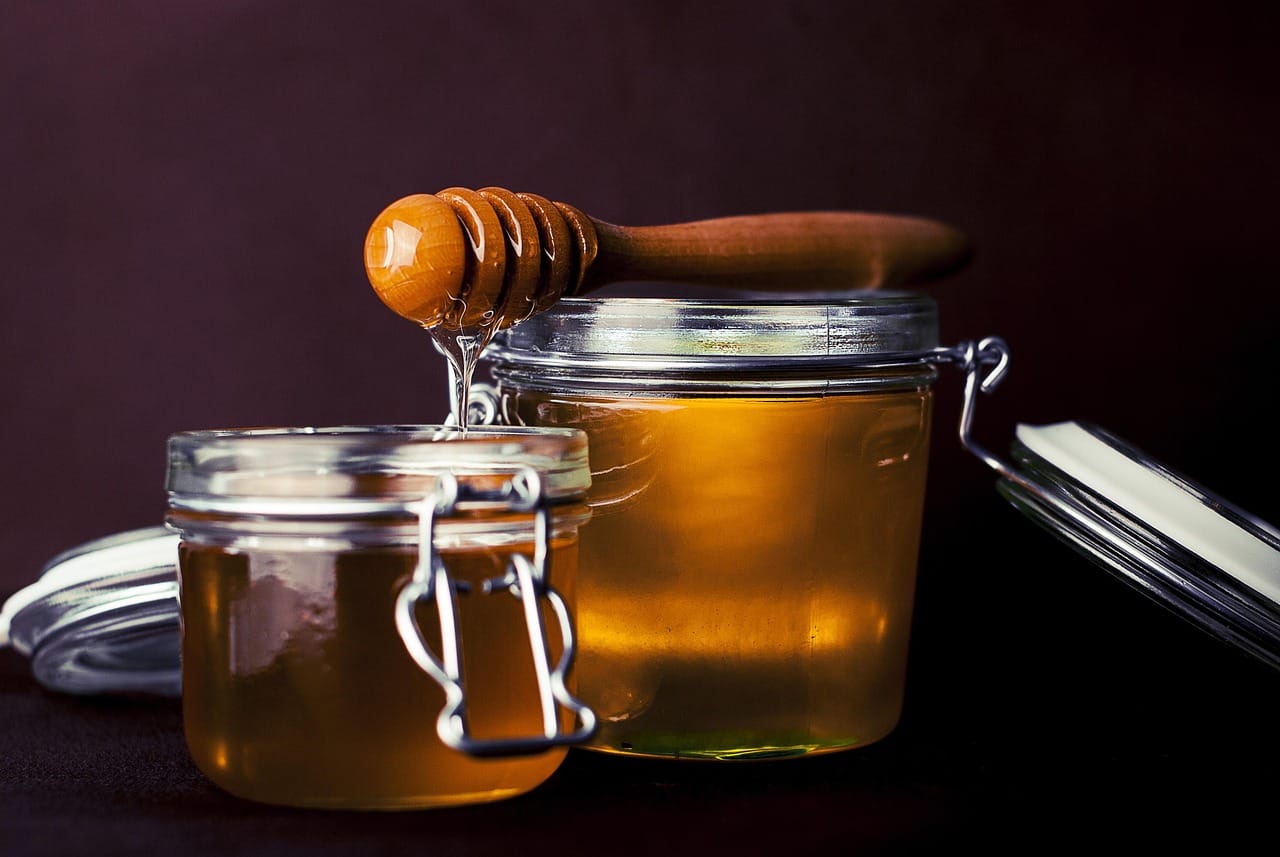
SaveHoney is one of the oldest cough soothers for good reason. It carries antimicrobial, anti-inflammatory, and antioxidant properties, and research on children found that a spoonful before bed did more to quiet a cough than many alternatives. Stir it into ginger or turmeric tea, or simply take it by the spoon when the coughing flares. Honey is a familiar ally in gentle remedies for a cold when you’re pregnant, too, though children under one should never be given it.
Ginger, Turmeric, and Garlic
 Save
SaveThese three pantry staples pull their weight against inflammation.
Ginger appears to dial down the severity of bronchitis symptoms and helps break up phlegm. Simmer a few slices in water for five minutes for a soothing tea, chew a piece dipped in honey, or fold it into soups and stir-fries. It’s also a long-standing fix for settling a queasy, unsettled gut.
Turmeric is loaded with antioxidants that support immune function, and one study found its anti-inflammatory potential outdid both ginger and a commonly prescribed drug. Grate the fresh root into tea, slice it over a salad, or stir the powder into eggs, stews, and broths.
Garlic rounds out the trio. It shows promise against viral bronchitis specifically, with animal research pointing to its ability to slow the responsible virus.
Warm Drinks and Rest
Never underestimate a warm mug. Warm fluids ease the runny nose, sore throat, and general misery that ride along with cold and flu viruses, the same culprits behind most bronchitis. Herbal teas, broths, and even plain hot water keep you hydrated and help thin secretions so they clear more easily.
How to Lower Your Risk
 Save
SavePrevention leans on the same habits that fend off colds and flu. Wash your hands often and well, steer clear of cigarette smoke and other airway irritants, and stay current on flu vaccination. Getting enough rest and fluids gives your immune system the room it needs to keep small infections small.
When Home Care Isn’t Enough
Most acute bronchitis resolves in a couple of weeks, and the lingering dry cough afterward comes from still-irritated airways, not an active infection, so it isn’t contagious. Still, some signs call for a professional.
Reach out to your doctor if your cough lasts more than three weeks, keeps you from sleeping, or brings up blood. A high fever, breathing that feels genuinely labored, or repeated bouts of bronchitis all deserve evaluation. A physician may check your history, listen to your lungs, and order blood work or a chest X-ray to rule out pneumonia or another underlying condition.
Frequently Asked Questions
Is bronchitis contagious?
The acute form usually is, because it’s driven by cold and flu viruses that spread easily. You’re generally contagious while symptoms are active. The dry cough that lingers afterward is from airway irritation, not a live infection, so it doesn’t spread.
How long before I feel better?
Acute bronchitis typically eases within 10 to 14 days, though some symptoms can stretch to three weeks. A residual cough may hang around for three to four weeks. Chronic bronchitis, a form of COPD, lasts far longer and tends to recur.
Can home remedies cure bronchitis on their own?
They ease symptoms and support recovery rather than curing the condition outright. Since most cases are viral, they resolve with time and rest. Remedies like honey, steam, and warm fluids simply make that stretch more comfortable.
The Bottom Line
Bronchitis is uncomfortable, but for most healthy adults it’s a passing storm. Keeping the air moist, sipping warm drinks, leaning on honey and ginger, and giving yourself real rest can quiet the cough and loosen the congestion while your body clears the infection. Pay attention to the warning signs, though. A cough that won’t fade, a rising fever, or trouble breathing are cues to get checked rather than wait it out.
This article is for informational purposes only and is not a substitute for professional medical advice. Always consult a qualified healthcare provider about your symptoms and before starting any new remedy, especially if you are pregnant, nursing, or managing a chronic condition.