
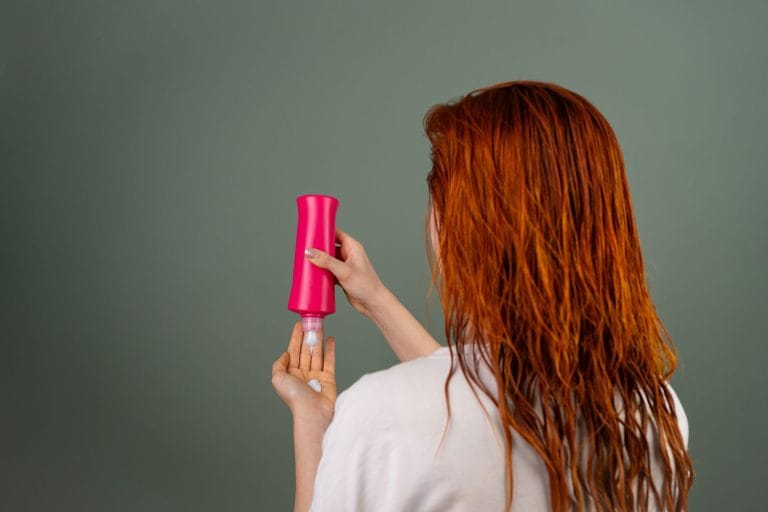
Simple kitchen-based rinses and masks to deep-clean your scalp and let your hair breathe again.
If your hair feels dull, heavy, or a little grimy no matter how often you wash it, the problem may not be your shampoo. It may be everything sitting on top of your strands: styling product, natural oils, and mineral residue from hard water. A hair detox clears that layer so your scalp and hair can actually absorb the care you give them.
Think of it as a reset. Most detox recipes use things you probably already have at home, and you only need to do one every week or two. Below are eight approaches worth trying, plus a note on foods that help from the inside.
Key Takeaways
– A hair detox deep-cleans the scalp and strands, lifting away product residue, excess oil, and hard-water minerals.
– Clearing that build-up can ease itchiness and flaking and help your oils, conditioners, and masks work better.
– Ingredients like bentonite clay, apple cider vinegar, sea salt, and honey each cleanse in their own way.
– Foods such as cucumber, ginger, watermelon, and leafy greens support hair health from the inside.
– Patch-test anything new, since baking soda and undiluted vinegar can irritate a sensitive scalp.
What a Hair Detox Actually Does
A hair detox is a deeper-than-usual cleanse, done either with a clarifying shampoo or a homemade remedy. Regular shampoo lifts surface dirt, but it does not always shift the sticky film left behind by leave-in products, dry shampoo, oils, and minerals in your water. Over time that film builds up, and it can weigh hair down, make the scalp itch, and even leave a lingering smell.
Removing it does two things. It refreshes the scalp, and it clears the runway for the rest of your routine. If your build-up is severe enough that strands feel brittle or you notice more shedding, gentle scalp care matters, and you may want to pair a detox with the habits in this guide to keep hair fall under control naturally.
Why It’s Worth Doing Regularly
Build-up is not just cosmetic. When the scalp stays coated, it can trap oil and flakes, and that combination often shows up as dandruff and itching. A periodic detox helps in a few concrete ways:
It cleans the scalp, which can calm flaking and itchiness.
It improves how well oils, conditioners, and hair masks absorb.
It removes the gunk that otherwise blocks nutrients from reaching your hair.
You do not need to detox often. Once a week to once a month is plenty, depending on the recipe and how much product you use.
The Recipes
Bentonite Clay and Aloe Vera Mask
 Save
Bentonite clay shows up in many therapeutic uses for its detoxifying and antibacterial qualities, and it may slow the growth of unwanted bacteria on the scalp, though the research here is still thin.
Mix half a cup of bentonite clay powder with half a cup of pure aloe vera gel and four tablespoons of apple cider vinegar until smooth. Work it through your scalp and hair, cover with a shower cap, and leave it for 20 to 30 minutes. Mist it with water if it starts to dry out. Rinse with about 250 mL of diluted apple cider vinegar, wait a couple of minutes, then follow with a mild shampoo and conditioner. Do this once every two weeks.
A Baking Soda Rinse
Dissolve half a cup of baking soda in three cups of hot water. Wet your hair completely, pour the mixture through, and massage it into your scalp for a minute or two. Rinse well and condition to seal everything in; raw honey works nicely as a natural conditioner here. The warm water helps lift the cuticle so the cleanse reaches deeper, and anecdotal reports credit baking soda with cutting oil build-up and flakes.
One caution: baking soda is alkaline and can irritate. Patch-test first, and skip it if your scalp reacts. Once a week is the ceiling.
Apple Cider Vinegar
 Save
This is the gentlest option, and a good starting point. The acetic acid in ACV helps dissolve product residue while leaving hair softer and shinier. Dilute a quarter cup of apple cider vinegar in two cups of water. Shampoo and condition as usual, then pour the rinse through and wash it out.
Diluting matters, since concentrated vinegar is acidic enough to bother the scalp. One blogger who used an ACV rinse to counter hard-water build-up noted that because it works through a chemical change, a little goes a long way. Use it about once a week.
Sea Salt Clarifying Scrub
 Save
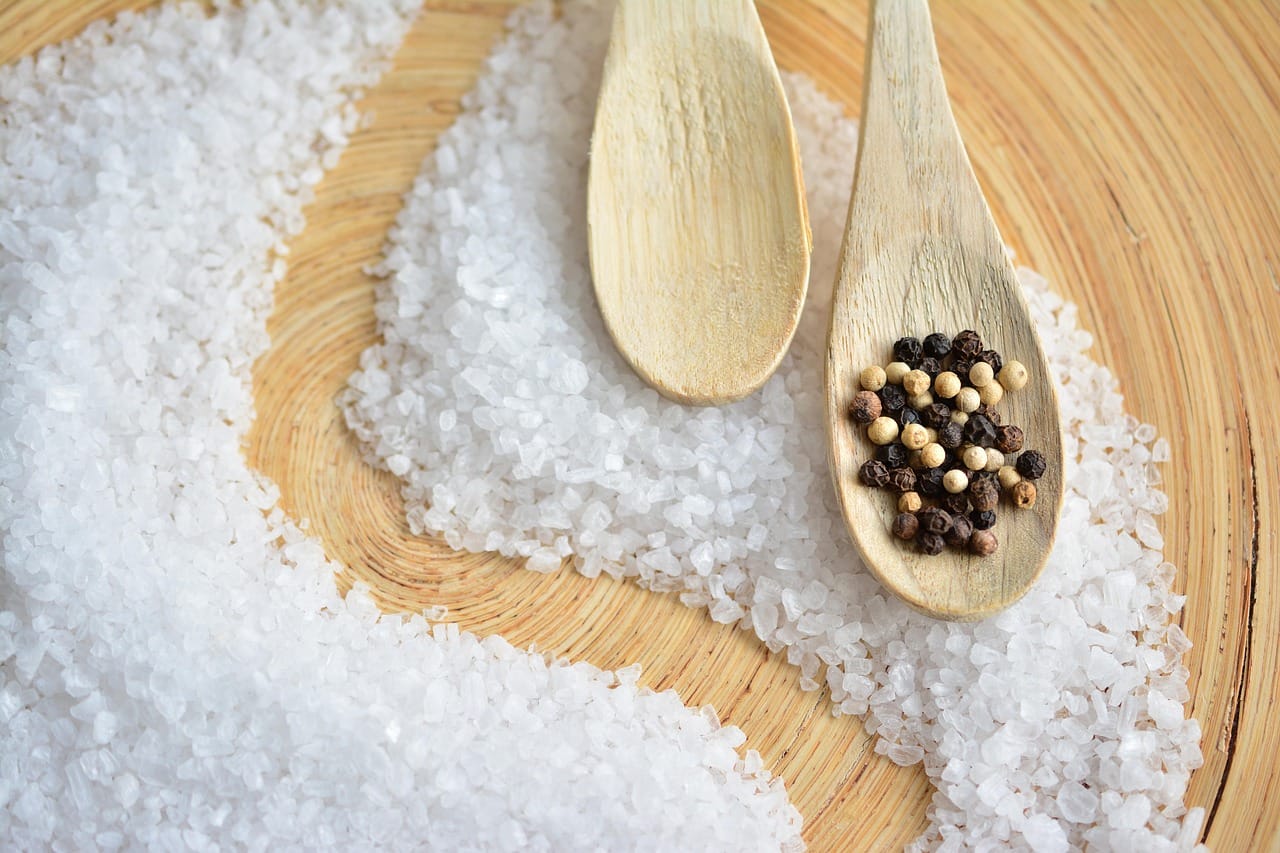
Sea salt is a natural exfoliant that can lift away dead skin cells and refresh both scalp and strands. Combine two parts coarse sea salt with one part shampoo, work it into a lather, and rinse with cool water. Because it is more abrasive, this one is best kept to once a month.
Honey Shampoo
Honey is a humectant, meaning it draws in and holds moisture, so this recipe cleans while keeping hair soft. Stir one tablespoon of raw honey into three tablespoons of filtered water. Wet your hair, massage the mixture in from scalp to tips, and rinse with lukewarm water. An ACV rinse afterward is optional. That moisture-locking quality is the same reason honey turns up in DIY remedies for keeping skin hydrated. Use once or twice a week.
Coconut Milk Cleanser
For a richer wash, blend a quarter cup of coconut milk with a quarter cup of castile soap and two capsules of vitamin E oil. Add 15 to 20 drops of an essential oil if you like the scent. Castile soap has antimicrobial action, as do many essential oils, so this one leans into cleaning the scalp of unwanted microbes. In fact, one study found tea tree, rosemary, and thyme oils highly effective against Staphylococcus aureus, a bacterium tied to a range of infections. Store it in a pump bottle and use it like regular shampoo, once or twice a week.
Cucumber and Lemon Blend
Lemon is rich in citric acid, which anecdotally helps clarify the scalp, while cucumber has a soothing, cooling effect. Peel one large lemon and one medium cucumber, chop them, and blend (add a drop of essential oil if you want). Use the blend as you would a shampoo and rinse. Its scalp-calming, brightening character overlaps with the kitchen ingredients often recommended for clearer, healthier-looking skin. Once or twice a week works well.
Shikakai Paste
Shikakai has a long history as a gentle cleanser. Mix two tablespoons of shikakai powder with enough water to form a paste, wet your hair, and massage it into the scalp for about two minutes before working it down the length. Rinse with cool water. A clinical study on shikakai as a dandruff remedy found that users saw real relief from itching, dryness, greasiness, and visible flakes.
Foods That Support Healthier Hair
 Save
A detox is not only topical. What you eat shows up in your hair over time, and a few water-rich, mineral-rich foods are worth leaning on: cucumber, ginger, watermelon, and leafy green vegetables. They hydrate, and they deliver nutrients your scalp and follicles can use. This part is less about a quick fix and more about steady habits.
Frequently Asked Questions
Can detoxing cause hair loss?
A proper detox should not cause loss on its own. It removes build-up so follicles can function. That said, harsh ingredients used too often, or vigorous scrubbing, can stress the hair, so stick to the suggested frequency and be gentle.
How often should I detox my hair?
It depends on the recipe and your habits. Gentle rinses like apple cider vinegar or honey can go once a week, while abrasive options like sea salt are better once a month. If you use a lot of styling product, lean toward the more frequent end.
Is a hair detox the same as a body detox?
No. A hair detox is a surface cleanse of the scalp and strands to lift residue and oil. It does not involve anything internal, and it is much simpler than the claims made about whole-body detoxing.
The Bottom Line
A hair detox is a low-effort way to reset dull, heavy hair. Clearing away product film, excess oil, and hard-water residue lets your scalp settle and helps the rest of your routine actually do its job. Start with a mild option like diluted apple cider vinegar or a honey wash, patch-test anything stronger, and keep the frequency reasonable. Support it with hydrating, nutrient-dense foods, and give it a few weeks before judging the results.
This article is for informational purposes only and is not a substitute for professional medical advice. If you have a persistent scalp condition, significant hair loss, or a known skin allergy, consult a dermatologist or healthcare provider before trying new remedies.