

A sweet Andean fruit that behaves less like candy and more like a slow-release sweetener.
Lucuma doesn’t get much shelf space outside South America, which is a shame. Grown in the high valleys of Peru, Ecuador, Chile, and Bolivia, it’s a small, oval fruit with smooth green skin and dense golden flesh that tastes like caramel with a citrusy edge. The Incas prized it, and today most of us meet it as a tan powder used to sweeten desserts, smoothies, and baked goods.
What makes it interesting is the combination: it tastes sweet, but its sugar comes wrapped in fiber and antioxidants, so it doesn’t hit your bloodstream the way table sugar does. Below are the benefits that hold up, how to cook with it, and the few reasons to keep your portion modest.
Key Takeaways
– Lucuma has a low glycemic index and soluble fiber, so it may help keep blood sugar steadier than refined sugar.
– Its polyphenols, carotenoids, and potassium have been linked to better blood pressure and heart health.
– Insoluble fiber in the fruit supports regular digestion and may ease constipation.
– Compounds like beta-sitosterol, gallic acid, pectin, and tannins give it early, mostly preliminary anticancer interest.
– It’s still sweet, so people with diabetes or low blood sugar should watch their intake and talk to a doctor.
Where Lucuma Comes From
Lucuma belongs to the Sapotaceae family and grows on the Pouteria lucuma tree, mostly harvested through the warm months in the Andean valleys. The fruits run small to medium and oval, with thin peel that shades from dark to light green depending on ripeness. Fresh, the flavor is rich and honeyed. Because ripe lucuma is delicate and doesn’t travel well, drying it and grinding it into powder is how the rest of the world usually gets to try it.
What’s Actually Inside
Per 100 grams, lucuma delivers carbohydrates, dietary fiber, and a spread of micronutrients including iron, potassium, vitamin C, beta-carotene, and various polyphenols. It’s naturally sweet, so the carbohydrate share is meaningful, but the fiber and antioxidant load are what set it apart from an empty sweetener. If you enjoy exploring tropical produce with this kind of nutrient density, it sits comfortably alongside the deeply pigmented, antioxidant-rich mangosteen.
Steadier Blood Sugar
This is lucuma’s headline trait. Its low glycemic index means it digests slowly, so it nudges blood sugar up gently rather than spiking it. The soluble fiber slows sugar absorption further, and there’s some evidence it may improve insulin sensitivity.
There’s also enzyme chemistry at play. Lucuma appears to inhibit alpha-amylase and alpha-glucosidase, two enzymes that break carbohydrates down into glucose after a meal. Slowing that breakdown blunts the post-meal glucose surge, which is exactly what people managing type 2 diabetes are trying to do. The same research noted it can inhibit ACE, an enzyme tied to blood pressure, so the blood sugar and heart benefits overlap.
A Quiet Friend to Your Heart
 Save
SaveLucuma is rich in antioxidants, mainly polyphenols and carotenoids, both studied for cardiovascular support. The carotenoid piece is still thin on human evidence, so hold that one loosely.
The clearer story is blood pressure. By inhibiting ACE, lucuma may help relax blood vessels rather than constrict them. ACE activity also drives thirst and salt craving, both of which push pressure higher, so tamping it down can help on more than one front. Add the fruit’s phenolic compounds and potassium, two things repeatedly linked to lower blood pressure, and you have a reasonable case for stirring lucuma into a juice or smoothie if you’re watching your heart. People with high blood pressure carry a higher risk of heart disease, so small dietary levers like this can matter over time.
Fiber and Digestion
 Save
SaveAlongside the soluble fiber that helps with blood sugar, lucuma carries a good amount of insoluble fiber, the kind that doesn’t dissolve in water. That’s the fiber that adds bulk and keeps things moving through the gut. Studies on dietary fiber generally show it increases stool frequency in people dealing with constipation, and building steady fiber intake into daily meals is one of the more reliable ways to stay regular. One honest caveat: fiber tends to help frequency more than it improves stool consistency or eases painful bathroom trips, so it’s not a cure-all.
The Early Cancer Research
Here’s where enthusiasm should stay measured. Lucuma contains beta-sitosterol, a plant compound studied as a non-toxic anticancer nutraceutical that has shown activity in animal models. It’s gentler than chemotherapy and, fittingly, less potent. The fruit also supplies gallic acid, an antioxidant with protective interest, plus pectin, which has shown anti-tumor activity, and tannins, studied for slowing tumor cell development. This is promising lab and animal work, not proof that eating lucuma prevents cancer in people. Treat it as one more reason to eat a colorful, antioxidant-rich diet, not as medicine.
A Little Help for Your Skin
 Save
SaveLucuma’s vitamin C and beta-carotene both feed into skin health. Vitamin C supports collagen production and offers some defense against UVB damage, while beta-carotene, a vitamin A relative, is a strong antioxidant with photo-protective properties. It’s a modest contribution, but a real one, and it fits the pattern you see in other antioxidant-dense foods like raw cacao, long valued for skin and hair.
Cooking With Lucuma Powder
 Save
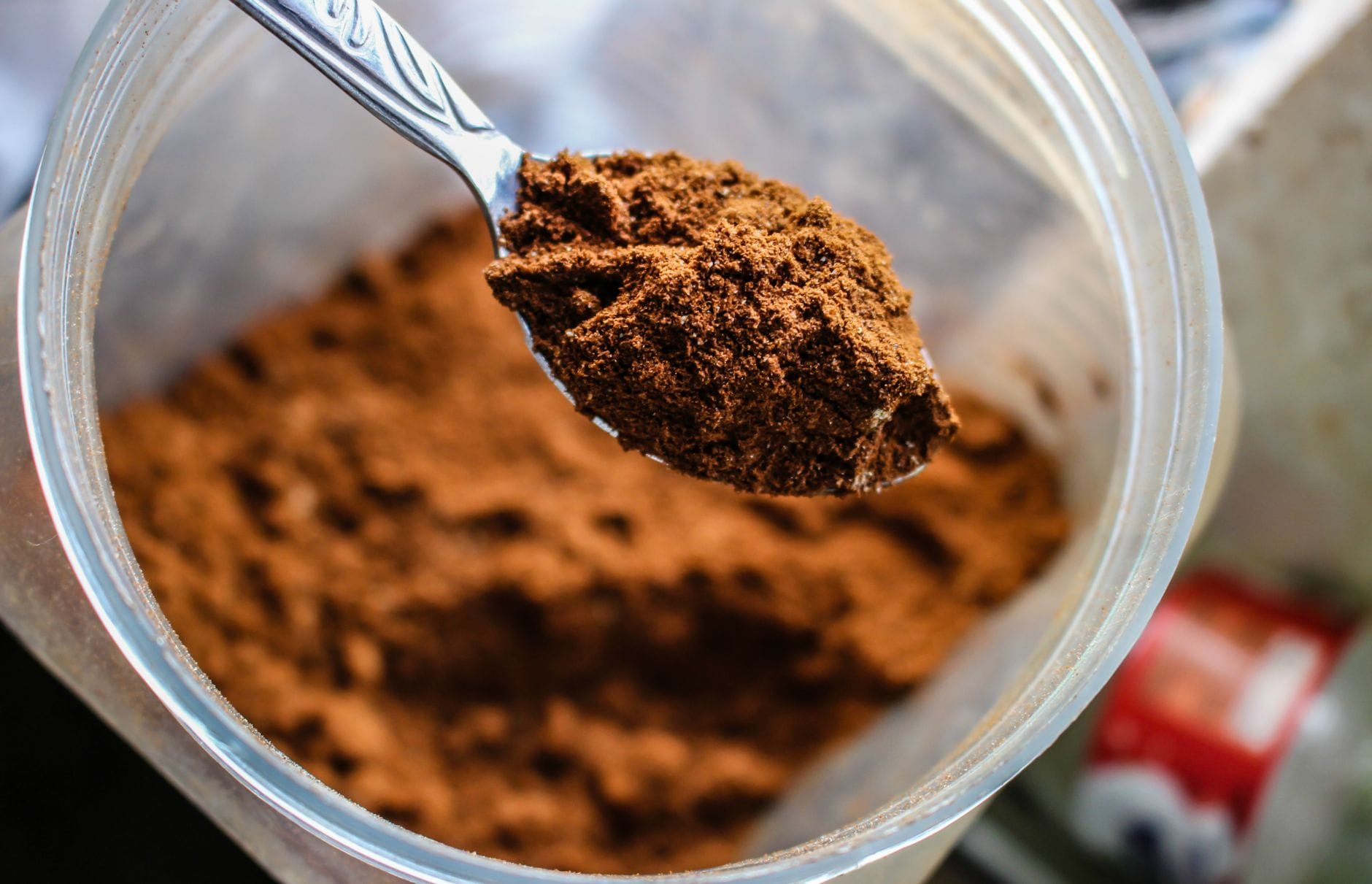
SaveThe powder is where lucuma earns its keep in a Western kitchen. A little goes a long way, and its caramel note plays well with dairy and grains.
As a sugar swap: use lucuma powder in place of some table sugar in desserts and baking, where it adds flavor along with sweetness.
In frozen treats: a quarter cup blended into ice cream deepens the flavor.
In drinks: stir a spoonful into coffee, tea, or a smoothie instead of sugar.
On breakfast: dust it over yogurt or oatmeal as a sweet flavoring.
For a quick mousse, whip a cup of heavy cream to stiff peaks, then fold in a can of condensed milk mixed with one to two tablespoons of lucuma powder, a teaspoon of vanilla, and a pinch of salt. Chill for two to three hours. The result is a caramel-tinged dessert that leans on the fruit rather than added sugar. If you like discovering root and tuber-style ingredients that pull double duty in the kitchen and on your plate, lucuma keeps the same company as nutrient-dense yam.
Who Should Be Careful
Lucuma is safe for most people, but it isn’t sugar-free. Eaten in large amounts, it can raise blood sugar, so anyone with diabetes should keep portions in the recommended 1 to 2 tablespoon range and monitor their response. There’s also anecdotal report of the opposite problem, mild hypoglycemia in some people, so if you already run low, check with your doctor first. A handful of people have noted an itchy tongue, rashes, or headache soon after eating it, though the medical literature hasn’t confirmed a true allergy. If any of that shows up, stop and see a clinician.
Frequently Asked Questions
Is lucuma powder the same as eating the fresh fruit?
Not exactly. The powder is dried and concentrated, so its flavor and sugars are more intense per spoonful. Fresh lucuma has a softer, creamier taste, but it’s hard to find outside South America, which is why most people use the powder.
Can I use lucuma as a full sugar replacement in baking?
You can replace part of the sugar, and it adds a caramel flavor, but it behaves differently than sugar in browning and texture. Start by swapping a portion rather than all of it, then adjust to taste.
How much lucuma should I eat in a day?
A typical serving is about 1 to 2 tablespoons of the powder per day. That’s enough to get the flavor and nutrients without overloading on natural sugar.
The Bottom Line
Lucuma is a genuinely useful fruit: naturally sweet, low on the glycemic index, and carrying fiber, potassium, vitamin C, and a range of antioxidants. The evidence is strongest for steadier blood sugar, better blood pressure, and digestive regularity, while the skin and anticancer angles are earlier and softer. Used as a wholefood sweetener in the 1 to 2 tablespoon range, it’s an easy upgrade over refined sugar for most people. Just remember it still counts as sugar, so if you’re managing diabetes or low blood sugar, keep portions modest and loop in your doctor.
This article is for informational purposes only and is not a substitute for professional medical advice. Talk to a qualified healthcare provider before making changes to your diet, especially if you have a health condition or take medication.