
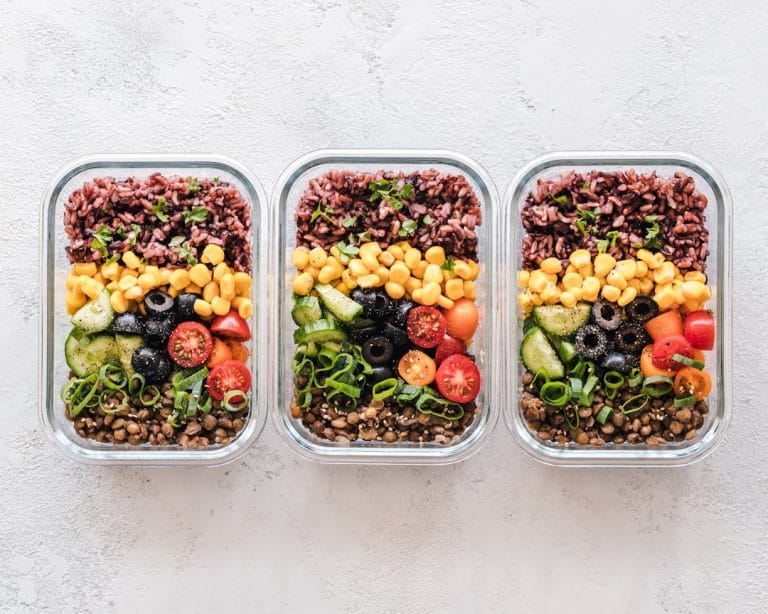
A flexible eating approach that swaps rigid daily targets for a rhythm of high- and low-calorie days.
If you’ve ever felt boxed in by a strict, eat-the-same-thing-every-day meal plan, the metabolic confusion diet promises something different. Instead of holding your calories steady, this style of eating deliberately shifts your intake up and down over time. The thinking goes that by keeping your body from settling into a predictable routine, you may sidestep the slowdown that can stall progress on a conventional diet.
It’s also known as calorie cycling or calorie switching, and it leans on flexibility rather than restriction. You still prioritize whole, nutrient-dense foods over heavily processed ones—but the day-to-day numbers move. Below, we’ll walk through how it works, the benefits its supporters point to, practical tips to begin, and the honest limitations you should weigh before diving in.
Key Takeaways
– The metabolic confusion diet alternates between higher- and lower-calorie days to keep your metabolism from adapting to a fixed intake.
– Supporters say it may encourage the body to tap into stored fat for energy while supporting blood sugar, muscle, and daily energy levels.
– It offers welcome flexibility, which can make sticking to a plan feel more sustainable and less monotonous.
– Robust, long-term scientific proof of its safety and effectiveness is still lacking.
– It’s not right for everyone—especially those who are pregnant, breastfeeding, or managing certain health conditions.
What Is The Metabolic Confusion Diet?
 Save
SaveAt its core, this is an eating pattern built on variation. Rather than eating the same number of calories every day, you rotate between low-calorie days that create a deficit and high-calorie days that top up your energy. Some people also adjust their macronutrient mix—carbs, protein, and fat—alongside those calorie swings.
The appeal is personalization. There’s no single rigid menu; instead, you tailor the approach to your energy needs and lifestyle while still emphasizing wholesome, nutrient-rich foods. On lower-calorie days, the idea is that your body reaches into its fat stores for fuel, which may support fat loss over time.
That flexibility only pays off with consistency. Pairing the diet with a regular exercise routine and sustainable habits matters far more than any single day’s numbers. And because this involves real shifts in how you eat, it’s worth checking in with a nutritionist or dietitian before making big changes.
How Calorie Cycling Works
 Save
SaveYou can run this pattern on a weekly or monthly rhythm. One common version is several days of lower calories followed by two or three higher-calorie days. Another stretches it out—perhaps three weeks of lower-calorie eating capped by a week of higher intake.
The reasoning rests on a concept called metabolic adaptation. When you eat a steady number of calories for a long stretch, your body tends to adjust and burn energy more efficiently, which can blunt weight-loss progress. By varying your intake, this diet aims to interrupt that adaptation—nudging the body to stay flexible and keep drawing on fat stores. Some research suggests that distributing calories over a defined period, with higher intake followed by lower intake, may help reduce the risk of obesity. The approach often folds in intermittent fasting protocols as well.
A fair caveat: while early research hints at metabolic benefits, the long-term safety and effectiveness of this specific diet are still being studied. Comprehensive data isn’t in yet, so treat the claims with measured optimism rather than certainty.
Benefits Supporters Point To
May Help Steady Blood Sugar
Because the diet emphasizes balanced meals built around whole grains and fiber-rich foods, it may help keep blood sugar more stable—something especially relevant for people managing diabetes. Studies have linked diets rich in complex carbohydrates to better glucose control. Just be mindful of your food choices on high-calorie days, and let a professional shape the plan around your specific health needs.
May Boost Energy
 Save
SaveHigher-calorie days can supply extra fuel for workouts and busy schedules, helping you feel more alert and capable. The built-in variation lets you match your intake to when you actually need more energy.
May Support Fat Loss
Calorie cycling is the engine of this diet. By alternating deficits with higher-intake days—and often layering in intermittent fasting—it aims to coax the body into burning stored fat. Research on intermittent fasting and calorie cycling has pointed to potential fat-loss benefits.
May Protect Muscle
Even on lower-calorie days, the diet encourages adequate protein. That’s key for preserving muscle tissue during weight loss, so that more of what you lose comes from fat rather than lean mass. Studies underscore how important protein intake is for holding onto muscle while cutting calories.
May Feel Easier to Stick With
Flexibility carries a psychological upside. Because you’re not locked into constant restriction, the plan tends to feel less depriving and less monotonous—which can foster a healthier relationship with food and better long-term adherence.
Smart Ways to Get Started
 Save
SaveVary your calories. Alternate higher and lower intake days to keep your metabolism from settling into a single pattern.
Anchor meals with protein. Adequate protein on both low and high days helps protect muscle and keeps your metabolism engaged.
Match carbs to activity. Lean into more carbohydrates on active or high-calorie days, and ease back when you’re less active.
Choose healthy fats. Sources like avocados and nuts add satiety and support overall health.
Load up on fiber. Whole grains and vegetables help you feel full and keep meals balanced.
Start gradually, track how you feel, and adjust with guidance from a qualified professional rather than guesswork.
The Potential Downsides
This diet isn’t a proven formula. Because the science is still emerging, results vary and aren’t guaranteed. Without careful planning, calorie cycling can open the door to nutrient imbalances or overeating on high-calorie days. Some people also find the constant shifting hard to sustain over the long haul.
It’s not appropriate for everyone. Pregnant or breastfeeding women, people with underlying health conditions or nutrient deficiencies, and anyone with a history of disordered eating should steer clear or proceed only under medical supervision.
Frequently Asked Questions
Is the metabolic confusion diet scientifically proven?
Not conclusively. Early research suggests possible metabolic benefits, but long-term, high-quality studies confirming its safety and effectiveness are still lacking.
How long should I follow it?
It can be adapted to both short- and long-term use. What matters most is consistency and pairing it with sustainable habits and exercise—ideally with input from a dietitian.
Can I eat whatever I want on high-calorie days?
No. High-calorie days still call for whole, nutrient-dense foods. Filling them with processed options can undermine your results and blunt any potential benefits.
The Bottom Line
The metabolic confusion diet offers a flexible, less restrictive way to approach calorie management, cycling between higher- and lower-intake days to keep your metabolism from adapting. Supporters credit it with supporting fat loss, steadier blood sugar, better energy, and muscle preservation. Still, the evidence remains preliminary, and the approach isn’t suitable for everyone. If you’re curious, treat it as one tool among many—grounded in whole foods, regular movement, and professional guidance rather than hype.
This article is for informational purposes only and is not a substitute for professional medical advice. Consult a qualified healthcare provider or registered dietitian before making significant changes to your diet, especially if you are pregnant, breastfeeding, or managing a health condition.