
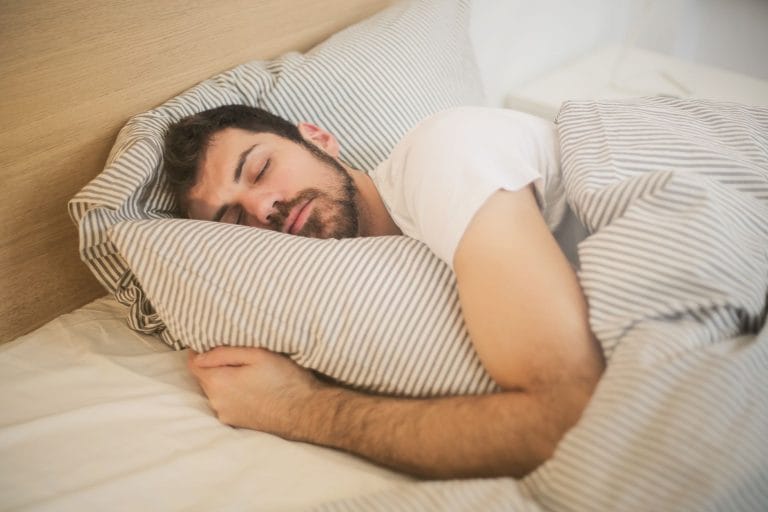
What’s really behind that nighttime rumble, and the small changes that quiet it down.
Almost everyone snores now and then. A head cold, a glass of wine, a night spent flat on your back, and suddenly your partner is nudging you awake. Occasional snoring is usually harmless. The problem is the loud, nightly kind that fragments sleep, leaves you groggy, and sometimes points to something worth checking out.
Snoring happens when air can’t move freely through your airway while you sleep. The good news is that many cases respond to simple, low-cost changes you can start on your own. Here’s what drives the noise, and what tends to help.
Key Takeaways
– Snoring happens when relaxed or blocked tissues in your upper airway vibrate as you breathe.
– Common triggers include a stuffy nose, extra weight, alcohol before bed, and sleeping on your back.
– Side-sleeping, a raised head, and added humidity are among the easiest first fixes.
– Loud nightly snoring with gasping or breathing pauses can signal obstructive sleep apnea and deserves a medical look.
– Quiet culprits like hypothyroidism and nasal allergies can keep the noise going.
What Actually Makes You Snore
 Save
SaveDuring sleep, your throat muscles relax. If the airway narrows or partly closes, passing air makes the surrounding tissue flutter, and that flutter is the sound you hear. Plenty of things can narrow that passage.
Your anatomy. A deviated septum, nasal polyps, a small jaw, or enlarged tonsils can all crowd the airway, and research links facial structure to snoring-related sleep problems.
Nasal congestion. Allergies and infections inflame the nasal passages, and a blocked nose pushes you toward snoring.
Extra weight. Fat around the neck and throat narrows the airway, and untoned muscle makes it more likely to collapse.
Alcohol and sedatives. Both relax the muscles that hold the airway open, which makes existing snoring louder.
Hypothyroidism. An underactive thyroid can raise mucus and lower lung function. In one small study, every participant with the condition snored.
Habits and age. Smoking, exhaustion, back-sleeping, and simply getting older all play a part.
One cause deserves its own mention. Obstructive sleep apnea shows up as loud snores broken by silent pauses, then a gasp or snort as breathing restarts. It’s common, often undiagnosed, and genuinely serious, so it needs proper evaluation rather than a home fix.
How Do You Know If You Snore?
Most people find out because someone tells them. If you share a bed, your partner has probably already raised it. Living alone? Set your phone to record through the night, or use a sleep app, then listen back in the morning. Once you have proof, you can start matching a remedy to the likely cause.
Change How You Sleep
 Save
SaveThe fastest change costs nothing. Rolling onto your side keeps the tongue and soft tissue from falling back into the airway, and studies show it can cut snoring noticeably, especially in people who aren’t carrying extra weight. If you drift onto your back out of habit, tucking a body pillow behind you helps you stay put.
Raising your head a little helps too. Propping up the upper body, whether with an adjustable base or a wedge pillow, reduces the airway collapse that drives snoring, and it’s been shown to help people with sleep apnea specifically.
Add Moisture to the Air
 Save
SaveDry air irritates the nose and throat and makes congestion worse, so a bedroom that’s too dry can quietly feed the problem. A humidifier keeps the nasal passages clearer overnight. A few minutes of steam before bed works along similar lines, and better sleep quality tends to follow, which matters because fatigue itself feeds snoring. It’s the same steam approach people lean on for easing chest congestion during a respiratory bug.
Nasal strips and dilators are worth a try if your snore starts in your nose. They gently hold the nostrils open to boost airflow, and they’re cheap enough to test for a week before deciding.
The Weight Connection
 Save
SaveWeight isn’t the whole story, but it’s a big lever for many people. Snoring is measurably more common in adults edging toward obesity than in those at a healthy weight. Losing even a modest amount can shrink the tissue crowding your throat. If that fits your situation, a steady approach that helps you lose weight safely without crash dieting tends to outlast any quick fix.
What You Eat and Drink Before Bed
Timing matters here. A nightcap close to bedtime relaxes the muscles that support your airway, which makes existing snoring louder, so both a heavy pour and a late one can turn a quiet sleeper noisy. Easing off alcohol in the few hours before bed is one of the more reliable levers you have. Some people also find that trading a sugary evening drink for a lighter option that supports a healthy metabolism helps them wake up less groggy.
When to See a Doctor
Home remedies handle a lot, but not everything. Book a visit if your snoring is loud and nightly, if a partner notices you gasping or stopping breathing, or if you wake unrefreshed and drag through the day. Those are the signs that point past simple snoring toward apnea or another condition. A doctor can also check for a deviated septum, thyroid trouble, or allergies that no bedside trick will touch.
Frequently Asked Questions
Can you stop snoring overnight?
Sometimes. Switching to a side position or raising your head can quiet a snore the very same night, especially when back-sleeping is the trigger. Snoring tied to weight or anatomy usually takes longer to improve.
Is snoring always a sign of sleep apnea?
No. Plenty of people snore without having apnea. The red flags are loud snoring paired with pauses in breathing, gasping, or heavy daytime sleepiness. If those show up, get evaluated.
Do anti-snoring devices actually work?
Nasal strips and dilators can help when the noise starts in the nose, and mouthpieces help some sleepers. Results depend on the cause, so what works well for one person may do nothing for another.
The Bottom Line
Most snoring traces back to a narrowed airway, and most of the fixes are refreshingly simple: sleep on your side, raise your head, add humidity, ease off late-night alcohol, and trim excess weight where it applies. Give a change a couple of weeks before judging it. If the snoring stays loud and nightly, or your breathing seems to stop and start, treat that as a cue to see a doctor rather than to buy another gadget.
This article is for general information only and is not a substitute for professional medical advice. Talk to a qualified healthcare provider about persistent snoring, suspected sleep apnea, or any underlying condition before starting a new treatment.