
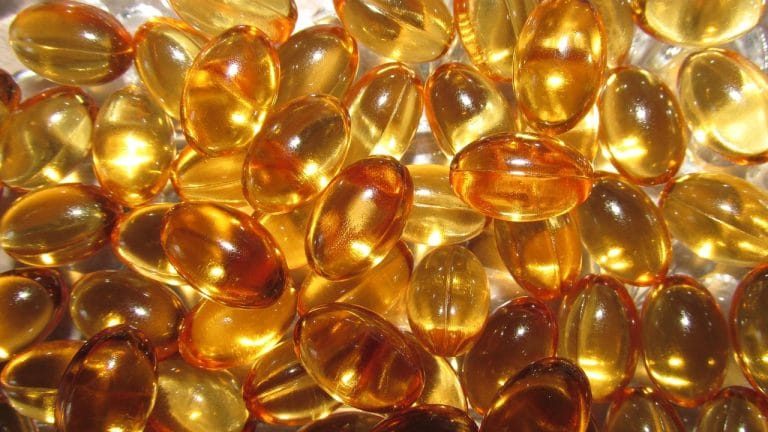
A cheap little softgel that many people swear by, and what the research actually backs up.
Almost everyone has, at some point, pierced a vitamin E capsule and smeared the oil straight onto a scar or a dry patch. It is one of those low-cost skincare habits that gets passed around because it seems to work. Vitamin E is a fat-soluble antioxidant, and that single trait explains most of what it does for skin: it helps mop up the free radicals behind premature aging, sun stress, and inflammation.
You can top up your levels through food or, if your diet falls short, with a supplement your doctor signs off on. But the capsules have a second life as a topical treatment, and that is where this guide spends most of its time. Below you will find what the vitamin does, a handful of DIY recipes worth trying, how much is sensible, and the people who should leave it alone.
Key Takeaways
– Vitamin E works two ways for skin: swallowed as a supplement or dabbed on directly from a popped capsule.
– Its main job is antioxidant defense, which ties into anti-aging, brightening, and calming inflammation.
– It shines when paired with vitamin C, especially against UV-driven free radical damage.
– Simple kitchen mixes (yogurt, honey, olive oil, rose water) turn one capsule into a full mask.
– Anyone with eczema or psoriasis should not apply it directly, and supplement doses need a real ceiling.
What Vitamin E Actually Does for Skin
 Save
The active form in most capsules is alpha-tocopherol, a potent antioxidant that shields skin cells from free radical damage. It also helps the skin hold onto moisture and keeps the barrier working properly, so hydration is part of the story too.
There is a repair angle as well. Vitamin E supports the process that swaps out tired, damaged cells for fresh ones, which is why it gets credited with fading scars and softening fine lines over time. None of this makes it a miracle cream, but as a supporting player it earns its spot.
It partners better than it works alone
One point worth being honest about: vitamin E cannot block UV rays by itself. What it can do is blunt the free radical damage that UV exposure sets off, and it does that far more effectively alongside vitamin C. Plenty of anti-aging formulas combine the two for exactly this reason, since the pair protects against sun and aging better together than either does solo.
Because it is such a reliable moisturizer, it also slots neatly into a routine built around gentle kitchen-based ways to keep skin hydrated rather than a shelf of expensive products.
DIY Remedies to Try at Home
 Save
Here is the fun part. A single capsule holds enough oil to blend into a mask or use on its own. Patch-test anything new before it goes on your whole face.
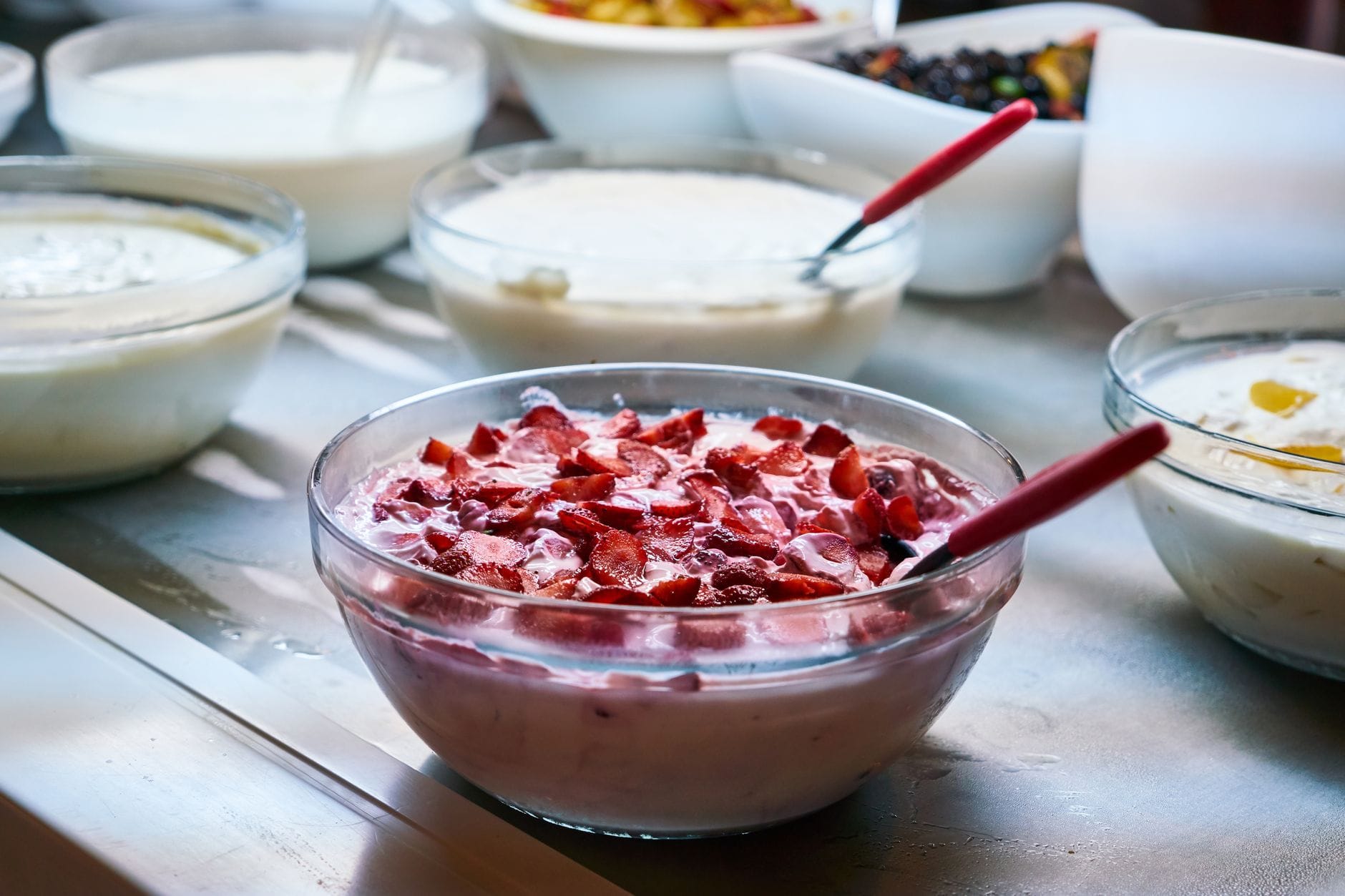
Brightening yogurt mask
Squeeze two capsules into two tablespoons of plain yogurt with a few drops of lemon juice. Leave it on for 15 minutes, twice a week. The yogurt’s lactic acid nourishes and evens out dull patches, and lemon acts as a mild natural lightener. Skip the lemon if your skin runs sensitive, since it can sting or redden.
Overnight scar and dark-circle treatment
For blemishes or acne marks, dab the plain oil onto the spot and sleep on it, repeating until the mark fades. The same overnight approach around the eyes may lighten dark circles and reduce puffiness, though that use rests on anecdote more than solid data, so keep expectations modest.
Glow mask with papaya and honey
Blend the oil from three or four capsules with two tablespoons of papaya paste and a teaspoon of honey. Twenty minutes, three times a week. Papaya brings papain, which has skin-lightening properties, while honey locks in moisture.
Olive oil for pigmentation
Mix two capsules into a tablespoon of extra virgin olive oil, massage in, and leave it on for an hour or overnight, three times weekly. Olive oil moisturizes and encourages cell turnover, which may soften dark spots.
Rose water and glycerin for softness
For a lightweight leave-on, combine one capsule with two tablespoons of rose water and a teaspoon of glycerin. Glycerin is a humectant that pulls in moisture, so skin wakes up smoother.
If your goal is a clearer, more even complexion overall, these mixes work well alongside other soothing home remedies for spot-free skin. And for oil-controlling, deep-cleaning days, they pair naturally with classic besan-based face packs.
The Benefits Worth Highlighting
Antioxidant protection. Alpha-tocopherol neutralizes free radicals, the main driver behind that tired, aged look.
Softer signs of aging. As collagen dips with age, its moisturizing and repairing action helps with wrinkles, dryness, and dark spots.
Calmer skin. Studies point to anti-inflammatory effects that aid regeneration and protect against environmental stress.
Sunburn relief. Applied to sun-stressed skin, it can ease redness and discomfort by settling inflammation.
How Much You Really Need
 Save
Topically, a capsule or two per recipe is plenty. If you are considering an oral supplement, that is a conversation for your doctor rather than a guess. Vitamin E is fat-soluble, meaning excess is stored rather than flushed out, so more is genuinely not better. Food sources (nuts, seeds, vegetable oils, leafy greens) are the safest way to cover your baseline, and a supplement should fill a confirmed gap, not top up an already-adequate diet.
Who Should Be Cautious
 Save
This is where the honest caveats matter. If you have eczema or psoriasis, do not apply vitamin E oil directly to your skin, as it can aggravate rather than soothe. Sensitive skin can react to the oil on its own or to add-ins like lemon. And high-dose oral vitamin E is not automatically harmless, which is another reason to loop in a professional before you start swallowing capsules.
Frequently Asked Questions
Can I leave vitamin E oil on my face overnight?
For most skin types, yes, and several remedies here are designed that way. If your skin is oily or acne-prone, test a small area first, since heavy oils can feel congesting.
Does vitamin E remove scars completely?
It supports skin repair and may fade marks with consistent use, but “completely” is optimistic. Deep or old scars respond slowly, if at all, and results vary a lot person to person.
Is it better to take vitamin E or apply it?
Both routes offer similar benefits. Topical use targets a specific patch of skin directly, while a supplement addresses a whole-body deficiency. Diet first, then decide with your doctor.
The Bottom Line
Vitamin E is a well-studied antioxidant with real, if modest, perks for skin: moisture, barrier support, and help against the free radical damage that ages us. Popped from a capsule, it folds easily into cheap homemade masks. Just respect its limits. It is not a sunscreen, it does not suit inflamed skin conditions, and oral doses deserve caution. Used sensibly, it is a tidy little addition to a natural routine.