

A few kitchen ingredients, a little patience, and your skin can find its way back to its usual tone.
Spend enough afternoons outdoors and your skin keeps a record of it. A tan is really your skin producing extra melanin to shield itself, and while that response is protective, it can leave your face looking darker, patchy, or a little dull. The good news is that a tan is temporary. As old skin cells turn over, the colour gradually lifts on its own, and a handful of gentle homemade masks can nudge that process along while keeping your skin soft and hydrated.
None of these are overnight miracles. What they do well is brighten, exfoliate lightly, and soothe skin that has taken more sun than it wanted. Below are the recipes worth keeping in rotation, plus a few honest notes on what actually helps and what to skip.
Key Takeaways
– A tan fades naturally as skin cells shed, usually over a few weeks; masks mainly speed up brightening and smoothing.
– Aloe vera, turmeric, tomato, and gram flour show up most often because of their soothing, antioxidant, and mild lightening effects.
– Yogurt, lemon, and sugar work through gentle exfoliation, so a little goes a long way.
– Lemon is acidic and can irritate or increase sun sensitivity; dilute it, patch test, and never step out without protection afterward.
– Consistency beats intensity. Once a week is plenty for most of these packs.
Why Skin Tans in the First Place
When UV light hits your skin, cells called melanocytes ramp up melanin, the pigment that gives skin its colour. More melanin means a darker surface, which is your body trying to absorb and scatter those rays. That is why a tan sits on top and slowly fades: the pigmented cells rise, flake off, and get replaced. Anything that supports that turnover, or calms the inflammation sun leaves behind, helps you look more even sooner.
Prolonged exposure does more than darken skin, though. It can bring on premature ageing, freckles, and stubborn hyperpigmentation, so treating a tan gently is smarter than scrubbing at it aggressively.
Aloe Vera, Honey, and Turmeric
 Save
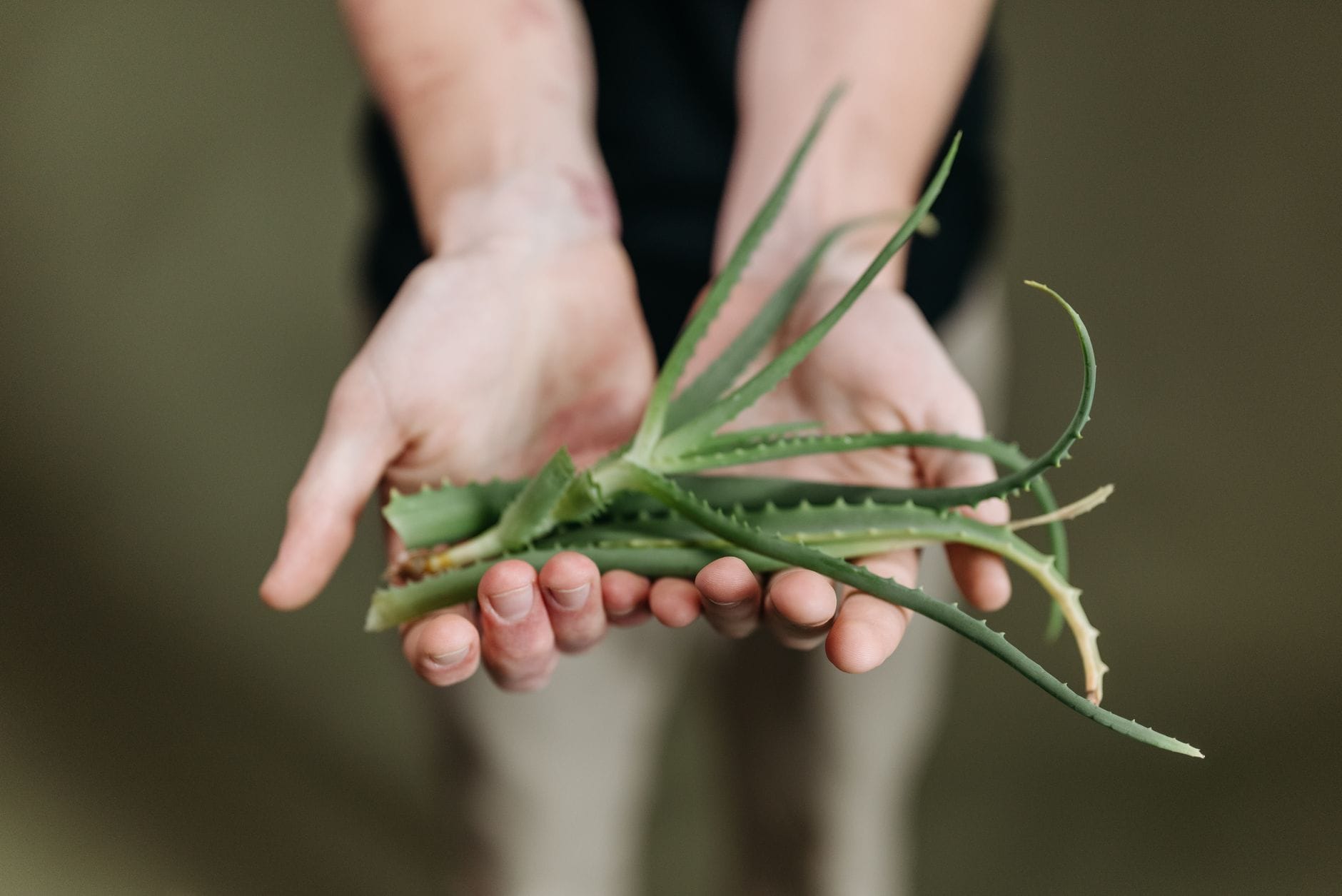
This is the mask I reach for when skin feels hot and tight after a day out. Mix three tablespoons of aloe vera gel, two tablespoons of honey, and a teaspoon of turmeric into a smooth, lump-free paste. Spread it over a clean, damp face, leave it for ten to fifteen minutes, then rinse with plain water. Once a week suits most skin types.
Aloe contains a compound called aloesin that has shown a lightening effect on pigmentation, alongside its well-known ability to calm burns and irritation. Honey draws in moisture and adds a natural glow, while turmeric brings antioxidant and anti-inflammatory properties that can soften hyperpigmentation. Turmeric turns up in all sorts of beauty routines, from face packs to the warm golden milk people sip for glowing skin, and its reputation here is earned. A quick warning: turmeric can stain, so use a small amount and an old towel.
A Tomato Mask for Oily Sun-Stressed Skin
 Save
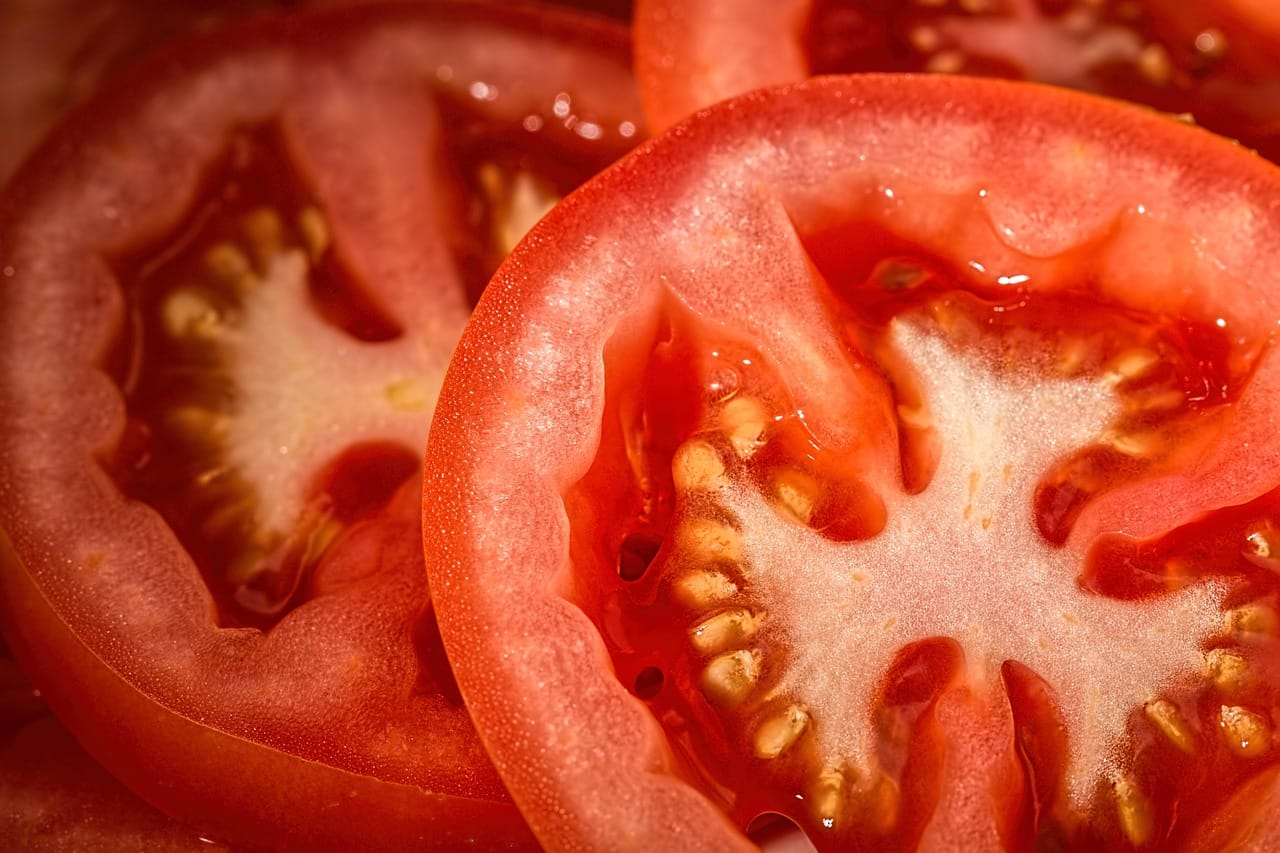
Tomato is a natural brightener packed with lycopene and vitamin C, antioxidants that help mop up the free radicals sun exposure generates. That makes it a good pick for oily and acne-prone skin that also feels congested.
Warm a damp towel and press it over your face for about five minutes to open things up. Then apply roughly three tablespoons of tomato pulp, leave it on for fifteen to twenty minutes, and rinse. Pat dry rather than rubbing. Used weekly, it can soothe, nourish, and help reduce the photodamage that shows up as dullness and small dark spots.
Gram Flour, Yogurt, and Turmeric
 Save
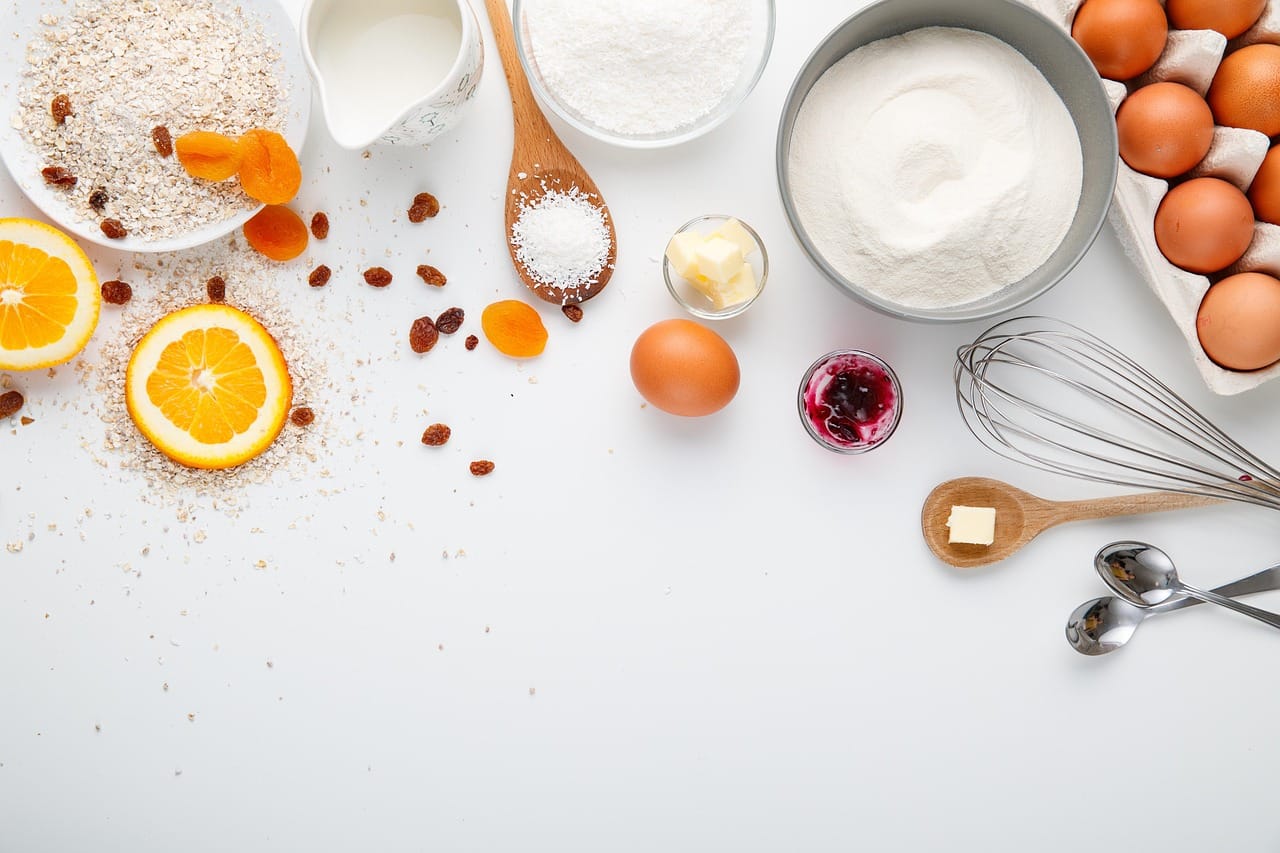
Gram flour, or besan, is the backbone of countless Indian skincare rituals, and for tan removal it works on two fronts: it lifts away dead surface cells and helps even out tone. Combine a tablespoon of besan, two tablespoons of yogurt, and a teaspoon of turmeric. Apply, wait thirty to forty minutes, and wash off. It leans best toward oily and combination skin.
The yogurt does quiet work here. Its lactic acid and other alpha hydroxy acids exfoliate mildly while moisturising, and it carries a gentle bleaching effect that can fade discolouration over time. If you enjoy this combination, it is worth exploring the old-school besan recipes that keep earning their spot on bathroom shelves, since gram flour pairs happily with a lot of pantry staples.
Gentle Exfoliation with Sugar and Lemon
 Save
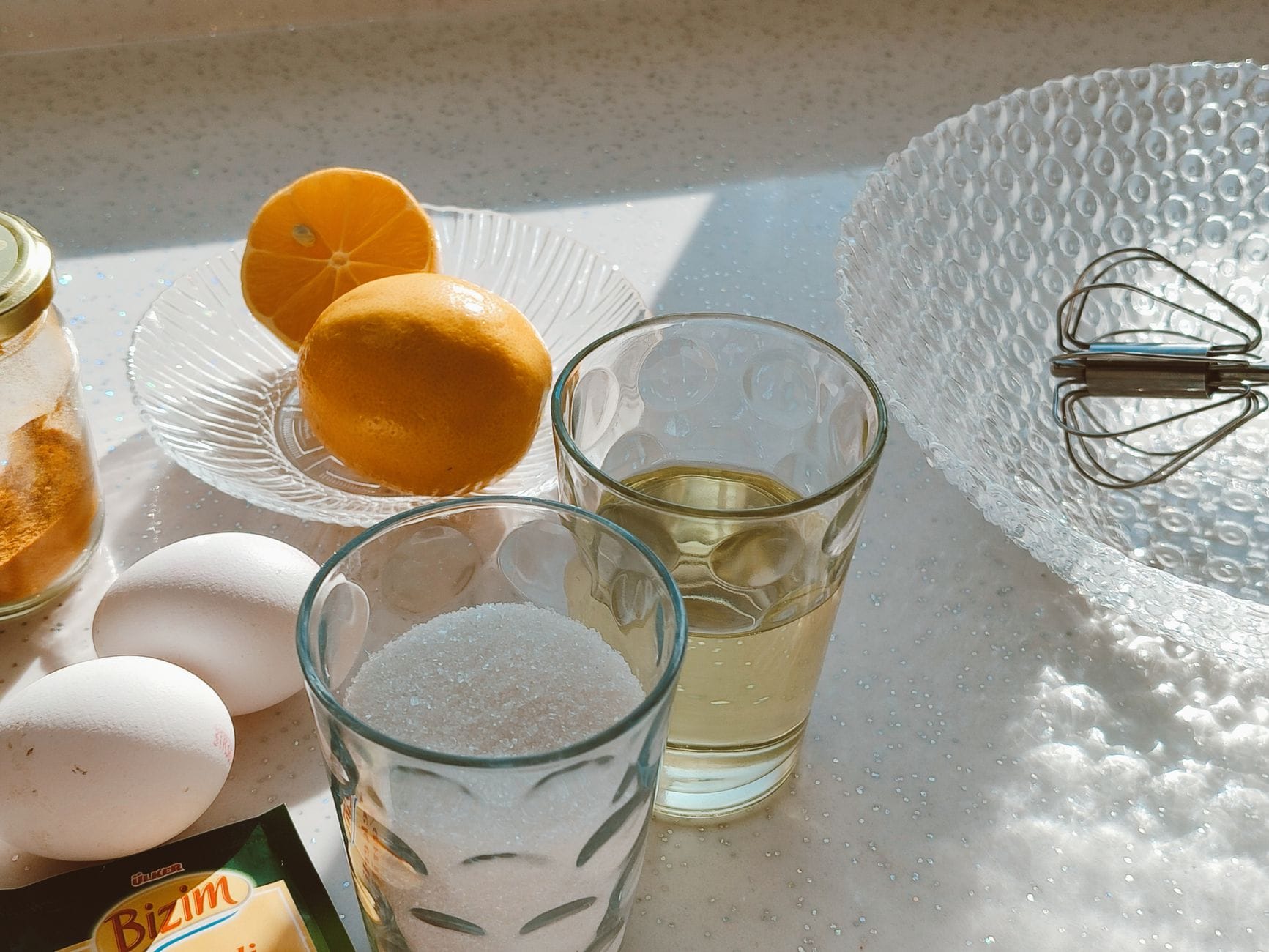
Sometimes a tan looks worse simply because dead cells are piling up. A quick scrub can help. Mix a tablespoon of sugar with a tablespoon of lemon juice, massage it lightly over your face, rest it for five to ten minutes, then rinse. The sugar granules buff away dull surface cells while lemon’s antioxidants brighten.
Two cautions matter more than the recipe. First, sugar is abrasive, so skip it on broken, irritated, or sensitive skin where it can cause tiny tears. If you like the idea of a natural scrub but want something less harsh, the finer crystals of brown sugar are surprisingly kind to skin. Second, lemon deserves respect. Dermatologists caution that applying it neat can irritate skin and heighten sun sensitivity, which may deepen discolouration rather than fix it. Dilute it, patch test on your inner arm first, and avoid it entirely if your skin reacts easily.
A coffee variation
If lemon is off the table, swap in coffee. A teaspoon of turmeric, a tablespoon of ground coffee, and two tablespoons of curd make a paste with antioxidant and mild skin-lightening properties. Leave it thirty to forty minutes and rinse. The grounds add a little grit, so press gently.
How Long Before a Tan Actually Fades?
There is no fixed timeline. A light tan may lighten noticeably in a week or two, while a deeper one can linger for several weeks as your skin cycles through its natural renewal. Masks help by exfoliating and brightening, but they cannot force melanin to vanish. The single biggest factor is what you do going forward: daily sunscreen, shade during peak hours, and not re-tanning between treatments. Without that, you are simply topping up the colour you are trying to remove.
Frequently Asked Questions
Can homemade face packs remove a tan completely?
Not on their own, and not instantly. They support your skin’s natural fading process by exfoliating and brightening. A stubborn or very deep tan may need professional options like a chemical peel or laser treatment, which target melanin more directly.
Is a tan actually bad for my skin?
A tan is a sign of UV damage, even when it looks healthy. Repeated tanning contributes to premature ageing, uneven pigmentation, and raises long-term skin risks, so protecting your skin matters more than the shade it turns.
How often should I use these packs?
For most of these recipes, once a week is enough. Overdoing exfoliating masks, especially ones with lemon or sugar, can leave skin irritated and more reactive, which defeats the purpose.
The Bottom Line
Fading a tan at home is less about any single magic ingredient and more about steady, gentle care. Aloe, turmeric, tomato, gram flour, and yogurt each bring something useful, whether that is soothing heat-stressed skin, buffing away dull cells, or brightening tone over time. Keep the applications weekly, treat lemon and sugar with caution, and wear sunscreen so you are not undoing your own work. Slow and consistent wins here, and your skin will thank you for the patience.
This article is for general information only and is not a substitute for professional medical or dermatological advice. If you have a skin condition, persistent pigmentation, or a reaction to any ingredient, consult a qualified healthcare provider before continuing.