
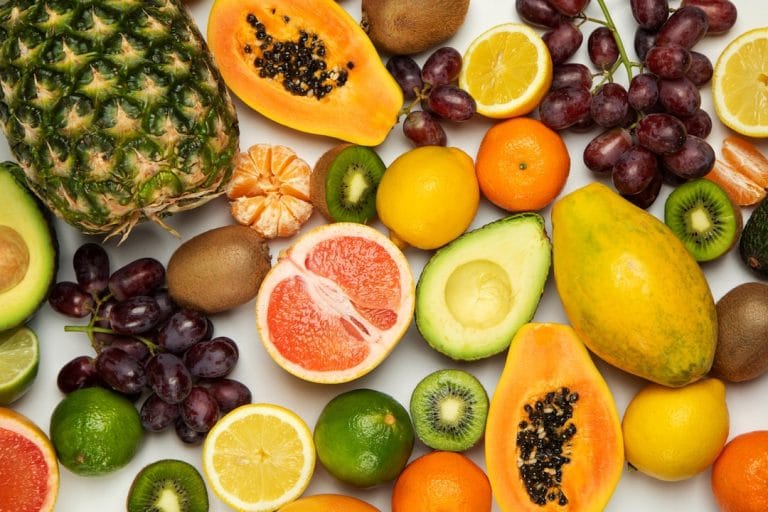
A grounded look at which fruits actually help the scale move, and the smartest ways to eat them.
Fruit gets an odd reputation on diet plans. Some people avoid it entirely, worried about sugar, while others treat it as a free-for-all. The research points somewhere more sensible: eating whole fruit regularly is linked with lower body weight, a smaller waist, and better cholesterol numbers, largely because fruit brings fiber, water, and antioxidants to the table without piling on calories.
None of that makes fruit a magic fat-burner. What it does is make eating less feel easier, which is usually where weight loss quietly happens. Below are the fruits with the strongest evidence behind them, followed by a few honest cautions and some ways to actually work them into your week.
Key Takeaways
– Whole fruit is tied to lower BMI, reduced waist size, and better cholesterol, thanks to its fiber and water content.
– Grapefruit, watermelon, and apples stand out for boosting fullness and helping people eat less at the next meal.
– Berries deliver anthocyanins, plant compounds studied for their effect on insulin sensitivity and fat storage.
– Avocado and banana are higher in calories but genuinely satiating, so a modest portion goes a long way.
– How you eat fruit matters: whole beats juiced, timing before meals helps, and portion still counts.
Why fruit earns a place on a weight-loss plate
The common thread across nearly every fruit on this list is fiber. Fiber slows digestion, softens the blood-sugar rise after eating, and tells your body it has had enough sooner. Add the high water content of most fruit and you get a food that fills your stomach for relatively few calories.
Antioxidants play a supporting role. Compounds like the anthocyanins in blueberries and the polyphenols in pomegranate have been studied for reducing oxidative stress, which is one of the mechanisms tied to obesity and heart disease. The effect on the scale is indirect, but the broader health payoff is real.
Tangy citrus that takes the edge off hunger
 Save
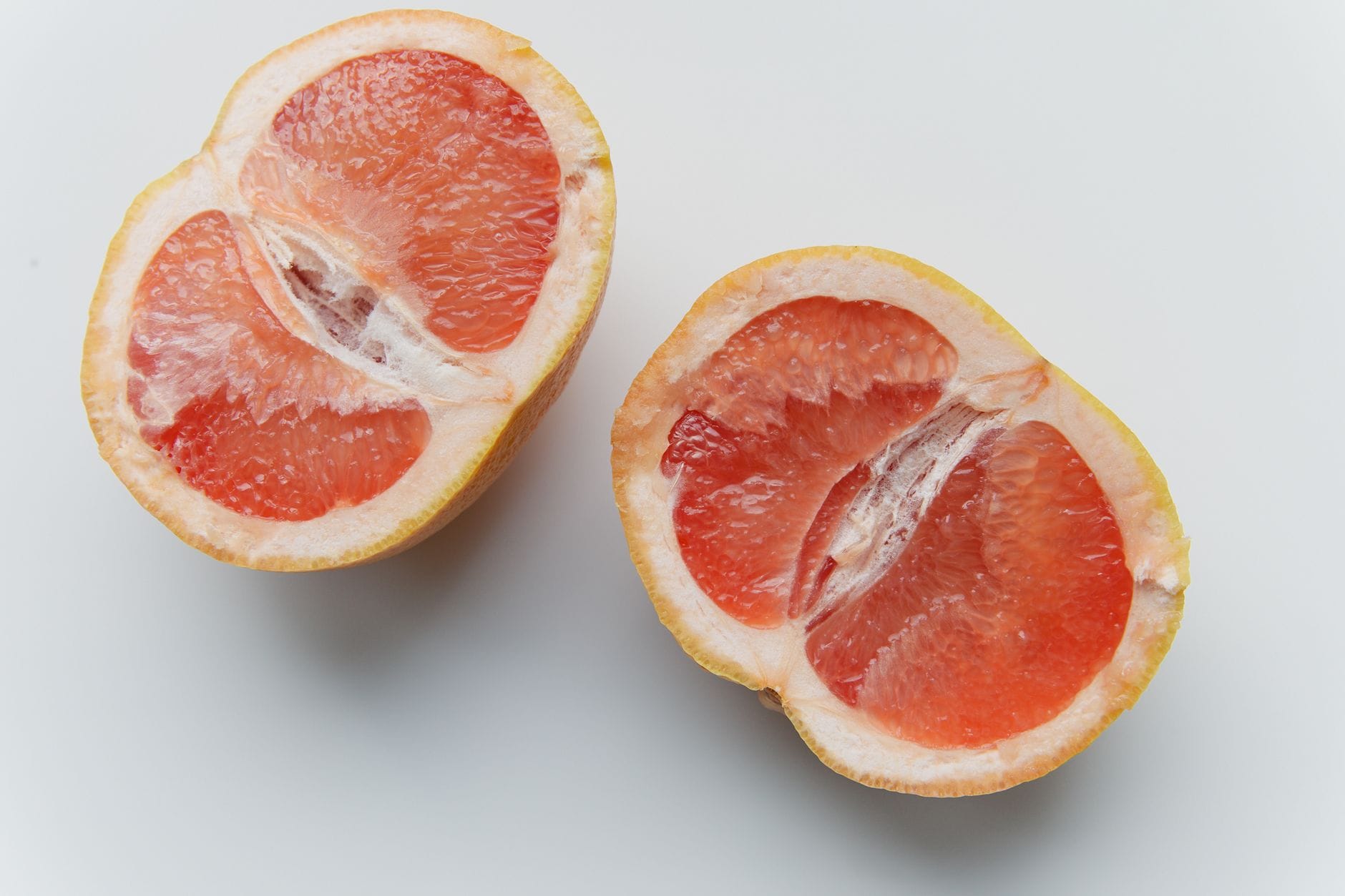
Grapefruit is the classic example. In one trial, people who ate half a grapefruit before meals lost more weight than those given a placebo, and the fruit also improved insulin resistance. It’s rich in vitamin C and fiber, and has been linked to better blood pressure and lipid profiles. A simple approach is half a grapefruit with breakfast and the other half before lunch.
Oranges and blood oranges work in a similar direction when paired with a lower-calorie diet, helping with fat burning and nudging down body fat and LDL cholesterol. The catch is the juice aisle. Bottled orange juice usually carries added sugar that undoes the point, so freshly pressed juice or, better, the whole fruit is the way to go.
Lemon deserves a mention too. Lemon peel extract increased fat oxidation in mice, and an 11-day lemon-based regimen reduced body weight and body fat percentage in people. A morning glass of warm water with the juice of half a lemon and an optional teaspoon of honey is a low-effort habit. If you like the idea of drinkable support, there are plenty of other metabolism-friendly drinks worth rotating in alongside your morning citrus.
Watermelon rounds out the hydrating options. It’s mostly water with a good dose of vitamin C and lycopene, a pigment that may help blunt the oxidative stress behind high blood sugar. A cup about an hour before lunch takes the edge off appetite.
Berries and the anthocyanin advantage
 Save
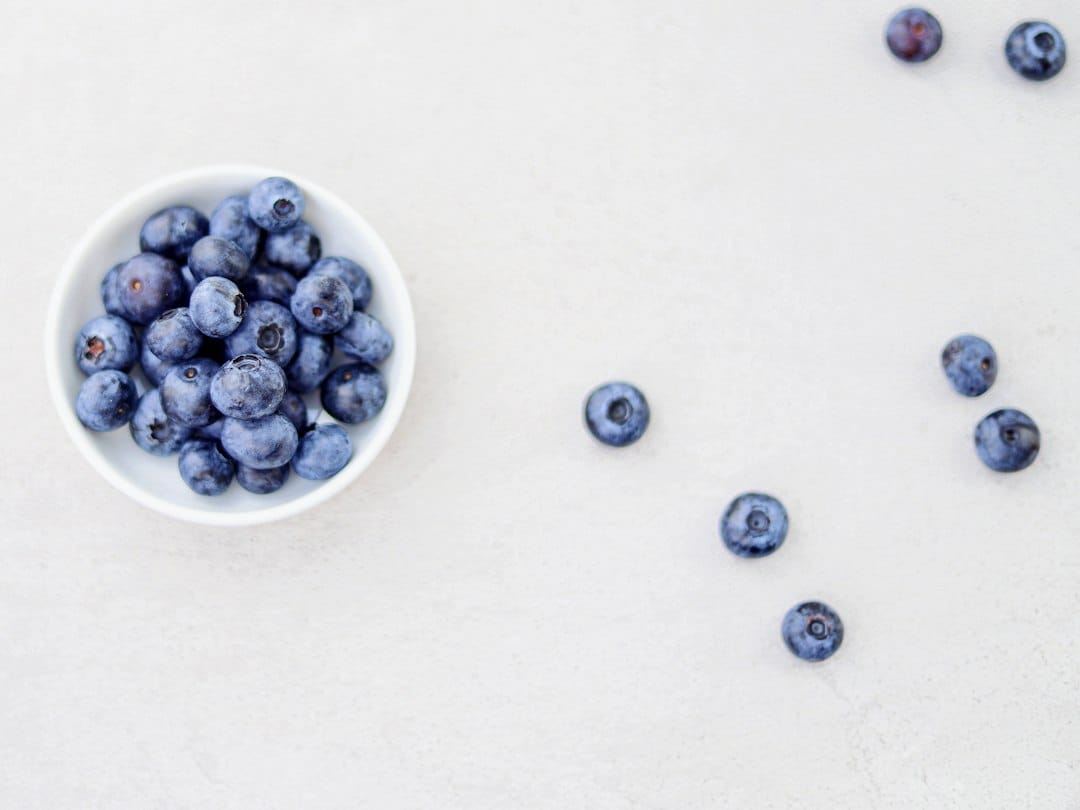
Blueberries are small but mighty. Their deep color comes from anthocyanins, and researchers have singled these compounds out for lowering obesity risk, trimming bad cholesterol, and improving insulin sensitivity in both people and lab animals. The fiber helps curb hunger on top of that. A handful with breakfast, or blended into a smoothie with oats and almond milk, is an easy win.
Acai berries follow the same logic. This deep-purple berry is loaded with antioxidants studied for lowering cholesterol and high blood sugar, and acai juice has helped athletes recover from exercise-induced muscle damage while improving their lipid numbers. An acai bowl makes a reasonable meal replacement when you build it thoughtfully.
Pomegranate brings its own arsenal of tannins, polyphenols, and flavonoids. One study found its antioxidant potential outranks red wine or green tea, and pomegranate extract has been tied to lower blood pressure. A few tablespoons every other day, stirred into a salad or dressing, is plenty.
Avocado and banana, the filling outliers
 Save
These two break the low-calorie mold, and that’s fine. Avocado is dense in monounsaturated and polyunsaturated fats plus fiber, and studies show that half to one avocado a day increases fullness, lowers bad cholesterol, and supports heart health. The trick is portion control, since the calories add up quickly. Half an avocado on toast or folded into a salad hits the sweet spot.
Bananas surprise people. A ripe banana is satiating and packed with fiber and potassium, while a raw, less-ripe banana is rich in resistant starch, which a University of Colorado review linked to lower post-meal insulin, more fat oxidation, and less fat storage. If you want the resistant-starch benefit, lean slightly green and eat it before a workout for steady energy.
Fruits worth eating with a little caution
A few kinder-to-the-waistline picks still need a light hand. Kiwi is worth eating weekly for its effect on triglycerides and HDL cholesterol, and it’s best eaten with the skin on for the extra fiber. Apples, meanwhile, have some of the strongest population data behind them: people who ate apples in any form had lower BMI and were about 30% less likely to be obese than non-eaters. If apples are your go-to, the case for them is especially well documented.
The broader caution is about form and quantity. Dried fruit and fruit juices concentrate sugar and strip away the water that makes whole fruit filling, so they slide down easily and rarely leave you satisfied. Even naturally low-sugar picks belong in a plan that pays attention to overall calories, and it helps to know which fruits sit lowest on the sugar scale when you’re building a day around them.
Simple ways to fit fruit into your day
 Save
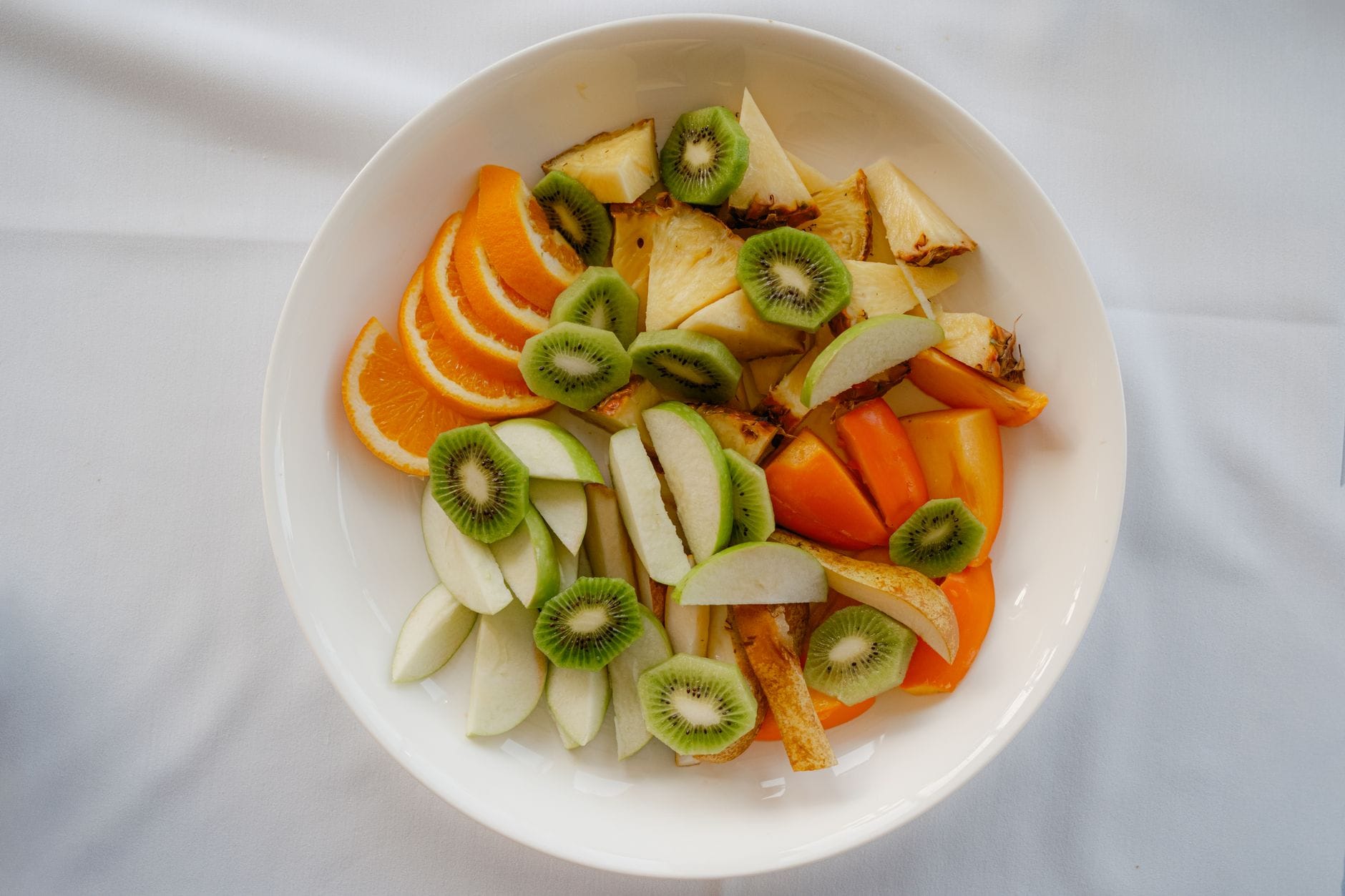
You don’t need a rigid schedule, just a few reliable habits.
Eat fruit whole whenever you can, so you keep the fiber that juicing throws away.
Front-load it before meals. A serving of grapefruit or watermelon 30 to 60 minutes ahead can leave you eating less at the table.
Pair fruit with protein or fat, like berries with yogurt or apple with a spoon of nut butter, to steady blood sugar and stretch fullness.
Watch portions on the calorie-dense ones. Half an avocado and one banana are servings, not baselines.
Keep prepped fruit visible in the fridge, because convenience quietly decides what you reach for.
Frequently Asked Questions
Does eating fruit at night cause weight gain?
There’s no strong evidence that fruit eaten in the evening behaves differently from fruit eaten earlier. Total daily calories matter more than the clock. If a piece of fruit satisfies a nighttime sweet craving that would otherwise become dessert, it’s likely working in your favor.
Is fruit juice as good as whole fruit for weight loss?
Generally no. Juicing removes most of the fiber that makes fruit filling, and commercial juices often add sugar. Whole fruit keeps you satisfied longer for the same calories. If you do juice at home, leave the pulp in unless a low-fiber diet requires otherwise.
How much fruit should I eat in a day?
Two to three servings a day suits most people trying to lose weight, adjusted for the type. Water-rich, lower-calorie fruits like berries and watermelon can lean toward the higher end, while avocado and banana are best kept to a single modest serving.
The Bottom Line
Fruit won’t melt fat on its own, but it makes the hard part of weight loss easier by filling you up on fiber and water for very few calories. Grapefruit and watermelon curb appetite, berries and pomegranate bring antioxidants that support your metabolism, and even the richer choices like avocado and banana earn their place when you respect the portion. Favor whole over juiced, eat some before meals, and let fruit crowd out the snacks that were never doing you any favors.
This article is for general information only and is not a substitute for professional medical advice. Talk to a qualified healthcare provider before making significant changes to your diet, especially if you have diabetes, take medication, or manage a chronic condition.