
A short-term, whole-foods eating plan that some people with histamine sensitivity find genuinely helpful.
Histamine does a lot of quiet, useful work in your body, from signaling the immune system to helping with digestion. Trouble starts when there’s too much of it and your body can’t clear it fast enough. For a subset of people, that backlog shows up as headaches, flushing, itchy skin, or an upset stomach after certain meals. Food intolerances affect roughly one in five people across Western populations, and histamine intolerance is one of the more common culprits.
A low-histamine diet is the main tool doctors reach for. The idea is simple even if the science is still filling in: eat mostly fresh, low-histamine foods for a while, pull out the biggest offenders, and see whether the symptoms settle. It isn’t a diet for everyone, but for the right person it can bring real relief.
Key Takeaways
– Histamine intolerance happens when your body can’t break down histamine quickly enough, and the excess triggers allergy-like symptoms.
– Low activity of an enzyme called diamine oxidase (DAO) appears to be a key driver.
– Studies link a low-histamine diet to fewer hives, calmer skin, and milder gut symptoms.
– Fermented and aged foods, including yogurt, cheese, pickles, and cured meats, are the main things to avoid.
– The diet is meant to be short-term and works best under a doctor’s guidance.
What Histamine Intolerance Actually Is
Histamine is a chemical released by mast cells, a type of white blood cell, as part of how your body reacts to anything it reads as a threat. You make it internally, and you also take it in through food. Normally that’s fine. The enzyme diamine oxidase breaks histamine down before it can pile up.
In sensitive people, that breakdown lags. According to guidance from the Food and Agriculture Organization and the World Health Organization, histamine-rich foods can tip these individuals into intolerance because they struggle to metabolize the compound. The result looks a lot like an allergic reaction:
Headaches and heart palpitations
Facial redness and flushing
Skin inflammation, itching, and rashes
Nausea, vomiting, and diarrhea
Here’s the frustrating part: there’s no single lab test that confirms histamine intolerance. The American Academy of Allergy, Asthma & Immunology notes as much, which is why physicians lean on an elimination approach instead. You cut histamine-rich foods for about four weeks, then reintroduce them one at a time to see what sets you off. Because reactions range from a mild nuisance to something more serious, this is a plan to run with a healthcare provider rather than solo.
How a Low-Histamine Diet Helps
 Save
The benefits below come from small studies and case reports, so treat them as promising rather than settled. Still, the pattern is consistent enough to be worth understanding.
It lowers your overall histamine load
This is the whole point. Since DAO clears histamine, low DAO activity tends to leave more of it circulating. Research has connected reduced DAO to higher histamine levels, and in one study, patients with histamine intolerance who had low DAO activity improved after combining a low-histamine diet with DAO supplements.
It can calm chronic hives
Hives are the swollen, itchy welts that come with an allergic response, and diet seems to influence them. In a 2018 study, people with chronic hives avoided histamine-rich foods for four weeks and saw both their histamine levels and their symptom severity drop noticeably. Other research suggests three weeks of eating this way may help people whose hives come bundled with digestive problems.
It may ease atopic dermatitis
Atopic dermatitis, the chronic itchy-and-inflamed skin condition, can flare with histamine-heavy meals in much the same way intolerance symptoms do. A case study of a boy with atopic dermatitis found that a low-histamine diet helped bring his symptoms down.
It might settle IBS symptoms
For irritable bowel syndrome, an effective approach often means dropping gluten-heavy foods and fermented products. Since many fermented foods are also histamine hotspots, a low-histamine pattern overlaps neatly with what tends to quiet an irritable gut.
One blogger who tried it for a week wrote that it took a few days to find her rhythm, and that she dropped several pounds by day six. That’s one person’s anecdote, not a weight-loss claim, so read it as a story rather than a result you should expect.
A Simple Low-Histamine Meal
 Save
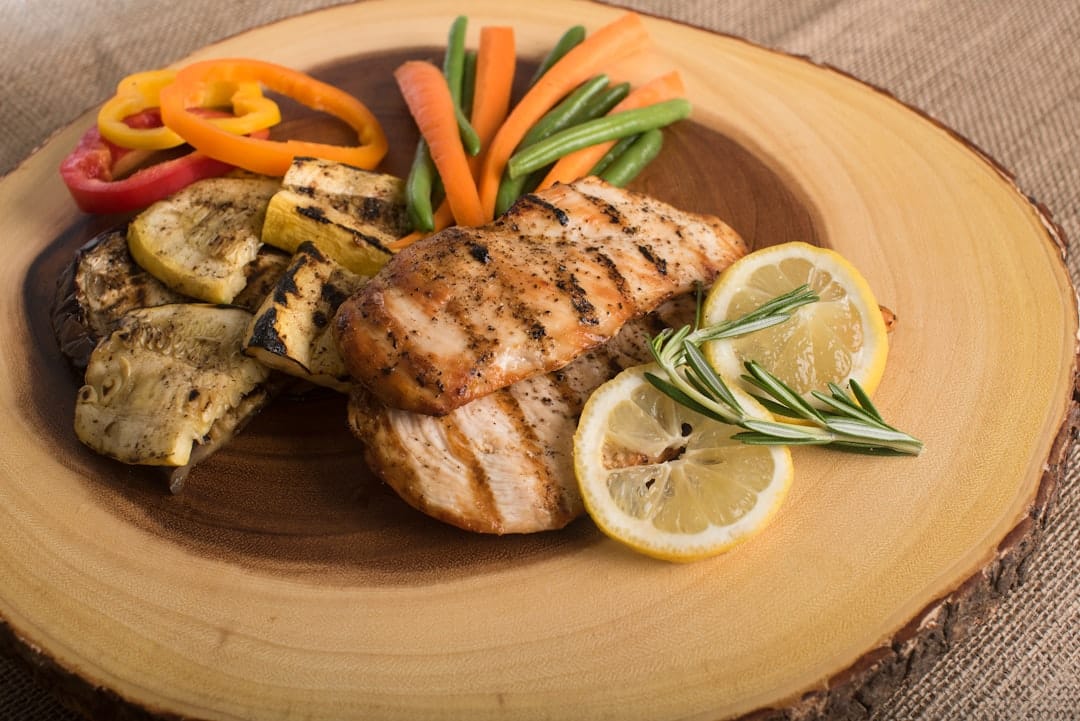
Restrictive diets get old fast, so having a go-to recipe helps. This one keeps to fresh, lower-histamine ingredients.
Grilled Lemon Herb Chicken
Ingredients:
2 boneless, skinless chicken breasts (about 250 g)
Juice of one lemon
2 tablespoons fresh parsley, chopped
1 tablespoon olive oil
Salt and pepper to taste
Method:
1. Whisk the lemon juice, parsley, olive oil, salt, and pepper together in a bowl.
2. Coat the chicken and let it marinate for at least 30 minutes.
3. Heat the grill to medium-high and cook the chicken about 6 to 8 minutes per side.
4. Serve hot.
A quick note on cooking: boiling has little effect on a food’s histamine content and can even reduce it, while frying and grilling have been linked to higher levels. So if you’re being cautious, poaching or simmering may be the gentler choice.
Foods to Skip
 Save
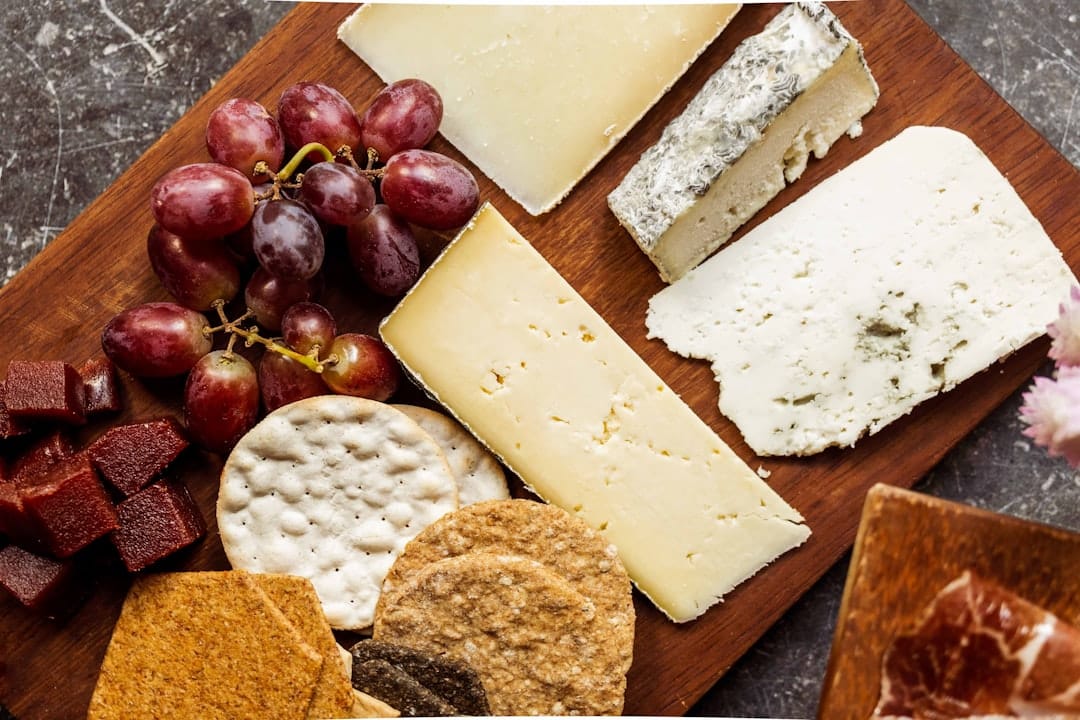
Pinning down exact histamine numbers in food is hard, because storage time, preservatives, and general age all shift the count. As a rule, the older and more processed a food, the more histamine it tends to carry. Watch out too for “histamine liberators,” foods that prompt your body to release its own histamine. Common items to leave off the plate include:
Aged cheese, sour cream, buttermilk, and yogurt
Kimchi, sauerkraut, and pickled vegetables
Kombucha and herbal teas
Salami, sausages, and cured ham
Beer, wine, and champagne
Miso, tempeh, natto, and soy sauce
Sourdough bread
Tomatoes, eggplant, and spinach
Frozen, salted, or canned fish like sardines and tuna
Vinegar and tomato ketchup
Avocado
When you can, reach for fresh over packaged. Freshness is the single most reliable way to keep histamine low.
The Downsides Worth Knowing
 Save
The obvious drawback is how limiting it feels. Cutting every processed and canned food, plus a long list of everyday staples, takes planning and can make eating out awkward. That’s also why the diet is designed to be temporary rather than a forever plan.
It isn’t right for everyone, either. Pregnant and breastfeeding women, children, anyone with a history of disordered eating, and people whose medical conditions call for a specific diet should steer clear or proceed only with close supervision. The restriction can crowd out nutrients if it drags on unmanaged.
Frequently Asked Questions
How long should I stay on a low-histamine diet?
It’s meant to be short-term. Most elimination protocols run about four weeks, after which you slowly reintroduce foods to identify your specific triggers. Staying on it indefinitely isn’t the goal.
Can I test for histamine intolerance?
There’s no definitive test. Doctors typically diagnose it by ruling out other causes and using an elimination diet to see which foods provoke your symptoms.
Will cooking reduce histamine in food?
Sometimes. Boiling tends to have little impact and may even lower histamine slightly, but frying and grilling have been associated with higher levels.
The Bottom Line
A low-histamine diet won’t cure histamine intolerance, but for people who genuinely struggle to clear histamine, easing off the highest-histamine foods can quiet hives, skin flares, and gut trouble. The evidence comes mostly from small studies and case reports, so it’s best framed as a supervised, short-term experiment rather than a permanent overhaul. Because the food list is long and the diet can be nutritionally tight, loop in a doctor or dietitian before you start, and use the reintroduction phase to learn what your own body can and can’t handle.
This article is for informational purposes only and is not a substitute for professional medical advice. Always consult a qualified healthcare provider before making changes to your diet, especially if you are pregnant, breastfeeding, or managing a medical condition.