
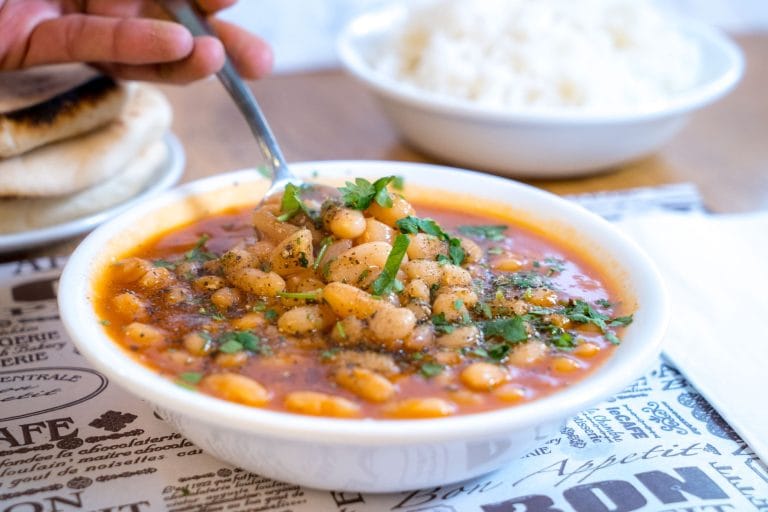
A creamy, mild-tasting legume that quietly stacks up fiber, protein, and plant antioxidants.
White beans don’t get much attention. They sit in the pantry, pale and unassuming, while flashier ingredients hog the spotlight. But these small legumes, native to North and South America, carry a genuinely useful mix of protein, fiber, minerals, and antioxidants. That combination is why researchers keep linking beans to steadier blood sugar, an easier time managing weight, and better cholesterol numbers.
The flavor helps too. White beans are nutty and a little earthy, and they soak up whatever they’re cooked with, which makes them easy to slip into soups, stews, dips, and salads. Here’s what the science actually says, plus how to prep them so they’re gentle on your stomach.
Key Takeaways
– White beans are dense in fiber and plant protein, the two nutrients most tied to fullness and appetite control.
– Regular bean eaters tend to have lower obesity risk, steadier blood glucose, and better LDL cholesterol.
– They come in four common types, sold dried or canned, with a mild flavor that works in almost any savory dish.
– Soaking and rinsing dried beans cuts down on the gas and bloating some people get.
– Anyone with a legume allergy, or a history of reacting to chickpeas, lentils, or peas, should check with a doctor first.
Four Kinds of White Beans
 Save
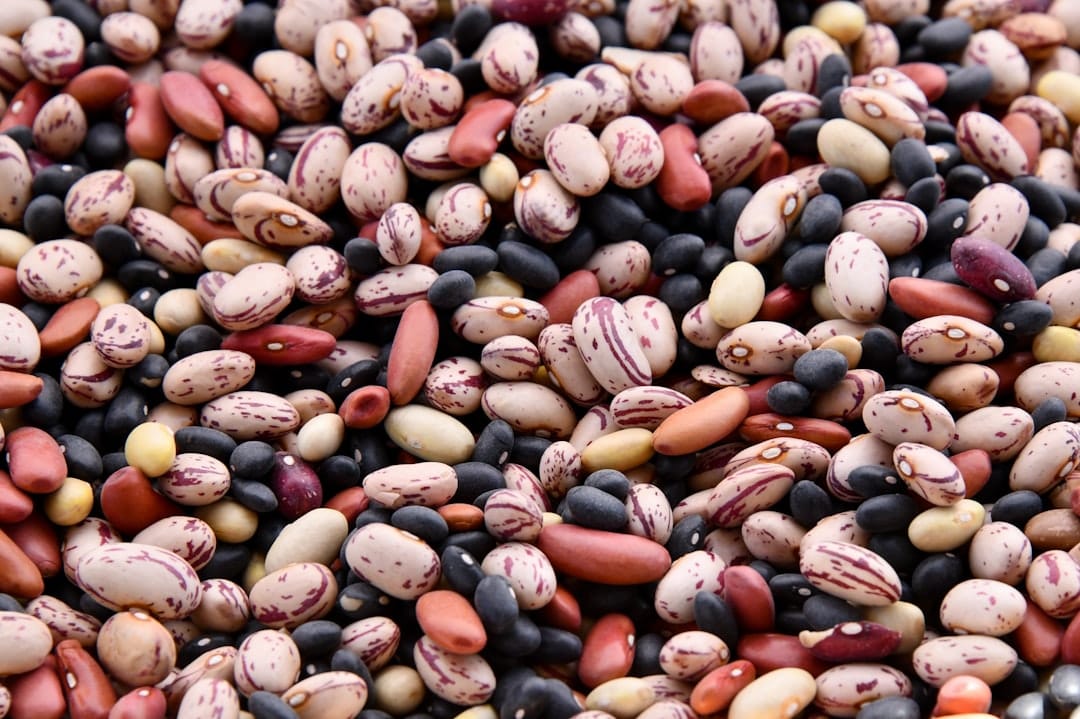
SaveYou’ll usually run into four varieties, and they’re mostly interchangeable once cooked. Knowing the differences helps when a recipe calls for one specifically.
Navy beans are the smallest and mildest. They turn creamy when cooked and are ideal for mashing, blending into dips, or thickening soups and stews.
Cannellini beans, sometimes labeled white kidney beans, are the largest of the bunch. They hold a tender, nutty flesh and show up constantly in Italian and Mediterranean cooking, from minestrone to chili.
Great northern beans land in the middle, size-wise, with a firmer flesh and thin skin that holds its shape well. They’re the classic choice for French cassoulet.
Baby lima beans, also called butter beans, are smooth, buttery, and the starchiest of the group. They’re a natural fit for succotash and casseroles.
If you like the idea of building meals around approachable legumes, the same logic applies to their green cousin, and the reasons to keep green beans on your plate overlap more than you’d expect.
What’s Actually Inside a Cup
One cup of cooked white beans (about 179 grams) delivers a solid load of dietary fiber along with plant protein and slow-digesting carbohydrates, according to USDA data. That fiber matters for more than one reason. It bulks up stool and makes it easier to pass, and a review in the World Journal of Gastroenterology found that higher fiber intake increased stool frequency in people dealing with constipation.
The protein-plus-fiber pairing is also what makes beans so filling, which sets up most of the benefits below.
The Health Benefits, One by One
Support for weight management
 Save
SaveLegumes are rich in fiber, protein, and carbs that break down slowly, and all three push satiety up so you eat less without white-knuckling it. White beans have an extra trick: they contain a compound that inhibits alpha-amylase, the enzyme that turns complex carbs into simple sugars. Slow that enzyme down and carbohydrate absorption slows with it. In one trial, slightly overweight participants given white kidney bean extract lost a meaningful amount of weight.
The fiber angle is well documented too. Research from the University of Minnesota found that fiber intake can dampen appetite and lower overall energy intake, and a broader analysis reported that regular bean eaters were 22% less likely to be obese than people who skipped them. If you’re building meals around this idea, a structured, portion-aware plan like this breakfast, lunch, and dinner framework for weight loss pairs naturally with a bean-forward diet.
Steadier blood sugar
Because that same alpha-amylase effect slows carbohydrate absorption, it also lowers the glycemic impact of a meal. A higher intake of fiber-rich legumes is associated with reduced risk of type 2 diabetes, and studies on low-glycemic eating patterns show they help bring down blood glucose and support diabetes management. For anyone watching their numbers, swapping in beans where a fast-digesting starch would normally go is a small change with real payoff.
A possible role against cancer
This part is less settled, but it’s promising. White beans supply antioxidants, polyphenols, and ferulic acid, all studied for anti-cancer activity. Research out of the University of Crete found that polyphenol antioxidants can block the rapid proliferation of cancer cells, and higher legume intake overall has been linked to lower rates of colon, kidney, stomach, and upper digestive tract cancers. Human studies specific to white beans are still thin, so treat this as encouraging rather than proven.
Heart health
 Save
SaveEating legumes is consistently tied to lower total and LDL cholesterol. In a small study, people who replaced red meat with legumes three days a week saw their triglycerides and LDL drop over just a few days. Sustained reductions like that are exactly what lowers cardiovascular risk over time. White beans also carry zinc, a mineral your immune system leans on, and their antioxidants help mop up free radicals that would otherwise fuel oxidative stress.
Getting White Beans onto Your Plate
 Save
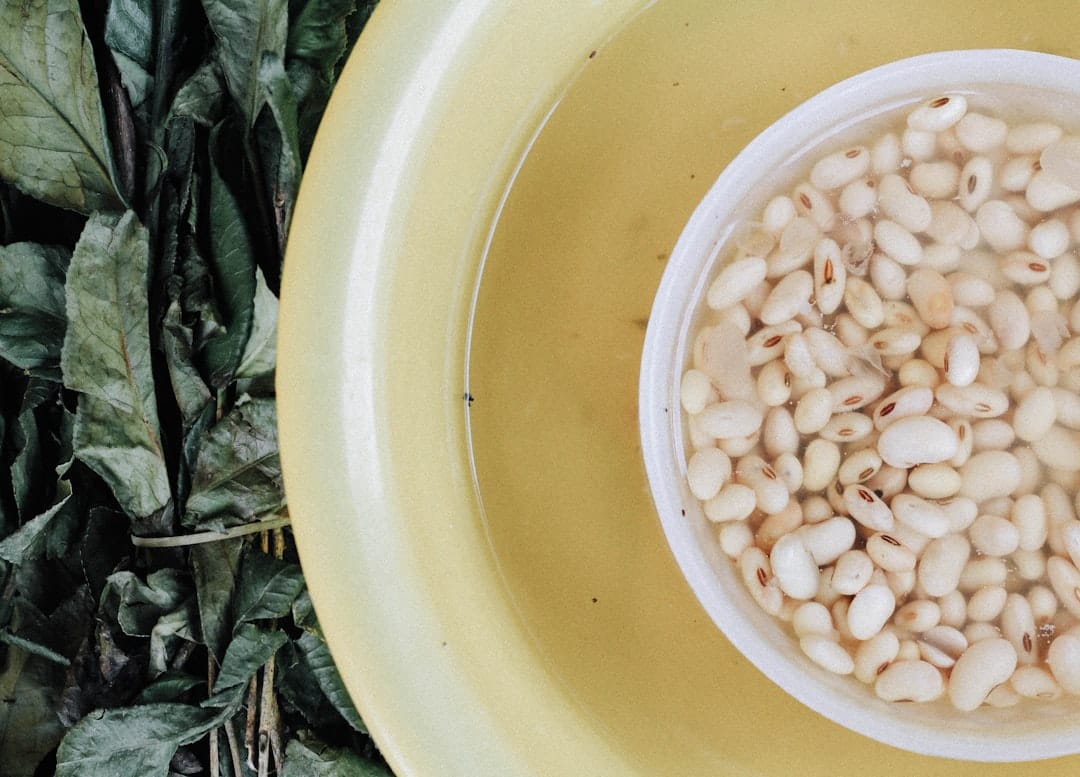
SaveDried beans are cheaper and taste better, but they need a soak. Cover them in water for roughly six to eight hours before cooking. Short on time? Boil them for two minutes, then pull the pot off the heat and let them sit covered for an hour.
That soak isn’t just about softening. Rinsing thoroughly afterward dissolves some of the phytate in the shell, the hard-to-digest compound behind a lot of bean-related gas and bloating. If you’re using canned beans instead, glance at the label for sodium and give them a rinse too.
From there, white beans are forgiving. Their mild flavor blends into soups, stews, dips, and casseroles without taking over. Nutritionist Elliot Reimers even calls them a better swap for potatoes than lentils, thanks to the texture and higher nutritional value. For gentle, everyday meals to fold them into, this collection of light recipes for steady energy is a good starting point. A classic white bean soup with herbs, carrot, celery, and a little bacon is hard to beat on a cold evening.
Frequently Asked Questions
Can I eat white beans every day?
For most people, yes. They’re a nutrient-dense staple meant for regular eating. Just introduce them gradually and drink enough water so the fiber sits well with your digestion.
Why do beans give some people gas?
The culprit is largely the phytate and certain carbohydrates in the shell that ferment in the gut. Soaking dried beans, rinsing them well, and cooking them thoroughly all reduce that effect.
Who should be cautious with white beans?
Anyone with a legume allergy should avoid them, and people prone to diarrhea may want to hold off during flare-ups. If you’ve reacted to chickpeas, lentils, or green peas before, ask your doctor before adding a new bean.
The Bottom Line
White beans earn their spot in a regular rotation. They’re inexpensive, filling, and backed by research connecting legumes to better weight management, calmer blood sugar, healthier cholesterol, and possibly lower cancer risk. Overeating them can bring on gas, bloating, or a headache, so build up slowly and soak your dried beans. Beyond that, they’re one of the easiest upgrades you can make to a home-cooked meal.
This article is for informational purposes only and is not a substitute for professional medical advice. Talk to a qualified healthcare provider before making significant changes to your diet, especially if you have a medical condition or a known food allergy.