
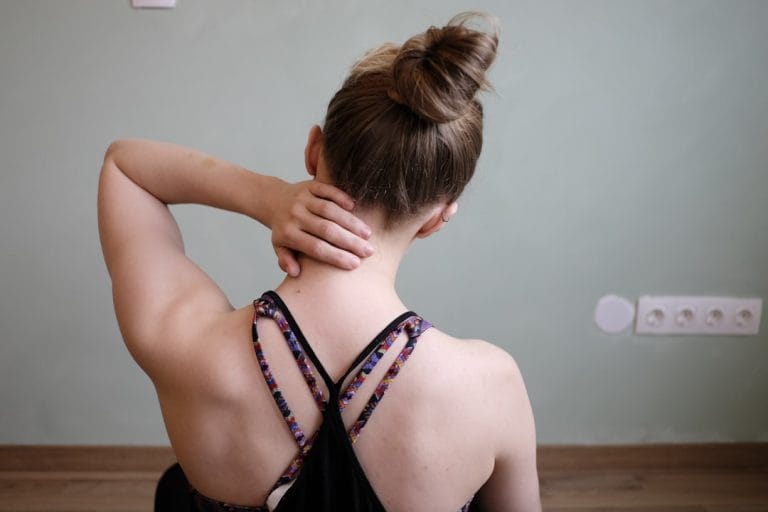
The everyday fixes that ease a painful crick, and the small habits that keep it from returning.
You know the feeling. You wake up, go to turn your head, and it just won’t cooperate. Your neck feels locked at an odd angle, and suddenly checking your blind spot or glancing over your shoulder becomes a whole-body maneuver. A stiff neck rarely signals anything serious, but it can throw off your sleep, your focus, and your mood for a day or two.
The good news is that most cases sort themselves out with a little care at home. Below you’ll find gentle treatments for the pain right now, plus the posture and lifestyle tweaks that stop the stiffness from settling in again.
Key Takeaways
– A stiff neck is usually caused by strain or posture, not an underlying disease, and often eases on its own within a few days.
– Rest, gentle movement, and hot or cold therapy are among the simplest ways to calm soreness.
– Everyday triggers include long hours at a screen, looking down at your phone, driving, and awkward sleeping positions.
– Strengthening and stretching your neck muscles makes them less prone to seizing up.
– See a doctor if the pain spreads into your arms or legs, or doesn’t improve.
What a Stiff Neck Actually Is
A stiff neck is that frustrating state where movement feels restricted and your neck seems stuck. It tends to show up first thing in the morning or after a long, tense day. The soreness can make ordinary tasks feel like a chore and can even keep you from sleeping properly.
Plenty of things bring it on. The usual suspects are hours spent staring down at a monitor or phone, or gripping the wheel on a long drive. A muscle sprain, a night spent sleeping in a strange position, slouching, or an awkward twist during sport or a workout can all leave your neck complaining the next day. There’s also a mental-health thread here: research has linked conditions like anxiety and depression to neck pain, so stress itself can play a part.
Simple Treatments You Can Try at Home
Most stiff necks need nothing more than a bit of patience and a few basic measures. You rarely need a clinic visit.
Start with rest. Muscles heal during recovery, and studies back up the idea that giving strained tissue a break helps the process along. That doesn’t mean lying frozen all day, but it does mean skipping the heavy lifting and the strenuous workout until things settle.
Posture matters more than people expect. Because so much neck stiffness builds up from sustained bad positions, simply keeping your head centered over your shoulders instead of jutting forward can take a surprising amount of load off those muscles. If you sit for work, get up and move every so often. Staying in one position too long is exactly how “knots,” or trigger points, form in the first place.
Over-the-counter anti-inflammatories such as ibuprofen or naproxen are a common go-to for the pain. The evidence for them in neck pain is somewhat mixed, and researchers say more study is needed to pin down how well and how safely they work, so check with your doctor before reaching for them, especially if you take other medications.
Heat and Cold Therapy
 Save
SaveTemperature is one of the oldest tricks for sore muscles, and there’s reasonable support for it. Heat widens your blood vessels and boosts circulation to the area, which helps loosen tight muscle. Cold, on the other hand, tamps down inflammation. You can lay a hot water bottle across your neck or press a wrapped ice pack against it, whichever brings more relief. Some people alternate the two. The same logic applies to other cranky muscles, which is why heat and cold turn up so often in natural approaches to sudden muscle cramps as well.
Everyday Habits That Prevent Neck Stiffness
Clearing a stiff neck is usually easy. Keeping it from returning is mostly about small, repeatable changes, plus a bit of strengthening. One study found that adding strength-training exercises to your routine may help reduce neck pain, so building up those muscles pays off over time. If you’re already working toward a fitness routine, weaving in the kind of resistance work covered in these safe, calorie-burning workout ideas can support your neck along with the rest of you.
Set Up an Ergonomic Workspace
 Save
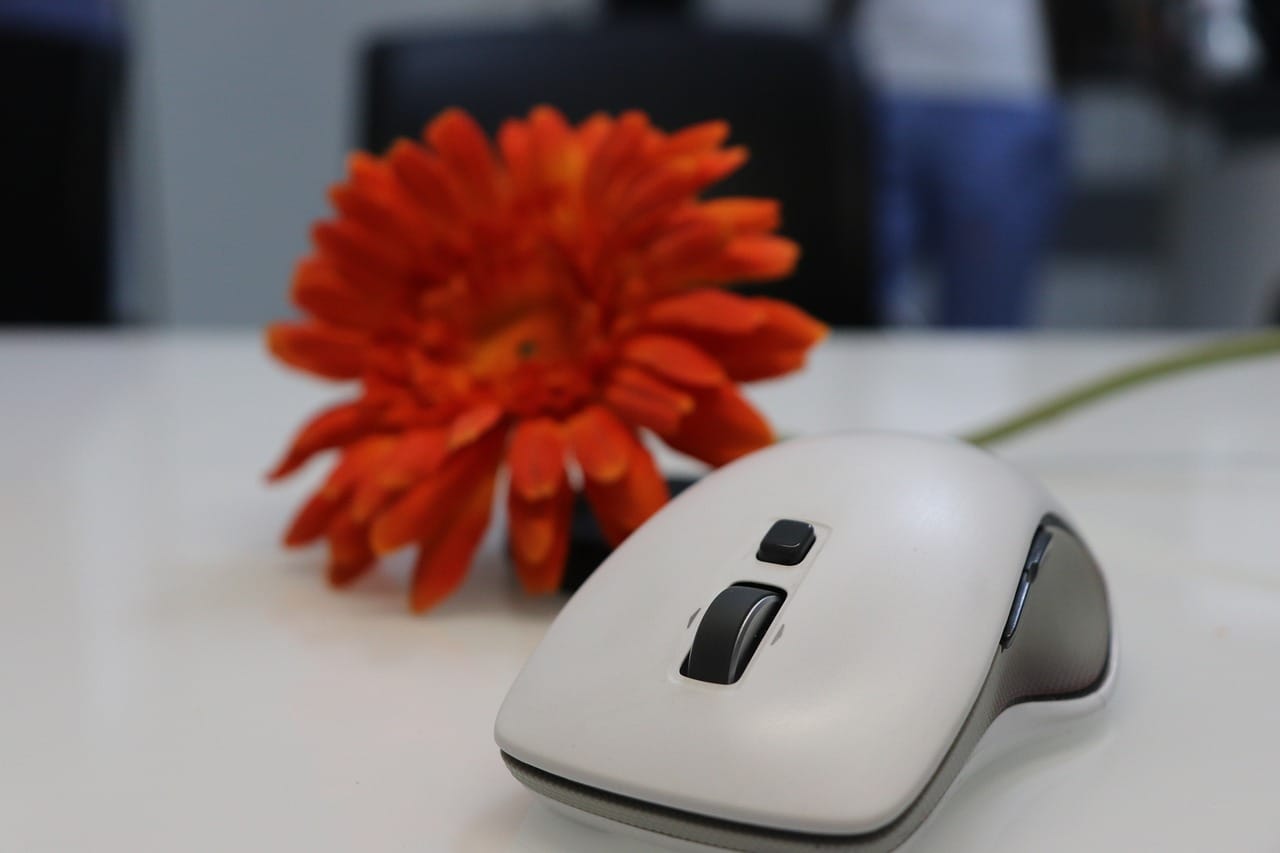
SaveIf you spend your week hunched toward a laptop, your setup is probably working against you. An ergonomic chair helps, and so do a few adjustments:
Set your chair so your feet rest flat on the floor and your knees sit just below hip level.
Keep your back straight and your arms roughly level with the desk.
Use a keyboard and mouse with ergonomic features if you can.
Raise your monitor so the top of the screen sits at eye level.
Stand up, walk, and stretch for a minute or two every hour.
Ease Up on Your Phone
 Save
SaveConstantly craning down toward a screen tires and strains the muscles at the back of your neck, and research suggests heavy smartphone use raises the odds of neck pain. In one survey of 5,719 US adults, nearly a third said they could last only a few hours without their phones, a sign of how much time those muscles spend under load. You don’t have to ditch the device. Just hold it closer to eye level, and swap the phone-wedged-against-your-shoulder call for headphones or earbuds.
Break Up Long Drives
Road trips are fun until your neck files a complaint. On long stretches behind the wheel, pull over now and then to stand and stretch, stay mindful of your posture, and adjust your seat so you have a clear, comfortable view of the road. Trading off with a passenger helps too.
Stretch Your Neck Through the Day
 Save
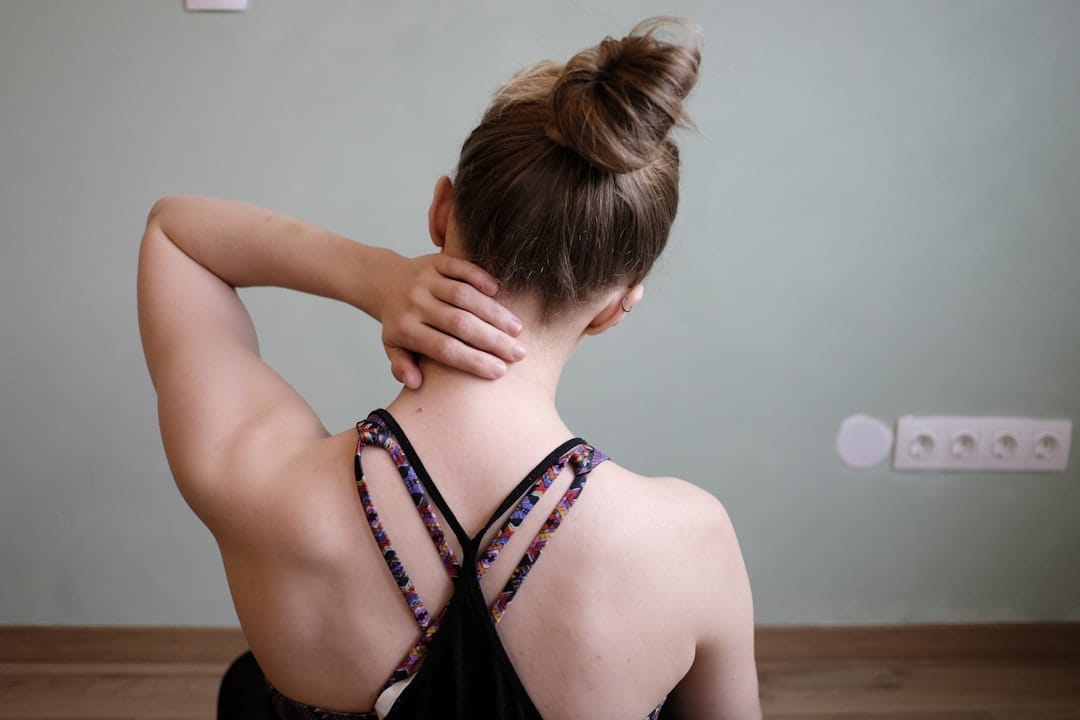
SaveA few gentle stretches, done regularly, go a long way toward keeping things limber:
Rest your fingertips under your chin and ease your neck upward, then lace your fingers behind your head and gently guide it down.
Sit tall, tuck your chin toward your chest as if nodding, hold for ten seconds or so, and release. Repeat a handful of times through the day.
Slowly turn your head left and right, going only as far as feels comfortable.
Move slowly and never force a stretch. If you enjoy this kind of mindful, controlled movement, a balance-focused practice like the tree pose from yoga reinforces the same upright, centered posture your neck likes.
Rethink How You Sleep
Where your neck spends the night has a real effect on how it feels in the morning. Sleeping on your stomach cranks your neck to one side for hours and piles on pressure, so favor your back or your side instead. A feather or memory-foam pillow molds to the curve of your neck, while pillows that are too tall or too firm tend to leave you sore.
Quick Relief in the Moment
Sometimes the crick strikes at your desk or the gym and you want something right now. A gentle neck massage from someone else can release built-up tension, as long as the pressure stays light and you speak up the moment it hurts. Skip any fast or extreme movement. Instead, ease your head slowly from side to side, and rock it gently up and down to coax the muscles loose. A soft neck collar can hold your head upright and offload some of the strain, though it’s meant for short-term use rather than all-day wear.
Frequently Asked Questions
How long does a stiff neck usually last?
Most stiff necks improve within a few days with rest, gentle movement, and heat or cold. If yours drags on beyond a week or keeps getting worse, it’s worth having it looked at.
When should I see a doctor about neck pain?
Get medical advice if the pain radiates down into your arms or legs, follows an injury or accident, or comes with numbness, weakness, or other worrying symptoms. Those signs point beyond ordinary muscle strain.
Is heat or cold better for a stiff neck?
Both can help, and they do different jobs. Cold calms inflammation, which is useful soon after a strain, while heat boosts circulation and loosens tight muscle. Many people find alternating the two works best, so try each and follow what gives you relief.
The Bottom Line
A stiff neck is annoying, but it’s usually short-lived and very treatable at home. Rest the muscle, apply heat or cold, keep your head balanced over your shoulders, and move gently rather than forcing it. Once the soreness fades, the real fix is prevention: a smarter workstation, less time hunched over your phone, better sleep posture, and regular stretching and strengthening. Reach for a doctor only if the pain spreads, lingers, or comes with numbness or weakness.
This article is for general informational purposes only and is not a substitute for professional medical advice, diagnosis, or treatment. Always consult a qualified healthcare provider about any concerns regarding your health or before starting a new treatment.