
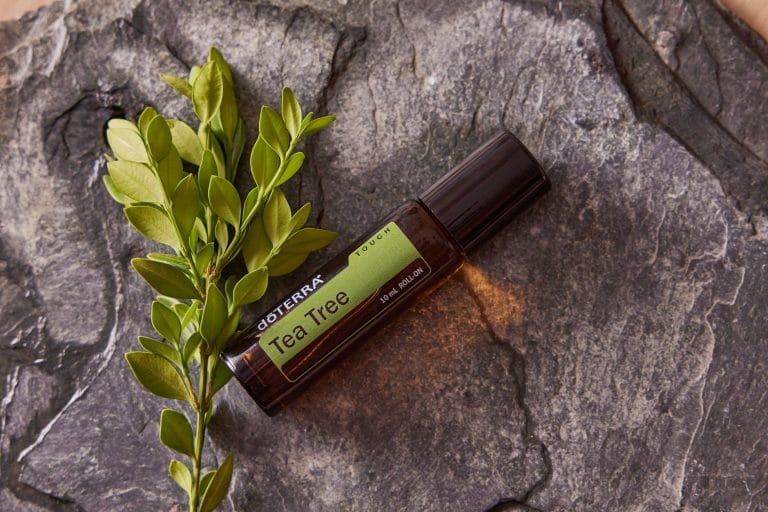
A look at what the research says about this popular essential oil, plus five gentle ways to try it at home.
Warts are stubborn little things. They show up uninvited, they linger for months, and even though they are harmless, most people would happily see them gone. Tea tree oil keeps coming up as a natural fix, and there is some real science behind the idea, even if it is thinner than the internet sometimes suggests.
So does a few drops of this fragrant oil really stand a chance against a wart? Below is an honest walk through the evidence, the safest ways to apply it, and the point at which you should stop experimenting and call a dermatologist.
Key Takeaways
– Warts come from the human papillomavirus (HPV), and while they are contagious, they are not dangerous.
– Tea tree oil has antiviral and antiseptic properties that a handful of case reports link to faster wart clearance.
– Pairing it with apple cider vinegar, garlic, castor oil, sandalwood oil, or baking soda may give it a boost.
– Always dilute the oil first, undiluted tea tree oil can burn and irritate the skin.
– The research is limited, so a patch test and a doctor’s opinion are both worth your time.
What Actually Causes Warts
 Save
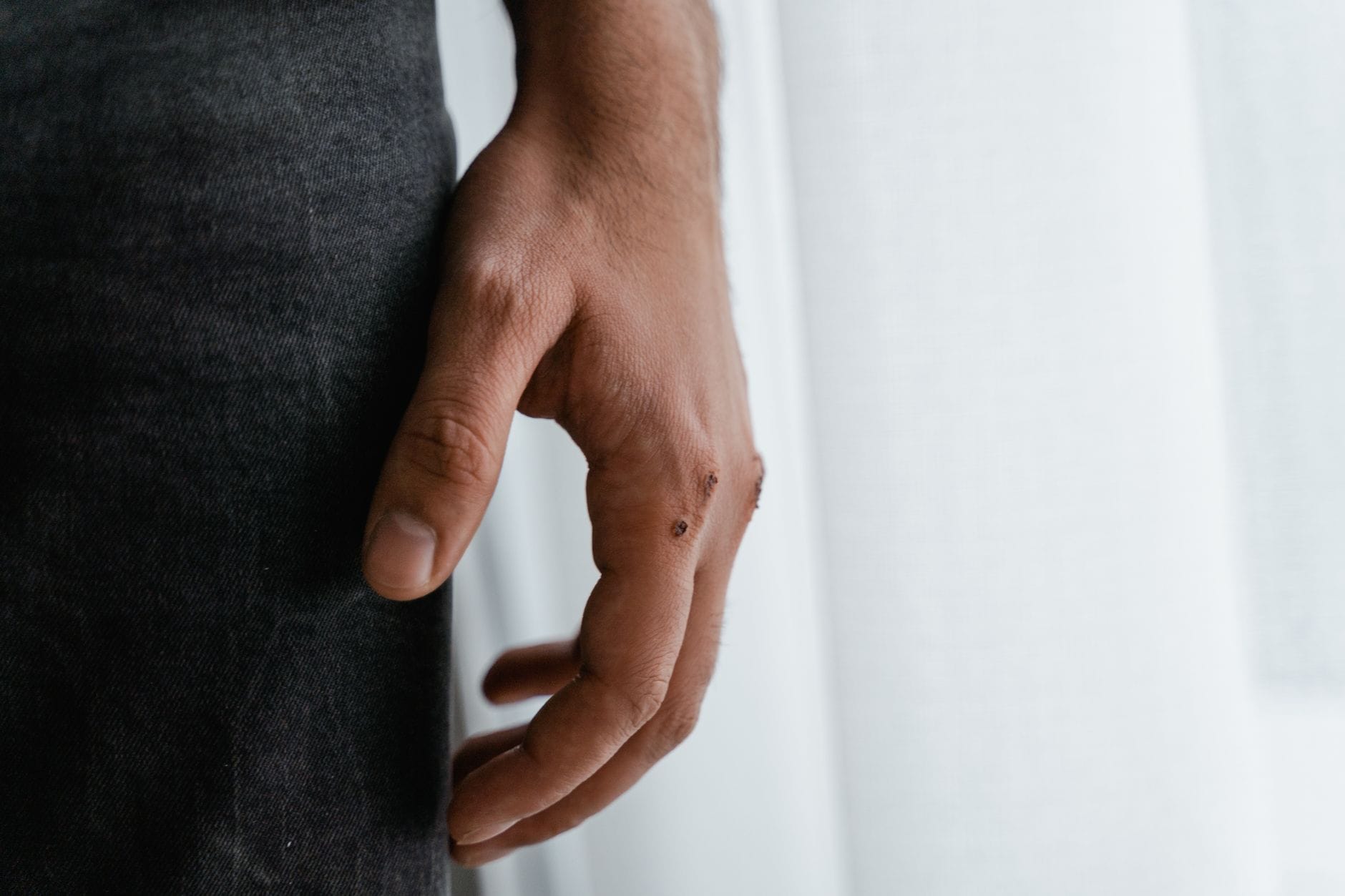
Warts are surface-level skin growths triggered by HPV, a virus with dozens of subtypes. It slips into your body through a hangnail, a scratch, or any spot where the skin’s protective barrier has broken, then sets up shop in the upper layers of the skin.
The virus spreads mostly through direct skin contact, but sharing a towel or similar item can pass it along too. Widespread infection is rare, though the virus can reach into deeper skin layers, which is one reason treating a wart early makes sense.
Left alone, many warts fade on their own. The catch is timing, that process can drag on for weeks, months, or occasionally years. That slow clock is exactly why people look for something to speed things up.
Does Tea Tree Oil Really Work on Warts?
Several small studies have found tea tree oil effective against common warts, though not genital warts. Its appeal comes down to antiviral activity against the very virus that causes the growths.
The strongest hints come from case reports. In two documented cases, applying tea tree oil topically cleared warts in 10 and 20 days respectively. A separate report described a child’s wart resolving in about 12 days with daily application.
Tea tree oil is a staple in aromatherapy for good reason. Its antifungal, antibacterial, and anti-inflammatory qualities are why skin specialists often suggest it for acne, and it has shown promise with seborrheic dermatitis and certain oral bacteria too. On a wound, it helps by cleansing the area, discouraging bacterial and fungal invasion, and even nudging white blood cells into action to fight infection.
Here is the honest caveat: this is case-report territory, not large clinical trials. The signal is encouraging but limited, so treat tea tree oil as a reasonable thing to try, not a guaranteed cure. If your wart is painful, spreading, or in a sensitive spot, see a dermatologist before you start.
How to Use Tea Tree Oil Safely
One rule matters above all others. Never put undiluted tea tree oil on your skin. It is potent enough to cause serious irritation and can worsen the very patch of skin you are trying to heal. For any of the recipes below, blend 2 to 3 drops of the essential oil into a tablespoon of a carrier oil such as coconut, jojoba, avocado, olive, or almond.
Buy quality, too. Look for 100% pure, certified organic tea tree oil, and run a patch test on a small area before you commit. Not every method suits every skin type, and results genuinely vary from person to person.
Apple Cider Vinegar Blend
 Save
Mix one drop of apple cider vinegar, one drop of diluted tea tree oil, and two drops of water. Dab it onto the wart and cover with a band-aid, swapping the dressing and reapplying every five or six hours.
Vinegar contains acetic acid, which may help break down wart tissue, while the tea tree oil goes after the underlying virus. It is a simple pairing that many people reach for first.
Garlic Paste
 Save
Apply a couple of drops of diluted tea tree oil to the wart, press about a third of a teaspoon of freshly crushed garlic on top, and secure it with tape for three to four hours. Repeat twice a day with fresh garlic each time.
Garlic has its own antiviral reputation and appears to slow the growth of infected skin cells. One study in Dermatology Reports found that chloroform extracts of garlic cleared skin warts with no return over three to four months.
Castor Oil Mix
Dilute 2 to 3 drops of tea tree oil in a tablespoon of castor oil and apply twice daily. Castor seed oil has a long history in skin care, and the same oil that shows up in old-fashioned remedies people brush around their eyes may help soften and reduce a wart over time.
Sandalwood Oil Pairing
Combine one drop each of diluted tea tree oil and diluted sandalwood oil, then apply twice a day. This one has surprisingly solid backing. A study in Clinical Pediatrics had participants apply sandalwood oil twice daily for 12 weeks, and 80% saw their warts disappear completely while the rest improved. If you want to understand what else this fragrant oil offers, the wider benefits of sandalwood for skin and hair are worth a read.
Baking Soda Paste
 Save
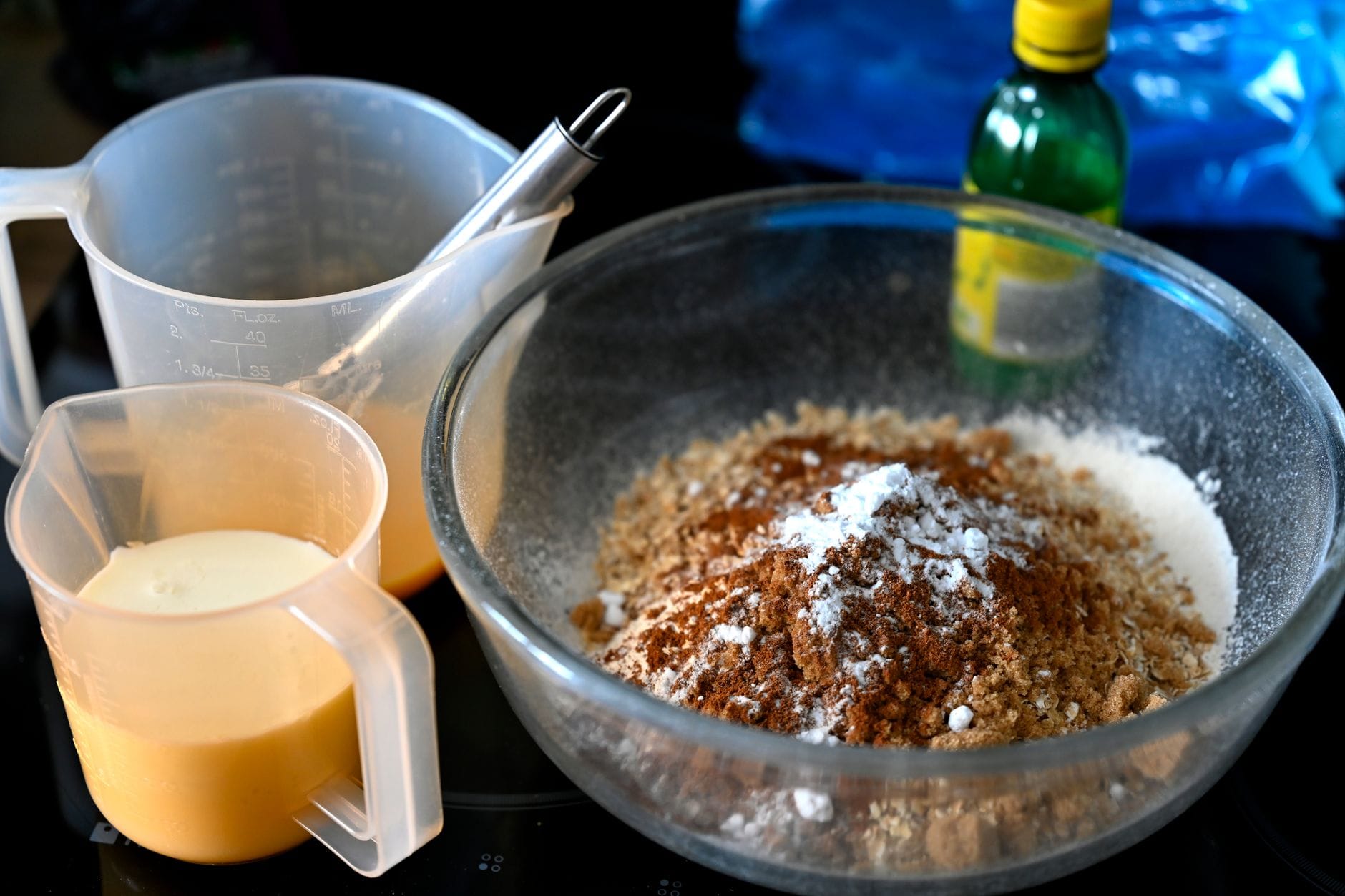
Stir a tablespoon of baking soda into half a cup of water to form a paste, add 8 to 10 drops of diluted tea tree oil, and spread it on the wart. Let it dry, rinse, and store the rest in an airtight container. Apply twice a day.
Baking soda works as a mild exfoliant and astringent, drawing moisture out of the wart. Research in the Journal of Emerging Technologies and Innovative Research paired it with castor oil and reported clotting within 24 hours and full healing inside a week, likely by creating conditions too alkaline for HPV to thrive.
How Long Before You See Results
Patience is part of the deal. The case reports that showed success landed somewhere between 10 days and a few weeks, and the sandalwood trial ran a full 12 weeks. Consistency matters more than intensity, so apply your chosen blend as directed and give it real time before deciding it is not working.
If you enjoy folding gentle plant oils into a broader skin routine, the same mindset that helps with clearer skin and steadier hormones through evening primrose oil applies here: slow, regular, and diluted beats aggressive.
Side Effects and When to Be Careful
Tea tree oil is considered safe for topical use for most people, with one big exception. If you are allergic to it, application can trigger contact dermatitis, a red, itchy, inflamed reaction. That is precisely why the patch test is non-negotiable.
Call a dermatologist if a wart bleeds, becomes painful, multiplies quickly, changes in appearance, or simply refuses to budge after weeks of home care. Warts on the face, genitals, or soles of the feet are also better handled by a professional from the start.
Frequently Asked Questions
Can I put tea tree oil directly on a wart without diluting it?
No. Undiluted tea tree oil is highly concentrated and can burn or badly irritate your skin. Always mix 2 to 3 drops into a tablespoon of carrier oil first.
Does tea tree oil work on genital warts?
The studies supporting tea tree oil apply to common warts, not genital warts. Genital warts need medical evaluation and treatment, so see a doctor rather than trying home remedies.
How often should I apply it?
Most of the recipes here call for twice-daily application, or in the case of the apple cider vinegar blend, reapplying every five to six hours. Follow the specific method you choose and stay consistent.
The Bottom Line
Tea tree oil is a plausible, low-cost home approach for common warts, backed by a scattering of case reports and its genuine antiviral and antiseptic properties. Pairing it with apple cider vinegar, garlic, castor oil, sandalwood, or baking soda may improve your odds. Just keep expectations grounded: the evidence is limited, dilution is essential, and a dermatologist should weigh in on anything painful, stubborn, or in a delicate area.
This article is for informational purposes only and is not a substitute for professional medical advice. Consult a qualified healthcare provider or dermatologist before starting any new treatment for warts or other skin conditions.