

A practical look at which drinks are lightest, how much is safe, and the ones worth skipping.
Cutting calories doesn’t have to mean turning down every glass at a gathering. Alcohol and weight loss make an awkward pair, sure, but not all drinks land the same way on your calorie budget. A whiskey neat and a sugary frozen cocktail are worlds apart before you’ve even finished the first round.
The trick is knowing which pours are naturally light, how many you can fit into a day of eating, and where the hidden sugar sneaks in. Here’s how the popular options stack up, along with a few habits that keep an evening out from undoing a week of effort.
Key Takeaways
– Whiskey, gin, vodka, rum, and tequila are among the lightest options, roughly 60 to 100 calories per standard pour.
– Champagne, dry white wine, and red wine sit in a reasonable range when you stick to a single serving.
– Sugary cocktails and regular or craft beer are where calories climb fast, sometimes past 400 in one glass.
– One to two drinks is the practical ceiling if weight loss is the goal.
– Alcohol slows fat burning, so moderation matters more than the exact calorie count.
Which Drinks Come In Lightest
Spirits are the quiet winners here. Poured straight or over ice, they carry no added sugar, and the calorie totals stay low as long as you skip the sweet mixers. Wine and champagne are a small step up, still modest per serving but easy to over-pour.
Spirit by Spirit
 Save
SaveWhiskey (80 proof) — about 62 calories per fluid ounce (29 mL).
Gin (80 proof) — roughly 65 calories in a 30 mL pour.
Rum and vodka (80 proof) — around 97 calories per 30 mL.
Tequila — one shot lands at about 97 calories.
Champagne — 85 calories in a 118 mL glass, which makes it a smart pick for a toast.
Light beer — 103 calories in a full 12 fl oz (355 mL) can.
White wine — 119 calories per 5 fl oz serving, with that tangy, fruity flavor that pairs nicely with fish or poultry.
Red wine — 122 calories per 5 fl oz, and it brings antioxidants that may benefit heart health.
Red wine’s edge is worth a note: the same compounds that give it color have been linked to cardiovascular benefits, so if you’re choosing between two glasses of similar calories, it’s a reasonable one to reach for.
Drinks to Leave on the Menu
Two categories quietly wreck an otherwise light night.
The first is sugary cocktails. Most start above 100 calories and can climb toward 500 once syrups and juices pile on. Champagne itself is light, but champagne punch, mixed with fruit juice and other spirits, jumps to around 230 calories per serving. Mimosas, daiquiris, and cosmopolitans follow the same pattern. Beyond the calories, that sugar spikes your blood sugar and then drops it, which leaves you tired and reaching for more.
The second is regular and craft beer. A 355 mL regular beer runs about 145 calories, and craft beer climbs to roughly 170. If you love beer, light versions keep the flavor while trimming a chunk of the calories.
Smarter Ways to Order at the Bar
 Save
SaveYou don’t have to be the person nursing water all night. A few small requests keep drinks light without making you seem fussy:
Ask the bartender to hold the sugar syrup and use fresh fruit, herbs, or spices instead.
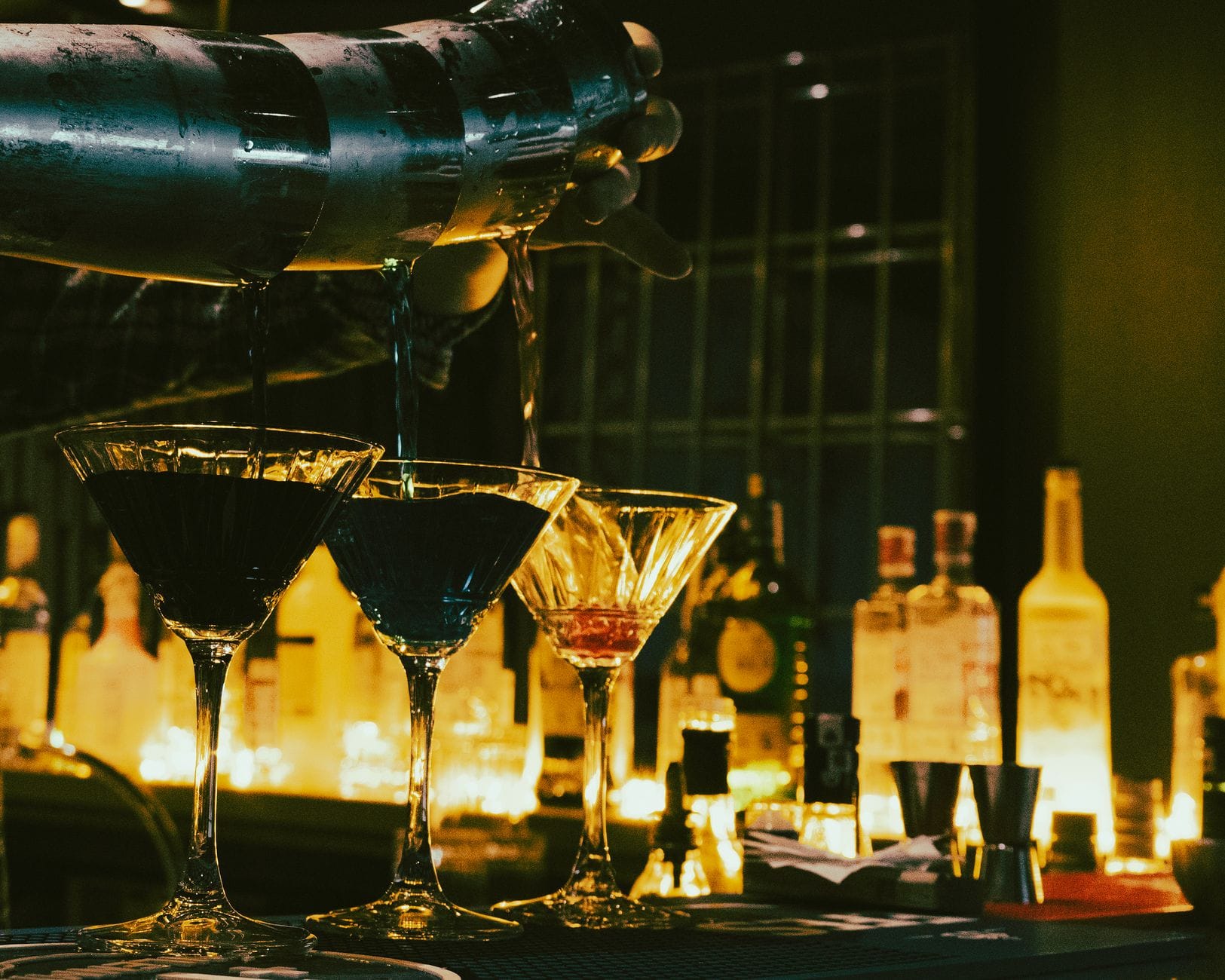
Keep cocktails simple, no more than two spirits plus ice and garnish. A gin martini is a good template.
Build your own low-calorie highball: a light spirit, plain seltzer, ice, and a lime wedge.
Rum and coke goes down easy, but the sugar won’t thank you at the gym tomorrow. Swap soft drinks for plain soda.
If you’d rather have something warm and calorie-free between rounds, a cup of green tea is a genuinely useful stand-in that supports your goals rather than working against them.
How Many Is Too Many?
 Save
SaveOne to two drinks is the honest limit, and it depends on how much room your day leaves. Say you’re following a structured 1,500-calorie approach and you’ve eaten 950 calories by evening. Two modest pours still leave space for dinner and maybe something small after. Push past that, and you’re borrowing calories from tomorrow.
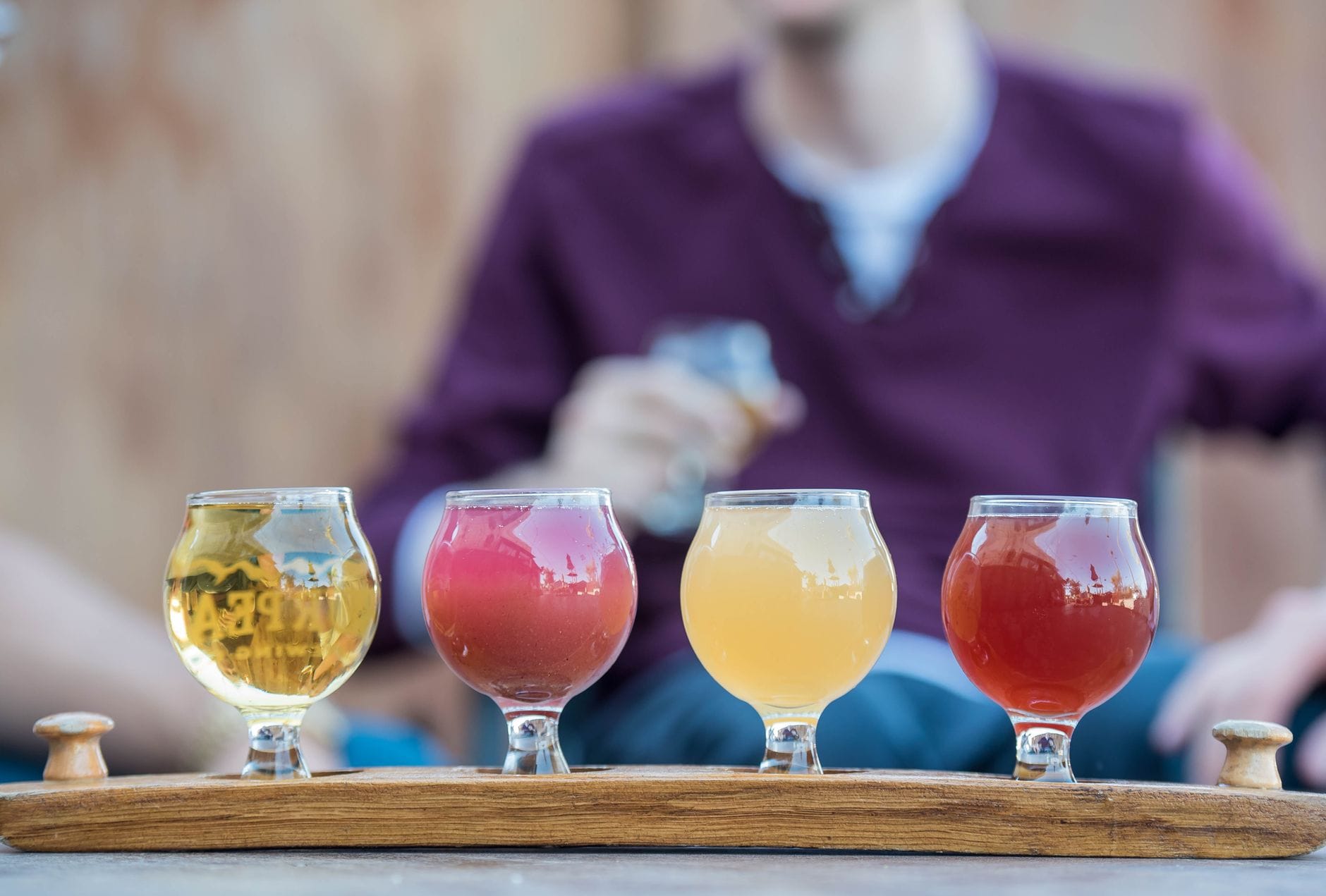
The number matters, but so does the type. Two shots of tequila and two frozen margaritas are technically the same “two drinks,” yet the calorie gap between them is enormous.
Why Alcohol Stalls Fat Burning
Calories aside, alcohol does something specific to your metabolism. Your body treats it as a priority fuel and pauses fat oxidation to process it first. That pause means fat sticks around, and it tends to settle in the abdominal area.
The research here is genuinely mixed. Some studies tie moderate drinking to weight gain, others don’t, and a few point to lifestyle factors like a high-fat diet doing the real damage. What they agree on is that moderation is the deciding line. One four-year study of 5,145 people in the United States found that those who abstained lost 5.1% of their starting weight, while regular heavy drinkers lost just 2.4%. If you’re already carrying extra weight, the cleaner move is to cut alcohol entirely for a while. If you’re near your target, an occasional drink is unlikely to matter much.
What to Snack On While You Drink
 Save
SaveThe food around your drinks often does more damage than the drinks themselves. A light pour paired with a basket of fries isn’t a light night. If you’re building meals to match your goals, some easy homemade recipes make far better company than bar snacks.
When you’re out, steer this way:
Skip starchy sides like corn, pasta, and bread baskets.
Pass on deep-fried anything, from onion rings to fries to fried chicken.
Be wary of dishes drowning in sauces and condiments, which hide plenty of calories.
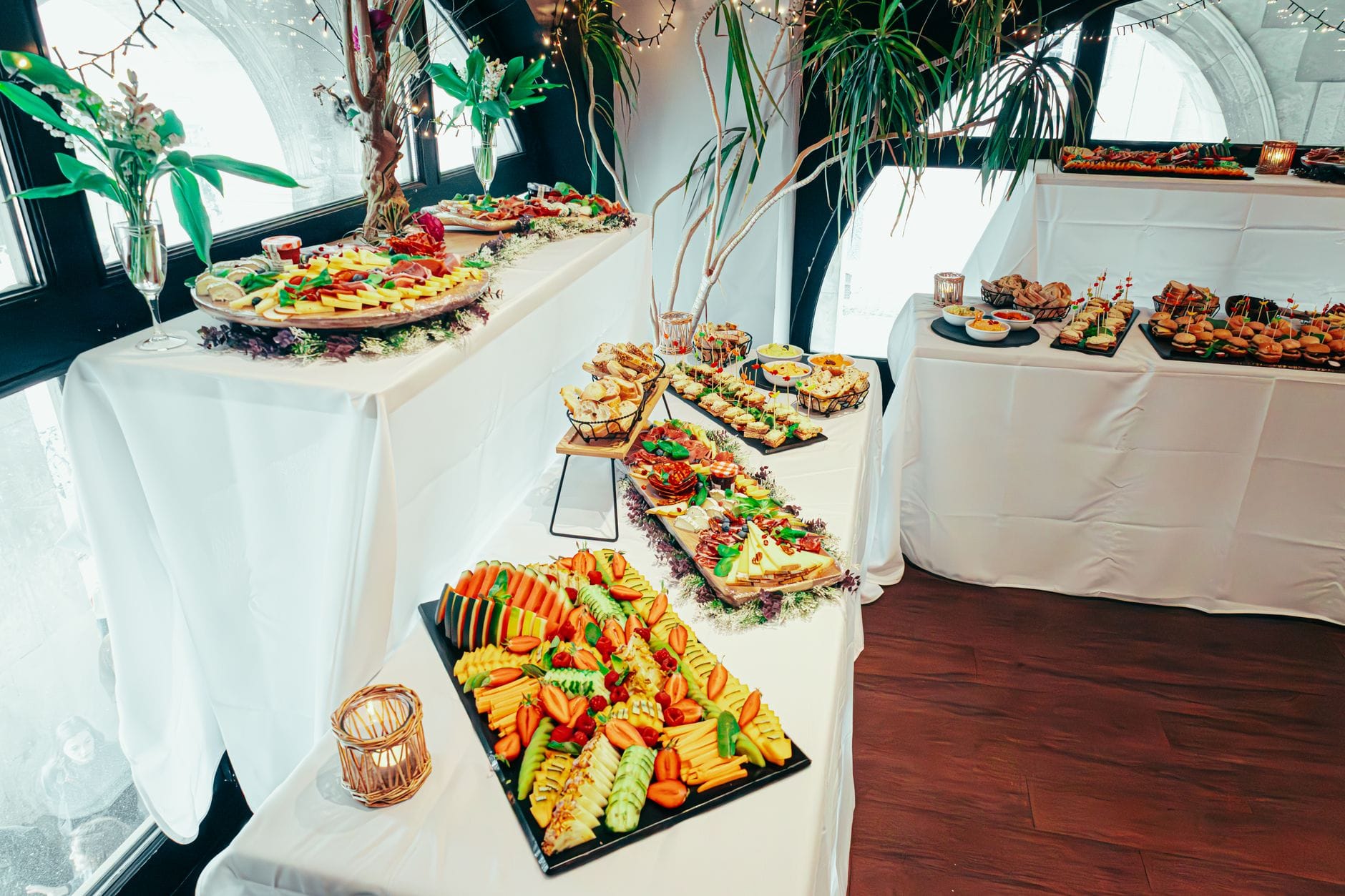
Reach for grilled skewers, pan-tossed vegetables, and simple plant- or animal-based proteins.
Frequently Asked Questions
Is red wine actually better for you than other drinks?
Per glass it’s similar in calories to white wine, but red wine carries antioxidants linked to heart benefits. That doesn’t make it a health food, though. The advantage only holds at one glass, not a bottle.
Can I drink and still lose weight?
Yes, if you keep it to one or two light drinks and account for the calories in your daily total. The bigger risk is what alcohol does to your judgment around food, not just the liquid calories.
Why do beer bellies happen?
Regular and craft beers are calorie-dense, and alcohol pauses fat burning while your body processes it, so excess tends to deposit around the midsection. Switching to light beer and moderating quantity both help.
The Bottom Line
Low-calorie alcohol exists, and spirits poured straight, champagne, and a single glass of wine are your best bets. The calories on their own aren’t the whole story, since alcohol slows fat burning and loosens your grip on food choices. Keep it to one or two drinks, skip the syrupy cocktails and full-calorie beer, and mind what’s on the plate beside your glass. Do that, and an evening out doesn’t have to cost you your progress.
This article is for general informational purposes only and is not a substitute for professional medical advice. Talk to your doctor before making changes to your diet or alcohol consumption, especially if you have a health condition or take medication.